7 Powerful Benefits of Sun Protection You Need
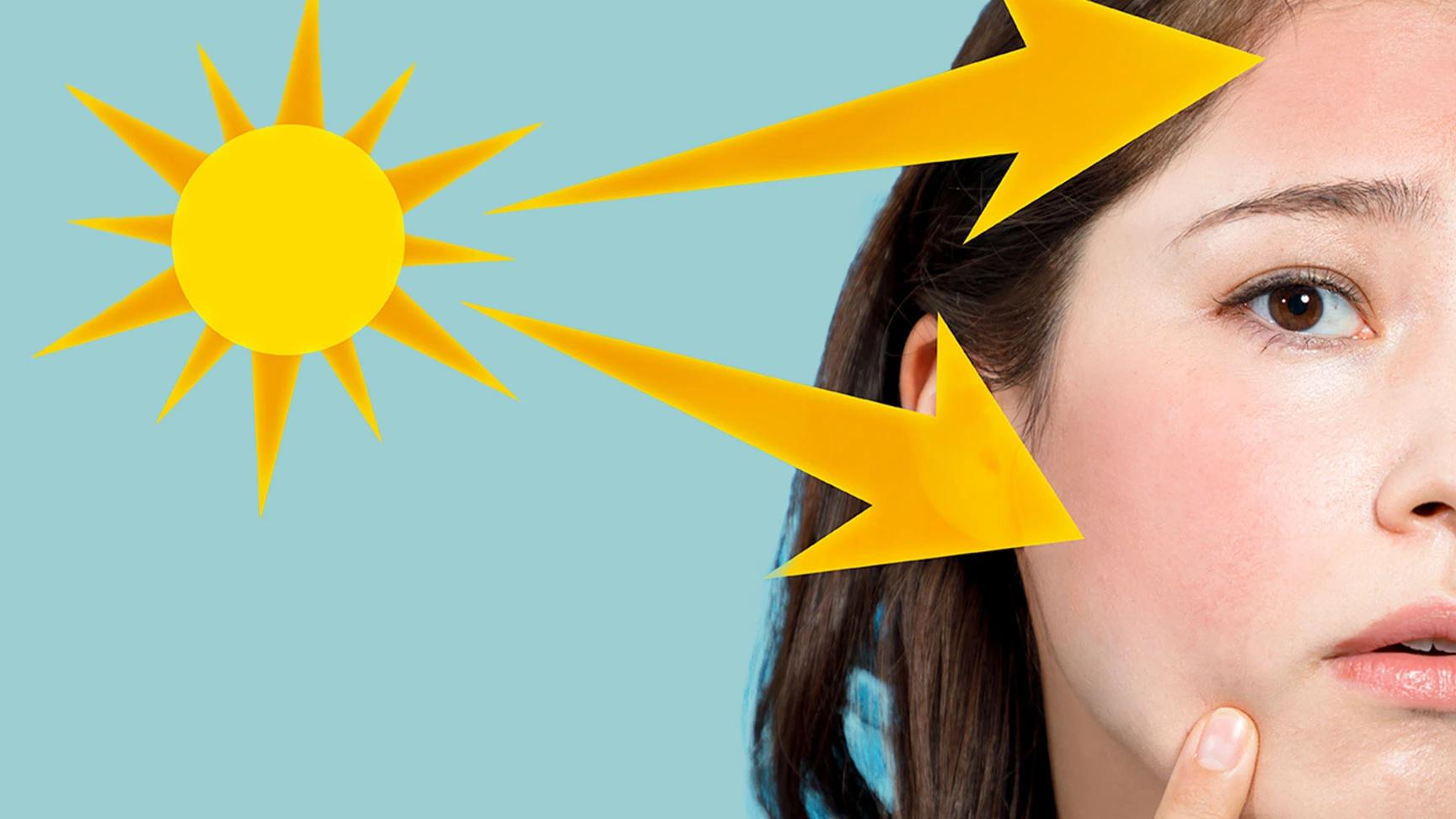

Let's be real—when it comes to skincare, sun protection is probably the most underrated superhero in your routine. While we're all busy hunting for the latest serums and miracle creams, the humble sunscreen sits there quietly preventing more skin damage than any other product ever could. The stats are pretty wild: skin cancer rates have tripled in the past three decades, yet most of us still treat SPF as a summer-only thing. Here's the thing though—understanding the true benefits of sun protection goes way beyond just avoiding a painful sunburn. From preventing serious health issues to keeping your skin looking fresh for years to come, daily UV protection is basically your skin's best investment. Ready to discover why dermatologists won't stop banging on about sunscreen? Let's dive into seven game-changing reasons why sun protection deserves a permanent spot in your daily routine.
This one's the big deal, and honestly, it should be enough reason on its own. Regular sunscreen use can reduce your risk of developing melanoma—the deadliest form of skin cancer—by up to 50%. That's not just a small improvement; that's potentially life-saving stuff right there. The science behind skin cancer prevention is pretty straightforward. UV radiation damages the DNA in your skin cells, and when that damage builds up over time, it can lead to cancerous changes. Broad-spectrum sunscreens work by either absorbing or reflecting both UVA and UVB rays before they can penetrate your skin and cause this damage.
UVA rays are the sneaky ones—they penetrate deeper into your skin and are responsible for long-term damage like premature ageing. UVB rays are what cause sunburn and play a major role in developing skin cancer. The importance of sunscreen becomes crystal clear when you realise that both types of UV radiation are hitting your skin every single day, even when it's cloudy.
A landmark Australian study followed participants for over a decade and found that those who used sunscreen daily had 40% fewer melanomas than those who used it occasionally. The participants weren't even using fancy, expensive formulas—just regular SPF 15+ sunscreen applied consistently.
Here's where things get interesting for anyone who's ever spent money on anti-ageing products. Up to 80% of visible facial ageing is caused by sun damage, not just the natural ageing process. That means your daily sunscreen is basically doing the heavy lifting that all those expensive serums claim to do. Photoageing—that's the fancy term for sun-induced ageing—breaks down collagen and elastin fibres in your skin. These are the proteins that keep your skin firm, bouncy, and smooth. Once they're damaged, you start seeing wrinkles, fine lines, and that leathery texture that screams "I spent too much time in the sun."
UV rays trigger enzymes called matrix metalloproteinases, which basically eat away at your collagen stores. It's like having tiny Pac-Men munching through your skin's support structure. Daily UV protection stops this process in its tracks, which is why people who've used sunscreen consistently for years often look decades younger than their actual age.
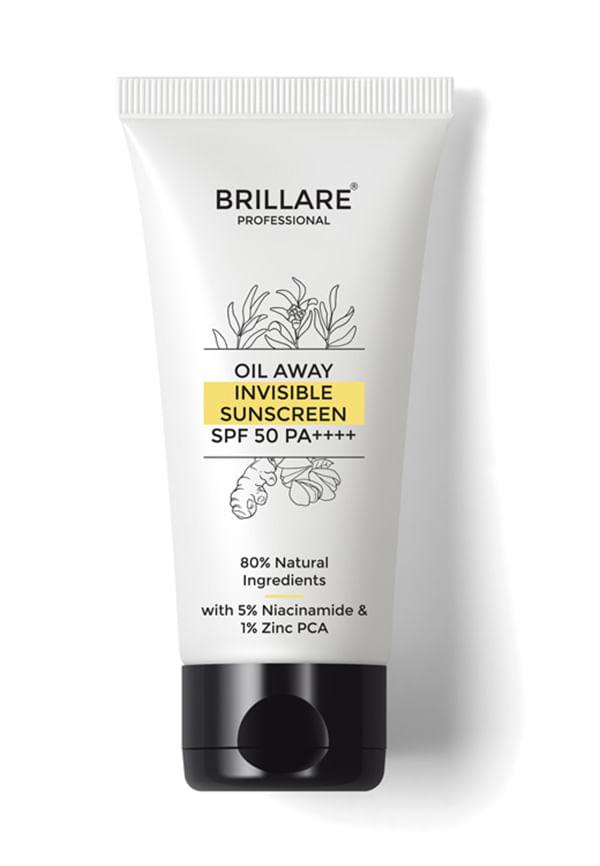
Oil Away INVISIBLE Sunscreen
Brillare Sunscreen Good for Oily Skin
 5
5“Brillare oil away invisible sunscreen is good for oily prone skin, must try Brillare sunscreen.”
Good product for summer
5“Good product and wirks well in summer”
Light, Non-Sticky Texture
5“loved the texture. so light and non sticky”
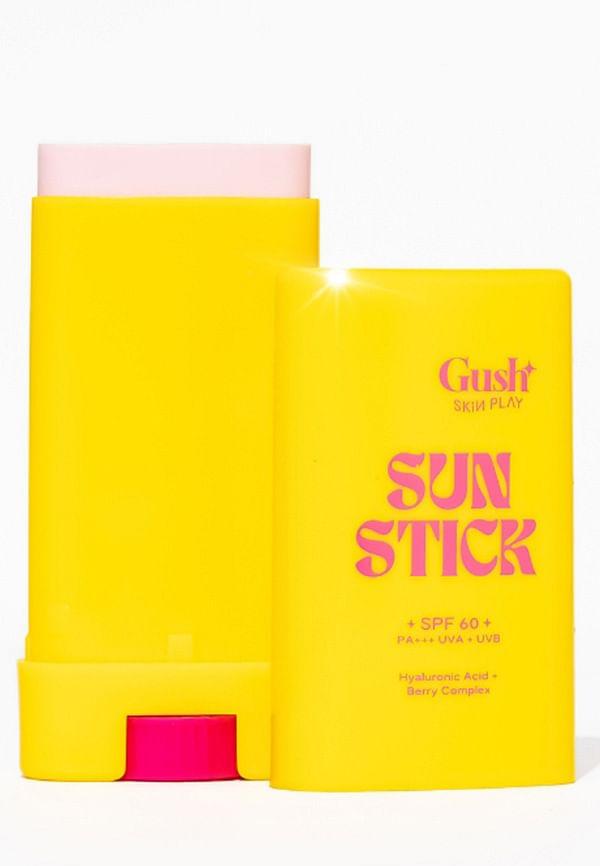
Sunstick Serum
Loved it, cute & no white cast
4“I loved it.it looks cute & no white cast”
Effective Product
5“very nice. the product is very effective”
One famous study compared identical twins where one used sunscreen religiously and the other didn't. The differences were honestly shocking—the sun-protected twin looked significantly younger, with fewer wrinkles, better skin tone, and less sagging. It's like having a time machine for your face.
If you've ever dealt with dark spots, melasma, or uneven skin tone, UV exposure is probably the culprit. When your skin detects UV damage, it goes into overdrive producing melanin as a protective response. Problem is, this process often goes haywire, creating those stubborn dark patches that seem impossible to fade. The sunscreen benefits for preventing hyperpigmentation are massive, especially if you're already dealing with hormonal changes, certain medications, or just have naturally reactive skin. Once you've got melasma or sun spots, they're notoriously difficult to treat and often come back with even minimal sun exposure.
Contrary to what some people think, everyone needs sun protection regardless of their natural skin tone. While darker skin does have more natural protection against UV rays, it's still vulnerable to damage and hyperpigmentation. In fact, post-inflammatory hyperpigmentation—those dark marks left behind after acne or other skin irritation—can be made much worse by sun exposure.
Daily sunscreen use helps maintain that even, glowing complexion that everyone's after. It prevents new dark spots from forming and stops existing ones from getting darker. Think of it as your skin's insurance policy against future pigmentation issues.
Okay, this might seem obvious, but hear us out. Sunburn isn't just about the immediate pain and peeling—though let's be honest, nobody wants to spend their weekend looking like a lobster. Each sunburn actually causes lasting damage to your skin's DNA that can show up years later. When you get sunburned, your skin cells are literally dying from UV damage. Your body's inflammatory response is what causes the redness, heat, and pain. But here's the scary part: even after your sunburn heals, the DNA damage remains, increasing your risk of skin cancer and premature ageing down the line.
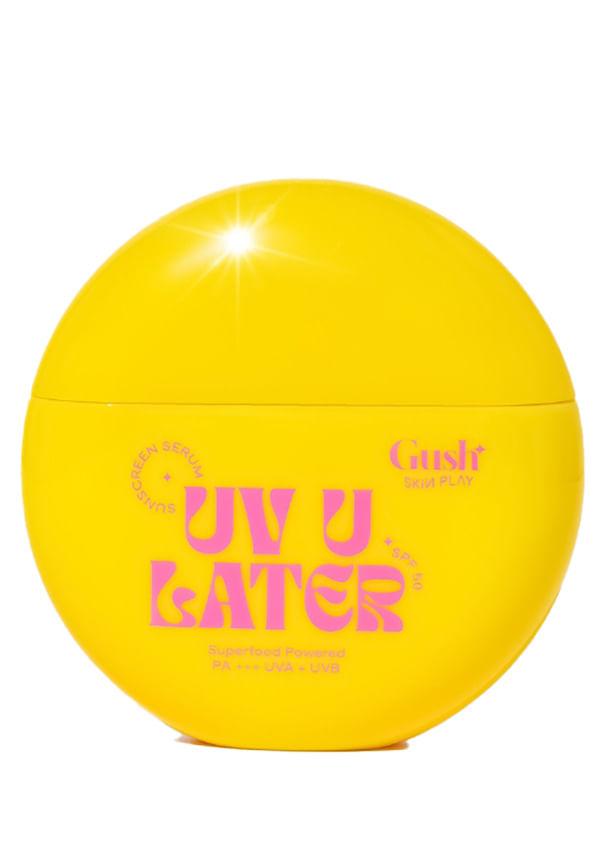
UV U Later Sunscreen

2-In-1 Serum Sunscreen
Lightweight & Non-Greasy
5“Great very lightweight and non greasy ”
SPF (Sun Protection Factor) tells you how much longer you can stay in the sun without burning compared to unprotected skin. So if you'd normally burn in 10 minutes, SPF 30 theoretically gives you 300 minutes of protection. The SPF benefits plateau pretty quickly though—SPF 30 blocks about 97% of UVB rays, while SPF 50 blocks about 98%.
Even if you don't burn easily, UV damage is still happening. Some people think they're immune because they tan instead of burn, but tanning is actually your skin's damage response. Every tan represents DNA damage, which is why there's really no such thing as a "safe" tan from natural sunlight.
If you have sensitive skin or certain medical conditions, sun protection tips become even more crucial. Conditions like lupus, rosacea, and eczema can all be triggered or worsened by UV exposure. Even some common medications can make your skin more photosensitive. Certain skincare ingredients—like retinoids, AHAs, and BHAs—can increase your skin's sensitivity to the sun. If you're using any active ingredients in your routine (and honestly, who isn't these days?), daily sunscreen becomes non-negotiable.
UV rays don't take holidays. They're present year-round, can penetrate clouds, and reflect off surfaces like snow, water, and concrete. This is why dermatologists recommend daily sunscreen regardless of the weather or season. Even sitting by a window exposes you to UVA rays, which can penetrate glass.
For people with conditions that make them extra sensitive to sunlight, proper sun protection can mean the difference between a normal day and a painful flare-up. It's not just about comfort—it's about maintaining quality of life and preventing long-term complications.
Your skin is your body's largest organ and your first line of defence against the environment. UV radiation doesn't just cause visible damage—it compromises your skin's barrier function, making it less effective at keeping moisture in and irritants out. When your skin barrier is compromised by sun damage, you might notice increased sensitivity, dryness, and irritation. This creates a cycle where your skin becomes more reactive and harder to treat. Daily sunscreen helps maintain your skin's natural protective abilities.

SUN SHIELD SPF 50 PA+++ SUN BLOCK Sun Screen Lotion
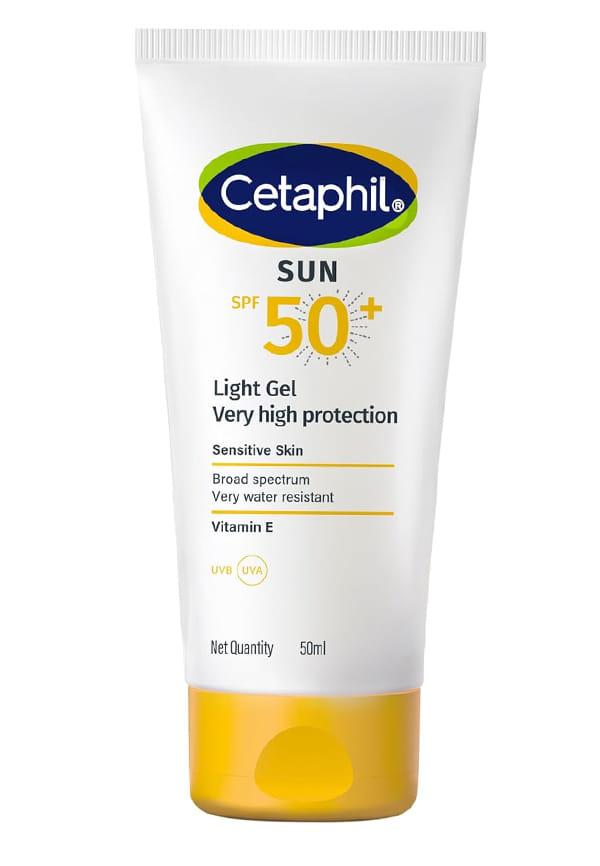
Sun Spf 50+ Light Gel
Phenomenal at this price
5“Its phenomenal , at this price range”
Phenomenal at this price
5“Its phenomenal , at this price range”
Product is costly
4“very costly, can provide experience once I use it regularly”
Your skin is constantly working to repair itself, but UV damage can overwhelm these natural processes. By preventing ongoing damage with consistent sun protection, you're giving your skin the chance to focus on healing existing damage rather than constantly playing catch-up.
UV exposure triggers inflammatory responses and creates free radicals that damage skin cells. This oxidative stress contributes to premature ageing and can exacerbate various skin conditions. Regular sunscreen use helps keep inflammation levels down and supports overall skin health.
Let's talk money for a minute. A good sunscreen costs maybe £10-30 and lasts for months. Compare that to the cost of treating sun damage later—laser treatments, chemical peels, skin cancer removal, anti-ageing procedures—and suddenly that daily SPF looks like the bargain of the century. The economic argument for prevention is pretty compelling. Skin cancer treatments can cost thousands, and cosmetic procedures to reverse sun damage aren't cheap either. Even basic dermatological treatments for hyperpigmentation or premature ageing can add up quickly.
Think of sunscreen as an investment in your future self. Every day you use it is money saved on potential treatments down the line. Plus, there's the quality of life factor—preventing problems is always easier and less stressful than treating them after they've developed.
You don't need to spend a fortune to get effective sun protection. The best sunscreen is simply one that you'll use consistently. Whether it's a budget-friendly drugstore option or a luxury formula, the most important factor is regular application. This is where platforms like Smytten become incredibly valuable. With access to trial sizes from over 1,500 trusted brands, you can discover which sunscreen formulas work best for your skin without committing to full-size purchases. Finding your perfect SPF match becomes affordable and risk-free, ensuring you'll actually stick to daily protection.
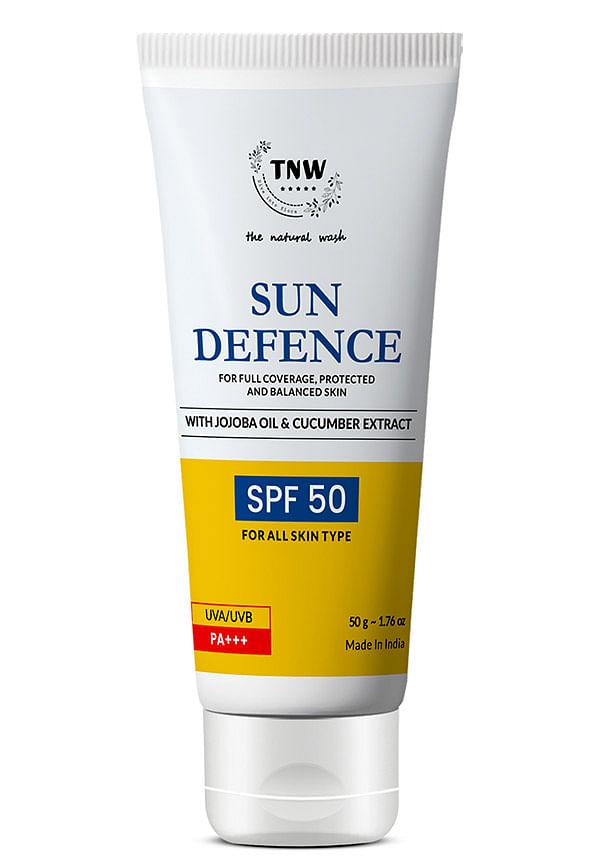
Sun Defence Sunscreen SPF50 PA++ UVA/UVB Clinically Approved QUICK ABSORB | Made with Natural Ingredients 50g
Good Sunscreen, Great Fragrance
4“good sunscreen, should avoid but great fragrance”
Good for Sensitive Skin, Pills Under Makeup
5“Tried Sunscream on dry, sensitive skin. Very moisturizing and no irritation, which is rare for me. But it leaves a shiny finish and pills under foundation. SPF 50 kept me from burning at the beach.”
Lightweight & Effective Sunscreen
5“this sunscreen is very light weight and effective for men and women”
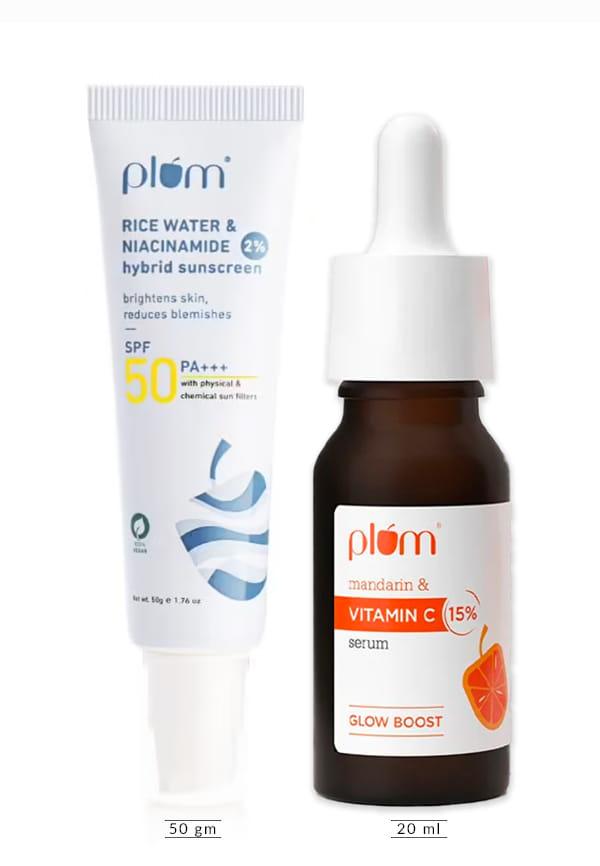
Sun Protection Power Duo
Plum Vitamin C is Effective
4“Vitamin C from plum works very well”
Happy with product
4“happy with the product... love it”
All-time Favorite
4“No doubt my all time favourite ”
The primary benefits include preventing skin cancer, slowing premature ageing, reducing hyperpigmentation, avoiding painful sunburn, protecting sensitive skin conditions, maintaining skin barrier health, and providing cost-effective prevention against future skin problems.
Absolutely. UV rays are present year-round and can penetrate clouds and glass. Daily application provides consistent protection and allows your skin to focus on repair rather than constantly dealing with new damage.
Dermatologists recommend at least SPF 30 for daily use, which blocks about 97% of UVB rays. SPF 50 offers slightly more protection at 98%, but the most important factor is consistent application and reapplication.
Yes, up to 80% of visible facial ageing is caused by sun damage rather than natural ageing. Daily sunscreen use can significantly slow the development of wrinkles, fine lines, and age spots.
Yes, everyone needs sun protection regardless of skin tone. While darker skin has more natural protection, it's still vulnerable to UV damage, skin cancer, and hyperpigmentation issues.
The benefits of sun protection extend far beyond preventing sunburn. From reducing cancer risk by up to 40% to maintaining youthful, healthy skin for decades, daily SPF use is honestly one of the smartest investments you can make for your skin. The beauty of sun protection is its simplicity—you don't need complicated routines or expensive treatments. Just consistent, daily application of a broad-spectrum sunscreen can prevent most UV-related skin problems before they start. Whether you're 18 or 40, it's never too early or too late to start protecting your skin. With Smytten's extensive range of trial-sized sunscreens from trusted brands, discovering your perfect daily SPF has never been easier or more affordable. You can explore different formulas, textures, and brands until you find the one that feels so good you'll actually want to use it every day. Because the best sunscreen is the one you'll consistently apply—and with over 25 million users trusting Smytten for their product discovery journey, you're in excellent company for making smarter skincare choices.
