7 Natural Ways to Get Smooth Skin Texture Fast


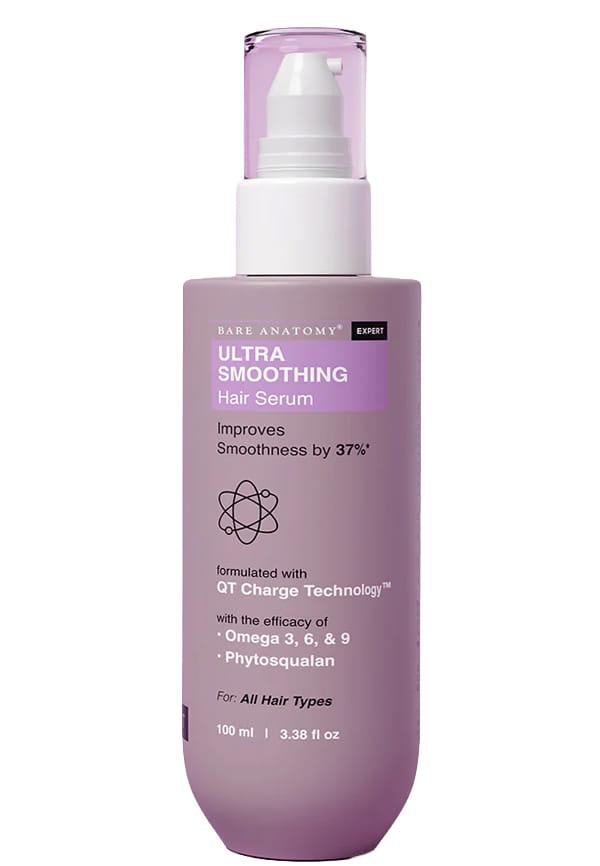
Ultra Smoothing Hair Serum, Restores Smoothness And Texture By 27%
Nice Serum for After Hair Wash
 4
4“Its a nice serum for after hair wash”
Nice Serum for After Hair Wash
4“Its a nice serum for after hair wash”
Loves this Brand
4“love this brand very much.....”
Let's be real—when your skin feels rough or bumpy, it can knock your confidence down a peg. You know that feeling when you run your fingers across your face and it's not as smooth as you'd like? Yeah, we've all been there. The good news is that learning how to improve skin texture naturally doesn't require expensive treatments or harsh chemicals. With the right approach and a bit of patience, you can achieve that smooth skin naturally using ingredients you probably already have at home. These seven methods focus on gentle, effective ways to transform your skin's texture while keeping your routine simple and budget-friendly.
Before diving into solutions, it helps to understand what's actually happening when your skin feels rough or uneven. Your skin texture is basically how smooth or bumpy your skin feels to the touch, and several factors can throw it off balance.
Dead skin cells are the main culprit behind that grainy feeling. When these cells don't shed naturally, they pile up on your skin's surface, creating a rough, dull appearance. Dehydration is another major player—when your skin lacks moisture, it can feel tight and bumpy. Sun damage from UV rays breaks down collagen and elastin, leading to uneven texture over time. Hormonal changes, especially during your period or pregnancy, can also affect how your skin looks and feels. Poor lifestyle habits like not getting enough sleep, eating too much processed food, or skipping your skincare routine can make texture issues worse.
Your skin might feel grainy or sandpaper-like when you touch it. You might notice rough patches, especially around your nose, chin, or forehead. Your complexion could look dull or lacklustre, even when you're well-rested. Enlarged pores and uneven skin tone often go hand-in-hand with texture issues too.
Exfoliation for skin improvement is probably the most important step in your texture-smoothing journey. Think of it as giving your skin a fresh start by removing all those dead cells that are making things feel rough.
You don't need fancy acids to get chemical exfoliation benefits. Papaya contains natural enzymes that gently dissolve dead skin cells—just mash up some ripe papaya and leave it on your face for 10 minutes. Pineapple works similarly thanks to its bromelain content. Fermented rice water is another brilliant option that provides gentle lactic acid. These natural skin remedies work slowly but effectively without irritating your skin.
For physical exfoliation, oatmeal mixed with honey creates a gentle scrub that won't tear your skin. Coffee grounds work well too, but use them gently—your face isn't a kitchen counter. Dry brushing your body (not your face) before showering can improve circulation and texture. The key is being gentle and not overdoing it—twice a week is plenty for most people.
Proper hydration is absolutely crucial for smooth skin texture. When your skin is well-hydrated, it plumps up, making fine lines less noticeable and creating that coveted smooth feel.
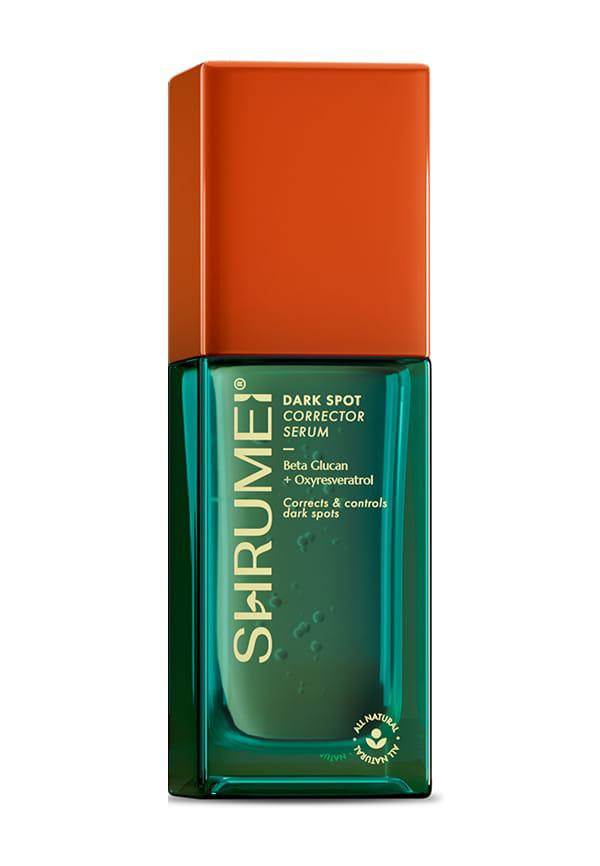
All Natural Dark Spot and Pigmentation Correcting serum
Effective and Fast Results
5“Very effective and fast results”
Aim for about 8 glasses of water daily, but don't stress if you're not hitting that exact number. Your body will tell you what it needs. Foods with high water content like cucumber, watermelon, and oranges contribute to your hydration levels too. Adding a pinch of sea salt or a squeeze of lemon to your water can help your body actually absorb and use the water better.
Apply moisturiser to slightly damp skin—this helps lock in that extra moisture. Using a humidifier, especially during winter, can prevent your skin from drying out overnight. Natural ingredients like hyaluronic acid (found in some plant sources) and glycerin draw moisture from the air into your skin. The best times to moisturise are right after cleansing and before bed when your skin is in repair mode.
Consistency beats perfection when it comes to your natural skincare routine. You don't need 10 steps—just the right ones done regularly.
Start with a gentle cleanser that doesn't strip your skin. Look for ingredients like oat extract or chamomile that clean without being harsh. Follow with a vitamin C serum—you can make your own by mixing a tiny bit of vitamin C powder with aloe vera gel. Always finish with sunscreen, even if you're staying indoors. UV protection is non-negotiable for maintaining smooth skin texture.
Double cleanse if you wear makeup or sunscreen—oil cleansing followed by your regular cleanser works brilliantly. This is when your skin does most of its repair work, so give it the good stuff. Natural alternatives to retinol include bakuchiol (from the babchi plant) or rosehip oil, which both support skin renewal without irritation.
What you eat shows up on your skin faster than you might think. A healthy skin diet can dramatically improve texture from the inside out.
Omega-3 fatty acids from fish, walnuts, and flaxseeds help maintain your skin's barrier function, keeping it smooth and supple. Antioxidants from berries, dark leafy greens, and green tea protect against damage that causes texture issues. Vitamin C from citrus fruits and bell peppers supports collagen production. Probiotics from yoghurt and fermented foods can improve skin health by supporting your gut microbiome.
Too much sugar can lead to glycation, which damages collagen and makes skin feel rough. Highly processed foods often lack the nutrients your skin needs to repair itself. Dairy might trigger inflammation in some people, leading to texture issues. Pay attention to how your skin reacts to different foods and adjust accordingly.
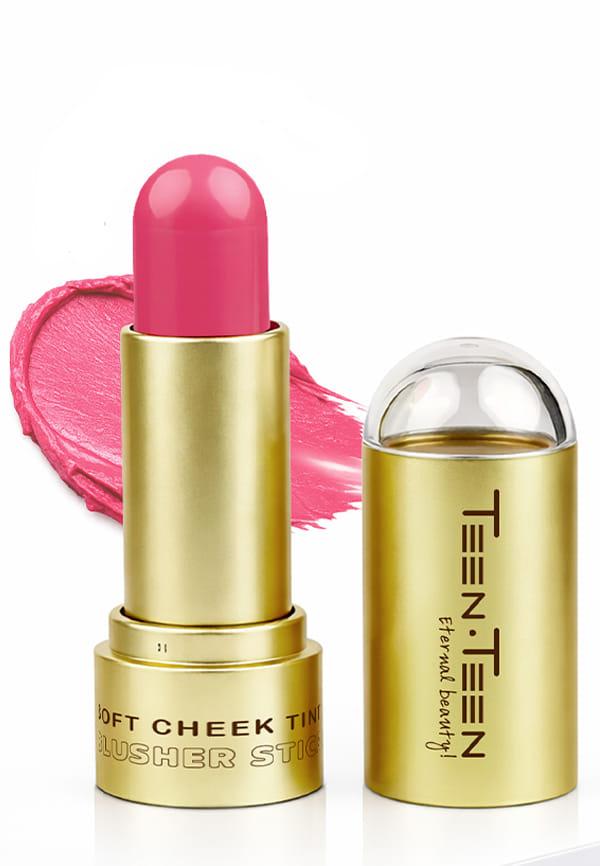
Blusher Stick - Smooth Moisturizing Texture
Some of the best natural skin remedies are sitting in your kitchen right now. These ingredients have been used for centuries and actually work.
Honey is antibacterial and helps heal minor skin issues while providing moisture. Raw honey works best—just apply it as a mask for 15-20 minutes. Aloe vera gel straight from the plant soothes irritation and provides deep hydration. Turmeric mixed with yoghurt creates an anti-inflammatory mask that can calm angry skin. Green tea bags cooled in the fridge make excellent under-eye treatments and can be used as a toner for your whole face.
Try an oatmeal and banana mask for gentle exfoliation and moisture. Mix avocado with honey for dry skin, or combine clay with rose water for oily skin. Use these masks once or twice a week—more isn't necessarily better. Always patch test new ingredients on your inner arm first.
Your daily habits have a massive impact on your skin texture. These glowing skin secrets go beyond what you put on your face.
Your skin repairs itself while you sleep, so aim for 7-9 hours of quality rest. During deep sleep, your body produces growth hormone, which helps repair damaged skin cells. Sleep on a silk or satin pillowcase to reduce friction that can cause texture issues. Keep your bedroom cool and dark for the best sleep quality.
Regular exercise increases blood flow, delivering nutrients to your skin cells and carrying away toxins. Sweating can help clear out pores, but always cleanse gently after working out. Even a 20-minute walk daily can improve your skin's appearance over time.
Chronic stress increases cortisol levels, which can break down collagen and worsen skin texture. Find stress-relief methods that work for you—whether that's meditation, yoga, reading, or spending time in nature. Even five minutes of deep breathing can help reset your stress levels.
Protecting your skin from environmental damage is crucial for maintaining smooth texture long-term.
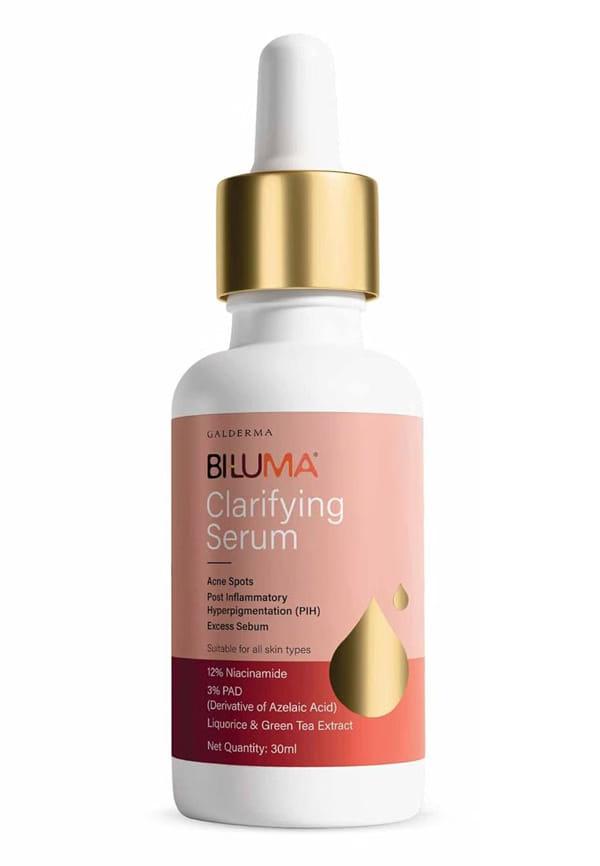
Clarifying Serum
Really Effective!
5“it's really effective. you will definitely see results!”
Really Effective!
5“it's really effective. you will definitely see results!”
Really Effective!
5“it's really effective. you will definitely see results!”
Mineral sunscreens with zinc oxide or titanium dioxide provide excellent protection without chemical irritants. Wear wide-brimmed hats and seek shade during peak sun hours (10 AM to 4 PM). Antioxidant-rich foods and topical vitamin C can provide additional protection from UV damage.
Pollution can clog pores and cause oxidative stress that damages skin texture. Cleanse thoroughly at the end of each day to remove pollutants. Indoor air purifiers can help reduce airborne irritants. Adjust your routine seasonally—use richer moisturisers in winter and lighter formulas in summer. When exploring different products to support your skin texture improvement journey, platforms like Smytten make it easier to discover what works for your unique skin. With trial-sized versions of over 1,500 trusted skincare brands, you can test products before committing to full sizes—perfect for finding your ideal natural skincare routine without the guesswork.
Most people notice some improvement within 2-4 weeks of consistent natural care. Significant changes typically take 6-8 weeks as your skin completes its natural renewal cycle.
Absolutely! Combining gentle exfoliation, proper hydration, a healthy diet, and good lifestyle habits will give you the best results. Just introduce new elements gradually to avoid overwhelming your skin.
Most natural approaches are gentler than chemical treatments, but always patch test new ingredients. Start slowly and pay attention to how your skin responds.
For most skin types, 2-3 times per week is ideal. Sensitive skin might only need once a week, while oily skin can sometimes handle daily gentle exfoliation.
Over-exfoliating is the most common mistake. Being too aggressive can actually worsen texture issues and cause irritation. Gentle, consistent care always wins over harsh treatments.
Improving your skin texture naturally is totally achievable with the right approach and realistic expectations. Focus on gentle exfoliation, proper hydration, a nutrient-rich diet, and consistent skincare habits. Remember that your skin needs time to renew itself—usually about 28 days for a complete cycle. The key is finding what works for your unique skin and sticking with it. These seven methods work best when used together rather than in isolation. Start with one or two changes and gradually build your routine. Your skin will thank you for the gentle, natural approach, and you'll love the smooth, healthy texture that develops over time. The journey to better skin texture isn't about quick fixes—it's about creating sustainable habits that support your skin's natural healing and renewal processes.
