7 Mineral Sunscreen Benefits You Can't Ignore


Let's be real—sunscreen shopping can feel like decoding a chemistry textbook. You've probably stood in the skincare aisle wondering what the difference is between mineral and chemical sunscreens, and why everyone's suddenly obsessed with zinc oxide. If you're curious about what mineral sunscreen actually is and why it might just become your new fave, you're in the right place. We're breaking down everything you need to know about mineral sunscreen benefits, from instant protection to reef-safe formulas that won't harm marine life. Ready to discover why this type of sun protection is worth obsessing over?
Mineral sunscreen is basically your skin's personal bodyguard against UV rays. Unlike chemical sunscreens that absorb into your skin and convert UV radiation into heat, mineral sunscreens work as a physical barrier. Think of it as a tiny shield sitting on top of your skin, reflecting and scattering UV rays before they can cause damage. The magic happens thanks to two key active ingredients: zinc oxide and titanium dioxide. These naturally occurring minerals are what make mineral sunscreen so effective at blocking both UVA and UVB rays. You might also hear mineral sunscreen called physical sunscreen or natural sunscreen—they're all referring to the same thing.
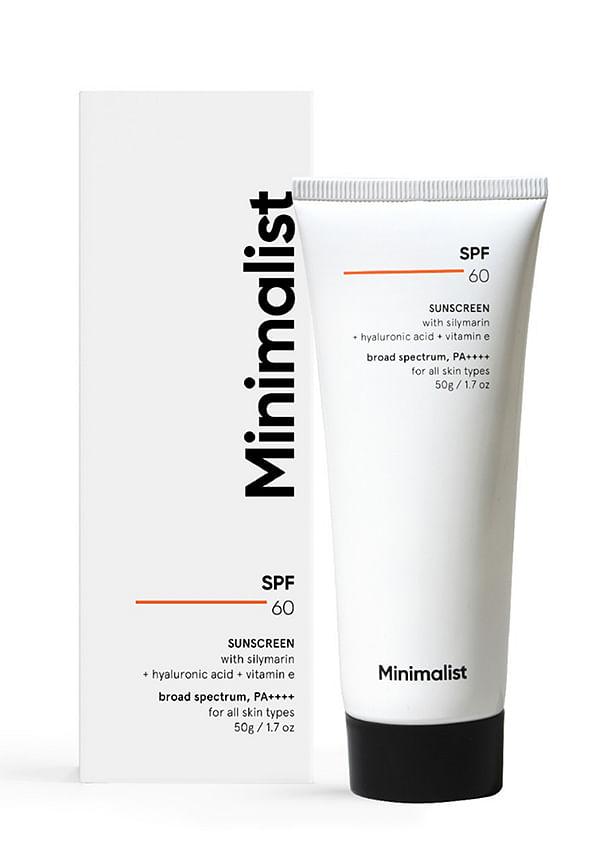
SPF 60 PA ++++ Sunscreen With Antioxidant Silymarin,Senstive Skin & Acne
Here's where things get interesting. When you apply mineral sunscreen, those zinc oxide and titanium dioxide particles create an immediate protective layer on your skin's surface. It's like having millions of tiny mirrors deflecting harmful rays away from your face. Chemical sunscreens, on the other hand, need to penetrate your skin and undergo a chemical reaction to neutralise UV radiation. This difference in how mineral sunscreen works means you get instant protection the moment you apply it—no waiting around for 20-30 minutes like you would with chemical formulas. That white cast you sometimes see? That's actually visual proof that your sunscreen is working properly.
Now for the good stuff—why mineral sunscreen benefits make it worth trying. These seven advantages might just convince you to make the switch from your current formula.
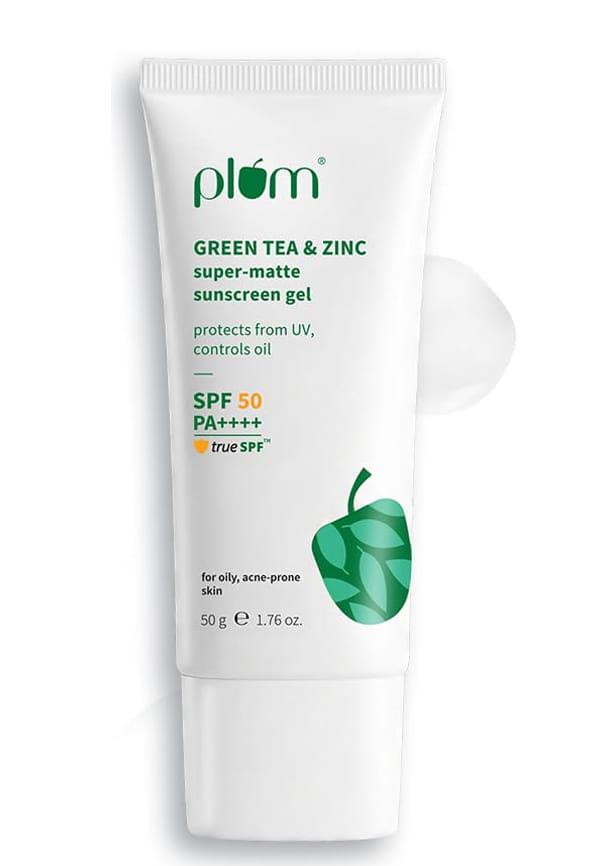
Green Tea & Zinc Super-Matte Sunscreen Gel , SPF 50 PA ++++ For Oily Skin
This is probably the biggest game-changer about mineral sunscreen. The moment you smooth it onto your skin, you're protected. No need to set a timer or avoid the sun for half an hour whilst your sunscreen "activates." This makes it perfect for those spontaneous beach trips or when you realise you've forgotten to apply sunscreen before heading out. Chemical sunscreens need time to absorb and start their UV-filtering process, but zinc oxide sunscreen and titanium dioxide sunscreen work immediately. It's like having an instant umbrella for your face.
If you've got sensitive skin or struggle with breakouts, mineral sunscreen for face might be your new best friend. Because these formulas sit on top of your skin rather than penetrating it, they're much less likely to cause irritation or clog pores. Dermatologists often recommend sunscreen for sensitive skin types because the ingredients are generally well-tolerated. Plus, many mineral formulas are non-comedogenic, meaning they won't contribute to acne or blackheads.

Barrier Repair Sunscreen, In-Vivo Tested SPF 50+ PA++++
Here's something your marine biology teacher probably didn't mention: certain chemical sunscreen ingredients can harm coral reefs and marine ecosystems. Reef safe sunscreen has become increasingly important as we learn more about environmental impact. Mineral sunscreens with zinc oxide and titanium dioxide are considered much safer for ocean life. When you choose natural sunscreen options, you're protecting both your skin and the underwater world. It's a win-win that feels pretty good.
Zinc oxide is particularly brilliant at providing broad-spectrum protection against both UVA and UVB rays. UVB rays cause sunburn, whilst UVA rays penetrate deeper and contribute to premature ageing and skin damage. Titanium dioxide sunscreen is also excellent at blocking UV rays, though zinc oxide tends to offer slightly broader coverage. Together, these minerals create a comprehensive shield against sun damage.
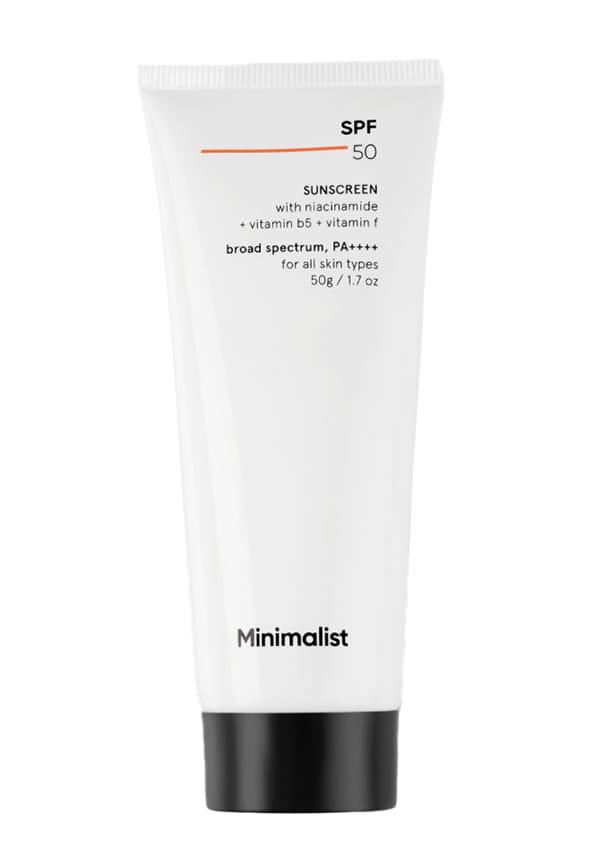
SPF 50 PA ++++ Sunscreen With Multi-Vitamin For Reducing Photoaging
One of the lesser-known mineral sunscreen benefits is photostability. This fancy term means the active ingredients don't break down when exposed to sunlight. Chemical sunscreens can become less effective over time as their ingredients degrade in UV light. Mineral formulas maintain their protective properties throughout the day, though you should still reapply every two hours as recommended. The consistent protection gives you more reliable coverage during long days outdoors.
That white cast everyone complains about? It's actually quite helpful. The slight tint lets you see exactly where you've applied sunscreen and whether you've achieved even coverage. Think of it as a built-in application guide. Many modern formulations now come in tinted versions that blend better with different skin tones, so you can get the visual benefits without looking ghostly.
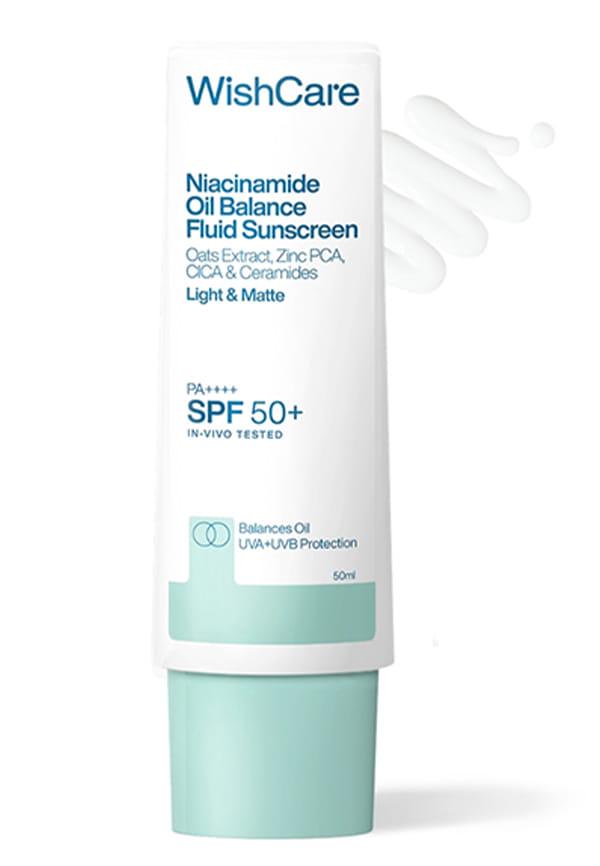
WishCare Niacinamide Oil Balance Sunscreen SPF 50 PA++++ - In-Vivo Tested
Paediatric dermatologists often recommend mineral sunscreens for children because they're gentler and less likely to cause reactions. The same goes for pregnancy—mineral formulas don't contain potentially hormone-disrupting chemicals that some people prefer to avoid. This makes the best mineral sunscreen options truly family-friendly. One formula can work for everyone from babies to grandparents.
So how do you decide between mineral vs chemical sunscreen? Both have their place, but understanding the differences helps you make the right choice for your lifestyle and skin type. Mineral sunscreens excel in immediate protection, gentleness, and environmental safety. They're ideal if you have sensitive skin, spend lots of time in water, or prefer natural skincare ingredients. The trade-off might be a slightly thicker texture or visible residue, though modern formulations have improved significantly. Chemical sunscreens tend to be lighter in texture and blend invisibly into skin. They're great for daily wear under makeup or if you prefer a completely clear finish. However, they require advance application and may not suit everyone's skin.
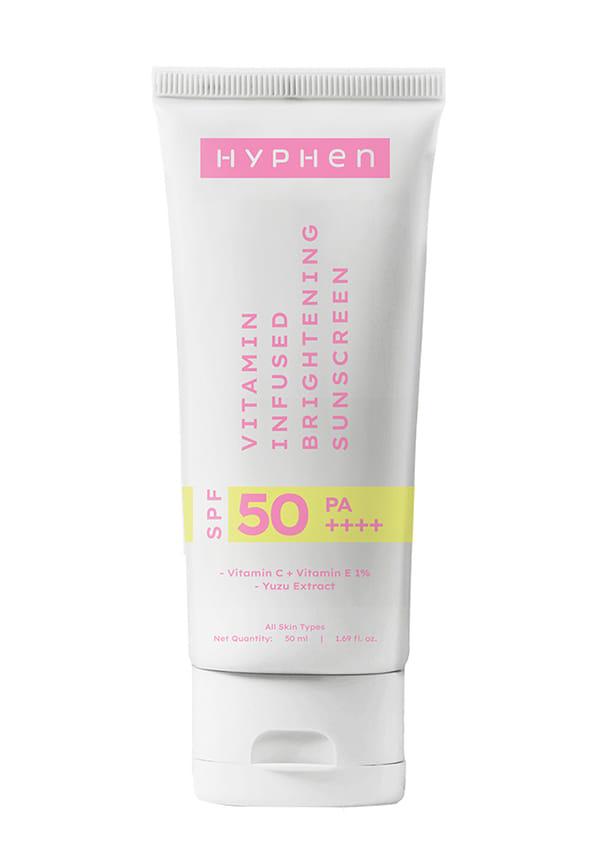
Vitamin Infused Brightening Sunscreen SPF 50 PA++++ | For Brightened Skin
Not all mineral sunscreens are created equal, and finding your perfect match depends on your specific needs and preferences.
Look for formulas with zinc oxide as the primary active ingredient, ideally in concentrations of 10-25%. Avoid added fragrances, essential oils, or other potential irritants. Hypoallergenic formulations are your friend here.
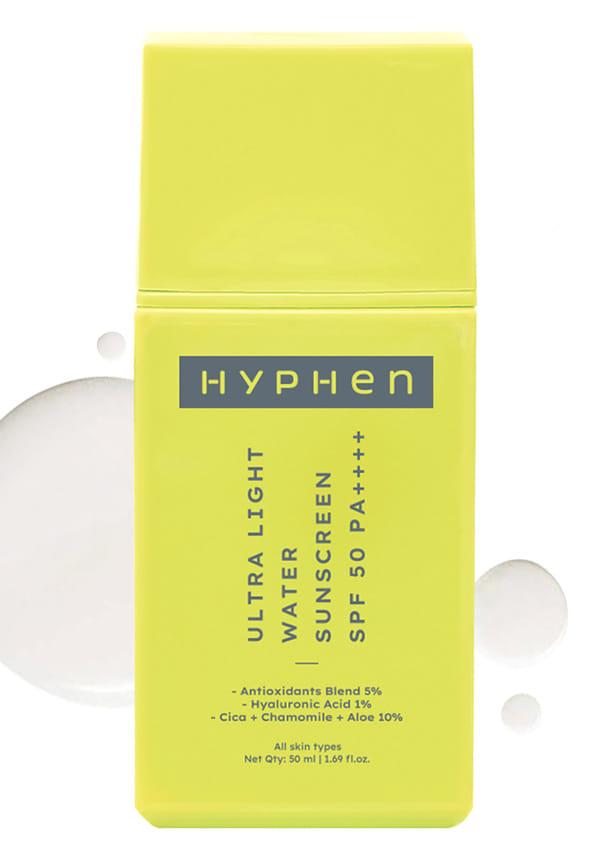
Ultra Light Water Sunscreen SPF 50 PA++++
Seek out lightweight, fast-absorbing formulas that play well with makeup. Tinted mineral sunscreens can provide light coverage whilst eliminating white cast concerns. Some formulas even include skincare benefits like hydration or antioxidants.
Water-resistant formulations are essential if you swim, surf, or sweat heavily. Look for sport-specific mineral sunscreens that won't sting your eyes or slide off during activities.
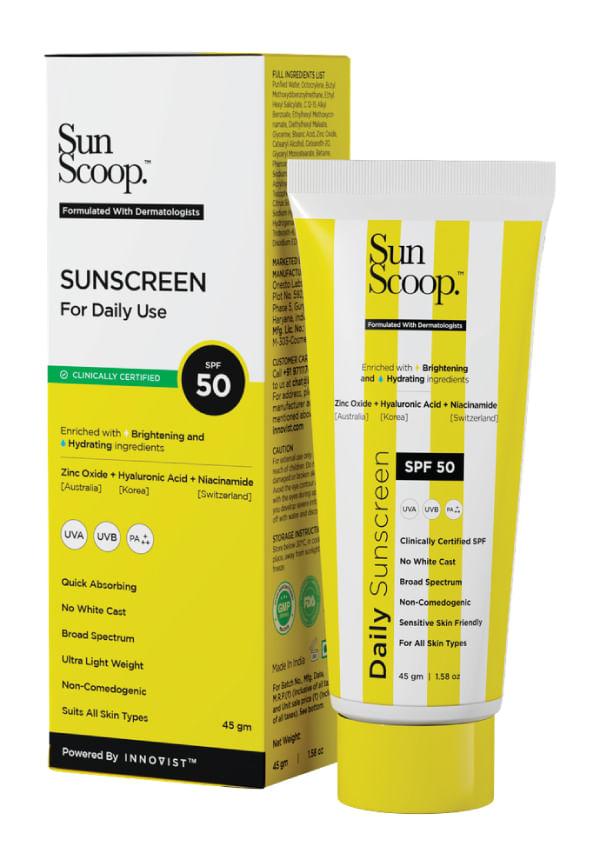
Daily SPF 50 Sunscreen Cream | UV Filter Zinc Oxide
Let's tackle the elephant in the room—or rather, the white cast on your face. Modern mineral sunscreen technology has come a long way in addressing traditional concerns.
Tinted formulations now come in multiple shades to match different skin tones. Proper application technique also helps—use smaller amounts and blend thoroughly rather than applying one thick layer. Some brands use micronised particles that create less visible residue whilst maintaining protection.
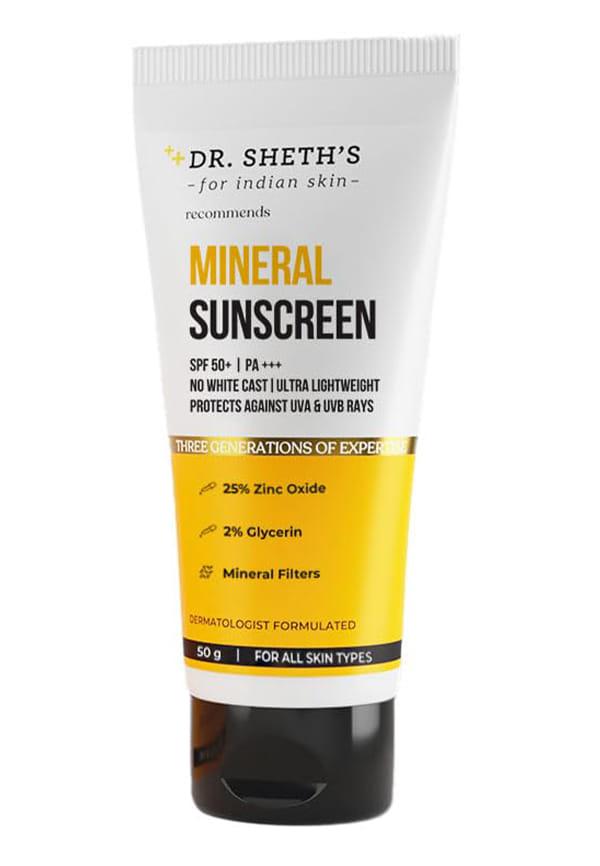
Mineral Sunscreen
Today's mineral sunscreens often include silicones and other ingredients that improve spreadability and finish. Apply to slightly damp skin for easier blending, and don't forget to let each layer set before adding makeup or additional products.
Getting the most from your mineral sunscreen is all about proper application. Use about a quarter teaspoon for your face and neck—most people apply far too little. Reapply every two hours, or immediately after swimming or heavy sweating. When layering with other skincare products, apply mineral sunscreen last in your routine but before makeup. Store your sunscreen in a cool, dry place and replace it annually or according to the expiry date. For those exploring new skincare options, platforms like Smytten make it easier to try different mineral sunscreen formulas without committing to full-size products. With trial packs available from trusted brands, you can discover what works best for your skin before making a larger investment.
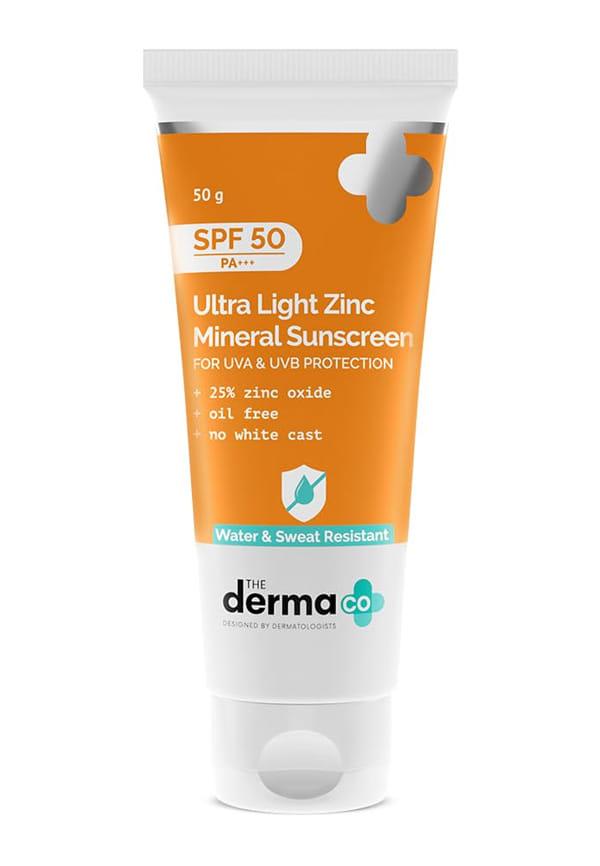
Ultra Light Zinc Mineral Sunscreen with SPF 50 PA+++
It depends on your skin type and preferences. Mineral sunscreen is generally better for sensitive skin and provides immediate protection, whilst chemical sunscreen often has a lighter texture and invisible finish.
Mineral sunscreen contains zinc oxide and/or titanium dioxide as active ingredients, along with various inactive ingredients like moisturisers, emulsifiers, and sometimes tinting agents.
Many dermatologists recommend mineral sunscreen, especially for sensitive skin, children, and those with certain skin conditions. The gentle, non-irritating formula makes it suitable for most skin types.
Potential drawbacks include white cast on darker skin tones, thicker texture that may be harder to blend, and sometimes higher cost compared to chemical alternatives.
Mineral sunscreens with zinc oxide provide excellent broad-spectrum protection that can help prevent further hyperpigmentation. Look for formulas with additional ingredients like niacinamide or vitamin C.
Mineral sunscreen benefits extend far beyond basic sun protection. From instant coverage to environmental friendliness, these formulas offer compelling advantages that make them worth trying. Whether you're dealing with sensitive skin, want reef-safe protection, or simply prefer natural ingredients, mineral sunscreen could be your next skincare obsession. The key is finding the right formula for your specific needs and skin type. With so many improved formulations available, the days of chalky, impossible-to-blend mineral sunscreens are largely behind us. Modern options offer effective protection without sacrificing wearability or aesthetics. Remember, the best sunscreen is the one you'll actually use consistently. If mineral sunscreen ticks your boxes for protection, gentleness, and environmental consciousness, it might just become your new daily essential. After all, why settle for maybe when you can find exactly what works for your skin?
