7 Lifestyle Changes to Combat Acne Triggers Now

Anti-Acne Solution Combo
Effective for oily, acne-prone skin
 5
5“Very effective for oily andacne prone skin”
Let's be real—acne isn't just a teenage phase that magically disappears. Whether you're dealing with stubborn adult breakouts or helping a teen navigate their skin journey, understanding acne causes lifestyle changes can be a total game-changer. While genetics play a role, your daily habits might be the secret culprit behind those unexpected breakouts. From what you eat to how you manage stress, small tweaks in your routine could be the difference between clear skin and constant frustration. Ready to discover which lifestyle shifts actually work?
Before diving into solutions, it's worth understanding why acne triggers are so closely linked to how we live. Your skin is basically a mirror reflecting what's happening inside your body, and when certain lifestyle factors throw things off balance, breakouts often follow.
Acne happens when three things collide: excess oil production, dead skin cells clogging pores, and bacteria having a field day. Your oil glands get overstimulated—often by hormones—and start pumping out more sebum than your skin can handle. Meanwhile, dead skin cells that should naturally shed get sticky and block your pores. Add some bacteria to this mix, and you've got the perfect storm for inflammation and breakouts.
Here's the thing about most acne treatments—they focus on what's happening on your skin's surface rather than addressing the root causes. While topical treatments can help manage symptoms, they often miss the bigger picture. The most effective approach to acne prevention tackles the problem from the inside out, addressing the lifestyle factors that trigger breakouts in the first place.
The connection between diet and acne isn't just internet folklore—there's solid science backing it up. What you eat directly impacts your hormone levels, inflammation, and how much oil your skin produces. Making strategic changes to your diet could be one of the most powerful tools in your acne-fighting arsenal.
High-glycemic foods like white bread, sugary snacks, and processed cereals cause rapid spikes in blood sugar. This triggers your body to produce more insulin, which can stimulate oil production and worsen breakouts. Dairy products, particularly milk, contain hormones that can disrupt your body's natural balance and trigger hormonal acne.
Processed foods loaded with refined sugars and unhealthy fats promote inflammation throughout your body, including your skin. These foods also lack the nutrients your skin needs to repair and regenerate properly.
Focus on foods rich in omega-3 fatty acids like salmon, walnuts, and flaxseeds—they're natural inflammation fighters. Load up on colourful fruits and vegetables packed with antioxidants that help protect your skin from damage. Foods high in zinc (pumpkin seeds, chickpeas) and vitamin A (sweet potatoes, spinach) support healthy skin cell turnover and oil regulation.
Start your day with protein-rich breakfasts to keep blood sugar stable. Think Greek yoghurt with berries or eggs with avocado. Stay hydrated with at least 8 glasses of water daily—proper hydration helps your skin flush out toxins and maintain its natural barrier function.
If you've noticed breakouts appearing right before big presentations or during exam season, you're not imagining things. Stress acne is absolutely real, and chronic stress can turn occasional breakouts into persistent skin issues. Understanding this connection is crucial for anyone dealing with adult acne causes.
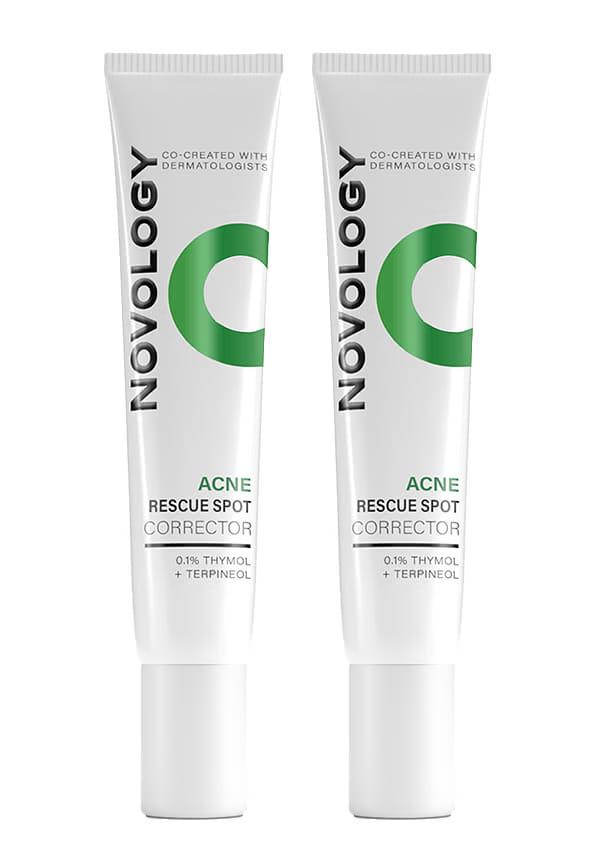
Acne Spot Corrector,For Acne Prone Skin - Pack of 2
Positive for acne
5“very nice product I have acne problesm”
When you're stressed, your body pumps out cortisol—your primary stress hormone. Elevated cortisol levels signal your oil glands to go into overdrive, producing excess sebum that clogs pores. Stress also weakens your immune system, making it harder for your skin to fight off acne-causing bacteria. For adults juggling work, relationships, and life pressures, this creates a perfect storm for persistent breakouts.
Mindfulness meditation for just 10 minutes daily can significantly reduce cortisol levels. Apps like Headspace or simple breathing exercises work wonders. Regular exercise helps metabolise stress hormones, but choose activities that don't involve excessive sweating on your face—think yoga, walking, or swimming.
Prioritise sleep hygiene by creating a consistent bedtime routine. Aim for 7-9 hours of quality sleep, as this is when your skin repairs itself and stress hormones naturally reset.
Poor sleep doesn't just leave you feeling groggy—it can seriously mess with your skin. Sleep deprivation is one of the overlooked adult acne causes that can turn clear skin into a breakout battlefield. Your skin does most of its repair work while you sleep, so skimping on rest means skimping on healing.
During deep sleep, your body releases growth hormone, which helps repair damaged skin cells and regulate oil production. When you don't get enough quality sleep, this repair process gets disrupted. Sleep deprivation also increases cortisol production, creating the same stress-acne cycle we discussed earlier. Additionally, poor sleep weakens your immune system, making your skin more susceptible to bacterial infections and inflammation.
Change your pillowcases every 2-3 days—they collect oil, bacteria, and dead skin cells that can transfer back to your face. Choose silk or bamboo pillowcases, which are gentler on skin and less likely to cause friction. Keep your bedroom cool and well-ventilated to prevent excess sweating, which can clog pores.
Maintain consistent sleep and wake times, even on weekends. This helps regulate your circadian rhythm and keeps hormone production stable.
Exercise is brilliant for your overall health and can actually help with acne prevention—when done right. Regular physical activity improves circulation, helps manage stress hormones, and supports healthy skin function. However, certain workout habits can backfire and trigger breakouts, especially for those dealing with teen acne or exercise-induced breakouts.
Physical activity increases blood flow, delivering oxygen and nutrients to skin cells while helping flush out toxins through improved circulation. Exercise is also one of the most effective ways to manage stress hormones like cortisol, which directly impact oil production. Regular movement helps regulate blood sugar levels and improves insulin sensitivity, reducing one of the key triggers for hormonal breakouts.
Always cleanse your face before working out to remove makeup, sunscreen, or accumulated oils that could mix with sweat and clog pores. Choose breathable, moisture-wicking fabrics and avoid touching your face during workouts. Shower immediately after exercising—waiting too long allows sweat and bacteria to settle into pores.
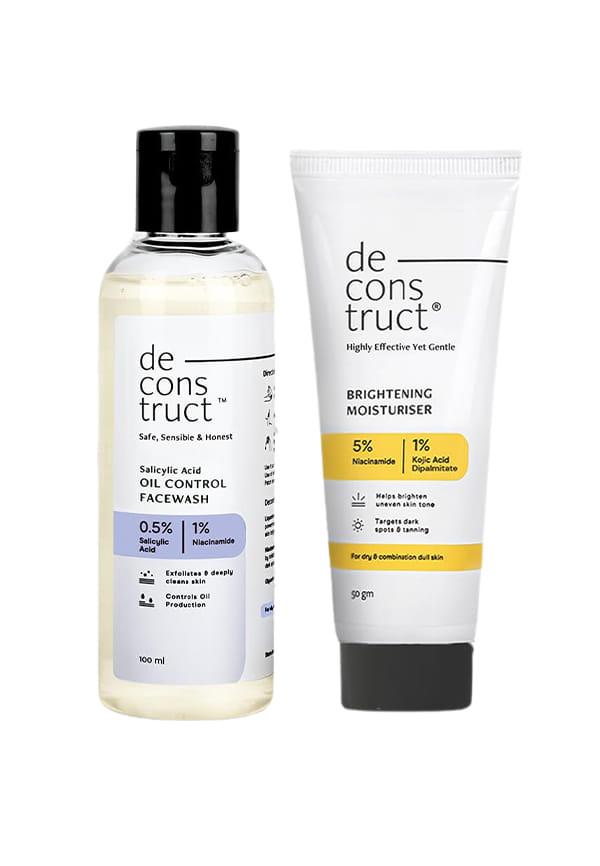
Anti-Acne & Brightening Duo
Effective Moisturizer
5“facewash is good..but moisturizer is really good as it works for uneven skin tone .”
Excellent Products
5“these products are do good i like them face wash and cream both are good”
Great Skincare Combo
4“perfect combo for skin care must try”
If you're prone to body acne, change out of sweaty clothes quickly and consider using a gentle body wash with salicylic acid.
Having the right skincare routine for acne isn't about using the most expensive products—it's about consistency and choosing ingredients that actually work for your skin type. Many people unknowingly sabotage their skin by either doing too much or too little, so finding that sweet spot is key.
Start with a gentle, non-stripping cleanser used twice daily. Look for ingredients like salicylic acid or benzoyl peroxide, but introduce them gradually to avoid irritation. Follow with a lightweight, non-comedogenic moisturiser—yes, even oily skin needs hydration. Skipping moisturiser can actually trigger more oil production as your skin tries to compensate for dryness.
Incorporate targeted treatments like retinoids or niacinamide, but start slowly and build tolerance. Always finish your morning routine with broad-spectrum SPF, as many acne treatments increase sun sensitivity.
Over-cleansing or using harsh scrubs can damage your skin barrier, leading to increased sensitivity and more breakouts. Inconsistent product use won't give treatments time to work—most acne products need 6-12 weeks to show results. Mixing too many active ingredients can cause irritation and actually worsen acne.
This is where platforms like Smytten become invaluable for acne-prone skin. Instead of committing to full-size products that might not work for your skin, you can try mini versions from trusted brands like Cetaphil and Dot & Key. With over 1,500 brands available, you can experiment with different formulations to find what actually works for your unique skin needs—all without the financial risk of buying products that might end up gathering dust in your bathroom cabinet.
Your environment plays a bigger role in acne triggers than you might realise. From the air you breathe to the surfaces you touch, environmental factors can either support clear skin or contribute to persistent breakouts. Being aware of these hidden triggers helps you make smarter choices about your surroundings.
Air pollution doesn't just affect your lungs—it settles on your skin, mixing with natural oils to clog pores and trigger inflammation. High humidity environments can increase bacterial growth on your skin, while very dry air can cause your skin to overproduce oil to compensate. Even blue light from screens can contribute to skin inflammation and disrupt your circadian rhythm, affecting hormone balance.
Consider using an air purifier in your bedroom to reduce airborne pollutants and allergens. Clean your phone screen daily with antibacterial wipes—your mobile collects bacteria throughout the day and transfers it directly to your face during calls. Adjust your skincare routine seasonally: lighter products in humid weather, more hydrating formulas when it's dry.
Limit screen time before bed and use blue light filters on devices to support better sleep and hormone regulation.
The most effective approach to acne prevention isn't about quick fixes—it's about building sustainable habits that support clear skin long-term. This means creating routines you can actually stick to and understanding that consistency trumps perfection every time.
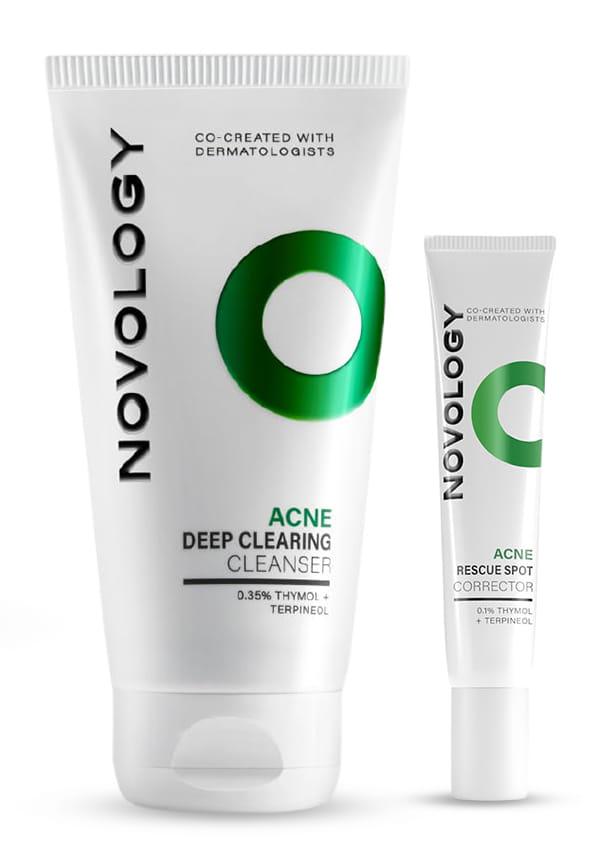
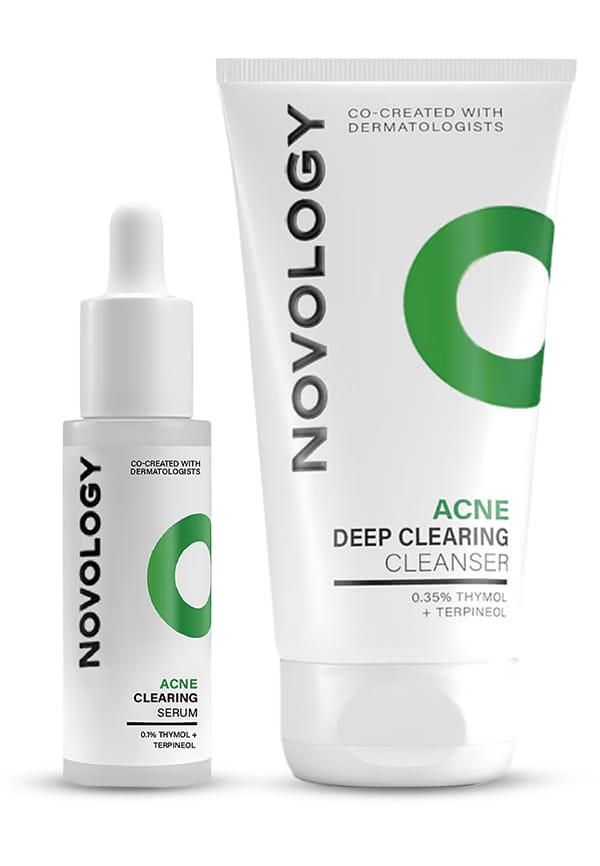
Acne Control Duo
Liked Cleanser, Trying Corrector
4“I really like the cleanser I have used it's trial pack before. Now I will use the acne corrector as well. I hope I will get the desired results.”
Good for acne
5“acne girls loving this product”
Effective Acne Treatment
5“very good product I reduced my acne”
Start small and build gradually. Rather than overhauling your entire lifestyle overnight, pick one or two changes and master them before adding more. Keep a simple skin diary to track what you eat, stress levels, sleep quality, and breakout patterns—this helps identify your personal triggers. Remember that most lifestyle changes take 6-12 weeks to show visible results, so patience is crucial.
The impact of acne extends far beyond physical symptoms—it can affect confidence, social interactions, and mental health. Building a support network of friends, family, or online communities who understand your journey makes a huge difference. Focus on progress, not perfection, and celebrate small wins along the way.
Don't hesitate to seek professional help if acne is significantly impacting your quality of life. Dermatologists can provide targeted treatments that work alongside your lifestyle changes for optimal results.
Most people start noticing improvements in 6-12 weeks of consistent lifestyle changes. However, some changes like better sleep and stress management can show benefits within a few weeks, while dietary changes might take longer to reflect in your skin.
Absolutely. Stress increases cortisol production, which stimulates oil glands and can worsen existing acne. Stress also weakens your immune system, making it harder for your skin to fight off bacteria and heal from breakouts.
Focus on reducing high-glycemic foods like white bread, sugary snacks, and processed foods. Many people also find that dairy products can trigger breakouts, though this varies from person to person. Keep a food diary to identify your personal triggers.
Adult acne is often more influenced by hormonal fluctuations, stress, and lifestyle factors compared to teen acne, which is primarily driven by puberty hormones. Adult acne also tends to appear more on the lower face and jawline, while teen acne commonly affects the T-zone.
Give any new routine at least 6-8 weeks before judging results. Look for gradual improvements like fewer new breakouts, faster healing of existing spots, and overall skin texture improvements. If you're seeing increased irritation or more breakouts after 2-3 weeks, the products might not be right for your skin.
Managing acne through lifestyle and acne connections isn't about perfection—it's about making informed choices that support your skin's natural healing processes. From adjusting your diet to managing stress and creating consistent routines, small changes can lead to significant improvements in your skin's health and appearance.
Remember, finding the right products is just as important as lifestyle changes. Smytten's trial platform lets you explore skincare solutions from over 1,500 trusted brands without the commitment of full-size purchases. With mini-sized products available for just ₹249 and 100% cashback on trials, you can experiment with different formulations to find what works best for your unique skin needs. After all, why settle for 'maybe' when you can try it all and discover what truly works for your skin?
