7 Key Ingredients for the Best Moisturizer Ever


Let's be real—finding what makes a good moisturiser can feel like searching for a needle in a haystack. With endless options promising everything from "24-hour hydration" to "miracle skin transformation," it's easy to get lost in the marketing noise. But here's the thing: the best moisturiser isn't about fancy packaging or bold claims. It's about understanding the science behind moisturiser ingredients and how they work together to give your skin exactly what it needs. Whether you're dealing with dry patches, oily T-zones, or that tricky combination skin, knowing these seven key ingredients will help you decode any product label and find your perfect match. Ready to become your own skincare detective?
Your skin is basically a brilliant biological barrier that's constantly working to keep moisture in and irritants out. But sometimes it needs a little backup. That's where understanding what makes a good moisturiser becomes crucial. The magic happens through three main mechanisms: humectants that draw water to your skin, emollients that smooth and soften, and occlusives that seal everything in. Think of your skin barrier like a brick wall—the "bricks" are your skin cells, and the "mortar" is made up of lipids and proteins. When this barrier gets compromised (hello, harsh weather, over-cleansing, or just life in general), trans-epidermal water loss increases. This fancy term basically means your skin is losing moisture faster than it can replace it, leading to dryness, irritation, and that tight feeling we all know too well. The moisturiser benefits go way beyond just feeling comfortable. Proper skin hydration helps maintain your skin's natural pH, supports its ability to repair itself, and even helps other skincare products work better. Plus, here's a pro tip: applying moisturiser within three minutes of washing (when your skin is still slightly damp) can boost its effectiveness by up to 10 times.
Now for the good stuff—the moisturiser ingredients that actually make a difference. These seven powerhouses are what separate the best moisturiser formulas from the mediocre ones. Each plays a specific role in creating that perfect hydrating skincare experience your skin craves.
This ingredient is basically the overachiever of the skincare world. Hyaluronic acid can hold up to 1,000 times its weight in water, making it a superstar for skin hydration. It works by drawing moisture from the environment and deeper layers of your skin to the surface, creating that plump, dewy look everyone's after.
Glycerin might not sound as glamorous as some newer ingredients, but it's been delivering results for decades. This humectant pulls moisture from the air and helps your skin retain it. It's gentle enough for sensitive skin and works well in both face moisturiser and body moisturiser formulas.
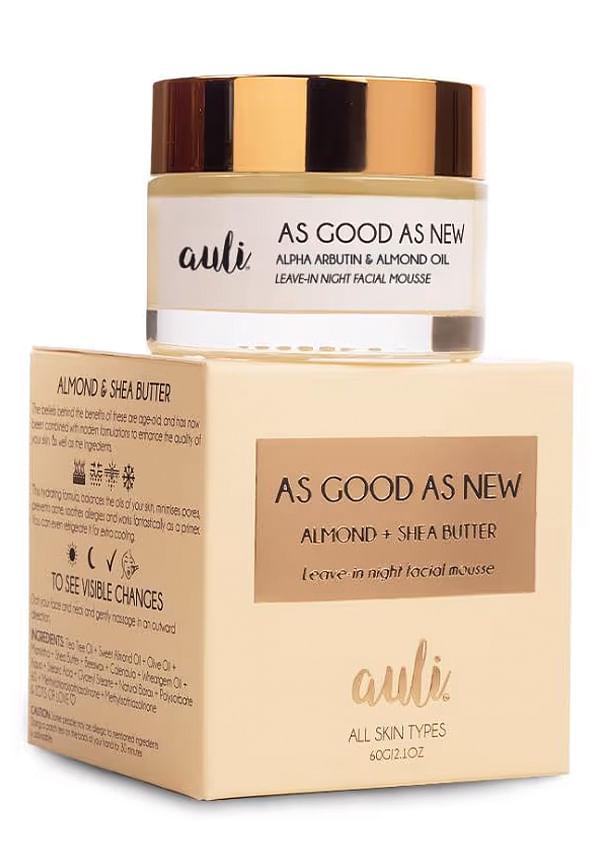
Auli As Good As New Anti-Ageing Night Cream with Almond Oil and Shea Butter for Face - 60 gm
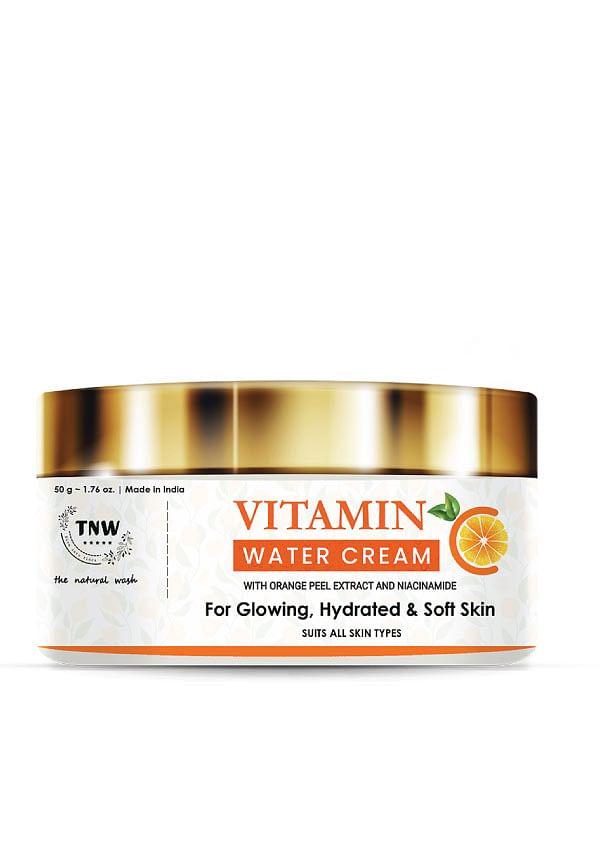
Vitamin C Water Cream For Hydrated Skin
These lipid molecules are naturally found in your skin, making up about 50% of your skin barrier. When you use products with ceramides, you're essentially giving your skin the building blocks it needs to repair and strengthen itself. They're particularly brilliant for dry skin remedies and anyone dealing with sensitivity.
Also known as vitamin B3, niacinamide doesn't just hydrate—it helps regulate oil production, reduces inflammation, and strengthens your skin barrier. It's one of those ingredients that works well for pretty much everyone, making it a safe bet for your skincare routine.
Derived from plants (usually olives), squalane mimics your skin's natural oils without feeling heavy or greasy. It's perfect for those who want hydration without the weight, making it ideal for oily or combination skin types.
Rich in vitamins A and E, shea butter provides deep nourishment while helping to soothe irritated skin. It's particularly effective in thicker formulations designed for very dry skin or as a body moisturiser for areas that need extra TLC.
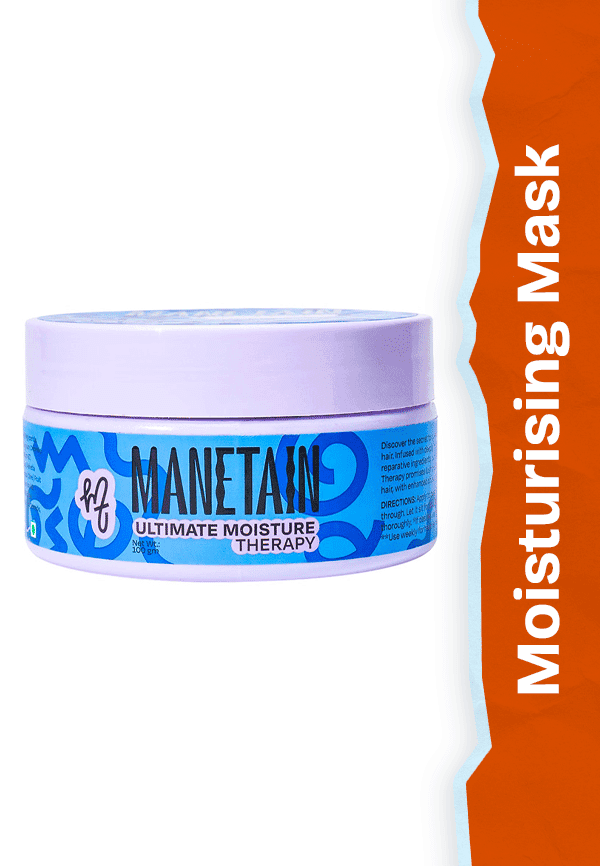
Ultimate Moisture Therapy For Deep Hydration
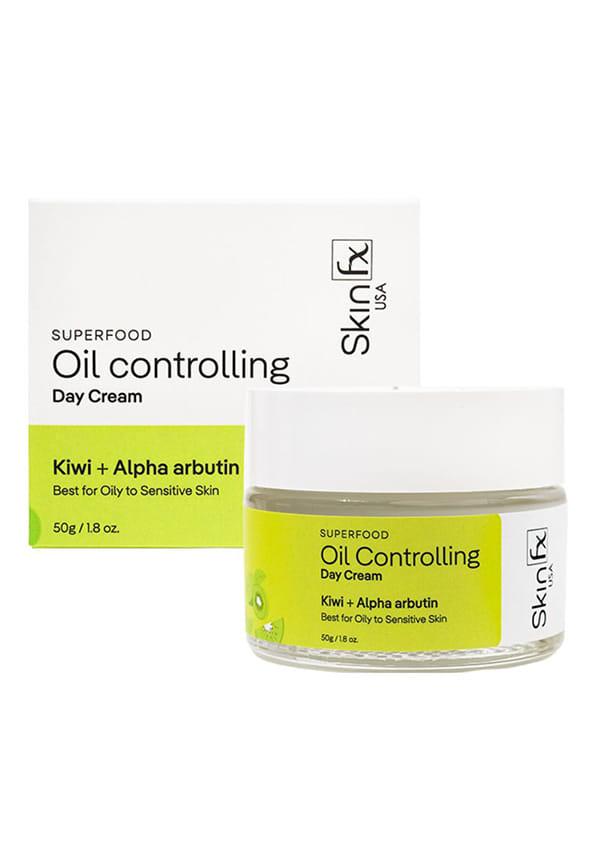
Superfood Oil controlling Day cream, Best Moisturiser
Before you wrinkle your nose, hear us out. Petrolatum (yes, petroleum jelly) is one of the most effective occlusive ingredients available, reducing water loss by up to 98%. Modern formulations use refined versions that feel much lighter than the thick stuff you remember from childhood.
Understanding types of moisturizers is crucial because what works for your best mate might leave your skin feeling like an oil slick or tight as a drum. Your skin type determines which ingredients should take centre stage and which textures will feel most comfortable.
If your skin feels tight, flaky, or easily irritated, look for thick, cream-based formulations packed with ceramides and hyaluronic acid. Fragrance-free options are your friend here, and ingredients like niacinamide can help calm any redness or sensitivity.
Contrary to popular belief, oily skin still needs moisture—it just needs the right kind. Gel-based or water-based formulas with hyaluronic acid provide hydration without adding excess oil. Look for "non-comedogenic" on the label, which means it won't clog your pores.
This tricky skin type often needs a strategic approach. Light lotions work well overall, but you might need to adjust your application—less product on your T-zone, more on your cheeks. Some people even use different products for different areas of their face.
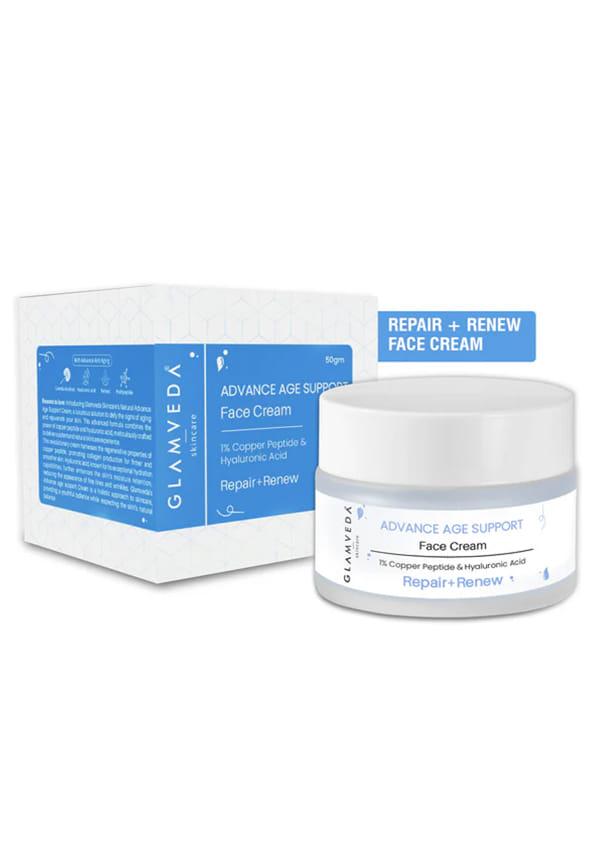
1% Copper Peptide & Hyaluronic Acid Face Cream
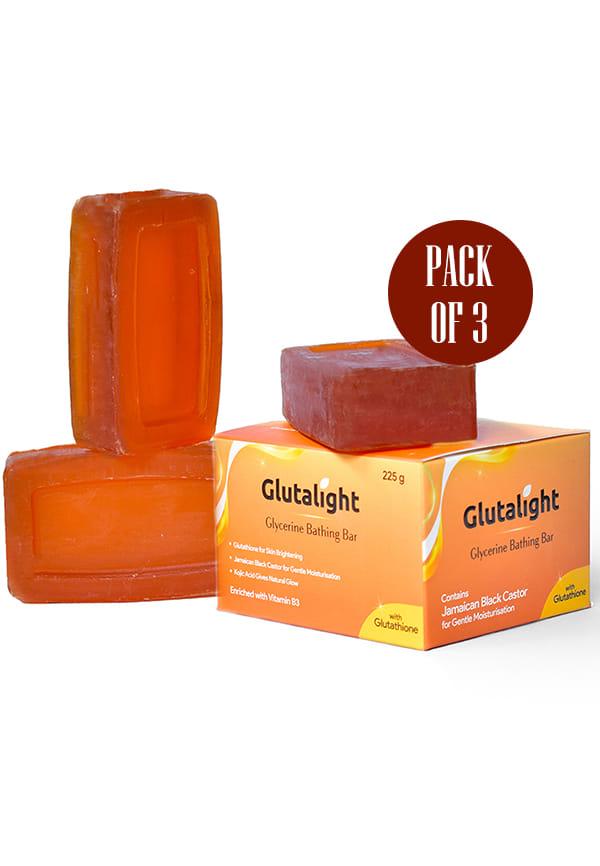
Glutalight Glycerin Soap with Black Castor Kojic Acid
While the basic principles of hydration remain the same, face moisturiser and body moisturiser are formulated differently for good reason. Your facial skin is more delicate and prone to sensitivity, so face products typically contain gentler ingredients in more refined formulations. Body moisturiser formulas are designed to cover larger surface areas efficiently. They often contain higher concentrations of emollients and occlusives since body skin is generally thicker and less reactive. The texture is usually richer to provide lasting hydration for areas that don't get as much daily attention as your face. Application technique matters too. For your face, gentle upward strokes work best, while body application can be more vigorous to help with circulation. And here's something many people don't realise: your neck and décolletage deserve the same gentle treatment as your face, so extend your face moisturiser down to these areas.
Not all moisturiser ingredients are created equal. Some can actually work against your hydration goals or cause irritation. Denatured alcohol (often listed as "alcohol denat") can be particularly drying, stripping away your skin's natural oils faster than the moisturiser can replace them. Strong fragrances might smell lovely, but they're one of the most common causes of skin irritation. If you love scented products, look for those with naturally derived fragrances or essential oils, and always patch test first. For acne-prone skin, avoid heavy oils like coconut oil or cocoa butter in facial products—they can clog pores and trigger breakouts. Sulfates and parabens aren't necessarily harmful for everyone, but if you have sensitive skin or prefer cleaner formulations, there are plenty of effective alternatives available.
Your moisturiser doesn't work in isolation—it's part of a complete skincare routine that should adapt to your needs throughout the day and across seasons. Morning routines call for lighter formulations that play well with SPF (never skip the sunscreen!), while evening routines can handle richer, more reparative formulas. Layering is key to maximising moisturiser benefits. Apply serums first (thinnest to thickest consistency), then your moisturiser, and finish with SPF during the day. This creates multiple layers of hydrating skincare that work together to keep your skin comfortable and protected. Seasonal adjustments are crucial too. Your skin's needs change with the weather—you might need richer formulations in winter and lighter ones in summer. Pay attention to how your skin feels and don't be afraid to switch things up. This is where platforms like Smytten become incredibly valuable. With access to trial-sized products from over 1,500 trusted brands, you can experiment with different formulations without committing to full-size purchases. Whether you're testing a new face moisturiser from Cetaphil or trying a hydrating skincare product from Dot & Key, you can discover what works for your skin through affordable trial packs.
Look for oil-free, non-comedogenic formulations with gel or water-based textures. Ingredients like hyaluronic acid provide hydration without adding excess oil, while niacinamide helps regulate sebum production.
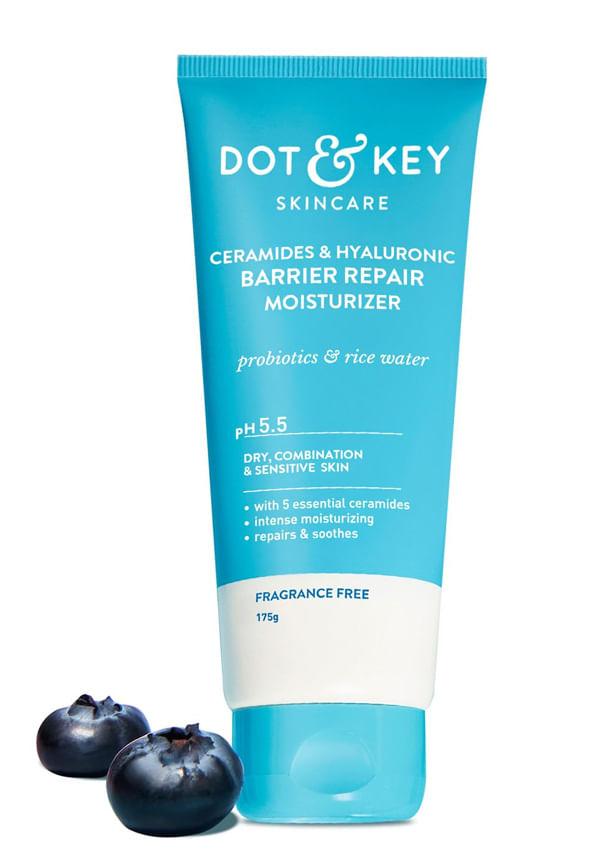
Ceramides & Hyaluronic Barrier Repair Moisturizer
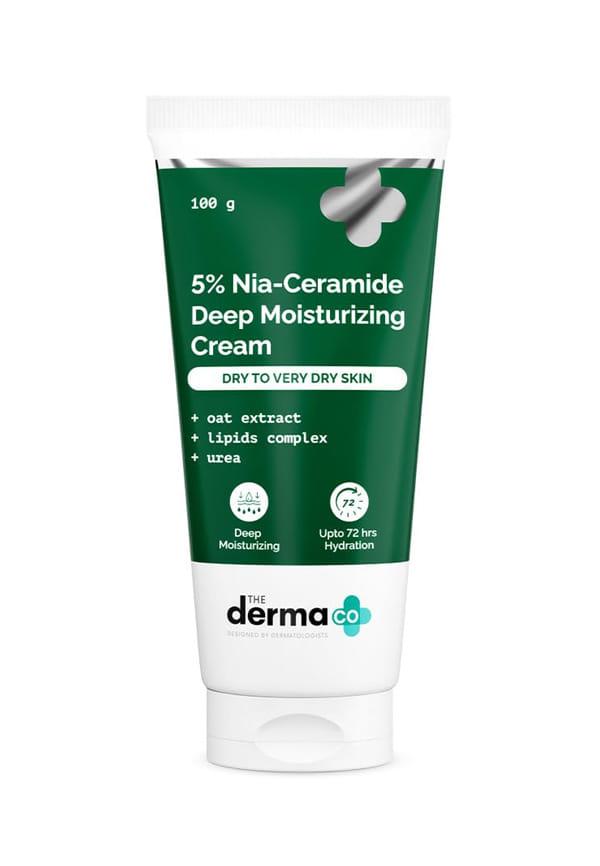
5% Nia-Ceramide Deep Moisturizing Cream
Rich emollients like shea butter and ceramides are essential, along with occlusive ingredients to prevent water loss. Thick, creamy textures provide the intensive hydration that dry skin craves.
Consider your skin type, any specific concerns (like sensitivity or acne), and look for non-comedogenic formulations. Starting with fragrance-free options reduces the risk of irritation while you figure out what works.
Absolutely! Proper hydration actually helps regulate oil production and supports your skin barrier. Choose lightweight, non-comedogenic formulas that won't clog pores.
It's not essential, but it can be beneficial. Daytime formulas are typically lighter and may include SPF, while nighttime products can be richer and focus on repair and regeneration.
Twice daily is the gold standard—once in the morning and once at night. However, listen to your skin; some people need to reapply during the day, especially in harsh weather conditions.
Understanding what makes a good moisturiser isn't about memorising a complicated ingredient list—it's about knowing what your skin needs and finding formulations that deliver. The seven key ingredients we've covered form the foundation of effective hydration, but the best moisturiser for you is the one that feels comfortable, addresses your specific concerns, and fits seamlessly into your daily routine. Remember, skincare is deeply personal. What works brilliantly for your friend might not suit your skin at all, and that's completely normal. The key is to experiment thoughtfully, pay attention to how your skin responds, and don't be afraid to adjust your routine as your needs change. With Smytten's trial platform, you can explore different moisturiser ingredients and formulations from trusted brands without the commitment of full-size purchases. From gentle options for sensitive skin to innovative formulas for specific concerns, you can build a skincare routine that truly works for you. After all, why settle for 'maybe' when you can try it all and find your perfect match?
