7 Hydrating Skincare Hacks for Tropical Climates


Pore Cleansing Hydration Regime For Dry & Sensitive Skin (Women)
Living in a tropical climate means dealing with high humidity, intense heat, and unpredictable weather patterns that can wreak havoc on your skin. While you might think all that moisture in the air would keep your skin hydrated, the reality is quite different. Many women find their skin feeling dehydrated, oily, and congested despite the humid conditions. The key to thriving in warm climates lies in understanding how to provide your skin with the right kind of hydration without overwhelming it. These seven game-changing hacks will help you master moisture-boost skincare for women in warm climates, ensuring your skin stays balanced, healthy, and glowing all year round.
Here's the thing about humid weather—it creates a skincare paradox that catches most people off guard. Your skin might feel sticky and oily on the surface, but underneath, it's actually crying out for proper hydration. This happens because high humidity and heat disrupt your skin's natural barrier function, making it harder to retain moisture effectively.
Traditional heavy moisturisers that work brilliantly in cooler climates become your worst enemy in tropical weather. They sit on your skin like a suffocating blanket, mixing with sweat and creating the perfect breeding ground for breakouts. The result? Your skin overcompensates by producing even more oil, leading to that dreaded combination of dehydrated yet oily skin that feels impossible to manage.
Most women make the mistake of skipping moisturiser altogether when the weather gets warm, thinking their skin doesn't need it. This actually makes dehydrated skin solutions even more necessary, as your skin barrier becomes compromised and loses its ability to hold onto water naturally.
Understanding how your skin behaves in tropical conditions is crucial for developing an effective hydrating skincare routine. When temperatures rise and humidity levels fluctuate, your skin's water content can drop dramatically, even when the air feels saturated with moisture. This happens because heat increases transepidermal water loss, essentially causing your skin to lose hydration faster than it can replenish it.
The secret lies in choosing ingredients that can hold onto water molecules while allowing your skin to breathe. Lightweight moisturisers formulated with humectants like hyaluronic acid and glycerin work by drawing moisture from the environment and binding it to your skin. Unlike heavy creams, these formulations won't interfere with your skin's natural cooling process through perspiration.
Your tropical climate skincare routine needs to focus on maintaining your skin barrier without creating a heavy, occlusive layer. Think of it as giving your skin a drink of water rather than drowning it in oil.
The foundation of any successful skincare for humid weather starts with proper cleansing. The double-cleanse method becomes even more critical in tropical climates because you're dealing with a cocktail of sweat, sunscreen, pollution, and excess sebum that single cleansing just can't tackle effectively.
Start with a lightweight cleansing oil or balm that won't feel heavy on your skin. Look for formulations with jojoba or squalane that dissolve makeup and sunscreen without leaving a greasy residue. The key is choosing oils that are non-comedogenic and won't contribute to clogged pores in humid conditions.
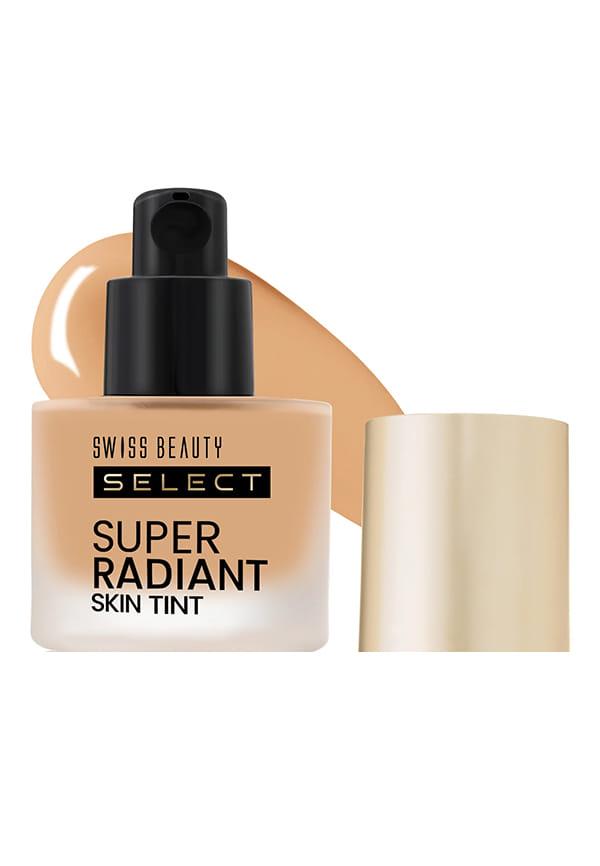
Select Super Radiant Hydrating Skin Tint
Good Quality, Happy
 5
5“Good quality and happy with the product”
Good Quality, Happy
5“Good quality and happy with the product”
Perfectly Blended, Hides Dark Circles & Spots
5“it was perfectly bled and helps to hide your dark circles and spots I was so happy to buy this product loveee it🥰✨✨✨”
Follow up with a gentle, hydrating water-based cleanser that removes any remaining impurities while prepping your skin for the hydration steps to come. Avoid harsh foaming cleansers that strip your skin, as this will only trigger more oil production and compromise your skin barrier. This anti-humidity skincare approach ensures your skin is perfectly clean but not over-cleansed.
Serum layering is where the magic happens for oil-free hydration in tropical climates. The trick is applying multiple thin layers of hydrating serums rather than one thick layer of moisturiser. This technique allows each product to absorb fully without creating that suffocating feeling heavy creams can cause in humid weather.
Start with a hyaluronic acid serum on slightly damp skin—this helps the ingredient grab onto moisture and plump your skin from within. Follow with a niacinamide serum, which not only provides hydration but also helps regulate oil production and minimise the appearance of pores. The combination creates a powerful foundation for skin quenching products that actually work in warm climates.
The golden rule for layering is to apply products from thinnest to thickest consistency, allowing each layer to absorb for about 30 seconds before applying the next. This ensures maximum absorption and prevents that sticky, layered feeling that can be uncomfortable in humid conditions.
Not all lightweight moisturisers are created equal, especially when it comes to summer skincare routine essentials. Gel-based moisturisers work brilliantly for oily and combination skin types, providing intense hydration without any heaviness. They absorb quickly and leave your skin feeling fresh and comfortable, even in sweltering heat.
For normal to dry skin types, water-gel formulations offer the perfect balance. These innovative textures provide more substantial hydration than traditional gels while still maintaining that lightweight feel that's essential for tropical weather. Look for ingredients like ceramides and peptides that support your skin barrier without adding unnecessary weight.
Your morning and evening moisturiser choices should also differ in tropical climates. Morning formulations should focus on protection and oil control, while evening products can be slightly richer to support overnight repair without interfering with sleep comfort.
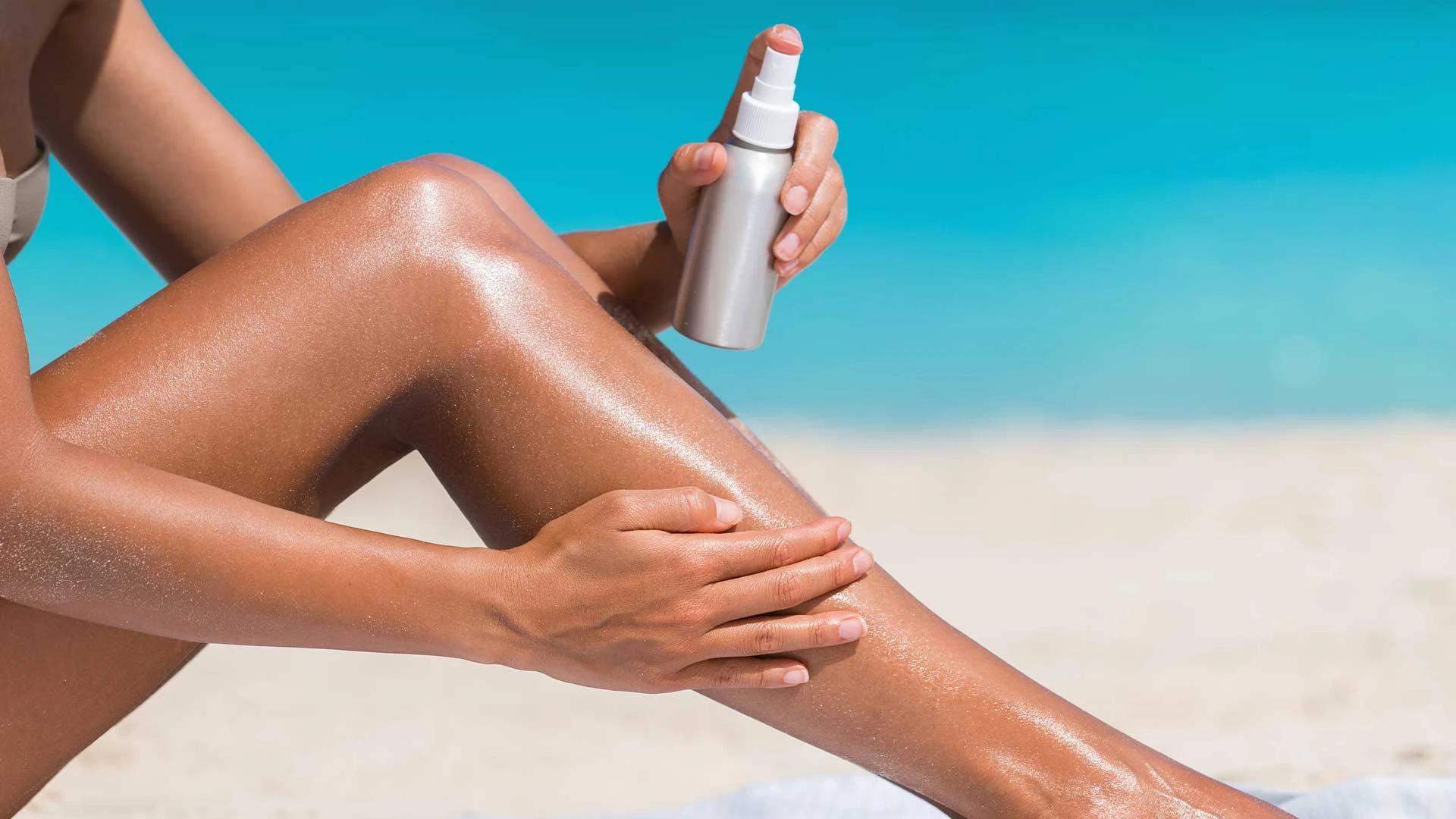
Sun protection skincare becomes non-negotiable in tropical climates, but the key is finding formulations that enhance rather than compromise your hydration goals. Modern hydrating sunscreens are game-changers, offering broad-spectrum protection while delivering moisture-boosting benefits that complement your routine.
Look for SPF products with hyaluronic acid, vitamin E, or antioxidants that provide additional skincare benefits beyond protection. These multitasking formulations eliminate the need for separate moisturiser and sunscreen steps, reducing the overall product load on your skin while ensuring comprehensive protection.
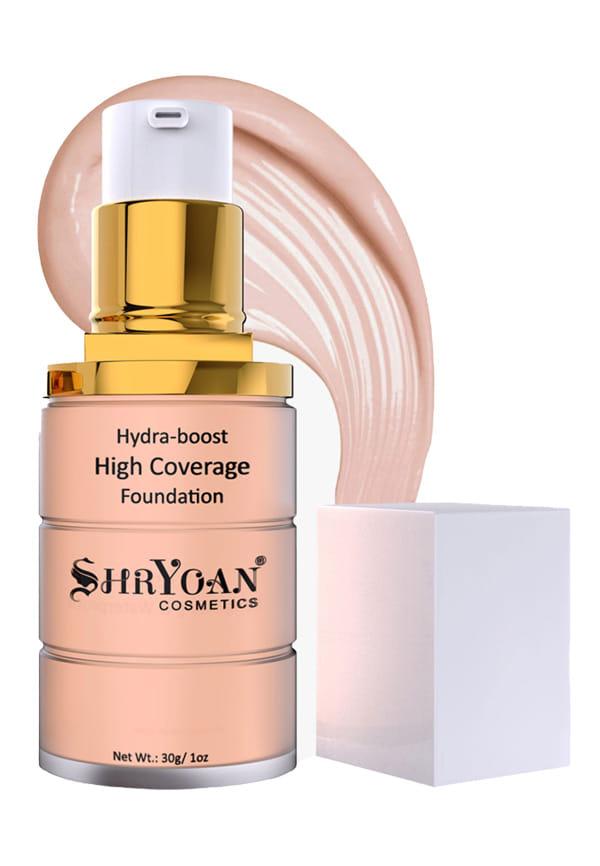
Hydra Boost High Coverage Foundation
Reapplication throughout the day doesn't have to disrupt your hydration routine. Choose spray or stick formulations for touch-ups, or use a hydrating setting spray with SPF to refresh both your makeup and sun protection simultaneously.
When the weather gets particularly intense, your skin needs extra support beyond your basic routine. These advanced techniques can make the difference between surviving and thriving in challenging tropical conditions.
Facial mists aren't just refreshing—they're strategic hydration tools when used correctly. The key is choosing mists with humectants and applying them to slightly damp skin to lock in maximum moisture. Keep your mist in the fridge for an extra cooling boost that feels amazing on overheated skin.
Apply mist before your serum to create a hydrating base, and use it throughout the day to refresh your skin without disturbing makeup. This technique provides instant relief while continuously supporting your skin's hydration levels.
Your skin does its best repair work while you sleep, making overnight treatments crucial for dehydrated skin solutions. Choose sleeping masks or overnight serums specifically formulated for humid climates—they should provide intensive hydration without feeling heavy or sticky.
Air conditioning can actually dehydrate your skin overnight, so consider using a humidifier in your bedroom or applying a slightly richer night treatment to counteract the drying effects of climate control.
Sometimes your skin needs immediate rescue, especially after long days in the sun or air-conditioned environments. Keep emergency hydration solutions on hand—sheet masks, hydrating patches, or intensive serums that can provide instant relief.
For severe dehydration, try the "skin flooding" technique: apply multiple thin layers of hydrating toner or essence, allowing each layer to absorb before adding the next. This intensive hydration method can transform parched skin in minutes.
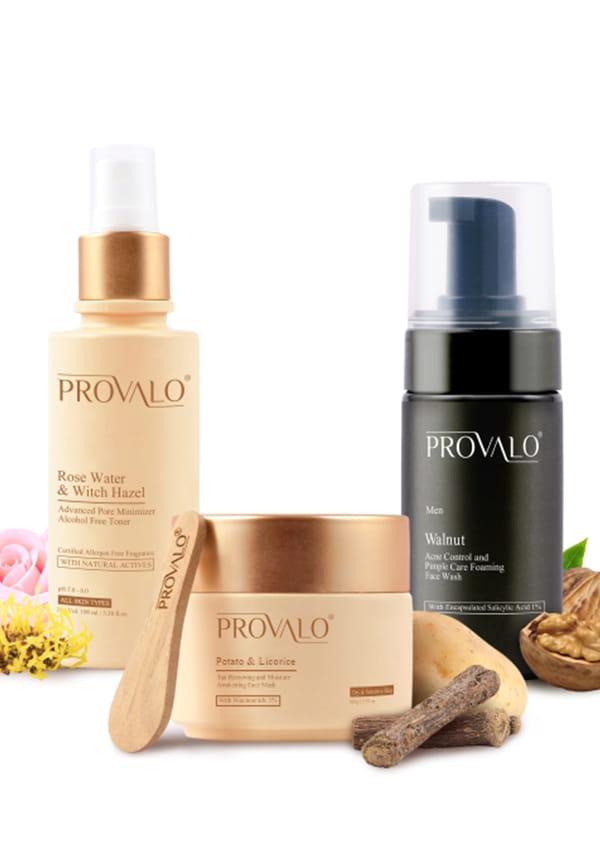
Pore Cleansing Hydration Regime For Dry & Sensitive Skin (Men)
When you're discovering what works best for your skin in tropical conditions, having access to trial sizes becomes invaluable. Smytten offers curated trial packs from trusted brands like Cetaphil and Dot & Key, letting you explore different hydrating skincare formulations before committing to full-size purchases. With over 1,500 brands available, you can experiment with various skin quenching products to find your perfect tropical climate routine.
The best moisturisers for hot weather are gel-based or water-gel formulations that provide hydration without heaviness. Look for oil-free options with hyaluronic acid, niacinamide, or ceramides that absorb quickly and won't interfere with your skin's natural cooling process.
A summer skincare routine should include: morning cleansing, lightweight hydrating serum, oil-free moisturiser, and broad-spectrum SPF. Evening routine involves double cleansing, treatment serums, and a slightly richer night moisturiser. Keep products lightweight and focus on hydration over heavy creams.
For India's diverse climate conditions, gel-cream formulations work best as they handle both humid monsoons and dry heat effectively. Look for non-comedogenic, oil-free moisturisers with ingredients like hyaluronic acid and niacinamide that provide 24-hour hydration without greasiness.
Dehydrated skin feels tight and looks dull but may still produce oil, especially in humid conditions. Dry skin lacks oil production and feels rough or flaky. In tropical climates, dehydration is more common due to heat and humidity disrupting your skin barrier, even when your skin feels oily on the surface.
Mastering moisture-boost skincare for women in warm climates isn't about using more products—it's about using the right ones strategically. Your skin's needs in tropical conditions are unique, requiring lightweight formulations that provide deep hydration without overwhelming your natural cooling processes.
The key is understanding that humid air doesn't automatically equal hydrated skin. Your routine should focus on supporting your skin barrier, choosing appropriate textures, and layering products that work synergistically rather than competing with each other. Remember that finding the perfect combination often requires some experimentation, which is where trial sizes become incredibly valuable for testing what works best with your skin's specific needs in your climate.
