7 Expert Ways to Heal Your Damaged Skin Barrier

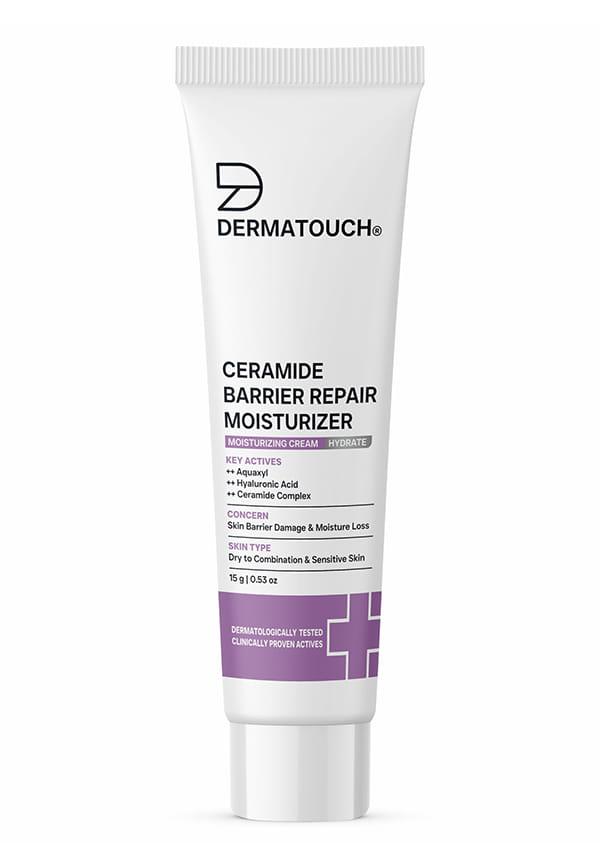
Ceramide Barrier Repair Moisturizer
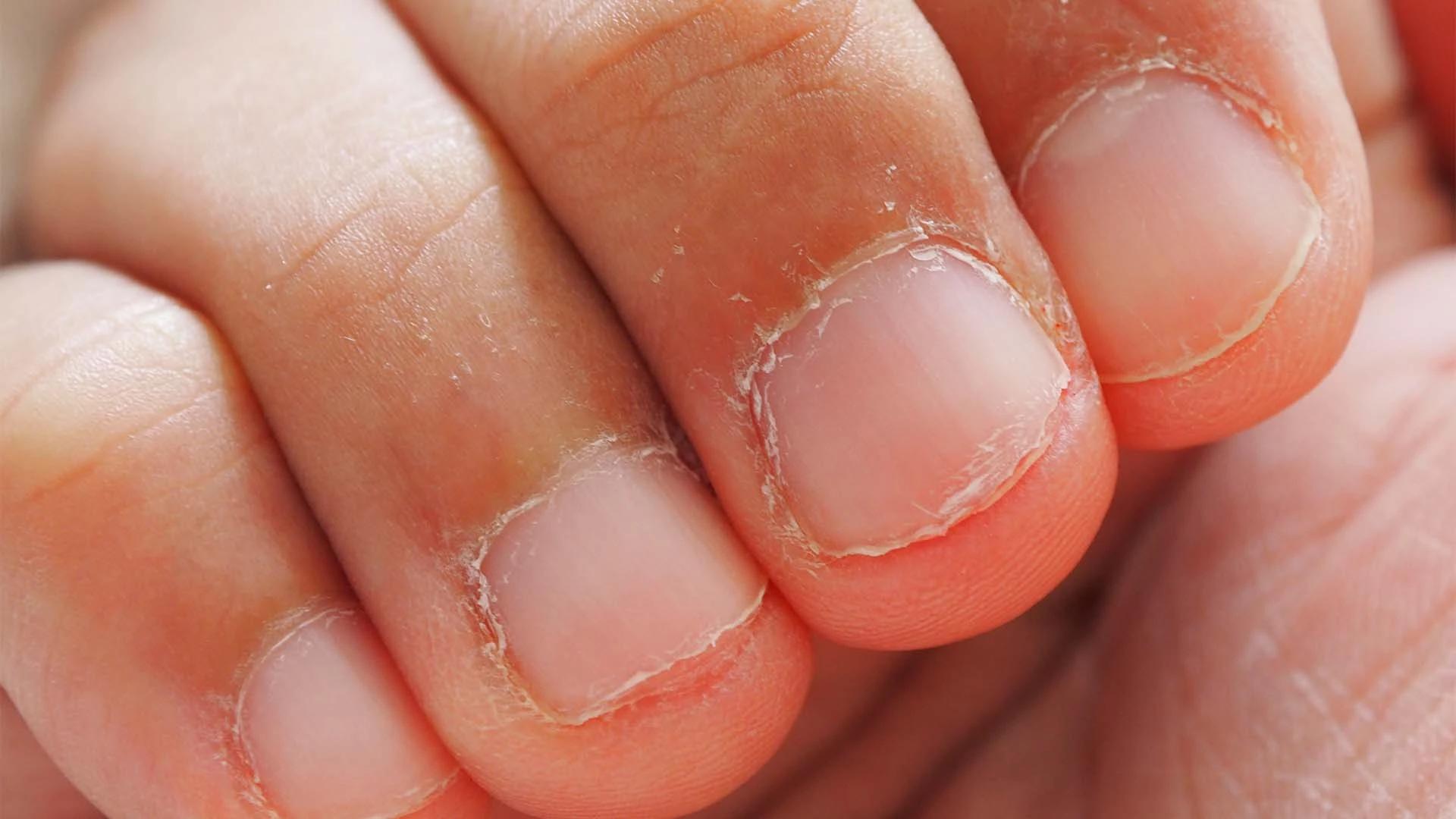
Your skin feels tight, looks red, and reacts to everything you put on it. Sound familiar? You're not alone. The rise of skincare trends and over-exfoliation has left countless people dealing with a damaged skin barrier. But here's the thing—your skin barrier can absolutely be restored with the right approach. We're talking about that protective outer layer that keeps moisture in and irritants out. When it's compromised, your skin becomes sensitive, dry, and prone to breakouts. The good news? With these seven expert-backed methods, you can heal your damaged skin barrier and get back to healthy, resilient skin in just 2-4 weeks.
Let's get real about what's actually happening when your skin barrier function goes haywire. Your skin barrier is essentially a brick-and-mortar structure made up of skin cells (the bricks) held together by lipids like ceramides, cholesterol, and fatty acids (the mortar). When this structure breaks down, you lose moisture and become vulnerable to environmental aggressors.
The culprits behind damaged skin treatment needs are usually hiding in plain sight. Over-cleansing with harsh surfactants, going overboard with acids and retinoids, or even just living in a dry climate can wreak havoc. Many people think the solution is to pile on more products, but that often makes things worse.
Here's where most people go wrong: they try to fix everything at once. Your skin needs time to rebuild its protective barrier, and bombarding it with active ingredients during this vulnerable phase is like trying to repair a leaky roof during a storm.
Proper skin barrier repair typically takes 2-4 weeks of consistent, gentle care. You might notice some improvement within days, but full restoration requires patience and the right approach.
First things first—you need to hit the reset button on your routine. This means stripping back to absolute basics and giving your skin a chance to breathe. Think of it as putting your skin on a healing holiday.
Start with a gentle, pH-balanced cleanser that won't strip your skin further. Cream or oil-based cleansers work brilliantly here because they clean without compromising your already fragile barrier. Skip the foaming cleansers for now—they're often too harsh for compromised skin.
Hot water might feel lovely, but it's actually dehydrating your skin further. Stick to lukewarm water and limit cleansing to twice daily maximum. Some people find that a morning rinse with just water works better during the healing phase.
Ditch the washcloths and scrubbing motions. Your hands are the gentlest tools you have. Pat, don't rub, when drying your face. Every little bit of gentleness helps when you're working to restore skin barrier function.
Not all skincare ingredients are created equal, especially when your barrier is compromised. You want to focus on ingredients that actively help rebuild and strengthen your skin's protective layer.
Ceramides for skin repair are absolute game-changers. These lipids are naturally found in your skin barrier, so applying them topically helps restore what's been lost. Look for products containing ceramide NP, AP, and EOP—these are the heavy hitters.
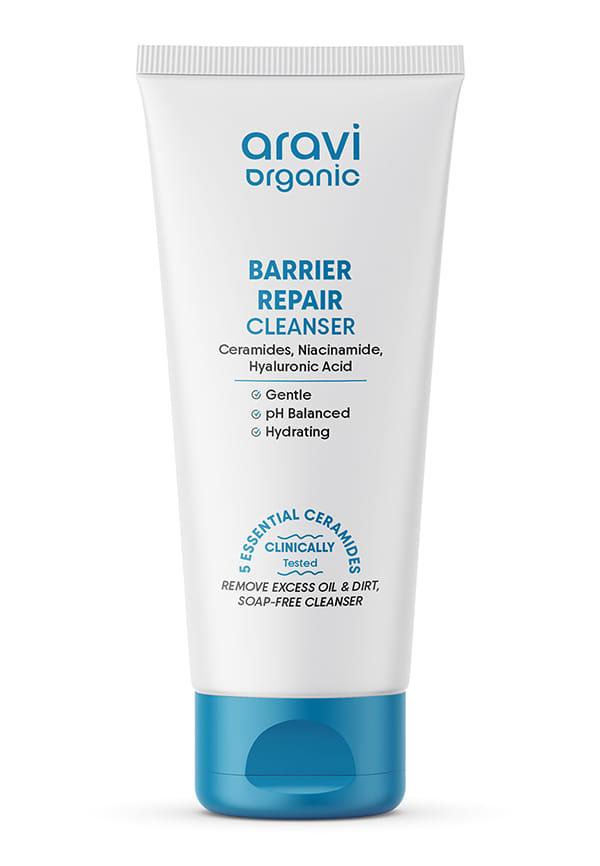
Hydrating Barrier Repair Face Wash - With Ceramide & Niacinamide
Hyaluronic acid and glycerin are your best friends right now. They draw moisture from the environment and deeper skin layers to plump up your barrier. Apply them to slightly damp skin for maximum absorption.
Niacinamide is brilliant for calming irritation whilst supporting barrier function. Panthenol (vitamin B5) and allantoin are also gentle options that soothe without causing further irritation. A quality skin barrier serum often combines several of these ingredients for maximum impact.
This is where the magic happens. Occlusive ingredients create a protective seal over your skin, preventing water loss and giving your barrier time to repair itself underneath. Think of it as creating a temporary barrier whilst your natural one heals.
At night, don't be afraid of heavier textures. A good skin barrier cream with ingredients like petrolatum, shea butter, or squalane can work wonders. These might feel heavy initially, but compromised skin needs this level of protection.
For daytime, look for lighter occlusives that won't interfere with makeup or feel too heavy. Dimethicone and cyclomethicone provide protection without the greasy feel.
Apply your products from thinnest to thickest consistency. Serums first, then moisturiser, then your occlusive layer. This ensures each product can penetrate properly whilst building up protection.
Sometimes healing is more about what you stop doing than what you start doing. If you're dealing with damaged skin treatment needs, certain ingredients need to go on temporary hiatus.
Put away the retinoids, AHAs, BHAs, and vitamin C for now. These are brilliant ingredients for healthy skin, but they're too stimulating for compromised barriers. You can reintroduce them gradually once your skin has healed.
Alcohol-based toners, heavily fragranced products, and physical scrubs all need to go. Even some essential oils can be irritating when your barrier is down. This is prime time for sensitive skin care principles.
Once your skin feels comfortable and looks healthy again (usually 4-6 weeks), you can slowly reintroduce active ingredients. Start with the gentlest options and use them just once or twice a week initially.
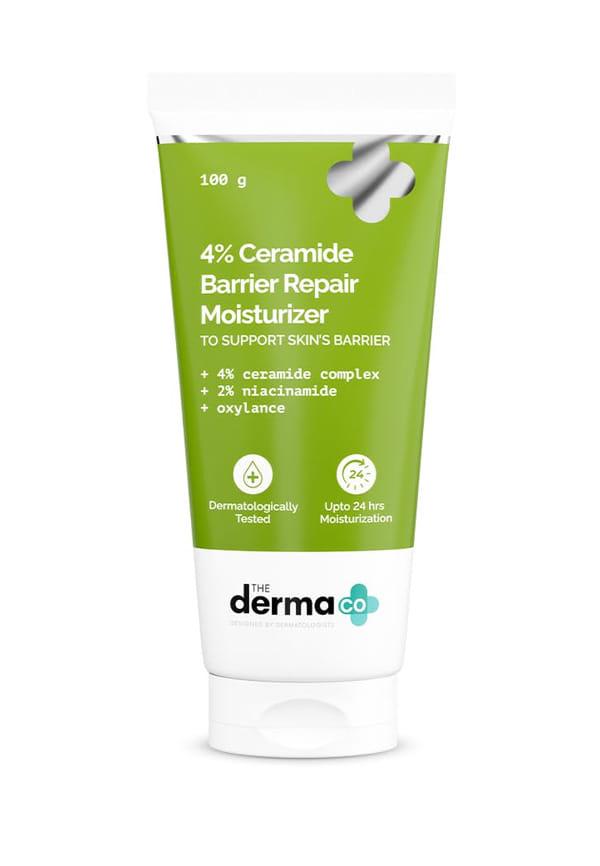
4% Ceramide Barrier Repair Moisturizer
Good texture, helps pore closing
 5
5“good texture and, help to pore closing”
Lightweight & Best Moisture
5“Very light weight best moistrisure”
Good Moisturizer & Blends Well
4“good moisturizer and blends well”
Your environment plays a huge role in barrier health. Central heating, air conditioning, and low humidity can all slow down the healing process. Consider using a humidifier in your bedroom to maintain optimal moisture levels.
UV protection is non-negotiable, but choose your sunscreen wisely. Physical sunscreens with zinc oxide or titanium dioxide are generally gentler than chemical ones during the healing phase.
What you eat matters too. Omega-3 fatty acids from fish, walnuts, and flaxseeds support skin barrier function from within. Antioxidant-rich foods help combat inflammation that might be slowing your healing.
Your skin does most of its repair work whilst you sleep. Aim for 7-9 hours of quality sleep and manage stress levels—chronic stress can actually impair barrier function.
Sometimes you need to bring in the bigger guns. Professional treatments like gentle facials or LED light therapy can support your at-home efforts. However, avoid anything too aggressive like chemical peels or microdermabrasion until your barrier is fully healed.
At-home masks with ingredients like colloidal oatmeal, honey, or aloe vera can provide extra soothing support. Keep them simple and avoid anything with long ingredient lists during this healing phase.
If your skin isn't improving after 4-6 weeks of gentle care, or if you're experiencing severe irritation, it's time to see a dermatologist. Sometimes underlying conditions like eczema or rosacea need professional treatment.
Oral supplements like omega-3s, vitamin D, and probiotics can support skin barrier health from within. However, topical care should be your primary focus.
Once you've successfully worked to repair damaged skin, the goal is maintaining that healthy barrier long-term. This means building sustainable habits that protect rather than compromise your skin's natural defences.
Create a routine that you can stick to consistently. Consistency trumps complexity every time when it comes to barrier health. A simple, well-formulated routine will serve you better than an elaborate one you can't maintain.
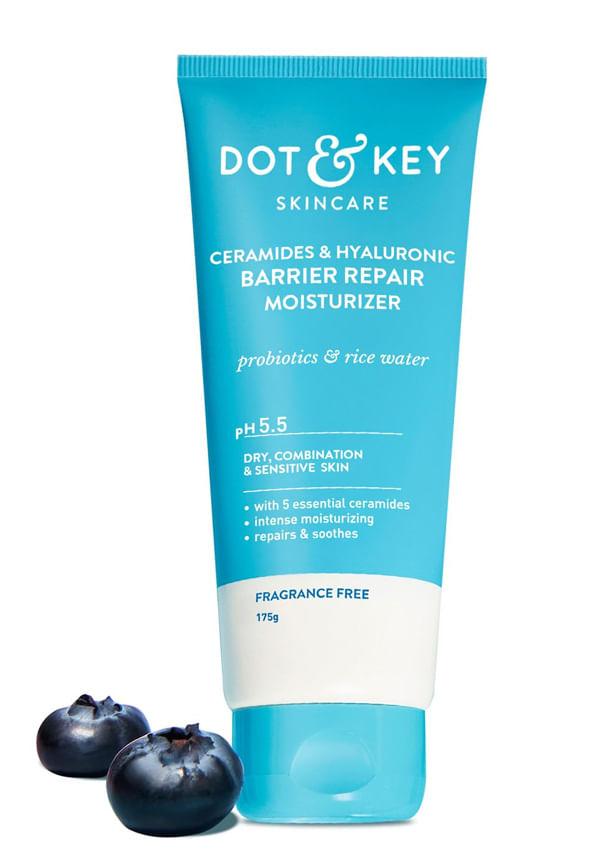
Ceramides & Hyaluronic Barrier Repair Moisturizer
Good & Similar Product
5“Good product, best product and very similar product”
Good & Similar Product
5“Good product, best product and very similar product”
Good & Similar Product
5“Good product, best product and very similar product”
Your skin's needs change with the seasons. Winter might require heavier moisturisers and more frequent application, whilst summer calls for lighter textures but consistent sun protection.
Learn to recognise when your barrier is getting stressed before it becomes fully compromised. Slight tightness, increased sensitivity, or unusual dryness are all early warning signs to dial back your routine.
This is where platforms like Smytten become invaluable. With access to trial-sized products from trusted brands like Cetaphil and Dot & Key, you can test gentle, barrier-supporting formulations without committing to full sizes. It's particularly helpful when you're rebuilding your routine and need to find products that work with your newly sensitive skin.
Most people see improvement within 2-4 weeks of consistent, gentle care. However, complete restoration can take up to 6-8 weeks depending on the severity of damage and your skin's natural healing rate.
Common signs include persistent dryness, increased sensitivity to products you previously tolerated, redness, irritation, and a tight or uncomfortable feeling. Your skin might also become more reactive to environmental factors like wind or temperature changes.
It's best to avoid all exfoliating acids (AHAs, BHAs) whilst your barrier heals. These can further compromise already vulnerable skin. Wait until your skin feels comfortable and healthy before gradually reintroducing them.
Ceramides are considered the gold standard for barrier repair as they're naturally found in healthy skin barriers. Niacinamide, hyaluronic acid, and gentle occlusives like squalane are also excellent choices.
Simple, soothing masks with ingredients like oatmeal, honey, or aloe vera can be helpful. Avoid anything with acids, fragrances, or long ingredient lists that might cause further irritation.
Healing a damaged skin barrier isn't about finding the perfect product—it's about patience, consistency, and giving your skin what it actually needs rather than what trends suggest. The seven expert methods we've covered focus on gentle restoration, strategic ingredient selection, and long-term maintenance.
Remember, your skin barrier is incredibly resilient and wants to heal itself. Your job is simply to create the right conditions and avoid further damage. Start with the gentle reset protocol, focus on barrier-supporting ingredients, and be patient with the process.
With Smytten's extensive range of trial-sized skincare products from brands known for gentle, effective formulations, you can explore barrier-repairing options without the commitment of full-size purchases. This approach lets you find your perfect healing routine whilst your skin recovers, ensuring you never have to settle for products that don't work for your unique needs.
