7 Expert Tips to Tackle Hyperpigmentation Fast


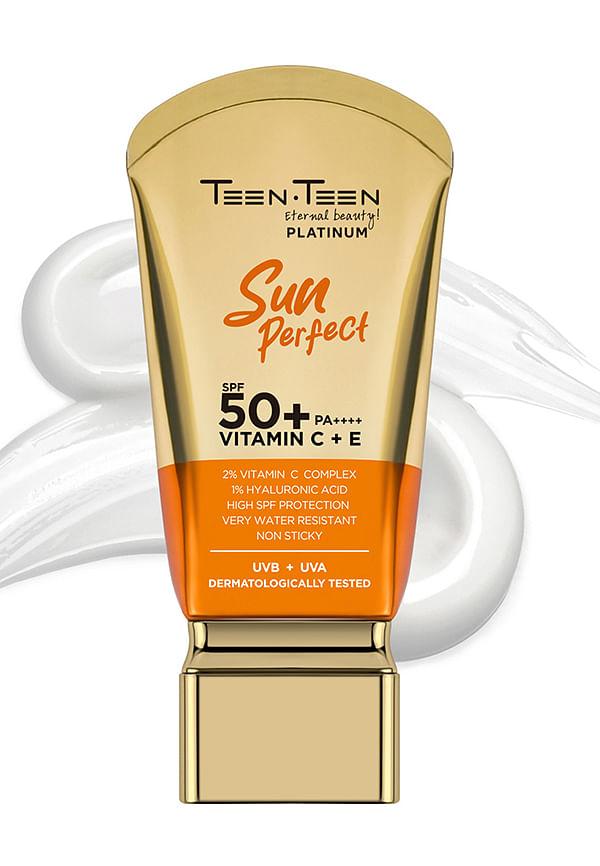
Sun Perfect Sunscreen
Dark spots showing up uninvited on your face? You're not alone. Living in UV-intense zones means your skin faces daily battles against harsh sun rays, pollution, and heat—all major culprits behind stubborn hyperpigmentation. Whether it's melasma from hormonal changes, sun damage from years of exposure, or post-inflammatory marks from breakouts, dealing with uneven skin tone can feel overwhelming. But here's the thing: with the right hyperpigmentation routine for women in UV-intense zones, you can actually see real progress. Let's dive into seven expert-backed strategies that tackle dark spots head-on, because your skin deserves better than just covering up the problem.
Before jumping into solutions, let's get real about what we're dealing with. Hyperpigmentation treatment starts with understanding why those dark patches appear in the first place. Your skin produces melanin as a defence mechanism against UV damage, but in areas with intense sun exposure, this process goes into overdrive.
There are three main types you'll encounter: melasma (those symmetrical patches often triggered by hormones), sun spots (flat brown spots from cumulative UV damage), and post-inflammatory hyperpigmentation (dark marks left behind after acne or injuries). In UV-intense zones, all three types become more stubborn because your skin is constantly trying to protect itself from environmental stressors.
What makes things trickier is that it's not just the sun causing havoc. Heat, pollution, and even blue light from screens can trigger melanin production. This means your pigmentation correction routine needs to be comprehensive, not just focused on one factor.
Here's where it gets interesting. Dark spots removal isn't about scrubbing harder or using stronger products—it's about understanding how your skin actually works. Melanin gets produced deep in your skin's basal layer, then travels up to the surface over about 28 days. This is why you won't see overnight miracles, but also why consistent routines work so well.
The most effective ingredients work by either blocking melanin production at the source (like vitamin C and kojic acid) or speeding up cell turnover to bring fresh, even-toned skin to the surface faster (hello, retinoids). Some ingredients, like niacinamide, do both—which is why they're such game-changers for uneven skin tone.
The key insight? Your skin renewal cycle means you need at least 6-8 weeks of consistent use before judging whether a product is working. Patience isn't just a virtue here—it's essential for success.
Let's start with the non-negotiable: UV protection skincare that actually works in intense climates. Your morning routine is your first line of defence, and it needs to be bulletproof. We're talking SPF 50+ broad-spectrum sunscreen, reapplied every two hours—yes, even if you're indoors most of the day.
But here's the expert twist: layer an antioxidant serum underneath your sunscreen. Vitamin C serums are brilliant for this because they neutralise free radicals that UV exposure creates, giving your skin extra protection while also working on existing dark spots. Think of it as your skin's personal bodyguard.
For reapplication throughout the day, consider powder sunscreens or setting sprays with SPF. They won't mess up your makeup and make it easier to maintain protection during long, sunny days. Your future self will thank you for this sun damage repair prevention strategy.
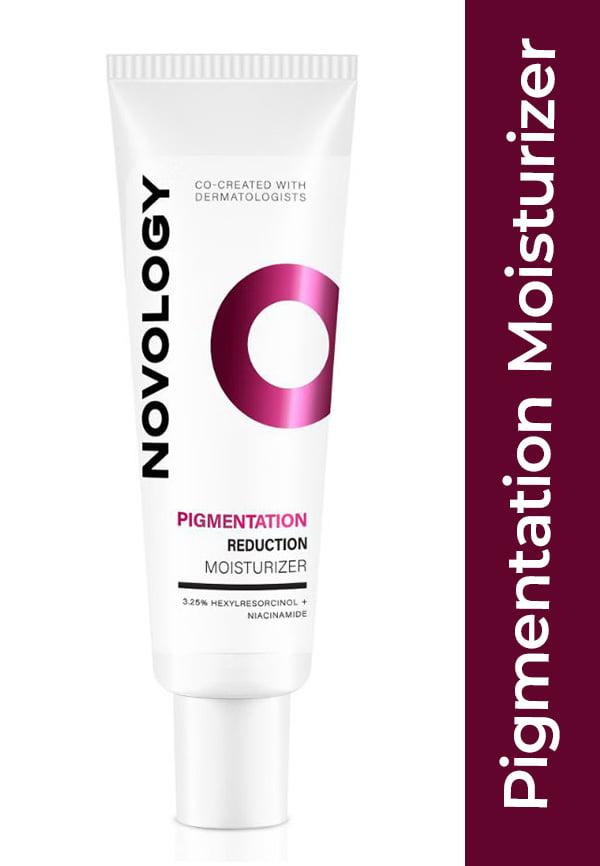
Pigmentation Moisturiser, Face Cream for Hyperpigmentation & Dark Spots
Amazing Product!
 5
5“it really works. i tried it first time and m with love this product best brand I ever used”
Great Product, Will Buy Again
5“nice product richer base repurchase product”
Great for Oily Skin
5“Excellent product for oily skin.”
Nighttime is when the magic happens. Your hyperpigmentation routine for women in UV-intense zones should focus on repair and renewal while your skin does its natural healing work. Start with a gentle cleanser that removes sunscreen and pollution without stripping your skin—double cleansing is your friend here.
Next comes the active ingredients. If you're new to this, start with a vitamin C serum or niacinamide—both are gentle but effective for skin brightening routine goals. More experienced users can incorporate retinoids, but introduce them slowly, especially in hot climates where your skin might be more sensitive.
The golden rule? Never mix certain actives. Vitamin C and retinoids don't play well together, so alternate nights or use vitamin C in the morning and retinoids at night. Your anti-pigmentation serum routine should feel soothing, not irritating.
Not all skincare for dark spots ingredients are created equal, and what works for your friend might not work for you. Let's break down the heavy hitters and when to use them.
Vitamin C is the gentle giant—effective for most skin types and perfect for beginners. Look for stable forms like magnesium ascorbyl phosphate if you have sensitive skin, or L-ascorbic acid if you want maximum potency. Niacinamide is another crowd-pleaser that reduces inflammation while tackling pigmentation.
For stubborn spots, kojic acid and arbutin offer natural alternatives to hydroquinone. They're gentler but still effective, making them perfect for long-term use in UV-intense climates. Retinoids are the gold standard for cell turnover, but start with retinyl palmitate or granactive retinoid if you're worried about irritation.
The trick is starting with one active ingredient and giving it at least 6-8 weeks before adding another. Your skin needs time to adjust, especially when it's already dealing with environmental stressors.
Melasma solutions require a special approach because hormones make this type of hyperpigmentation particularly stubborn. If you notice symmetrical dark patches on your cheeks, forehead, or upper lip, you're likely dealing with melasma rather than regular sun damage.
The good news? Many of the same ingredients that work for other types of hyperpigmentation also help with melasma. Vitamin C, niacinamide, and kojic acid are all hormone-safe options. Avoid hydroquinone during pregnancy or breastfeeding, and be extra careful with retinoids during these times.
Professional treatments like chemical peels can be incredibly effective for melasma, but timing matters. Schedule them during cooler months when you can avoid intense sun exposure during the healing process. Your dermatologist can also recommend prescription options that might work faster than over-the-counter products.
Remember, melasma often comes back if the underlying hormonal triggers remain, so maintenance is key. Think of it as a long-term relationship with your skincare routine rather than a quick fix.
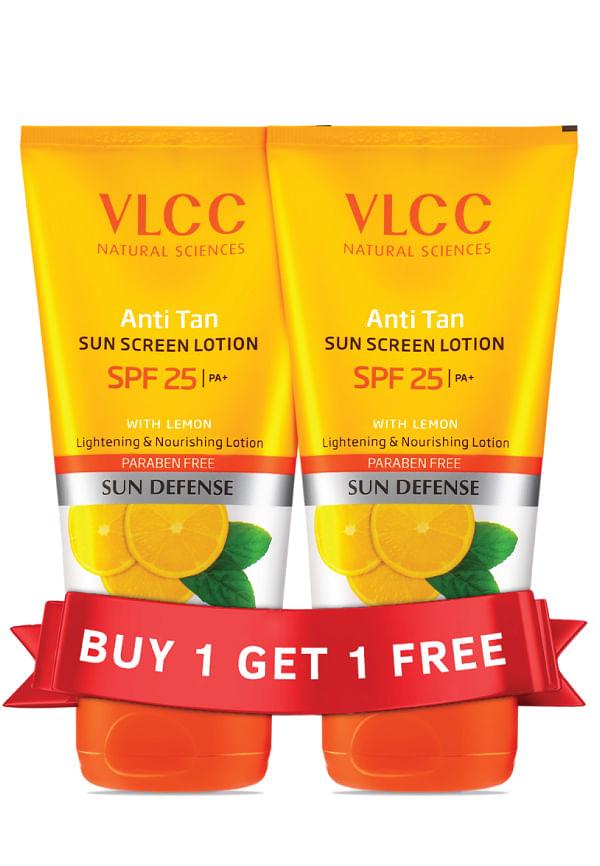
Anti Tan Sun Screen Lotion - SPF 25 PA+ Buy One Get One
Lightweight and Amazing Feel
5“light weight feel like a amazing”
Nice, useful product
5“Nice product must try. very useful.”
Great Product & Delivery
5“it is a nice product fantastic delivery”
When your regular routine needs a boost, these advanced strategies can help accelerate your hyperpigmentation treatment results.
Sometimes you need to call in the professionals. Chemical peels designed for UV-intense climates use specific acid combinations that work well with higher temperatures and humidity. Glycolic and lactic acid peels are gentler options, while TCA peels offer more dramatic results for stubborn spots.
Laser treatments like IPL or fractional lasers can target deep pigmentation, but they require careful timing and aftercare in hot climates. Always schedule these during cooler months and follow strict sun protection protocols.
Your dark spots removal journey isn't just about what you put on your skin. What you eat, how much you sleep, and how you manage stress all impact your skin's ability to heal and regenerate.
Antioxidant-rich foods like berries, leafy greens, and green tea support your skin from the inside out. Staying hydrated is crucial in hot climates—aim for at least 8 glasses of water daily, more if you're active outdoors.
Once you start seeing results, the goal shifts to maintaining your progress and preventing new dark spots. This means adjusting your routine seasonally—using gentler products during peak summer months and ramping up active ingredients during cooler periods.
Early intervention is everything. Treat any new spots or inflammation immediately rather than waiting for them to darken. Your maintenance routine should include consistent sun protection, regular exfoliation, and targeted treatments for any new concerns.
Let's talk about what not to do, because these mistakes can actually make your uneven skin tone worse. Over-exfoliation is the biggest culprit—using too many acids or scrubbing too hard can cause inflammation, which leads to more dark spots.
Inconsistent product application is another progress-killer. Your hyperpigmentation routine for women in UV-intense zones only works if you stick to it. Skipping days or constantly switching products prevents your skin from adapting and showing results.
Mixing incompatible ingredients can cause irritation and setbacks. Always research combinations or consult with a skincare professional. And don't forget your neck and hands—these areas show sun damage too and need the same attention as your face.
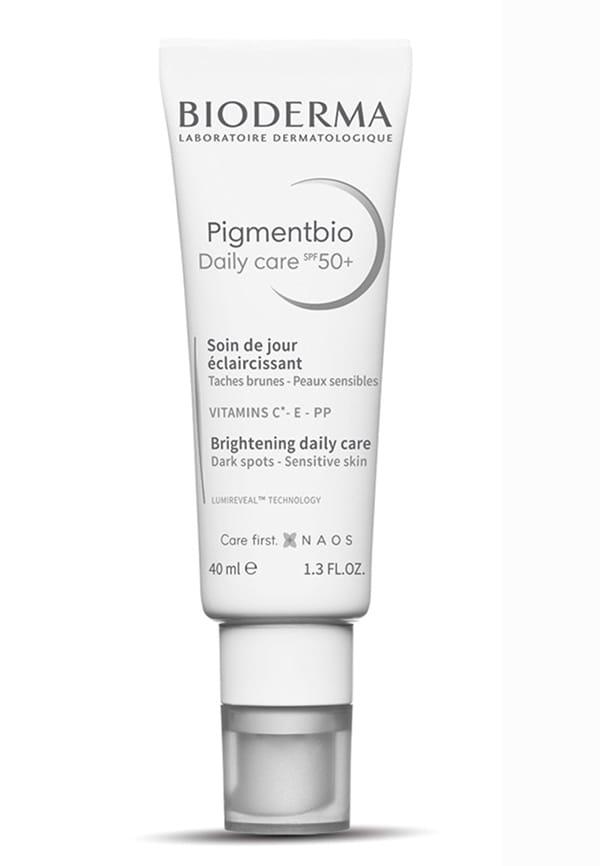
Pigmentbio Daily Care SPF 50+ Brightening Cream for Dark Spots & Senstive Skin
Finally, expecting overnight results leads to disappointment and routine abandonment. Real pigmentation correction takes time, but the results are worth the wait when you're consistent and patient.
Finding the right products for your specific skin concerns can feel overwhelming, especially when you're trying to build an effective routine on a budget. This is where platforms like Smytten become incredibly valuable—you can try mini versions of professional-grade skincare products from trusted brands before committing to full sizes. With access to over 1,500 brands and the ability to test up to 8 minis for just ₹249, you can experiment with different active ingredients and formulations to find what works best for your skin type and climate.
Most people start noticing improvements after 6-8 weeks of consistent use. However, deeper or older dark spots may take 3-6 months to fade significantly. Remember, your skin's natural renewal cycle is about 28 days, so patience is key.
Yes, but introduce them gradually. Start with one active ingredient for 4-6 weeks, then slowly add others. Avoid mixing vitamin C with retinoids in the same routine, and always patch test new combinations.
Sunscreen absorbs UV rays, while sunblock physically reflects them. For hyperpigmentation prevention, broad-spectrum SPF 50+ is most important, regardless of whether it's chemical or physical. Physical sunblocks with zinc oxide or titanium dioxide are often gentler for sensitive skin.
Yes, but start slowly and always use them at night. Begin with lower concentrations and gradually increase. Hot climates can make skin more sensitive, so extra sun protection is crucial when using retinoids.
Take photos in consistent lighting every 2-4 weeks to track progress. You should notice dark spots becoming lighter, less defined edges, and overall more even skin tone. If you see increased irritation or new dark spots, reassess your routine.
Tackling hyperpigmentation in UV-intense zones requires a strategic, multi-layered approach that goes beyond just applying products. The key is understanding that effective dark spots removal combines prevention, treatment, and patience. Your morning routine should focus on protection with broad-spectrum SPF and antioxidants, while evenings are for repair with targeted active ingredients.
Remember, consistency trumps intensity every time. A gentle routine followed religiously will always outperform aggressive treatments used sporadically. Start with one or two proven ingredients like vitamin C or niacinamide, give them time to work, then gradually build your arsenal based on your skin's response.
The beauty of modern skincare is that you don't have to guess what works for your skin. With platforms like Smytten, you can explore curated trial packs from over 1,500 trusted brands, testing everything from gentle vitamin C serums to targeted spot treatments. This approach lets you build a personalised hyperpigmentation routine for women in UV-intense zones without the financial risk of full-size products that might not suit your skin. After all, why settle for maybe when you can try it all and find what actually works for your unique skin needs?
