7 Expert Tips for Healing Chapped Lips Fast

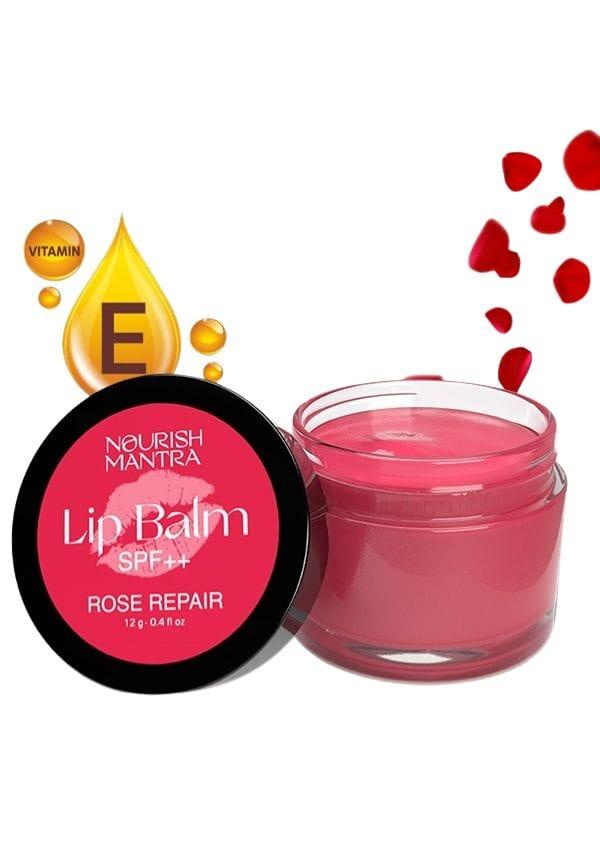
Rose Repair Lip Balm for Dry, Chapped and Dark Lips - 12 gm
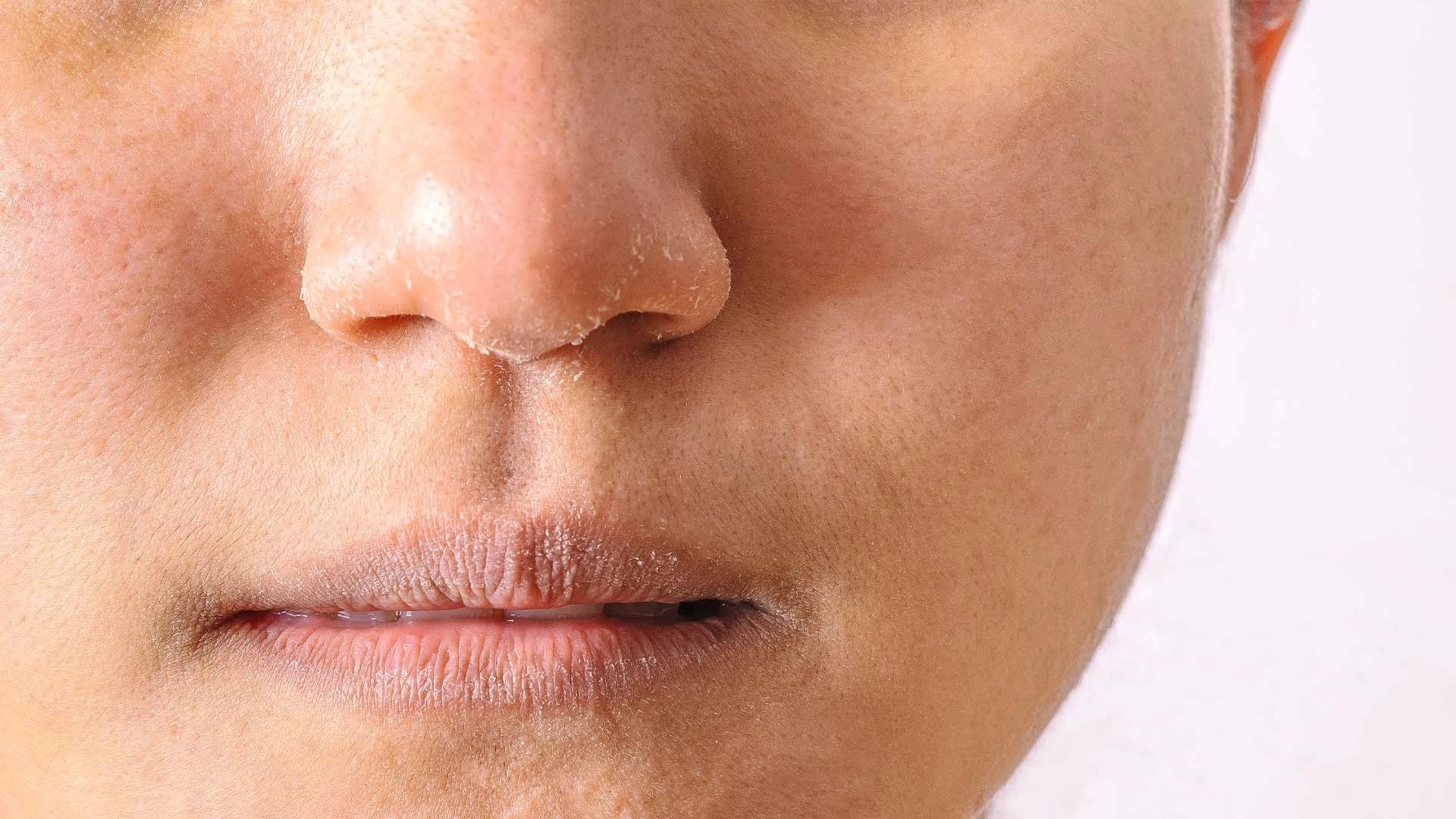
Let's be real—chapped lips are the absolute worst. One minute you're living your best life, and the next, your lips feel like sandpaper. If you've ever dealt with the pain of cracked, dry lips, you know how frustrating it can be when nothing seems to work. The good news? There are proven chapped lips treatment methods that actually deliver results. We're talking about expert-backed tips that can transform your lips from flaky disaster to soft perfection in just days.
Before diving into solutions, it helps to understand why your lips are staging this rebellion. Unlike the rest of your skin, your lips don't have oil glands to keep them naturally moisturised. This makes them super vulnerable to environmental factors and everyday habits that can wreak havoc.
The main chapped lip causes include cold weather, dry indoor heating, sun exposure, and that sneaky habit of licking your lips when they feel dry. Dehydration plays a massive role too—when your body lacks water, your lips are often the first to show it. Some medications, vitamin deficiencies, and even certain lip products with harsh ingredients can make the problem worse.
Ready to give your lips the TLC they deserve? These dermatologist-approved strategies focus on how to heal chapped lips quickly and effectively. Each tip targets a different aspect of lip health, so you can mix and match based on what your lips need most.
Not all lip balms are created equal, and picking the wrong one can actually make things worse. Look for a lip balm for chapped lips that contains occlusive ingredients like petrolatum, shea butter, or beeswax. These create a protective barrier that locks in moisture.
For severe cases, ointments work better than traditional balms because they're thicker and stay put longer. Always choose products with SPF during the day—sun damage is a sneaky cause of chronic dryness. Apply your balm every two hours, and definitely before bed.
Dead skin buildup can prevent your lip treatments from working properly. A gentle exfoliation once or twice a week helps remove flaky bits and allows moisturisers to penetrate better.
Mix equal parts sugar and coconut oil for a simple DIY scrub, or use a soft, damp cloth to gently buff away dead skin. Never pick or bite at peeling skin—this only creates more damage and can lead to infection.
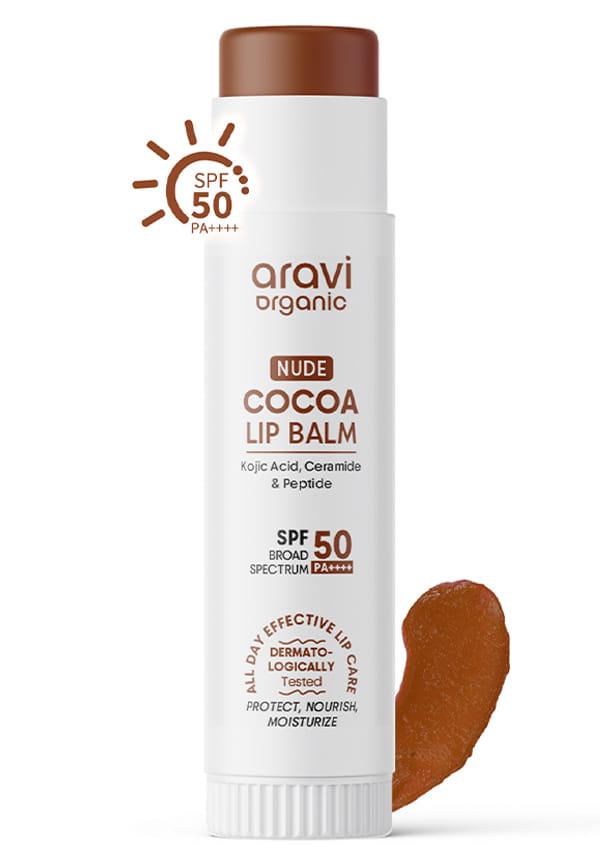
Barrier Repair Lip Balm SPF 50 PA++++
Your lips reflect your overall hydration levels, so drinking enough water is crucial for any dry lips remedy. Aim for at least eight glasses daily, and consider using a humidifier in your bedroom to add moisture to the air.
Foods rich in omega-3 fatty acids, like salmon and walnuts, support skin health from the inside out. If you notice your lips getting worse during winter months, it's probably because indoor heating strips moisture from the air.
Licking your lips might feel soothing, but it actually makes chapping worse. Saliva evaporates quickly, leaving your lips drier than before. The enzymes in saliva can also irritate the delicate lip skin.
If you're a chronic lip licker, try keeping a lip balm handy and applying it whenever you feel the urge to lick. Avoid biting or picking at your lips, and be mindful of touching them with dirty hands throughout the day.
Your lips do most of their healing while you sleep, making overnight lip treatment incredibly effective. Before bed, apply a thick layer of petroleum jelly or a heavy-duty lip mask.
For a DIY option, mix honey with a drop of coconut oil—honey has natural antibacterial properties that can help heal cracks. The key is using something thick enough to stay put all night, creating an intensive moisture barrier.
Sometimes the best solutions come from nature. Coconut oil works as an excellent natural lip balm because it's antimicrobial and deeply moisturising. Pure aloe vera gel can soothe irritated, cracked lips instantly.
Raw honey is another powerhouse ingredient—it draws moisture from the air and has healing properties. For quick relief, try placing cool, damp green tea bags on your lips for five minutes. The antioxidants help reduce inflammation.
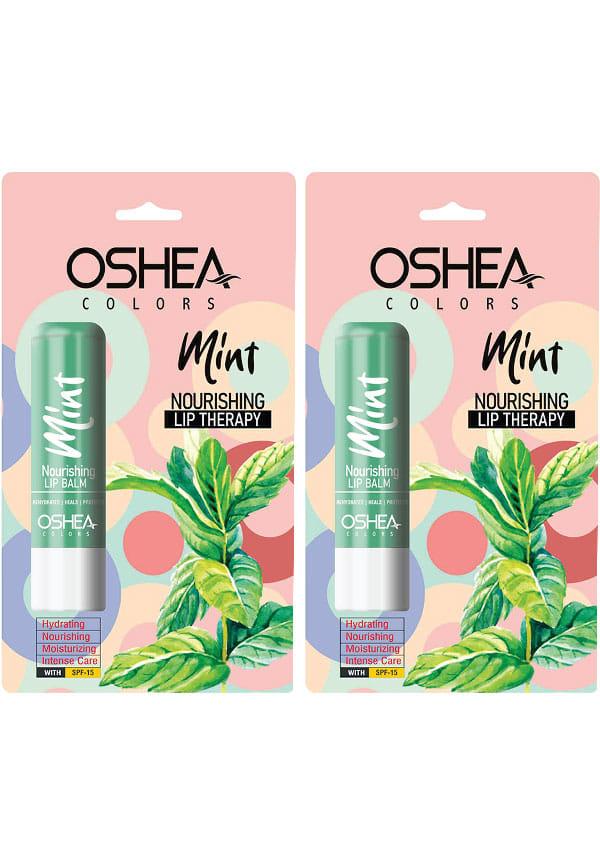
Lip Therapy
Pigmented Lip Balm
 4
4“good lipbalm with highly pigmented color”
Prevention is always easier than treatment. Make SPF lip balm a non-negotiable part of your daily routine, even in winter. UV rays can damage lips year-round, leading to chronic dryness and premature ageing.
Adjust your lip care routine seasonally—use heavier products in winter and lighter, SPF-focused ones in summer. Cover your mouth with a scarf in harsh weather, and avoid breathing through your mouth when possible.
Understanding what makes a best lip moisturiser can help you choose products that actually work. The most effective formulas combine different types of moisturising ingredients for maximum impact.
Occlusive agents like petroleum jelly and lanolin create a protective seal that prevents water loss. Humectants such as hyaluronic acid and glycerin draw moisture from the environment. Emollients like shea butter and ceramides smooth and soften the lip surface.
Look for healing ingredients like vitamin E, allantoin, or panthenol in your lip products. Avoid anything with menthol, camphor, or artificial fragrances, as these can irritate already sensitive lips.
Sometimes severe chapped lips need more than over-the-counter solutions. If your lips are bleeding, have deep cracks, or aren't improving after a week of consistent treatment, it might be time to see a professional.
Dermatologists can prescribe stronger treatments like hydrocortisone cream or antifungal medications if there's an underlying infection. Chronic lip problems might indicate conditions like eczema, allergic reactions, or vitamin deficiencies that need medical attention.
Don't ignore persistent symptoms—what seems like simple dryness could be a sign of something more serious that requires proper diagnosis and treatment.
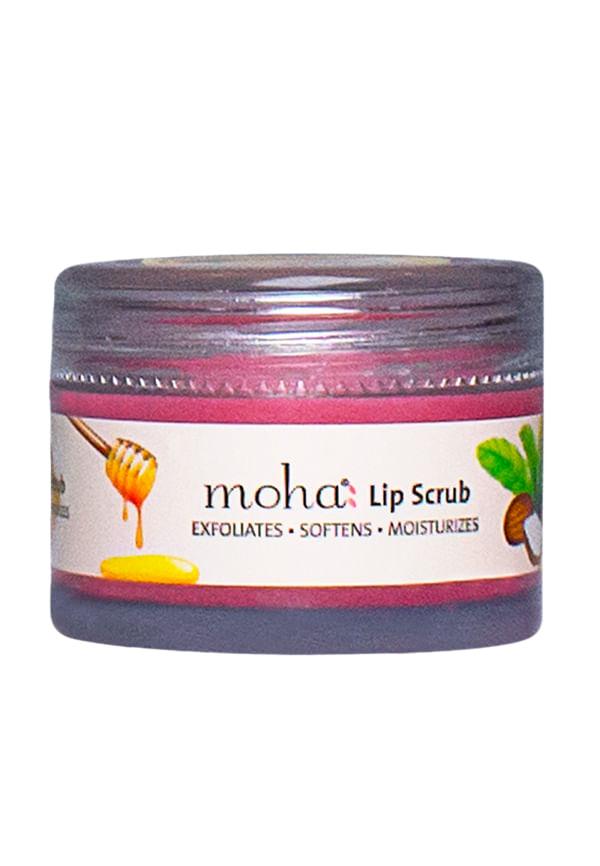
Lip Scrub for Pigmented, Dry and Chapped Lips
Good for Lip Smoothing
4“smoothing the lips is my best thing”
Wonderful Product
5“Such a wonderful product. I love it so much! I request everyone to try it out.”
Highly recommended
5“it's nyc you can try this product ✨️”
The fastest cracked lips relief comes from combining gentle exfoliation with intensive moisturising. Apply a thick lip balm every hour, use an overnight treatment, and avoid licking or picking at your lips. Most people see improvement within 24-48 hours.
Environmental factors like cold weather and dry air are the most common culprits. However, habits like lip licking, dehydration, and using harsh lip products can also contribute significantly to the problem.
Yes, petroleum jelly is highly effective because it creates an occlusive barrier that prevents moisture loss. Apply a thin layer several times daily and a thicker layer before bed for best results.
Coconut oil works well as a natural moisturiser and has antimicrobial properties. However, it's not as occlusive as petroleum-based products, so it might not be enough for severely chapped lips on its own.
Chronic lip problems can sometimes signal deficiencies in B vitamins, iron, or zinc. If your lips don't respond to topical treatments, consider discussing nutritional factors with your healthcare provider.
Mild chapping usually improves within 2-3 days with proper care. Severe cases might take a week or more. If you don't see improvement after a week of consistent treatment, consider seeing a dermatologist.
Healing chapped lips doesn't have to be a lengthy process when you know what actually works. The key is combining the right products with good habits—choose occlusive lip balms, stay hydrated, protect against environmental damage, and be patient with the healing process.
Remember, the best approach is often trying different solutions to see what works for your specific situation. With platforms like Smytten, you can explore trial-sized lip care products from trusted brands without committing to full sizes. This way, you can discover your perfect lip care tips routine through mini versions of products from brands like Cetaphil and Dot & Key, making it easier to find what truly works for your lips. After all, why settle for maybe when you can try it all and find your perfect match?
