7 Expert Tips for Avoiding Skin Irritation Fast


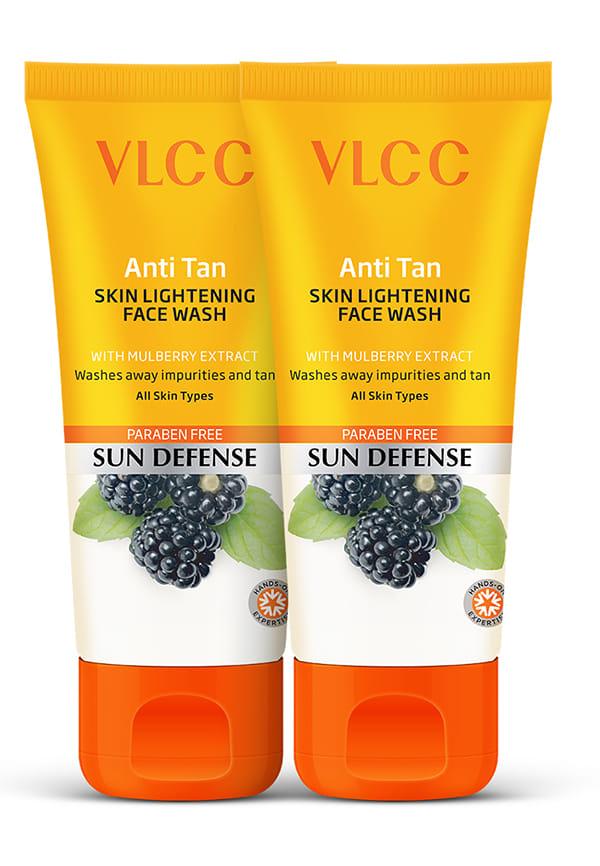
Anti Tan Skin Lightening Face Wash - Buy One Get One
Positive Skin Suitability
 5
5“love it suits my skin verywelll”
Meets expectations
5“meet the expectations as mentioned on the product”
Facewash gives glow, reduces acne
5“I love this facewash it gives instant glow to my skin and also it reduces my active acne”
Let's be real—dealing with irritated skin is absolutely no fun. Whether you're battling a sudden skin rash, persistent itchy skin, or that annoying red skin that seems to flare up out of nowhere, finding relief can feel like an uphill battle. The good news? You don't have to suffer in silence or play guessing games with your skincare routine. Understanding the root causes of skin irritation and having a solid game plan can make all the difference between days of discomfort and quick, effective relief. From identifying sneaky triggers hiding in your everyday products to mastering emergency soothing techniques, these expert-backed strategies will help you take control of your skin's health and comfort.
Before diving into solutions, it's worth understanding what's actually happening when your skin decides to throw a tantrum. Skin irritation is your skin's way of saying "something's not right here," and it can manifest as anything from mild redness to full-blown inflammation.
The key difference between a skin allergy and general irritation lies in your immune system's involvement. While irritation is a direct response to something harsh touching your skin, allergies involve your immune system mistakenly identifying a harmless substance as a threat. Dermatitis, on the other hand, is the medical term for inflamed skin that can result from either allergic reactions or irritant contact.
Your sensitive skin might react to environmental factors like temperature changes, humidity levels, or even stress hormones. Common triggers include fragrances, preservatives, harsh cleansing agents, and even fabrics that rub against your skin throughout the day. The tricky part is that what causes skin inflammation for one person might be perfectly fine for another—it's all about your individual skin barrier and sensitivity levels.
Think of yourself as a detective investigating your own skin's mysteries. The first step in avoiding skin irritation is figuring out what's actually causing it in the first place.
Start with a simple patch test for any new products. Apply a small amount to your inner forearm and wait 24-48 hours to see if any reaction develops. This simple step can save you from a full-face skin rash disaster.
Keep a trigger diary where you note down everything that touches your skin—products, fabrics, foods, stress levels, weather changes. When irritation flares up, you can look back and spot patterns. Common culprits include:
Fragrances and essential oils (even "natural" ones can trigger reactions)
Preservatives like formaldehyde releasers
Harsh surfactants in cleansers
Nickel in jewellery and clothing fasteners
Latex in gloves or clothing
Environmental factors play a huge role too. Air conditioning, heating, pollution, and even your laundry detergent can contribute to skin sensitivity. Pay attention to seasonal patterns—does your skin get worse in winter when the air is dry, or summer when you're sweating more?
When your skin is already irritated, the last thing you want is to make it worse with the wrong products. The secret to soothing skin lies in choosing gentle, effective ingredients that actually help rather than just claiming to.
Look for products containing ceramides, which help repair your skin barrier, or niacinamide, which reduces inflammation and redness. Colloidal oatmeal is another superstar for calming skin—it's been used for centuries and actually has anti-inflammatory properties backed by science.
Don't fall for marketing tricks. "Fragrance-free" doesn't always mean scent-free—some products use masking fragrances to hide chemical smells. "Unscented" can actually contain fragrance to neutralise other scents. Look for products specifically labelled as having no added fragrance.
Ingredients are listed in order of concentration, so if alcohol or harsh surfactants appear in the first few ingredients, that's a red flag for sensitive skin. Avoid products with long ingredient lists when your skin is already compromised—simpler is often better.
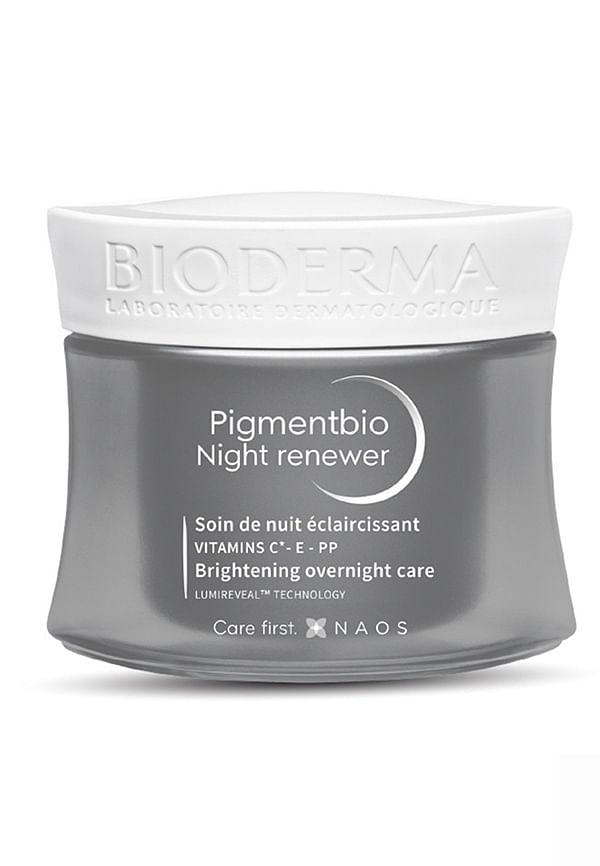
Pigmentbio Night Renewer Brightening Overnight Cream for Dark Spots, Sensitive Skin
Your daily routine can either be your skin's best friend or its worst enemy. The key to avoiding skin irritation is consistency and gentleness, not complicated multi-step routines that overwhelm your skin barrier.
Start your morning with lukewarm water and a gentle, non-foaming cleanser. Hot water strips your skin's natural oils, making it more prone to irritation throughout the day. Follow with a simple moisturiser while your skin is still slightly damp to lock in hydration.
Your evening routine is when your skin does most of its repair work. Remove makeup and sunscreen with a gentle cleansing oil or micellar water, then follow with your regular cleanser if needed. Apply a slightly richer moisturiser than your morning one to support overnight recovery.
Pat, don't rub. Use upward motions. Wait between product applications to let each layer absorb. And remember—if your skin is already irritated, this isn't the time to introduce new active ingredients or treatments.
When your skin is screaming for help, you need solutions that work fast. The good news is that several tried-and-tested methods can provide almost immediate relief for itchy skin and red skin.
Cool compresses are your first line of defence. Wrap ice cubes in a clean cloth or use a cold, damp towel and apply for 10-15 minutes. The cold temperature numbs nerve endings and reduces skin inflammation by constricting blood vessels.
Hydrocortisone cream (0.5-1%) can quickly calm inflammation, but use it sparingly and not for more than a week without consulting a doctor. Calamine lotion works brilliantly for itchy skin and has a cooling effect as it dries.
Aloe vera gel (pure, not the green stuff with alcohol) provides instant cooling relief. Oatmeal baths can soothe widespread irritation—just grind plain oats into a fine powder and add to lukewarm bathwater.
Your environment plays a massive role in your skin's comfort levels. Small changes in your surroundings and habits can make a huge difference in avoiding skin irritation long-term.
Choose clothing made from natural, breathable fabrics like cotton or bamboo. Avoid wool directly against your skin if you're prone to skin sensitivity. Wash new clothes before wearing them to remove manufacturing chemicals and fabric treatments.
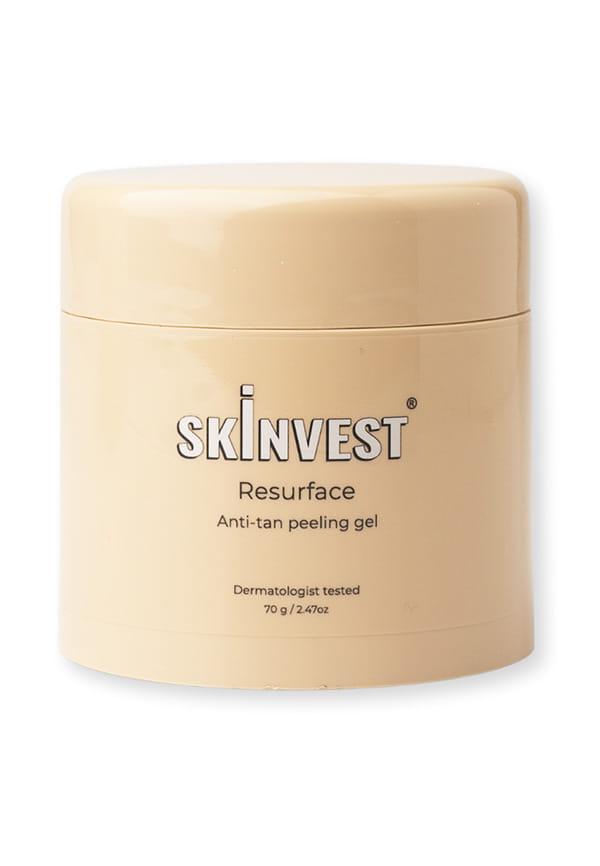
Resurface Anti-Tan Peeling Gel with 1% Lactic Acid & Soothing Botanicals
Keep your home humidity between 40-60% to prevent your skin from drying out. Use a humidifier in winter when heating systems dry out the air. In summer, avoid sudden temperature changes that can shock your skin.
Chronic stress releases cortisol, which can worsen inflammation and make your skin more reactive. Regular exercise, adequate sleep, and stress management techniques like meditation can significantly improve your skin's resilience.
Sometimes you need heavy-duty relief for severe itchy skin that's driving you absolutely mad. Here's your emergency action plan for when gentler methods aren't cutting it.
Antihistamines like cetirizine or loratadine can provide relief from the inside out, especially if your irritation has an allergic component. Take them as directed on the package—they work best when taken consistently, not just when symptoms are severe.
Scratching feels good in the moment but makes everything worse. Keep your nails short, wear cotton gloves at night, and try pressing or patting the itchy skin instead of scratching. The pressure can provide relief without causing damage.
Cool (not cold) baths can provide temporary relief, but limit them to 10-15 minutes and use gentle, fragrance-free cleansers. Add colloidal oatmeal or baking soda to the water for extra soothing skin benefits. Always moisturise immediately after bathing while your skin is still damp.
Building a strong skin barrier is like building a fortress—it takes time, but the protection is worth it. Focus on consistent, gentle care that supports your skin's natural functions rather than trying to fix everything overnight.
Incorporate barrier-repairing ingredients into your routine gradually. Ceramides, hyaluronic acid, and niacinamide are excellent for strengthening sensitive skin over time. Be patient—it can take 4-6 weeks to see significant improvements in skin resilience.
Your skin's needs change with the seasons. In winter, focus on richer moisturisers and gentle exfoliation to remove dry, flaky skin. Summer calls for lighter formulations and consistent sun protection to prevent UV-induced irritation.
Switch to fragrance-free laundry detergents and fabric softeners. Use gentle, pH-balanced soaps for hand washing. Consider an air purifier if you live in a polluted area. These small changes add up to significant improvements in calming skin over time.
When you're ready to try new products for your sensitive skin, platforms like Smytten make it easier to test before committing. With curated trial packs from trusted brands like Cetaphil and other gentle skincare options, you can discover what works for your skin without the risk of full-size disappointments.
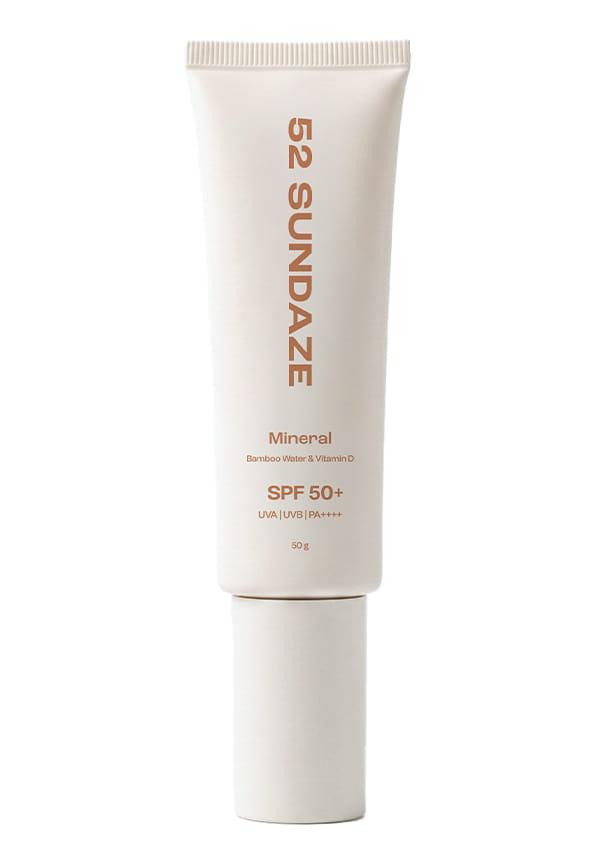
100% Mineral Sunscreen SPF 50 PA++++ for Sensitive Skin
While most skin irritation can be managed at home, certain symptoms require professional attention. Don't ignore warning signs that could indicate more serious conditions requiring medical treatment.
See a dermatologist if your skin rash spreads rapidly, develops blisters or open sores, or is accompanied by fever or other systemic symptoms. Persistent irritation that doesn't improve after two weeks of gentle care also warrants professional evaluation.
Signs of infection include increased warmth, pus, red streaking, or worsening pain. Dermatitis that keeps returning despite avoiding known triggers might indicate an underlying condition that needs specific treatment.
Prepare for your appointment by bringing a list of all products you use, photos of the irritation at its worst, and your trigger diary if you've been keeping one. This information helps dermatologists identify patterns and recommend appropriate treatments.
Focus on gentle, fragrance-free products, maintain proper skin hydration, identify and avoid personal triggers, and protect your skin from environmental stressors. Natural doesn't always mean gentle, so patch test everything new.
Apply cool compresses, take an antihistamine, use calamine lotion or hydrocortisone cream on affected areas, and avoid scratching. If itching is severe or widespread, consult a healthcare provider.
Stay well-hydrated with plain water, and consider anti-inflammatory options like green tea or chamomile tea. Avoid alcohol and excessive caffeine, which can dehydrate your skin and worsen irritation.
Remove the irritant immediately, cleanse gently with cool water, apply a cool compress, use a gentle moisturiser, and consider over-the-counter anti-inflammatory treatments like hydrocortisone cream for temporary relief.
Hidden triggers include fragrances in household products, laundry detergents, fabric softeners, new clothing treatments, stress, hormonal changes, weather shifts, and even ingredients in foods or medications.
Managing skin irritation successfully comes down to understanding your skin's unique needs and responding appropriately. The most effective approach combines immediate relief strategies with long-term prevention, always prioritising gentle care over harsh treatments.
Remember that finding the right products for your sensitive skin often involves some trial and error. Smytten's trial packs let you test gentle skincare options from trusted brands without committing to full sizes, making it easier to discover what truly works for your skin. With over 1,500 brands available and the ability to try up to 8 minis for just ₹249, you can explore soothing skin solutions risk-free.
The journey to healthier, more comfortable skin takes patience, but with these expert strategies, you're well-equipped to handle whatever your skin throws at you. Focus on consistency, listen to your skin's signals, and don't hesitate to seek professional help when needed. Your skin will thank you for the thoughtful, gentle approach.
