7 Essential UV Protection Skincare Tips Revealed
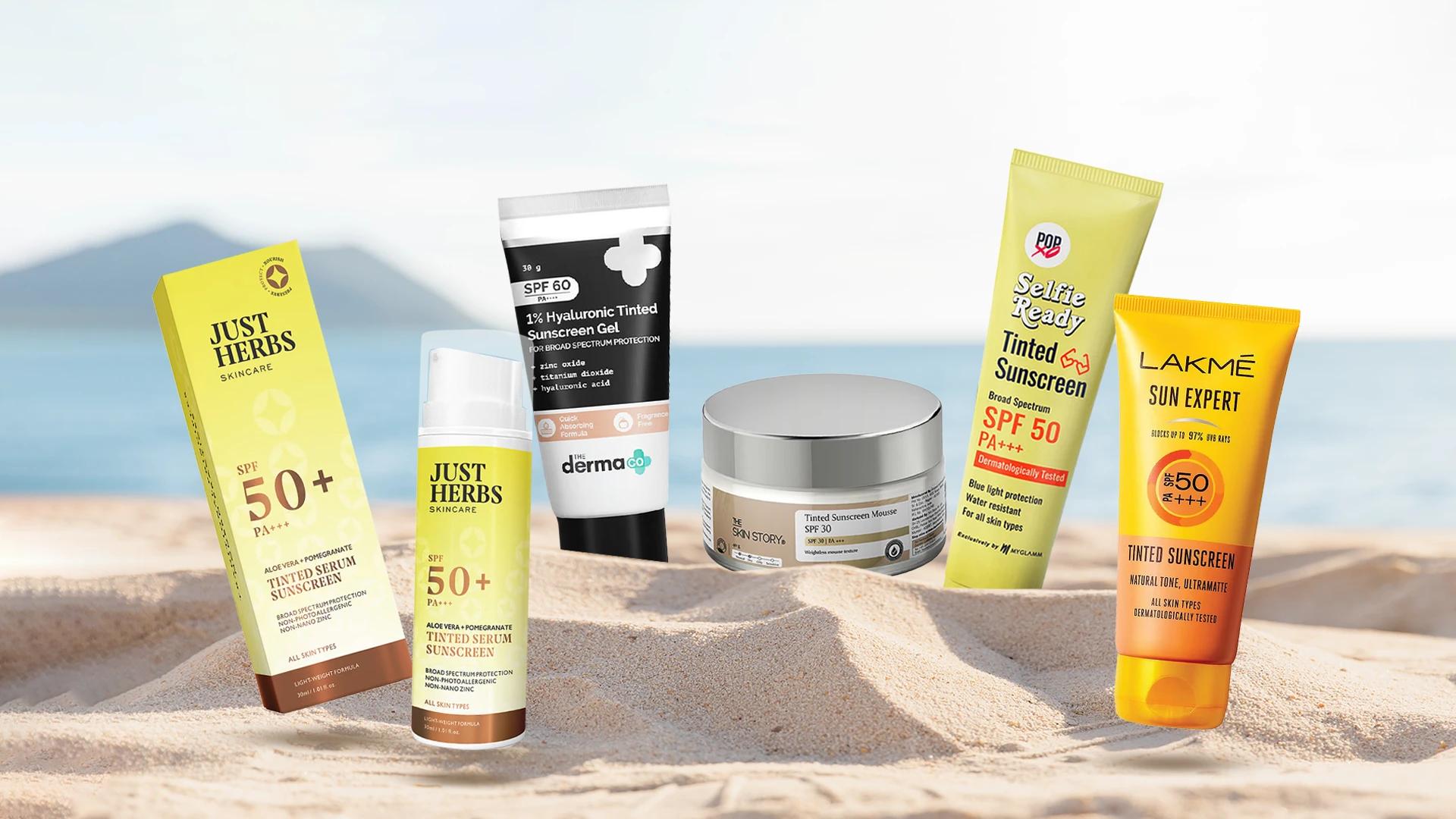

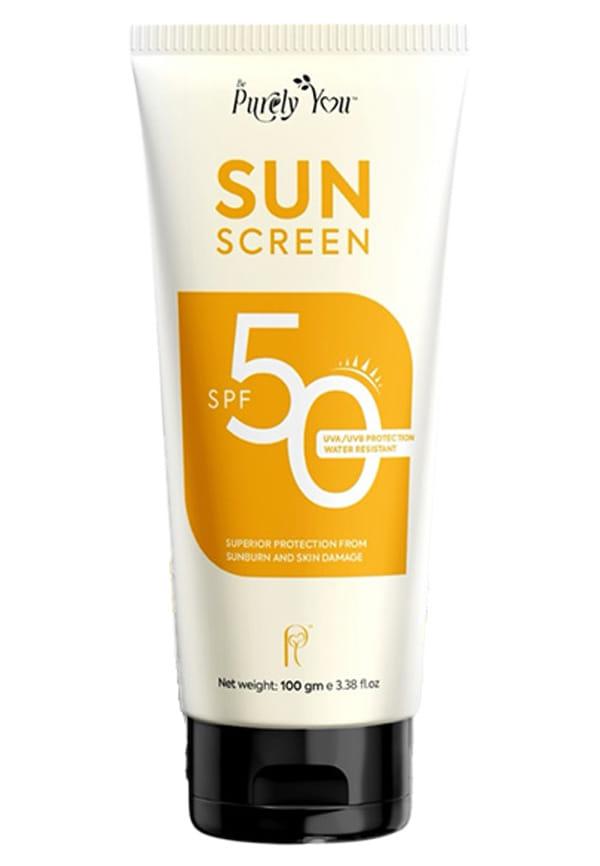
Sun Screen SPF - 50
Let's be real—UV damage is responsible for a whopping 80% of visible ageing signs. That's not just a scary statistic; it's a wake-up call that your daily skincare routine needs serious UV protection. But here's the thing: effective UV protection skincare goes way beyond slapping on some sunscreen and calling it a day. We're talking about a comprehensive approach that combines the right products, proper application techniques, and smart lifestyle choices. Ready to discover the seven essential tips that dermatologists actually swear by? These game-changing strategies will help you build a bulletproof defence against UV damage whilst keeping your skin healthy and glowing for years to come.
Before diving into the tips, let's get clear on what we're actually protecting against. UV radiation comes in two main forms that affect your skin differently, and understanding this is crucial for proper skin health.
UVA rays penetrate deep into your skin and are the primary culprits behind premature ageing, wrinkles, and dark spots. They're present all day long and can even pass through windows—which means you're getting exposed even when you're indoors. UVB rays, on the other hand, are the ones that cause sunburn and play a major role in developing skin cancer. They're strongest between 10 AM and 4 PM.
Here's what many people don't realise: UV damage is cumulative. Every single day of unprotected exposure adds up, leading to long-term consequences like hyperpigmentation, loss of elasticity, and increased skin cancer risk. Even on cloudy days, up to 80% of UV rays can penetrate through clouds, making daily protection absolutely non-negotiable.
Not all SPF levels are created equal, and choosing the right one depends on your daily activities and skin type. Let's break down what those numbers actually mean and which one might be your perfect match.
SPF 30 blocks about 97% of UVB rays, whilst SPF 50 blocks 98%. SPF 70? It blocks around 98.5%. The difference between SPF 30 and 50 is more significant than between 50 and 70, which is why most dermatologists recommend SPF 50 as the sweet spot for daily wear.
PA ratings measure UVA protection, and this is where things get interesting. PA+++ offers very high UVA protection, whilst PA++++ provides the highest level available. For comprehensive anti-aging protection, look for PA++++ ratings alongside your SPF.
For everyday use, an SPF 50 with PA++++ is your best bet. If you're planning outdoor activities or have fair skin, consider SPF 70. The key is consistency—the best sunscreen is the one you'll actually use every single day.
Here's where most people mess up their UV protection skincare routine: application technique. You could have the world's best sunblock, but if you're not applying it correctly, you're not getting the protection you think you are.
For your face and neck, you need about 1/4 teaspoon of product—that's roughly two finger-lengths of sunscreen squeezed onto your fingers. Most people use way less than this, which dramatically reduces protection.
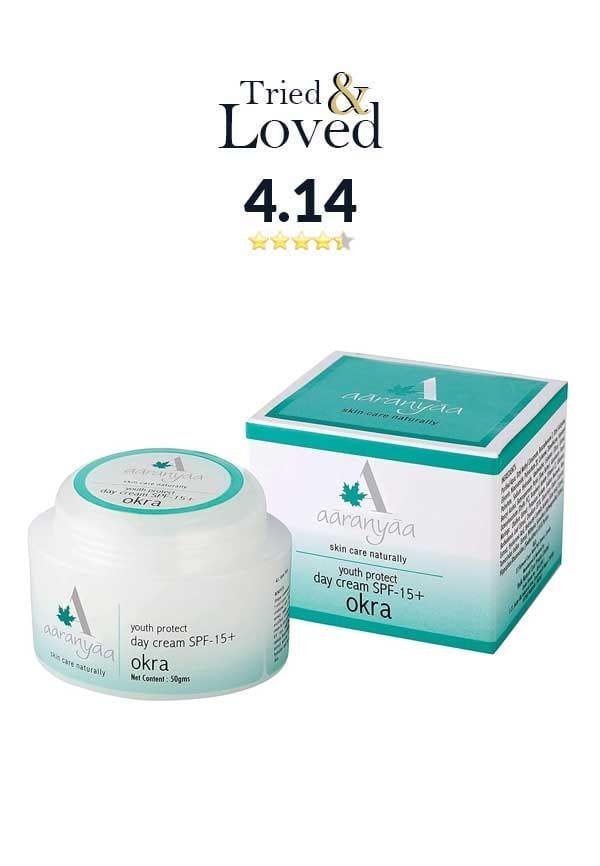
Day Cream - SPF 15
Apply your sunscreen 15-30 minutes before sun exposure to allow it to properly bind to your skin. Don't forget often-missed spots like your ears, the back of your neck, and around your eyes. If you're using a chemical sunscreen, it needs time to absorb and activate.
Every two hours, or immediately after swimming or sweating—no exceptions. For makeup wearers, powder sunscreens or setting sprays with SPF can make reapplication easier throughout the day.
Effective UV protection skincare isn't just about sunscreen—it's about creating a routine that works synergistically to protect and repair your skin. Here's how to build a routine that actually works.
Start with a gentle cleanser, follow with antioxidant serums (vitamin C is brilliant for boosting sun protection), then apply your moisturiser and finish with broad-spectrum SPF. This layering approach creates multiple barriers against UV damage.
Your daily skincare routine should include evening repair ingredients like retinoids, niacinamide, or alpha hydroxy acids to help reverse any damage from the day. These ingredients work best at night when your skin is in repair mode.
The beauty of a well-structured routine is that each product enhances the others. Antioxidants boost your sunscreen's effectiveness, whilst evening treatments help repair any damage that might have occurred despite your best protection efforts.
Smart sun protection goes beyond what you put on your skin. These additional strategies can significantly boost your UV defence and are often recommended by dermatologists as part of a comprehensive approach.
Wide-brimmed hats, UV-protective clothing, and quality sunglasses aren't just fashion statements—they're serious protection tools. Look for clothing with UPF (Ultraviolet Protection Factor) ratings for the best coverage.
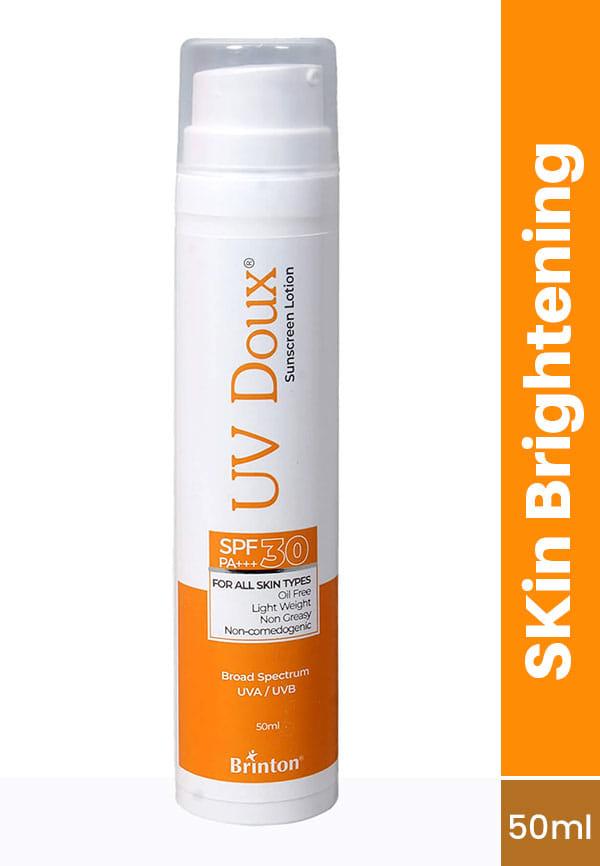
Sunscreen Lotion with SPF 30
Plan outdoor activities for early morning or late afternoon when UV rays are less intense. If you must be outside during peak hours (10 AM to 4 PM), seek shade whenever possible.
Don't forget about indoor UV exposure. Windows block most UVB rays but let UVA through, so if you sit near windows regularly, daily SPF is still essential for maintaining optimal skin health.
Here's the thing about anti-aging: prevention is infinitely more effective than treatment. Consistent UV protection can prevent up to 80% of visible ageing signs, making it the most powerful anti-aging tool in your arsenal.
Niacinamide helps strengthen your skin barrier and reduces inflammation from UV exposure. Vitamin C provides antioxidant protection and helps prevent hyperpigmentation. Hyaluronic acid keeps skin plump and helps it recover from environmental stressors.
Whilst prevention should be your priority, combining it with targeted treatments gives you the best results. Think of UV protection as your daily insurance policy and treatments like retinoids as your repair crew.
This is where platforms like Smytten become incredibly valuable. With access to trial packs from trusted brands like Cetaphil and Dot & Key, you can experiment with different UV protection products and anti-aging ingredients without committing to full sizes. Finding your perfect UV protection skincare routine becomes much more affordable and less risky when you can try before you buy.
Finding the right UV protection products for your skin can feel overwhelming, especially with so many options available. The key is understanding your skin's specific needs and being willing to experiment until you find your perfect match.
Oily skin benefits from lightweight, gel-based formulas that won't clog pores. Dry skin needs more moisturising sunscreens with hydrating ingredients. Sensitive skin should look for mineral sunscreens with zinc oxide or titanium dioxide.
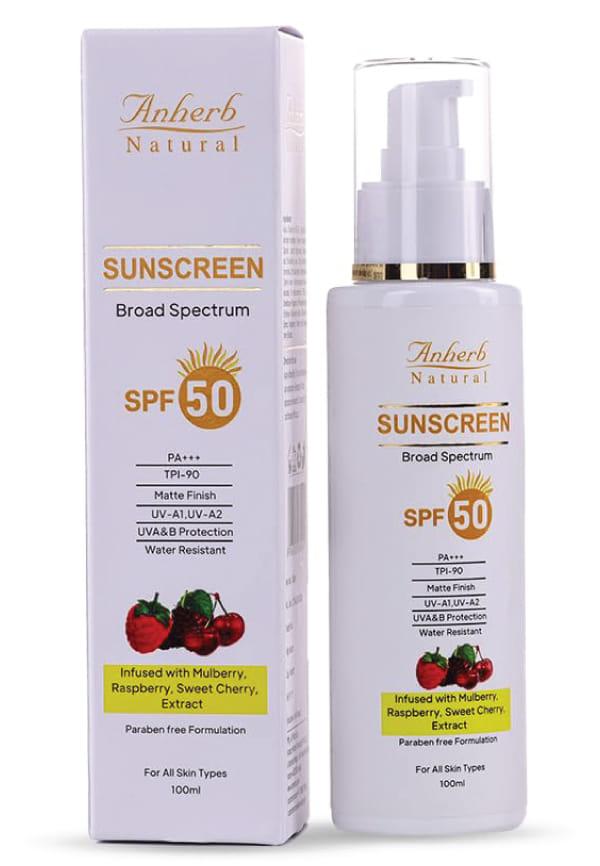
Sunscreen SPF 50
Sweating Side Effect
 4
4“Ok product, causing sweating of face”
Rather than investing in full-size products that might not work for you, consider trying mini versions first. This approach lets you test how different formulas feel under makeup, how they interact with your other skincare products, and whether they cause any irritation.
With Smytten's trial packs, you can explore products from over 1,500 trusted brands, including skincare favourites like Love, Beauty & Planet and Bella Vita. Getting up to 8 minis for just ₹249 means you can build a comprehensive testing routine without breaking the bank.
The best UV protection combines broad-spectrum SPF 30 or higher with zinc oxide or titanium dioxide for sensitive skin, or chemical filters for lighter textures. Look for lightweight, non-comedogenic formulas that layer well under makeup and provide both UVA and UVB protection.
SPF 50 offers the best balance of protection and wearability for most people. SPF 30 blocks 97% of UVB rays, SPF 50 blocks 98%, and SPF 70 blocks 98.5%. The jump from 30 to 50 is more significant than from 50 to 70, making SPF 50 the dermatologist-recommended sweet spot.
Use a multi-layered approach: apply broad-spectrum sunscreen daily, wear protective clothing and hats, seek shade during peak hours (10 AM-4 PM), and incorporate antioxidants into your skincare routine. Consistency is key—even cloudy days require protection.
PA++++ offers the highest level of UVA protection available and is better for preventing hyperpigmentation and premature ageing. PA+++ provides very high protection, but PA++++ is worth choosing if you're serious about long-term skin health and anti-aging benefits.
Whilst you can use the same product, facial sunscreens are typically formulated to be lighter and less likely to cause breakouts. Body sunscreens might be too heavy for facial use, especially under makeup. It's worth investing in a dedicated facial formula for daily wear.
Building an effective UV protection skincare routine doesn't have to be complicated, but it does require consistency and the right products for your skin type. From choosing the proper SPF level to mastering application techniques and incorporating protective lifestyle habits, these seven essential tips form the foundation of healthy, protected skin.
Remember, the best sunscreen is the one you'll use every single day. Don't be afraid to experiment with different formulas until you find your perfect match—your future self will thank you for the effort. Whether you're just starting your UV protection journey or looking to upgrade your current routine, these dermatologist-approved strategies will help you maintain healthy, youthful skin for years to come.
The beauty of modern skincare is that you don't have to guess what works for your skin. With platforms offering trial sizes and the ability to test products before committing to full sizes, building your ideal UV protection routine has never been more accessible or affordable. After all, why settle for maybe when you can try it all and find exactly what your skin needs?
