7 Essential Steps to Your Perfect Basic Skincare Routine


Let's be real—skincare doesn't have to be rocket science. You've probably scrolled through endless routines with 12+ steps and thought, "Who has time for all that?" The truth is, a solid basic skin care routine with just seven essential steps can give you that healthy, glowing skin you're after. Whether you're a complete beginner or someone looking to simplify their current routine, these steps will become your new best friends. Think of this as your roadmap to consistent daily skincare that actually works without the overwhelm.
A basic skin care routine isn't about cutting corners—it's about focusing on what your skin truly needs. Unlike those complex 15-step regimens that look impressive on social media, a simple routine targets the fundamentals: cleansing away daily grime, maintaining your skin's moisture barrier, and protecting against environmental damage. Science backs this approach too. Research shows that consistent daily skincare habits, even simple ones, deliver better results than sporadic use of expensive products. Your skin thrives on routine, not chaos. When you stick to the basics, you're giving your skin exactly what it needs to repair, protect, and regenerate naturally. The biggest mistake people make? Thinking more products equal better results. Actually, overloading your skin can disrupt its natural balance, leading to irritation, breakouts, or that tight, uncomfortable feeling. A well-structured basic routine respects your skin's natural processes whilst addressing its core needs. Consistency trumps complexity every single time. It's better to use a simple routine religiously than to have a cupboard full of products you use sporadically. Your skin needs time to adapt and show results—usually around 4-6 weeks of consistent use.
Skin cleansing is where everything begins, and getting this step right sets the tone for your entire routine. Think of cleansing as hitting the reset button on your skin—removing makeup, sunscreen, pollution, and the day's buildup so your other products can actually do their job.
The 4-2-4 method might sound fancy, but it's actually quite straightforward. Start with an oil-based cleanser and massage it into dry skin for 4 minutes. This step melts away makeup, sunscreen, and oil-based impurities that water alone can't budge. Next, follow with a water-based cleanser (cream or foam) for 2 minutes. This removes any remaining residue and water-based impurities like sweat and dirt. Finally, rinse thoroughly for 4 minutes with lukewarm water. This ensures every trace of cleanser is gone, preventing pore-clogging buildup.
Gel cleansers work brilliantly for oily skin types, cutting through excess sebum without over-drying. If you've got dry skin, cream cleansers are your friend—they cleanse whilst maintaining your skin's natural moisture. Sensitive skin? Micellar water is gentle yet effective, removing impurities without harsh rubbing. Remember, morning and evening skin cleansing serve different purposes. Morning cleansing removes overnight buildup, whilst evening cleansing tackles the day's accumulation of makeup, sunscreen, and environmental pollutants.
Modern toner uses have evolved far beyond those harsh, alcohol-laden formulas your mum might remember. Today's toners are all about prepping your skin to absorb the products that follow whilst maintaining optimal pH balance.
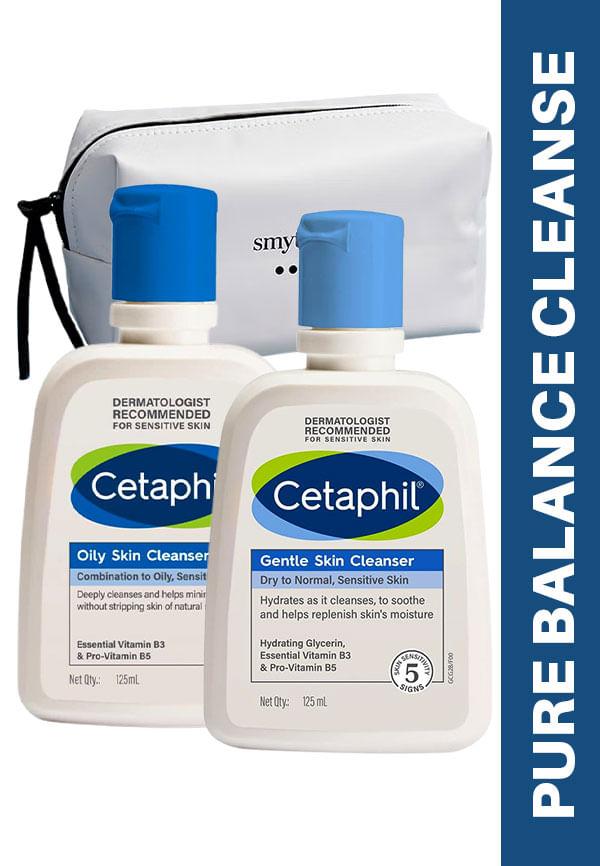
Gentle Skin Care Kit
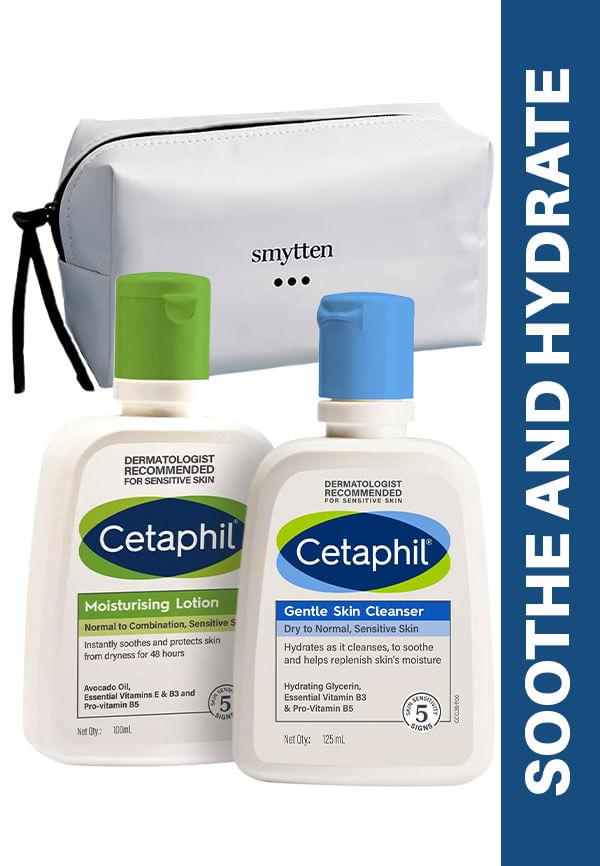
Skin Care Kit
Hydrating toners add an extra layer of moisture and help plump the skin, whilst exfoliating toners containing AHAs or BHAs gently remove dead skin cells. The key is understanding which type suits your skin's current needs. Application technique matters too. You can use a cotton pad for gentle exfoliating toners, but patting hydrating toners directly onto clean skin with your hands often works better—no product waste, and your skin gets the full benefit.
If you're using a gentle, pH-balanced cleanser and your skin feels comfortable after cleansing, toning might be optional. However, if you live in a hard water area, use a cleanser with a higher pH, or your skin feels tight after cleansing, a good toner becomes essential. Signs your toner isn't working include increased dryness, irritation, or that tight feeling. Your skin should feel refreshed and prepped, never stripped or uncomfortable.
Here's where exfoliation benefits really shine. Regular exfoliation removes dead skin cells that can make your complexion look dull and prevent your other products from penetrating effectively. But the key word here is 'strategic'—more isn't always better.
Chemical exfoliants like AHAs (glycolic acid, lactic acid) and BHAs (salicylic acid) work by dissolving the bonds between dead skin cells. AHAs are brilliant for surface-level concerns like dullness and fine lines, whilst BHAs dive deeper into pores, making them perfect for oily or acne-prone skin. Physical exfoliants use gentle scrubbing action, but be careful here—harsh scrubs can create micro-tears in your skin. If you prefer physical exfoliation, choose products with smooth, round particles rather than jagged ones.
Start slowly—once or twice a week is plenty for most skin types. Oily skin might handle more frequent exfoliation, whilst sensitive skin might need even less. Evening is typically the best time for exfoliation, as some exfoliants can increase sun sensitivity. Post-exfoliation care is crucial. Your skin will be more receptive to products, so this is the perfect time for hydrating serums and moisturisers. Always follow up with SPF the next morning, even if you normally skip it.
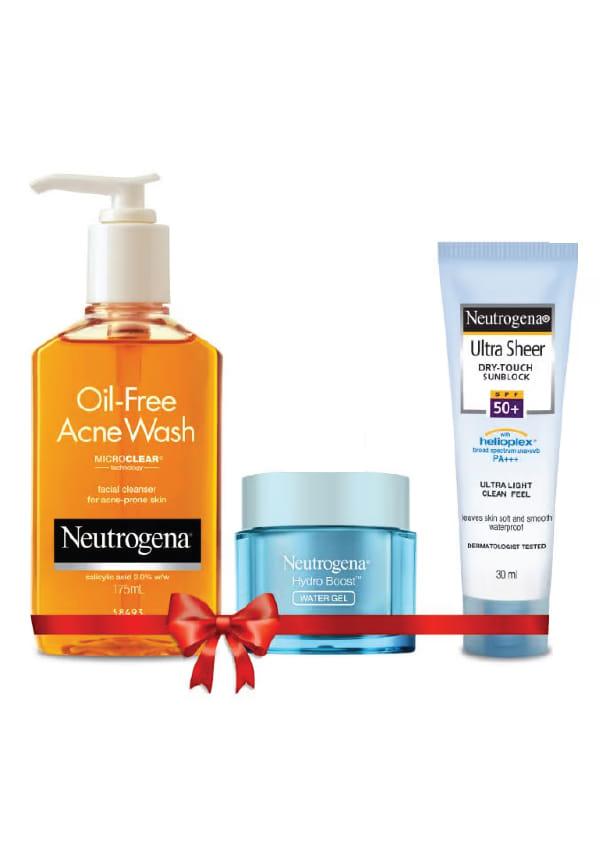
Acne Care Essentials
Nice product, shiny skin
 5
5“very nice product and skin is very shiny”
Good product for face
5“good very good product for face”
Loved product, good deal
5“i loved the product and it's very good deal”
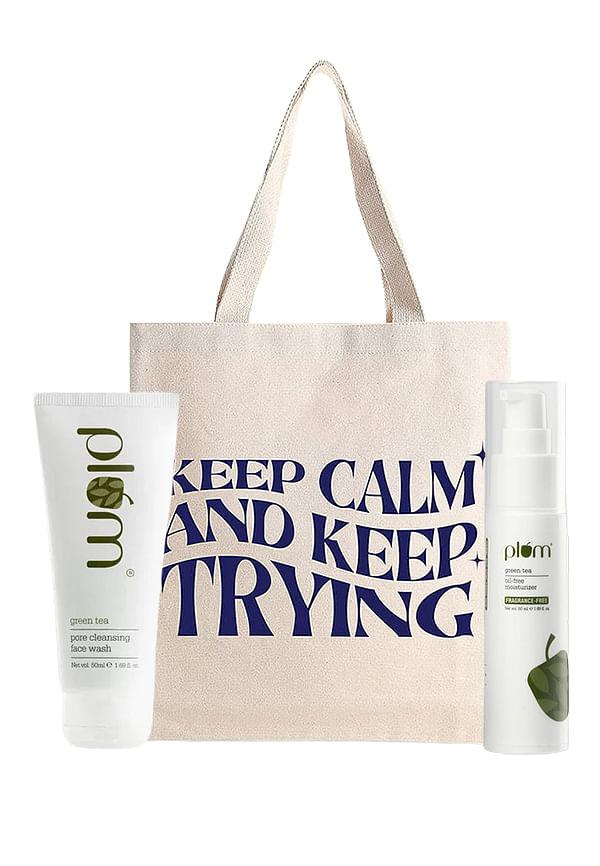
Tea-Riffic Skin Essentials
Effective Cleansing & Moisturizing
4“very good pore cleansing and moisturizes”
Highly Recommended
5“liked the product a lot and would recommend”
Great Product and Gift
4“I loved this product and the free Tote bag as well”
Serums are like the concentrated shots of your skincare routine—packed with active ingredients designed to target specific concerns. The beauty of serums lies in their lightweight texture and high concentration of active ingredients.
Vitamin C serum in the morning provides antioxidant protection against environmental damage whilst brightening your complexion over time. Hyaluronic acid is your skin hydration hero, capable of holding up to 1000 times its weight in water. Niacinamide (Vitamin B3) is brilliant for refining pores, controlling oil production, and strengthening your skin barrier. It's gentle enough for daily use and plays well with most other ingredients.
Serum application follows the golden rule: thinnest to thickest consistency. Apply serums to clean, slightly damp skin for better absorption. A few drops are usually enough—serums are concentrated, so a little goes a long way. Wait about 30 seconds to a minute between applying different serums to allow proper absorption. Avoid mixing different serums in your palm unless you're certain they're compatible—some combinations can reduce effectiveness or cause irritation.
Your face moisturiser is like a protective blanket for your skin, sealing in all the good stuff from previous steps whilst maintaining your skin's natural barrier. Every skin type needs moisture—yes, even oily skin.
Lightweight gel moisturisers work beautifully for oily skin, providing hydration without feeling heavy or greasy. They absorb quickly and won't clog pores or add unwanted shine. Dry skin craves richer cream formulations with ingredients like ceramides, hyaluronic acid, and natural oils. These help repair and strengthen the skin barrier whilst providing long-lasting skin hydration. Combination skin can be tricky—you might need different moisturisers for different areas, or look for lightweight formulas that provide adequate hydration without overwhelming your T-zone.
Morning moisturisers often contain SPF and lighter textures that work well under makeup. Evening moisturisers can be richer and contain ingredients like retinol or peptides that work best during your skin's overnight repair cycle. Don't forget your eye area—the skin here is thinner and more delicate, often needing a separate, gentler moisturiser designed specifically for this area.
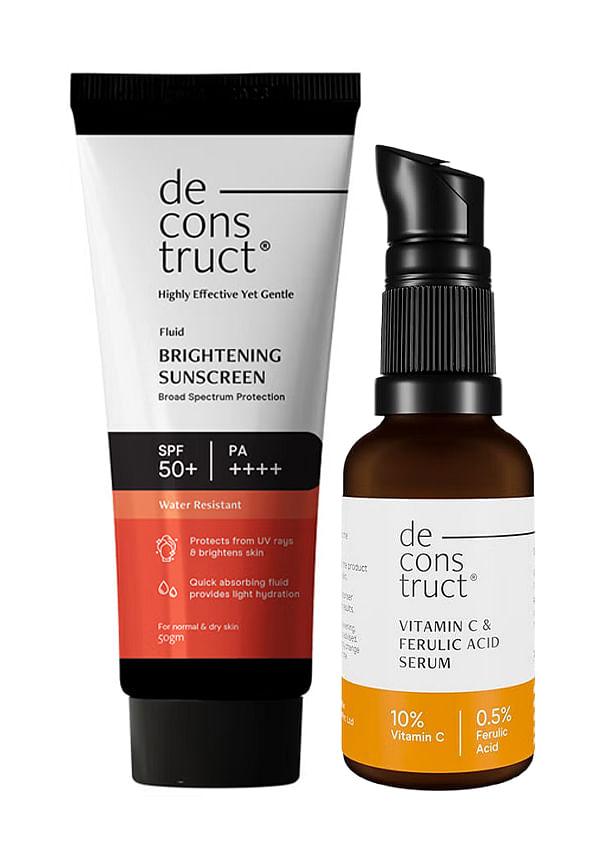
Ultimate Skin Protection & Glow Kit for Dry Skin

Skin Repair Cream
This sunscreen guide might be the most important section you read. Sun protection isn't just for beach days—it's a daily essential that prevents premature ageing, dark spots, and more serious skin damage.
SPF 30 blocks about 97% of UVB rays, whilst SPF 50 blocks about 98%. The difference is minimal, but SPF 30 is generally sufficient for daily wear. The key is applying enough product—most people use far too little to get the stated protection. Chemical sunscreens absorb UV rays and convert them to heat, whilst mineral sunscreens (zinc oxide, titanium dioxide) create a physical barrier that reflects UV rays. Both are effective when used correctly.
Moisturisers with SPF are convenient, but separate sunscreen often provides better protection. If you're using both, apply moisturiser first, wait a few minutes, then apply sunscreen. Reapplication is crucial—every two hours if you're outdoors, or after swimming, sweating, or towelling off. For daily wear, reapplying over makeup can be tricky, but powder sunscreens or setting sprays with SPF can help.
The most perfect skincare routine in the world won't work if you don't stick to it. Building sustainable healthy skin habits is about creating a routine that fits your lifestyle, not the other way around.
Your morning routine should focus on protection: gentle cleanser, vitamin C serum, moisturiser, and SPF. Keep it simple and efficient—you're preparing your skin for the day ahead. Evening routines can be more elaborate since you have more time. This is when you might double cleanse, use treatment serums, or apply richer moisturisers. Your skin repairs itself overnight, so this is prime time for active ingredients.
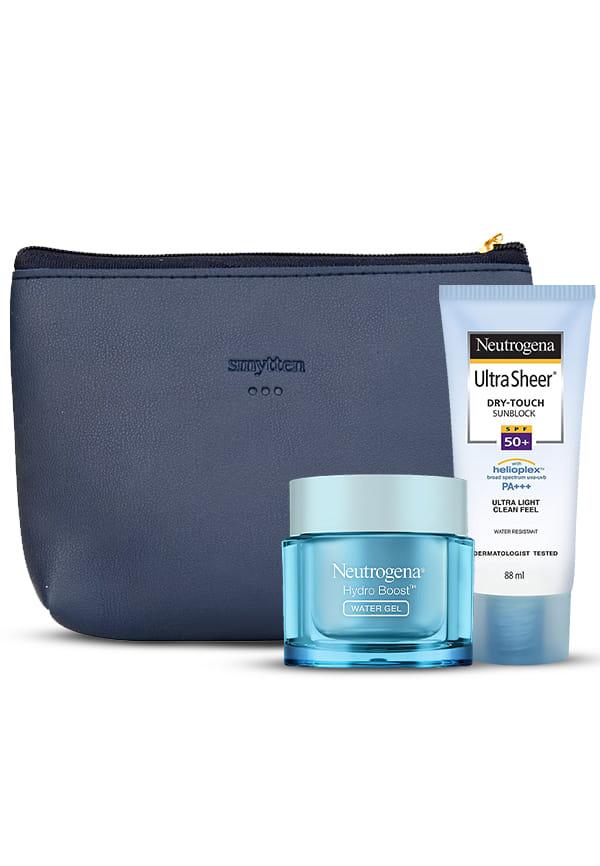
Supple Skin Kit
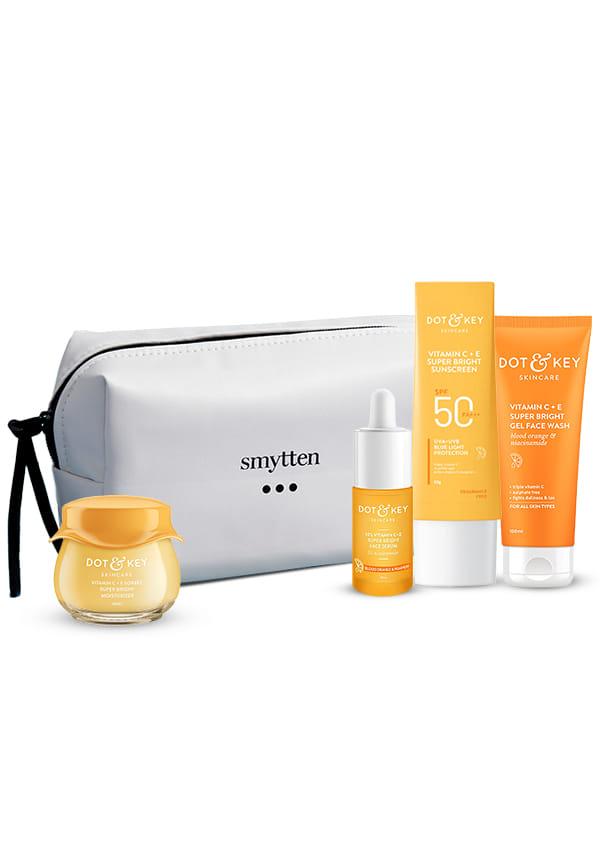
Super Bright Skin Kit
Good Skincare Products
5“good products for skin care I like it”
Effective Product for Skin
5“Good product effective, good for skin....go for it without any doubt”
Skin Glow & Shine
5“it made my skin more glowy & shiny”
Start with the absolute basics—cleanser, moisturiser, and SPF—and add one new product every 2-3 weeks. This approach helps you identify what works and prevents overwhelming your skin. Track how your skin responds to new products. Take photos in consistent lighting to monitor changes over time. Remember, it typically takes 4-6 weeks to see real results from most skincare products. When building your routine, consider trying products before committing to full sizes. Smytten offers curated trial packs from trusted brands like Cetaphil and Dot & Key, letting you explore different products without the commitment. With trial minis available for just ₹249 and 100% cashback redeemable for future purchases, you can discover what works for your skin without the usual trial-and-error expense.
The fundamental basic skin care routine includes cleansing, moisturising, and sun protection. For optimal results, add toning, targeted serums, and weekly exfoliation to address specific skin concerns.
The five essential skincare routine steps are: (1) Cleanse to remove impurities, (2) Hydrate with toner, (3) Treat with serums, (4) Moisturise for barrier protection, and (5) Apply SPF for sun protection.
The 4-2-4 cleansing method involves massaging oil cleanser for 4 minutes, using foam or cream cleanser for 2 minutes, then rinsing thoroughly for 4 minutes to ensure complete cleansing without over-stripping your skin.
Most people notice initial improvements in skin texture within 2-4 weeks, with significant changes in skin clarity and skin hydration visible after 6-8 weeks of consistent use.
Absolutely. The fundamental steps remain the same regardless of gender. Product selection may vary based on individual skin type, concerns, and personal preferences rather than gender-specific needs.
Building the perfect basic skin care routine isn't about having the most products or following the latest trends—it's about understanding your skin's needs and consistently meeting them with quality products. These seven essential steps provide a solid foundation that you can build upon as your skin changes and your knowledge grows. Remember, skincare is deeply personal. What works brilliantly for your friend might not suit your skin, and that's completely normal. The key is starting with these basics and adjusting based on how your skin responds. With platforms like Smytten, you can explore products from over 1,500 trusted brands without the commitment of full-size purchases, making it easier to find your perfect routine match. Your skin is with you for life, so treat it kindly. Consistency beats perfection every time, and small, sustainable changes often deliver the most dramatic long-term results. Start where you are, use what you have, and do what you can—your future skin will thank you for it.
