7 Essential Steps to Start Your Skincare Journey


Starting your skincare journey can feel like standing in front of a wall of products with zero clue where to begin. One friend swears by a 12-step routine, another says soap and water is enough, and Instagram keeps showing you serums that cost more than your monthly coffee budget. Real talk—learning how to start skin care doesn't have to be this overwhelming. The secret isn't buying everything at once or following someone else's routine blindly. It's about understanding your skin, starting simple, and building habits that actually stick. Whether you're 16 or 36, your skin deserves a basic skincare routine that works for you, not against you.
Before diving into products, you need to figure out what your skin actually needs. Think of it like choosing an outfit—you wouldn't wear the same thing to a beach party and a job interview, right? Your skin type determines everything from which cleanser won't strip your face to which moisturiser will keep you glowing all day.
Normal skin is the goldilocks of skin types—not too oily, not too dry, just right. It feels comfortable most of the time and rarely throws tantrums.
Oily skin produces excess sebum, especially in your T-zone. You might notice shine by midday and deal with enlarged pores or occasional breakouts.
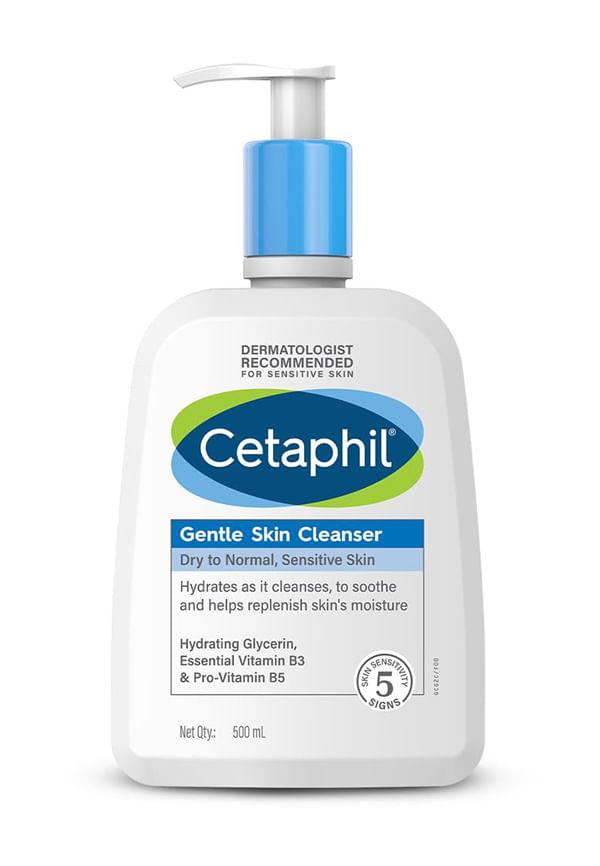
Gentle Skin Cleanser
Dry skin feels tight, especially after cleansing, and might look flaky or rough. It often feels uncomfortable and can appear dull.
Combination skin is like having two different skin types on one face—usually oily in the T-zone and normal to dry everywhere else.
Sensitive skin reacts easily to products, weather, or stress with redness, burning, or irritation.
Here's a quick way to figure out your skin type: wash your face with a gentle cleanser, pat dry, and wait an hour without applying anything. Check how your skin feels and looks.
If it feels comfortable and looks normal, you've got normal skin. Shiny all over means oily skin. Tight and uncomfortable suggests dry skin. Oily T-zone with normal cheeks indicates combination skin. Any stinging or redness points to sensitive skin.
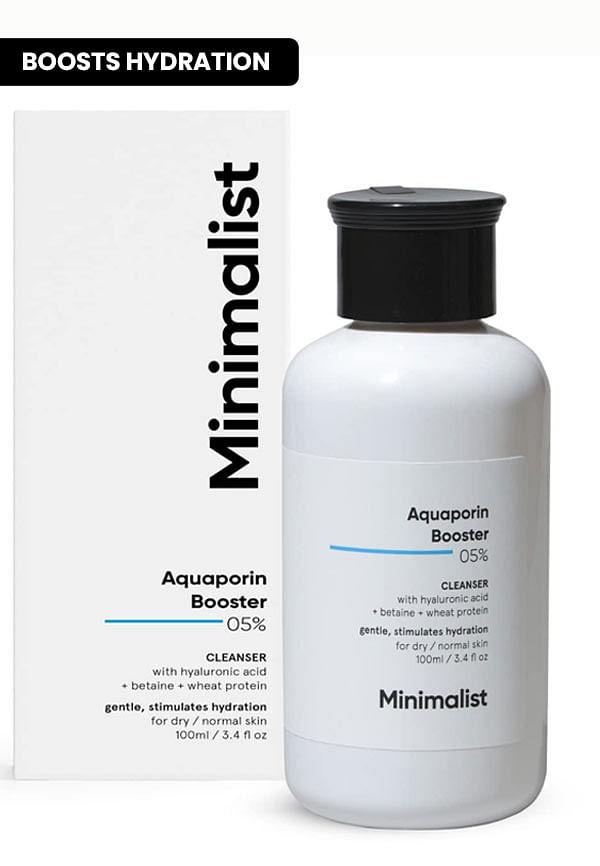
5% Aquaporin Booster Cleanser For Dry Skin With Hyaluronic Acid
Cleansing is your skincare foundation—get this wrong, and everything else becomes harder. The goal isn't to make your face feel squeaky clean (that's actually a bad sign). You want to remove dirt, oil, and makeup without stripping your skin's natural protective barrier.
Morning cleansing removes overnight oil production and prepares your skin for the day ahead. A gentle splash of water might be enough for dry skin, while oily skin usually benefits from a light cleanser.
Evening cleansing is more thorough—you're removing makeup, sunscreen, pollution, and the day's buildup. This is when double cleansing (oil cleanser followed by water-based cleanser) makes sense if you wear heavy makeup or sunscreen.
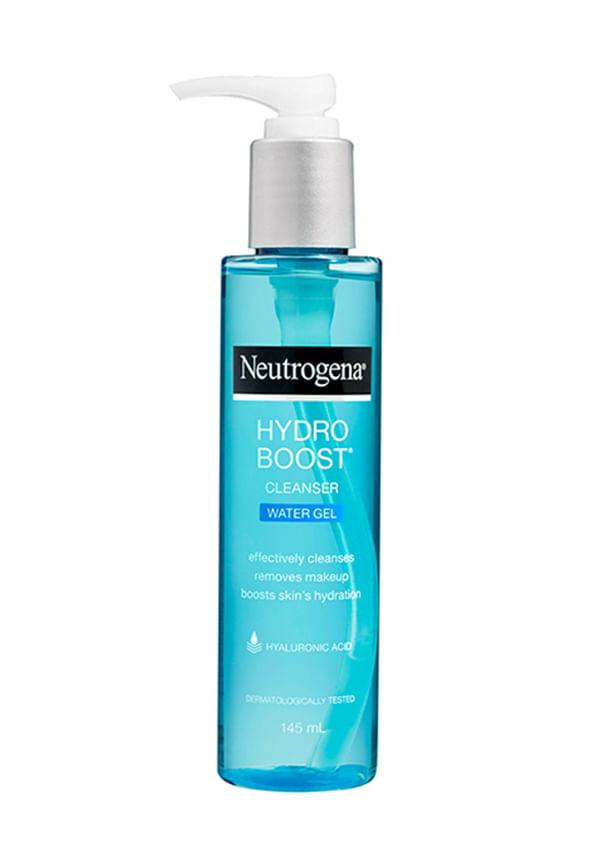
Hydro Boost Cleanser Water Gel With Hyaluronic Acid
For oily skin, gel cleansers with salicylic acid can help control excess oil without over-drying. Dry skin loves cream or lotion cleansers that cleanse while adding moisture. Sensitive skin needs fragrance-free, gentle formulas with minimal ingredients.
Start with something basic and affordable—you can always upgrade later once you understand what your skin likes.
Every skin type needs moisture, even oily skin. Skipping moisturiser because your skin feels oily is like skipping water because you're not thirsty—your skin might actually produce more oil to compensate for dehydration.
Morning moisturisers should be lightweight and play well with sunscreen and makeup. Look for formulas with hyaluronic acid for hydration without heaviness.
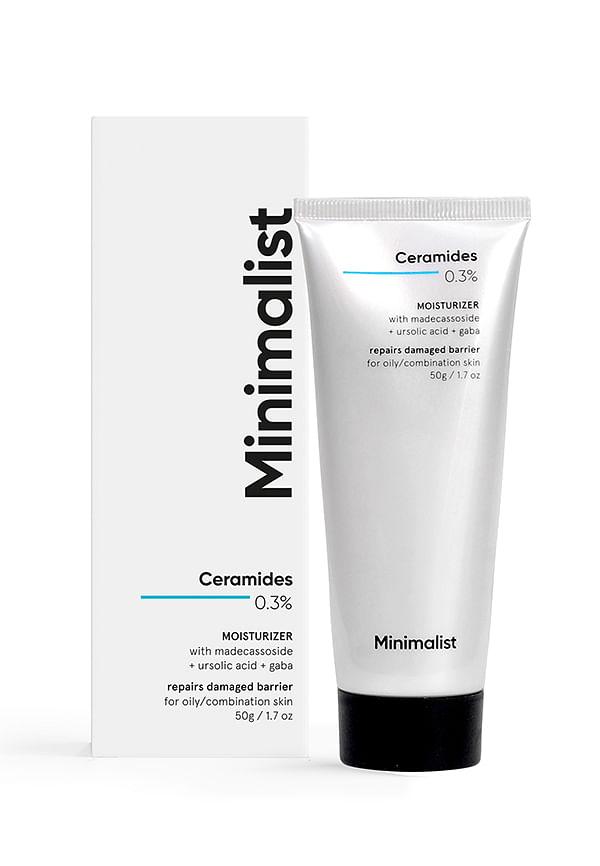
Ceramides 0.3% Moisturizer with Madecassoside
Night moisturisers can be richer since you're not worried about makeup application. This is when ingredients like ceramides and peptides work their magic while you sleep.
Use about a pea-sized amount for your entire face—more isn't always better. Apply to slightly damp skin for better absorption, and don't forget your neck. Gentle upward motions help with application and give you a mini face massage.
If you take away one thing from this skincare guide, let it be this: sunscreen is non-negotiable. It's the single most effective anti-ageing and skin health product you can use. Think of it as your skin's bodyguard against UV damage, premature ageing, and skin cancer.
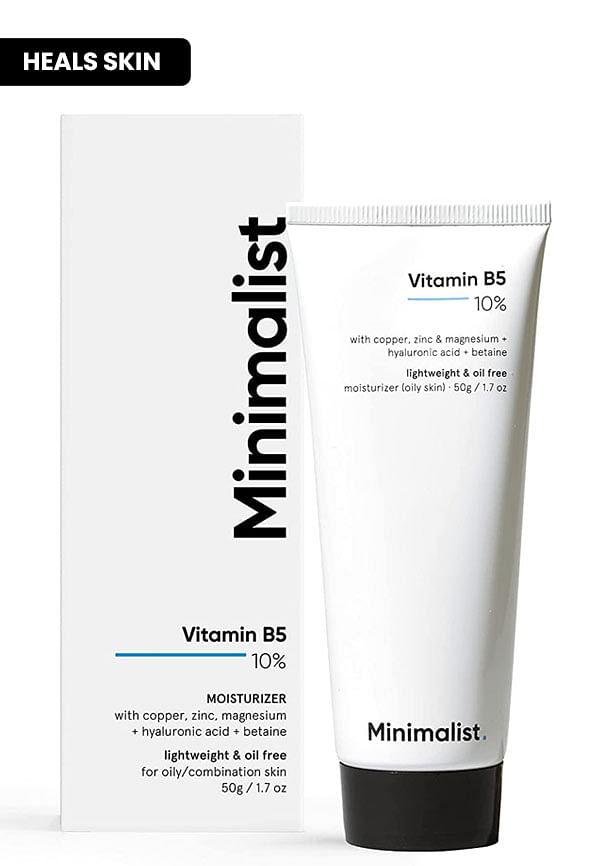
10% Vitamin B5 Oil Free Moisturizer For Oily Skin
Choose broad-spectrum SPF 30 or higher for daily use. Apply about a quarter teaspoon for your face and neck—most people use way too little. Reapply every two hours if you're outdoors, or at least once during the day if you're mostly indoors.
Yes, you need sunscreen indoors if you're near windows. UV rays don't take sick days. Find a formula you actually like wearing—whether that's a lightweight fluid, a tinted moisturiser with SPF, or a powder for touch-ups.
Here's where most people mess up—they buy everything at once and wonder why their skin freaks out. Your skin needs time to adjust to new products, and you need time to figure out what works.
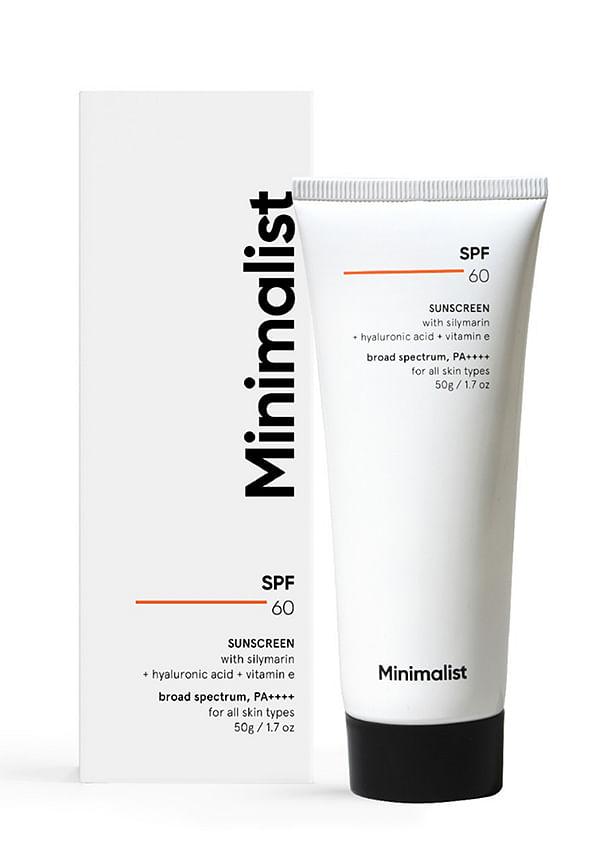
SPF 60 PA ++++ Sunscreen With Antioxidant Silymarin,Senstive Skin & Acne
Week 1: Start with just a gentle cleanser. Use it morning and evening, and pay attention to how your skin feels.
Week 2: Add a moisturiser. Apply it after cleansing, both morning and night.
Week 3: Introduce sunscreen for morning use. Now you have the holy trinity of basic skincare: cleanse, moisturise, protect.
Once your basic routine feels comfortable (give it at least a month), you can consider adding targeted treatments. Introduce one new product at a time, and wait at least two weeks before adding another. This way, you'll know exactly what's helping and what's not.
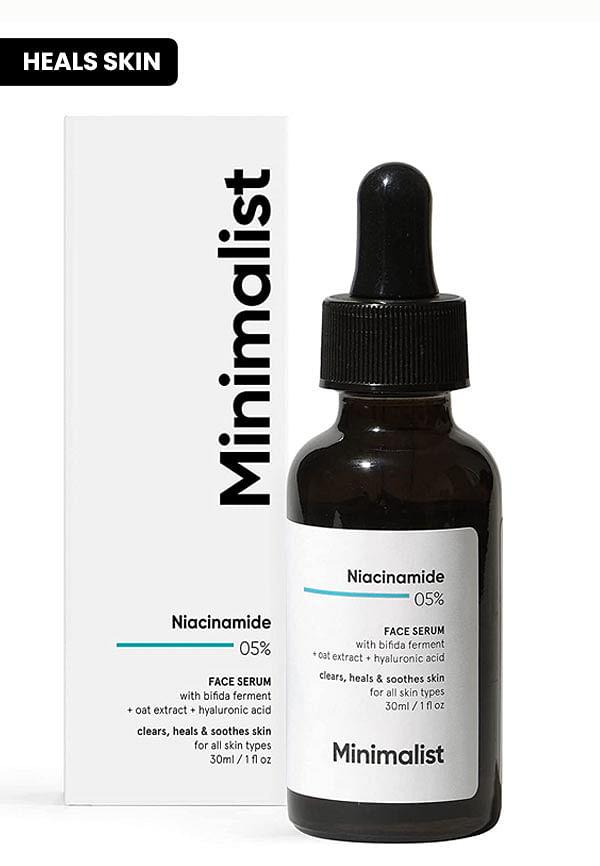
5% Niacinamide Face Serum For Glowing & Clear Skin With 1% Hyaluronic Acid
Natural doesn't always mean better, but some ingredients from your kitchen can be gentle and effective for beginners. The key is knowing what works and what might cause more harm than good.
Raw honey makes a gentle cleanser and mask—it's naturally antibacterial and moisturising. Oatmeal can soothe irritated or sensitive skin when ground into a fine powder and mixed with water. Aloe vera gel (the real stuff, not the bright green kind) can calm inflammation and provide light hydration.
Avoid DIY recipes with lemon, baking soda, or essential oils—these can irritate or damage your skin barrier.
Create a dedicated space for your skincare routine, even if it's just a corner of your bathroom counter. Keep products in a cool, dry place away from direct sunlight. Clean hands are essential—always wash them before touching your face or products.
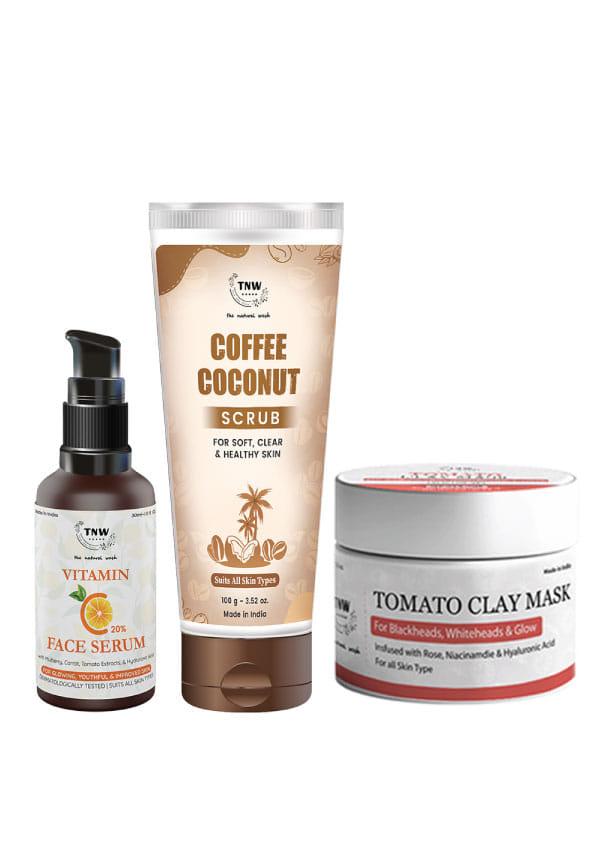
Tomato Clay Mask, Coffee Coconut Scrub & Vitamin C Face Serum for Glowing Skin
Learning how to start skin care means learning what not to do just as much as what to do. These mistakes are super common, so don't feel bad if you've made them—just course-correct and move on.
If your skin feels tight, looks red, or seems more sensitive than usual, you might be overdoing it. Cleansing more than twice a day or using too many active ingredients can damage your skin barrier. Less is often more in skincare.
Most skincare products need 4-6 weeks to show real results. Your skin has a natural renewal cycle, and good things take time. If you're breaking out from a new product, that's different from the temporary "purging" that can happen with certain active ingredients.
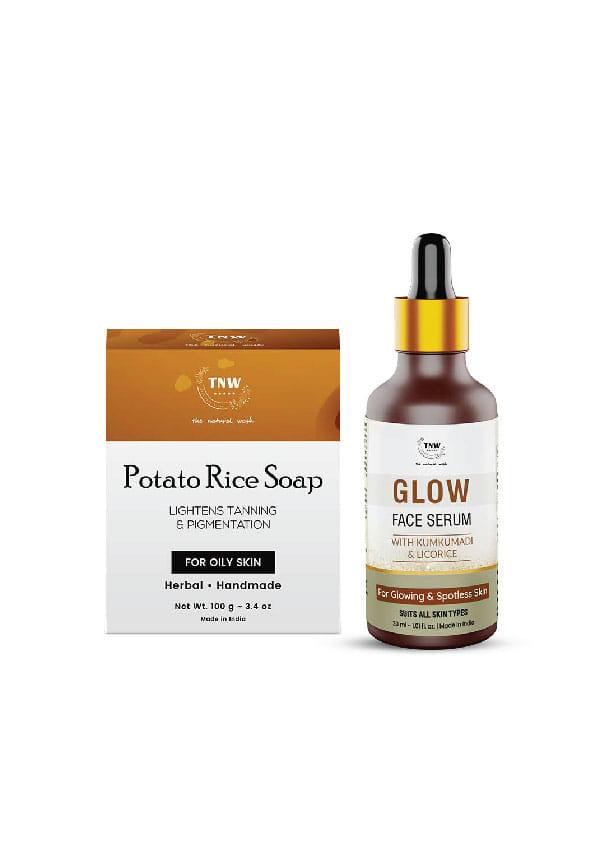
Skincare Combo with Glow Face Serum & Potato Rice Soap | For Glowing Skin & Removing Tanning | Paraben & SulphateFree
Healthy skin is a marathon, not a sprint. Tracking your progress helps you see what's working and keeps you motivated when results feel slow.
Take photos in the same lighting at the same time of day once a week. Keep a simple skin diary noting how your skin feels, any breakouts, and which products you're using. Look for improvements in texture, hydration, and overall comfort rather than just focusing on blemishes.
Your skin changes with seasons, age, hormones, and lifestyle. What works in your twenties might need tweaking in your thirties. Pay attention to your skin's signals and adjust accordingly. If your basic routine is working well, you might add targeted treatments for specific concerns.
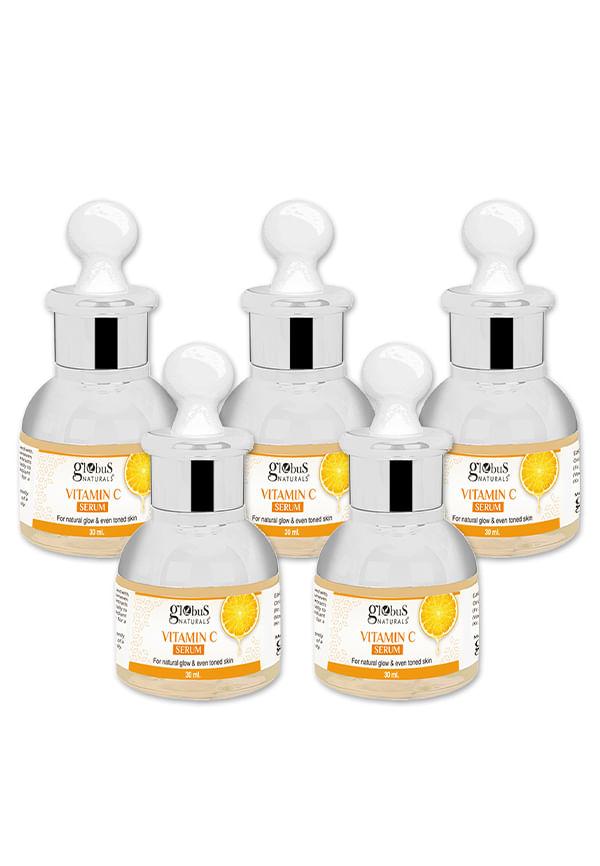
Vitamin C Face Serum, for Natural Glow & Even Skin Tone
This is where platforms like Smytten become incredibly valuable. With curated trial packs from over 1,500 trusted brands including Cetaphil and Dot & Key, you can explore new skincare products without the commitment of full-size purchases. Getting up to 8 minis for just ₹249 with 100% cashback makes it easy to experiment and find what works for your evolving skin needs.
Absolutely not! It's never too late to start taking care of your skin. While starting earlier is ideal, beginning a skincare routine at 26 can still provide significant benefits for skin health and appearance. Your skin will thank you for starting now rather than waiting even longer.
The 4-2-4 rule is a cleansing method: massage cleansing oil for 4 minutes, add water and massage for 2 minutes, then rinse with lukewarm water for 4 minutes. While thorough, this might be too much for beginners or sensitive skin.
Most people see initial improvements in skin texture and hydration within 2-4 weeks. Significant changes in concerns like acne or pigmentation typically take 6-12 weeks. Consistency is key—stick with your routine for at least a month before making major changes.
Some natural ingredients can be effective, but they're not always gentler or better than formulated products. Commercial skincare products undergo testing for safety and efficacy. If you prefer natural options, research ingredients thoroughly and patch test everything.
You don't need to spend a fortune to start. A basic routine with cleanser, moisturiser, and sunscreen can cost anywhere from ₹1,000 to ₹3,000. Focus on finding products that work for your skin rather than the most expensive options.
Starting your skincare journey doesn't require a chemistry degree or a massive budget—just patience, consistency, and the willingness to listen to your skin. Remember, the best routine is the one you'll actually stick to. Start simple with the three basics: gentle cleansing, moisturising, and sun protection. Build from there as you learn what your skin loves.
Your skin is unique, and what works for your friend might not work for you. That's where trial and error becomes your best friend. With platforms that let you try before you commit, like Smytten's trial packs from trusted brands, you can discover your perfect products without the fear of wasting money on full-size products that might not suit you.
The journey to healthy skin is exactly that—a journey. There will be good days and not-so-good days, but consistency beats perfection every time. Start today with one small step, whether that's choosing your first gentle cleanser or finally committing to daily sunscreen. Your future self will thank you for beginning this journey, no matter where you're starting from.
