7 Essential Skincare Tips for Indian Skin Types


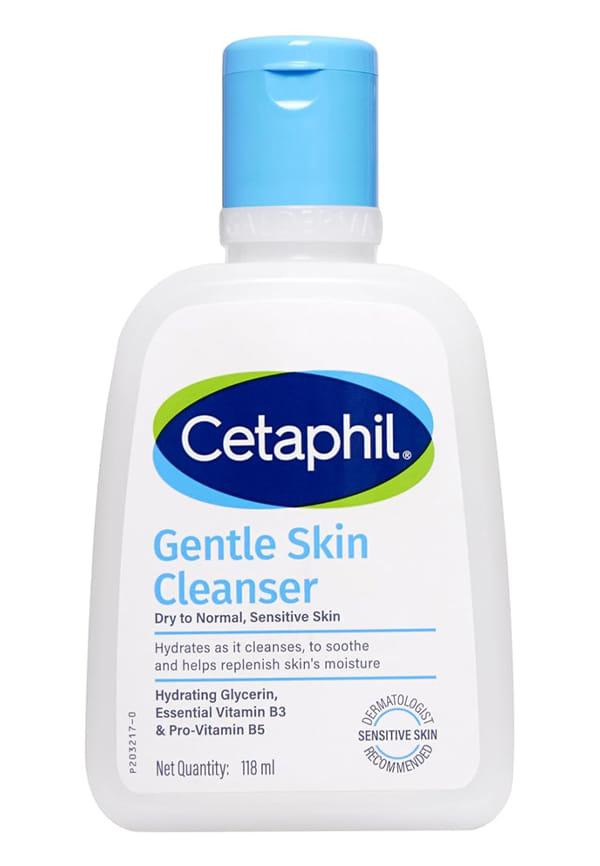
Gentle Skin Cleanser
Let's be real—Indian skin has its own unique personality. From dealing with the intense sun to managing monsoon humidity, our skin faces challenges that generic advice just doesn't cover. Whether you're battling hyperpigmentation, trying to find the perfect balance for oily skin, or looking for natural skincare remedies that actually work, you've come to the right place. These seven essential skincare tips for Indian skin will help you build a routine that works with your skin's natural characteristics, not against them. Ready to discover what your skin has been waiting for?
Indian skin isn't just about having more melanin—it's a whole different ball game. Our skin tends to be more reactive to environmental changes, produces oil differently across seasons, and has specific concerns that need targeted solutions. The higher melanin content in Indian skin offers natural sun protection, but it also means we're more prone to post-inflammatory hyperpigmentation. That tiny pimple? It might leave a dark spot that takes months to fade. Plus, our diverse climate zones mean someone in Mumbai deals with completely different skin challenges than someone in Delhi. Most Indian skin types also have combination characteristics—oily T-zones with normal to dry cheeks. This makes finding the right Indian skin care routine a bit like solving a puzzle. But here's the thing: once you understand your skin's unique needs, everything clicks into place.
Hyperpigmentation tops the list for most of us. Whether it's acne scars, melasma, or just uneven skin tone, dark spots seem to be our skin's default response to any irritation. Oily skin solutions become crucial, especially during summer months when humidity levels soar. The constant battle between staying matte and keeping skin hydrated is real. Then there's the sensitivity factor. Indian skin often reacts strongly to harsh ingredients, making gentle yet effective formulations essential.
Your Indian skin care routine should work like a well-choreographed dance—each step flowing seamlessly into the next. The key is consistency and choosing products that complement each other rather than competing for attention. Morning routines for Indian skin need to focus on protection and preparation. Start with a gentle cleanser that won't strip your skin's natural oils. Follow with a vitamin C serum for skin brightening benefits—this powerhouse ingredient helps fade dark spots while protecting against environmental damage. Moisturiser comes next, and this is where many people go wrong. Even oily skin needs hydration, just in a lighter formula. Look for gel-based or water-based moisturisers that sink in quickly without leaving a greasy residue. Sunscreen is non-negotiable. Choose broad-spectrum SPF 30 or higher, and make sure it doesn't leave a white cast on your skin care for brown skin. Reapply every few hours, especially if you're outdoors.
Nights are for repair and renewal. Double cleansing works wonders—start with an oil-based cleanser to remove makeup and sunscreen, then follow with your regular cleanser. This is when you can introduce active ingredients for acne treatment or anti-ageing. Retinoids, AHAs, or BHAs can work their magic while you sleep, but introduce them slowly to avoid irritation. End with a nourishing night moisturiser or facial oil to support your skin's natural repair process.
Hyperpigmentation treatment requires patience and the right ingredients. The good news? There are plenty of effective options that work beautifully on Indian skin tones. Vitamin C remains the gold standard for brightening. It inhibits melanin production and helps fade existing dark spots. Niacinamide is another superstar—it reduces inflammation and helps even out skin tone without irritation. Alpha arbutin and kojic acid are gentler alternatives to hydroquinone, working slowly but surely to lighten dark spots. These ingredients are particularly effective for post-acne marks that seem to linger forever.
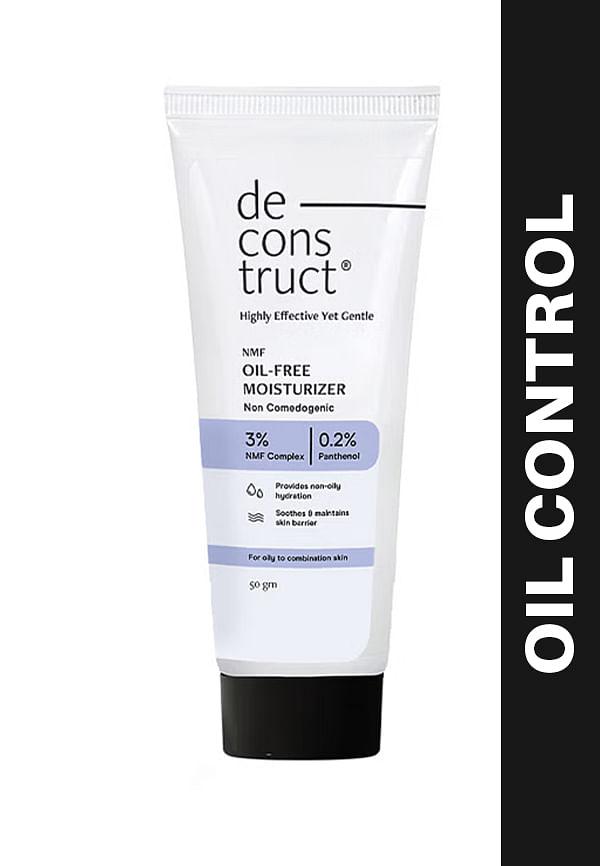
Oil-Free Moisturizer for Oily Skin - 3% NMF Complex + 0.2% Panthenol
Natural skincare remedies have been part of Indian beauty traditions for centuries, and many of them have solid science backing their effectiveness. Turmeric mixed with honey creates a powerful anti-inflammatory mask that can help prevent new dark spots from forming. Fresh lemon juice (diluted with rose water) works as a gentle chemical exfoliant, but use it sparingly and always follow with sunscreen. Tomato pulp contains natural acids that can help brighten skin over time. Gram flour (besan) mixed with yoghurt makes an excellent gentle exfoliating treatment that won't irritate sensitive skin.
Ayurvedic skincare isn't just trendy—it's a time-tested approach that considers your entire constitution, not just your skin type. Understanding your dosha (Vata, Pitta, or Kapha) can help you choose ingredients and routines that work in harmony with your natural tendencies. Neem has powerful antibacterial properties that make it excellent for acne-prone skin. Sandalwood cools and soothes irritated skin, while tulsi helps purify and balance oil production. Oil cleansing, a cornerstone of Ayurvedic skincare, works surprisingly well even for oily skin. Sesame oil for Vata types, coconut oil for Pitta, and mustard oil for Kapha can help balance your skin's natural oil production.
The beauty of modern ayurvedic skincare lies in combining ancient wisdom with contemporary formulation techniques. You don't have to choose between traditional remedies and modern skincare—they can work beautifully together. Seasonal adjustments are crucial in Ayurveda. Your skin's needs change with the weather, and your routine should adapt accordingly. Lighter formulations during summer, richer ones during winter, and extra care during monsoon season.
One size definitely doesn't fit all when it comes to Indian skin. Whether you're dealing with oily, dry, or combination skin, your approach needs to be tailored to your specific concerns. Oily skin solutions for Indian climate focus on controlling excess sebum without over-drying. Clay masks once or twice a week can help absorb excess oil, while salicylic acid provides gentle exfoliation that keeps pores clear. The trick with oily skin is finding that sweet spot between oil control and hydration. Your skin might be producing excess oil because it's actually dehydrated, so don't skip the moisturiser.
Dry skin care in India comes with unique challenges. Air conditioning, pollution, and seasonal changes can all contribute to moisture loss. Look for ingredients like ceramides, glycerin, and hyaluronic acid that help your skin retain moisture. Avoid over-cleansing, which can strip away natural oils your skin desperately needs. A humidifier in your bedroom can work wonders, especially during winter months when indoor heating can make dryness worse.
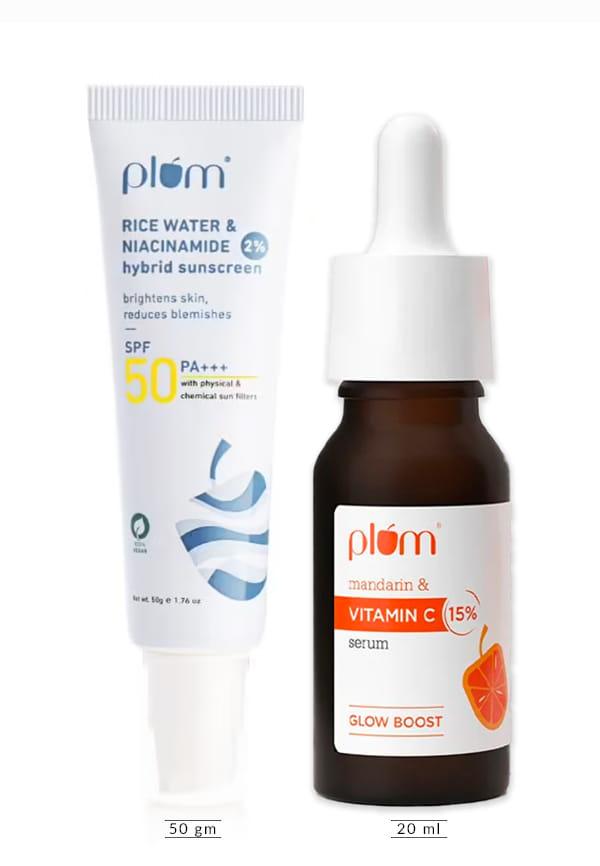
Sun Protection Power Duo
Sun protection for Indian skin goes beyond just slapping on any SPF. The key is finding formulations that work well under makeup, don't leave a white cast, and provide adequate protection for our climate. Mineral sunscreens with zinc oxide and titanium dioxide offer excellent protection but can sometimes leave a chalky residue on darker skin tones. Look for tinted versions or chemical sunscreens that blend seamlessly. Reapplication is where most people fail. Carry a powder sunscreen or setting spray with SPF for easy touch-ups throughout the day.
Antioxidants in your diet and skincare routine provide additional protection against sun damage. Vitamin E, green tea extract, and resveratrol all help neutralise free radicals caused by UV exposure. Protective clothing, wide-brimmed hats, and seeking shade during peak hours (10 AM to 4 PM) are equally important parts of your sun protection strategy.
Acne treatment for Indian skin requires a delicate balance. Our skin tends to be more reactive, so gentle yet effective approaches work best. Salicylic acid is excellent for keeping pores clear without over-drying. Start with lower concentrations (0.5-1%) and gradually increase if needed. Benzoyl peroxide can be effective but may cause irritation and bleaching of fabrics. The real challenge with acne on Indian skin is preventing post-inflammatory hyperpigmentation. This means being extra gentle with your skin and avoiding picking or squeezing blemishes.
Preventing breakouts is often easier than treating them. Regular pillowcase changes, avoiding touching your face, and managing stress levels all play crucial roles. Diet can also impact acne, though the relationship isn't the same for everyone. Some people find that dairy or high-glycemic foods trigger breakouts, while others see no connection.
Skin hydration needs change dramatically with India's diverse seasons. What works during Mumbai's humid summers might leave your skin feeling heavy, while Delhi's dry winters require much richer formulations. During monsoon season, focus on lightweight, fast-absorbing hydrators. Hyaluronic acid serums work beautifully in humid conditions, drawing moisture from the air into your skin. Winter calls for richer creams and possibly adding a facial oil to your routine. Don't forget that indoor heating and air conditioning can be just as drying as outdoor conditions.
The Korean skincare concept of layering works wonderfully for Indian skin. Start with the thinnest consistency and work your way up—essence, serum, moisturiser, and finally oil if needed. This approach allows you to customise your hydration levels based on your skin's daily needs without overwhelming it with heavy products. Platforms like Smytten make it incredibly easy to experiment with different hydrating products without committing to full sizes. With over 1,500 trusted brands available in trial sizes, you can discover what works best for your skin's unique hydration needs across different seasons.
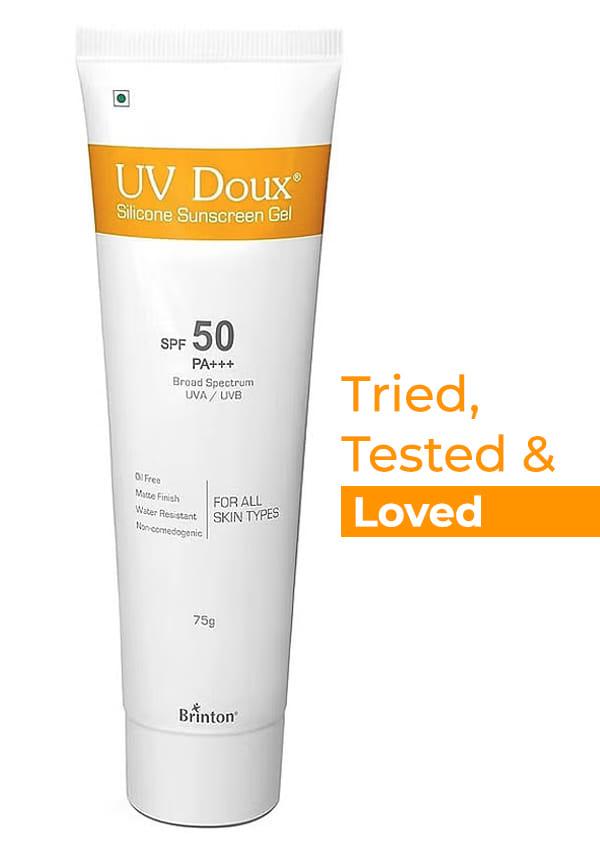
Silicone Sunscreen Gel with SPF 50 PA +++
Sunscreen application every morning is absolutely crucial. Indian skin is prone to hyperpigmentation, and UV exposure is the primary trigger for dark spots and uneven skin tone.
Your basic routine can stay consistent, but you'll likely need to adjust product weights and add or remove certain steps based on seasonal changes. Lighter formulations work better during humid months, while richer products are needed during dry seasons.
Most people see initial improvements within 2-4 weeks, but significant changes like fading hyperpigmentation can take 8-12 weeks of consistent use. Patience is key with skincare.
Not necessarily. Many affordable ingredients like niacinamide, salicylic acid, and ceramides are highly effective. The key is finding formulations that work well with your skin type and concerns, regardless of price point.
If you have sensitive skin, fragrance-free products are generally safer. However, many people with normal skin tolerance can use lightly fragranced products without issues. Always patch test new products first.
Building an effective skincare routine for Indian skin is all about understanding your unique needs and being consistent with your approach. Remember that what works for your friend might not work for you, and that's perfectly normal. The beauty of modern skincare lies in having options. Whether you prefer natural skincare remedies, modern formulations, or a combination of both, the key is finding products that make your skin feel healthy and confident. Smytten's trial platform makes this journey so much easier. Instead of investing in full-size products that might not work for your skin, you can explore curated trial packs from trusted brands like Cetaphil, Dot & Key, and Bella Vita. With up to 8 minis available for just ₹249 and 100% cashback on trial purchases, you can experiment with different skincare tips for Indian skin without the financial commitment. After all, why settle for 'maybe' when you can try it all and find exactly what your skin loves?
