7 Essential Skincare Steps for Absolute Beginners


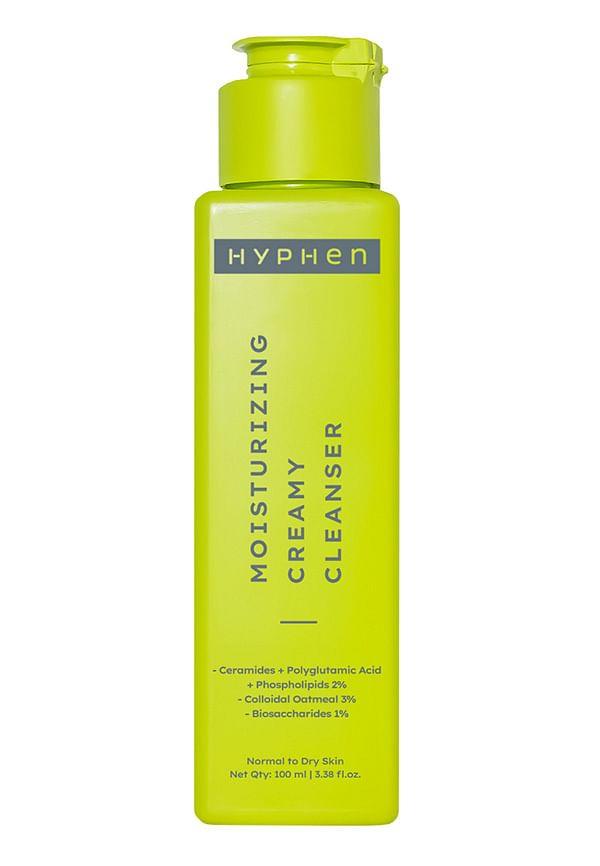
Moisturizing Creamy Cleanser
Not for Acne Skin
 5
5“ok Okk ...but this is not for acne skin”
Creamy Cleanser Makes Skin Soft
5“this creamy cleanser is to good my skin is veri soft”
Great Product for Healthy Skin
5“Great product providing good healthy skin”
Let's be real—starting a basic skincare for beginners routine can feel like learning a new language. One minute you're reading about double cleansing, the next you're drowning in serums with names you can't pronounce. Here's the thing: skincare doesn't have to be complicated. You don't need a 12-step routine or a bathroom cabinet that looks like a chemistry lab. What you need is a simple, effective approach that actually works for your skin. We're breaking down the 7 essential steps that form the foundation of any good skincare routine. These aren't trendy extras—they're the building blocks that dermatologists swear by. Ready to ditch the confusion and build something that actually makes sense? Let's dive in.
Before you start slathering products on your face, you need to know what you're working with. Think of it like choosing the right foundation shade—you wouldn't pick one blindfolded, right? Your skin type determines everything from which cleanser won't strip your face to which moisturiser will actually sink in rather than sit on top like a greasy film. There are four main skin types to know about. Normal skin feels balanced—not too oily, not too dry, minimal breakouts. Oily skin tends to look shiny, especially in the T-zone, and might be prone to blackheads and spots. Dry skin often feels tight, looks flaky, and might get irritated easily. Combination skin is exactly what it sounds like—oily in some areas (usually the T-zone) and normal or dry everywhere else. Here's a simple test you can do at home: wash your face with a gentle cleanser, pat it dry, and wait an hour without applying anything. If your skin feels comfortable, you're likely normal. If it's shiny all over, you're probably oily. Tight and uncomfortable? That's dry skin talking. Shiny nose and forehead but normal cheeks? Welcome to the combination club.
Think of skin cleansing as the reset button for your face. Everything else you put on afterwards works better when you start with a clean canvas. But here's where many beginners go wrong—they think harsher equals better. That squeaky-clean feeling? It's actually your skin crying for help. A good cleanser removes makeup, sunscreen, pollution, and the day's grime without stripping your skin's natural protective barrier. For most beginners, a gentle, cream-based or gel cleanser works brilliantly. If you wear makeup or sunscreen daily, you might want to try double cleansing—start with an oil-based cleanser to break down makeup, then follow with your regular cleanser. The technique matters too. Spend 30-60 seconds massaging the cleanser into damp skin using gentle circular motions. Don't scrub like you're cleaning a pan—your face isn't that dirty, promise. Rinse with lukewarm water (hot water is too harsh) and pat dry with a clean towel. Morning and evening cleansing keeps your skin balanced and ready for the next steps in your routine. Skip the morning cleanse if your skin is on the sensitive side—a splash of water might be enough.
Let's clear something up: the toner your mum used in the '90s is not the same as what's available today. Those old-school astringents were basically alcohol with a fancy name, designed to strip every drop of oil from your face. Modern toners are completely different—they're hydrating, balancing, and actually helpful. Today's toners can add a layer of hydration, help other products absorb better, or deliver gentle active ingredients. If you have sensitive skin or you're just starting out, you can absolutely skip this step. Your skincare routine won't fall apart without it. If you do want to try a toner, look for something alcohol-free with ingredients like hyaluronic acid for hydration or niacinamide for oil control. Apply it with clean hands or a cotton pad, gently patting it into your skin. No aggressive rubbing needed.
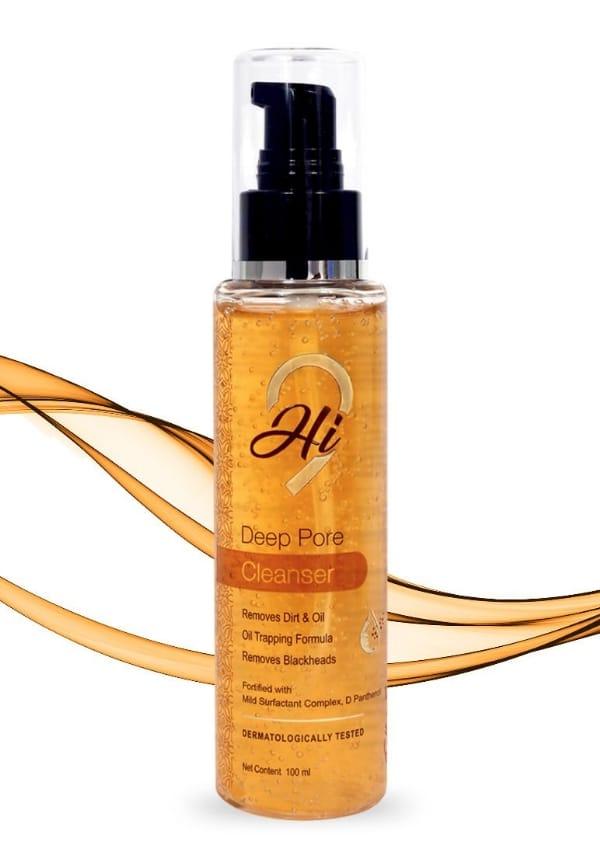
Deep Pore Cleanser
Excellent Cleanser
5“this cleanser is such a good product”
Effective Skin Treatment
5“great effect on skin. real good.”
Positive Cleanser Review
4“the cleanser is really good . I like it”
Serums are like the specialists of skincare—they're concentrated treatments that target specific concerns. But before you get excited about trying every face serum on the market, remember: less is more when you're starting out. For beginners, there are two superstar serums worth knowing about. Vitamin C serum is brilliant for brightening and protecting against environmental damage—use it in the morning under your sunscreen. Hyaluronic acid serum is a hydration hero that works for literally everyone, regardless of skin type. It holds up to 1,000 times its weight in water, so it's like a drink for your skin. If you're dealing with breakouts, a gentle salicin-based serum can help with acne treatment, but introduce it slowly—maybe twice a week to start. Your skin needs time to adjust to new active ingredients. Apply serums to clean, slightly damp skin and give them a minute to absorb before moving on to your moisturiser. Start with one serum and use it consistently for at least a month before adding another. Your skin will thank you for the patience.
Here's a truth bomb: everyone needs a moisturiser, even if you have oily skin. Skipping moisturiser because your skin is oily is like skipping water because you're not thirsty—it doesn't make sense and will probably backfire. Moisturiser does more than just add hydration. It creates a protective barrier that keeps the good stuff in and the bad stuff out. It also helps maintain your skin's pH balance and can make other products work more effectively. For oily skin, look for lightweight, gel-based moisturisers that won't clog pores. Dry skin loves richer, cream-based formulas with ingredients like ceramides and glycerin. Combination skin might need different products for different areas, or you can find a middle-ground formula that works everywhere. Apply moisturiser to slightly damp skin—this helps lock in extra hydration. Use upward motions and don't forget your neck. It's part of your face too, even if we sometimes pretend it isn't.
If you take away just one thing from this entire guide, let it be this: wear sunscreen every single day. Not just when you're at the beach or when it's sunny. Every. Single. Day. UV rays don't take weekends off, and neither should your sun protection. Look for a broad-spectrum SPF 30 or higher. Broad-spectrum means it protects against both UVA rays (the ageing ones) and UVB rays (the burning ones). You want protection from both, trust us. For beginners, mineral sunscreens with zinc oxide or titanium dioxide are often gentler and less likely to cause irritation. They sit on top of your skin and physically block UV rays. Chemical sunscreens absorb into your skin and convert UV rays into heat—they work brilliantly too, but some people find them more irritating. Apply sunscreen as the last step in your morning routine, and don't be stingy. You need about a quarter teaspoon for your face and neck. Reapply every two hours if you're spending time outdoors, or if you're sweating or swimming.
Exfoliation is like giving your skin a gentle reset. It removes dead skin cells that can make your complexion look dull and can clog pores. But here's the key word: gentle. Over-exfoliation is one of the fastest ways to damage your skin barrier and end up with irritation, redness, and breakouts. There are two types of exfoliation to know about. Physical exfoliation uses small particles to manually buff away dead skin—think gentle scrubs with jojoba beads or a soft washcloth. Chemical exfoliation uses acids like salicylic acid or lactic acid to dissolve the bonds between dead skin cells. For beginners, start with once a week and see how your skin responds. Oily skin might handle twice a week, while sensitive skin might prefer every 10 days. If you're using a chemical exfoliant, start with the lowest concentration available and always follow up with moisturiser. Never exfoliate broken or irritated skin, and always use sunscreen the day after exfoliating—your skin will be more sensitive to UV rays.
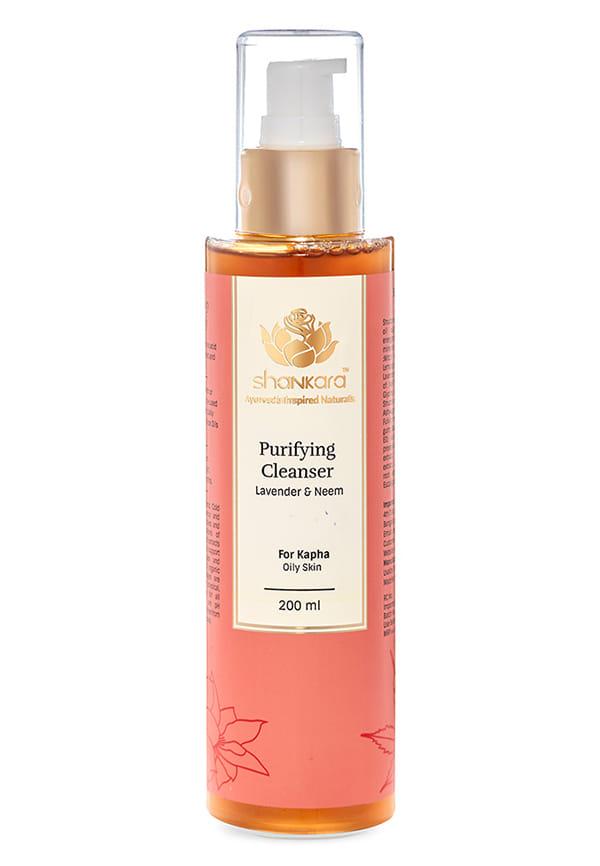
Purifying Cleanser
Now that you know the individual steps, let's put them together into routines that actually work in real life. Your morning routine should focus on protection, while your evening routine is about repair and renewal. Your morning skincare routine should be simple and quick. Start with a gentle cleanser (or just water if your skin is sensitive), apply any serums (vitamin C is perfect for morning), follow with moisturiser, and finish with sunscreen. That's it—four steps that take less than five minutes. Evening routines can be a bit more elaborate since you have more time and your skin does most of its repair work while you sleep. Remove makeup and sunscreen with your cleanser, apply a toner if you're using one, add your evening serum (like hyaluronic acid), and finish with a slightly richer moisturiser than your morning one. The key to building a successful routine is patience. Start with the basics—cleanser, moisturiser, and sunscreen—and use them consistently for at least a month. Then add one new product at a time, giving your skin 2-4 weeks to adjust before introducing anything else. This is where platforms like Smytten become incredibly valuable for beginners. Instead of committing to full-size products that might not work for your skin, you can try mini versions of different cleansers, moisturisers, and serums to find what your skin actually loves. With over 1,500 trusted brands available in trial sizes, you can experiment without the financial risk or bathroom cabinet clutter.
Let's talk about the mistakes that trip up almost every skincare beginner, so you can sidestep them entirely. The biggest one? Trying to fix everything at once. We get it—you want healthy skin now, not in three months. But your skin needs time to adjust to new products, and introducing too many things at once makes it impossible to know what's helping and what's hurting. Another common mistake is expecting overnight results. Real skincare changes happen gradually. You might notice your skin feeling softer or looking more hydrated within a week or two, but significant changes in texture, tone, or breakouts usually take 4-6 weeks to become visible. Skipping patch tests is another rookie error. Just because a product works for your best friend doesn't mean it'll work for you. Test new products on a small area of skin (like behind your ear or on your inner wrist) and wait 24 hours to see if you react. Consistency beats perfection every time. It's better to do a simple three-step routine every day than a complex 10-step routine twice a week. Your skin thrives on routine, not sporadic intensive treatments.
Start with three essential products: a gentle cleanser, a basic moisturiser for your skin type, and SPF 30+ sunscreen. Use these consistently for 2-4 weeks before adding any new products. This gives your skin time to adjust and helps you identify what works.
Focus on gentle, fragrance-free products. Look for a mild cleanser that doesn't leave your skin feeling tight, a moisturiser suited to your skin type, and a broad-spectrum sunscreen with zinc oxide or titanium dioxide. Avoid products with long lists of active ingredients until your skin is used to a basic routine.
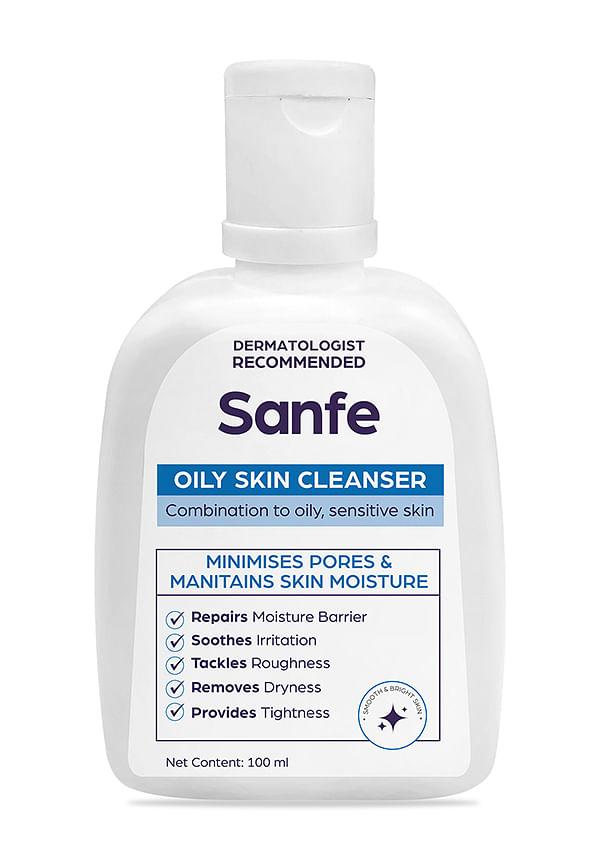
Oily Skin Cleanser
Gentle & Fragrant
4“not much stripping but has a fragrance”
Good for Oily Skin
4“this product really good for oily skin”
Good Product, Recommended
5“good product everyone should use”
The five skincare basics are cleansing (removing dirt and impurities), moisturising (maintaining hydration), sun protection (preventing UV damage), gentle exfoliation (removing dead skin cells weekly), and consistency in your routine. These fundamentals work for all skin types.
You might notice immediate improvements in skin texture and hydration within 1-2 weeks. However, significant changes in concerns like acne, dark spots, or fine lines typically take 4-6 weeks of consistent use. Some improvements, particularly with anti-ageing products, can take 3-6 months to become noticeable.
While some products work well both morning and night, your routines should have different focuses. Morning routines prioritise protection (antioxidants and sunscreen), while evening routines focus on repair and renewal (stronger actives and richer moisturisers). However, beginners can start with similar routines and adjust as they learn what their skin needs.
Apply products from thinnest to thickest consistency. The general order is: cleanser, toner (if using), serum, moisturiser, and sunscreen (morning only). Wait a minute or two between each step to allow proper absorption.
Building a basic skincare for beginners routine doesn't have to be overwhelming or expensive. Start with the essentials—cleansing, moisturising, and sun protection—and build from there. Remember that consistency trumps complexity every time, and your skin needs patience to show you real results. The beauty of starting simple is that you learn what your skin actually needs rather than what marketing tells you it should want. Some people thrive with just the basics, while others gradually add serums and treatments as they identify specific concerns. Smytten makes this journey so much easier by letting you try products before committing to full sizes. With trial packs from trusted brands like Cetaphil and Dot & Key, you can discover what works for your unique skin without the guesswork or waste. After all, why settle for 'maybe' when you can try it all and find your perfect match? Your skin—and your wallet—will thank you for taking the time to find what truly works.
