7 Essential Popular Skincare Steps for Radiant Skin
%20Ovulatory%20Phase-bf27e649-55d5-4c94-9382-b771d2075309.webp&w=3840&q=75)

Let's be real—skincare can feel overwhelming when you're scrolling through endless routines online. One influencer swears by 12 steps, another says three is enough, and you're left wondering what actually works. The truth is, there are seven popular skincare steps that form the backbone of any effective daily skincare routine. These aren't random trends—they're tried-and-tested methods that dermatologists and skincare enthusiasts worldwide rely on for healthy, glowing skin. Whether you're a complete beginner or looking to refine your current routine, mastering these seven steps will give you the foundation for radiant skin that feels as good as it looks.
The seven essential popular skincare steps create a comprehensive framework that addresses every aspect of skin health. These steps work in harmony: cleansing removes impurities, toning balances your skin's pH, serums target specific concerns, eye care protects delicate areas, moisturisers lock in hydration, exfoliation removes dead skin cells, and sun protection prevents damage. What makes these steps "popular" isn't just their widespread use—it's their proven effectiveness across different skin types and concerns. Unlike the extensive 10-step Korean routines or minimal 3-step approaches, this 7-step method strikes the perfect balance between thoroughness and practicality. The science behind layering these products correctly is crucial. You apply products from thinnest to thickest consistency, allowing each layer to absorb properly before adding the next. This ensures maximum penetration and effectiveness of active ingredients. Most people start seeing initial improvements within 2-4 weeks of consistent use, with more significant changes appearing after 6-8 weeks. The key is consistency—your skin needs time to adjust and respond to new products and routines.
Skin cleansing is non-negotiable in any skincare routine. It removes dirt, oil, makeup, and environmental pollutants that accumulate throughout the day. Without proper cleansing, even the most expensive serums and moisturisers can't penetrate effectively. The golden rule is gentle but thorough. Over-cleansing strips your skin's natural oils, leading to irritation and increased oil production. Under-cleansing leaves residue that clogs pores and prevents other products from working properly.
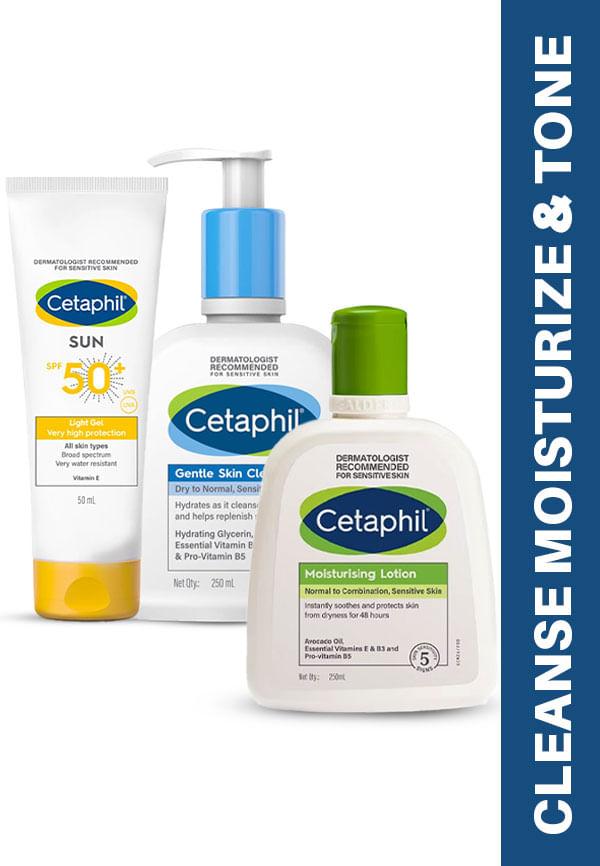
CMS Kit
Morning cleansing should be gentle since you're mainly removing overnight skincare products and natural oils. A single cleanse with a mild cleanser is usually sufficient. Evening cleansing requires more effort, especially if you wear makeup or sunscreen. The double cleanse method—first with an oil-based cleanser, then a water-based one—ensures complete removal of all products and impurities.
Gel cleansers work brilliantly for oily and acne-prone skin, providing deep cleaning without over-drying. Cream cleansers are perfect for dry or sensitive skin, offering gentle cleansing with added moisture. Micellar water serves as an excellent option for quick cleansing or sensitive skin that can't tolerate traditional cleansers.
Modern toners have evolved far beyond the harsh, alcohol-based astringents of the past. Today's formulations focus on skin hydration, pH balancing, and preparing your skin to better absorb subsequent products. Toners serve multiple purposes: they remove any remaining traces of cleanser, restore your skin's natural pH balance, and provide an initial layer of hydration. Think of them as the bridge between cleansing and treatment products.
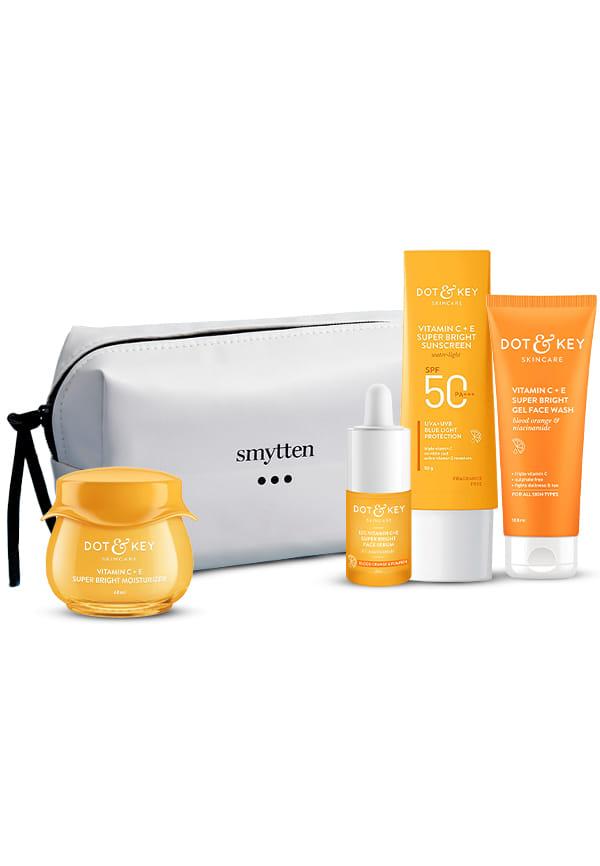
Super Bright Skincare Kit
Excellent Product & Vanity Pouch
 5
5“excellent I loved the product also the vanity pouch”
Excellent Product & Vanity Pouch
5“excellent I loved the product also the vanity pouch”
Excellent Product & Vanity Pouch
5“excellent I loved the product also the vanity pouch”
Traditional astringents were designed to strip oil and tighten pores, often leaving skin dry and irritated. Modern toners focus on nourishment and preparation. Hydrating toners contain ingredients like hyaluronic acid and glycerin, while exfoliating toners feature gentle acids like lactic acid for mild chemical exfoliation.
The application method matters. Patting toner into your skin with clean hands or a cotton pad ensures better absorption than wiping motions. Some people follow the "7 skin method"—applying toner in seven thin layers, allowing each to absorb before the next. This technique provides intense hydration for dry or dehydrated skin.
Face serums are the workhorses of any skincare routine. These concentrated formulations deliver active ingredients directly to your skin, addressing specific concerns like aging, acne, hyperpigmentation, or dehydration. Serums have smaller molecular structures than moisturisers, allowing them to penetrate deeper into the skin. This makes them incredibly effective for targeting specific issues that regular moisturisers can't address.
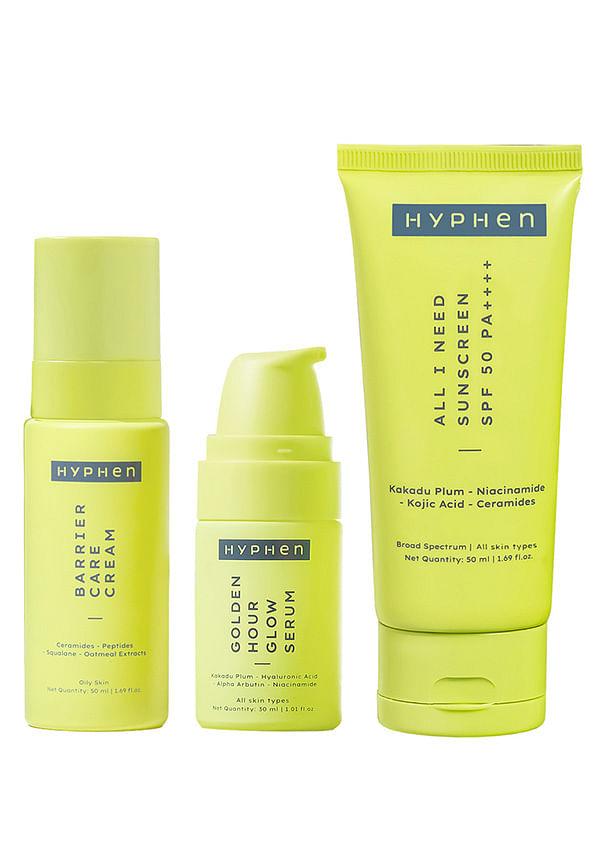
Skincare Routine for Oily & Combination Skin
Positive Combo & Sunscreen
4“loved this combo. The sunscreen is super non sticky”
Golden Hour Glow Serum: A new favourite
4“My order from Hyphen. The golden hour glow serum has become my favourite. Have just begun using all of them. Shall share a proper review after results are visible.”
Sister approves, needs trial size
5“My sister tried it it's good. Pls available in trials also so that people with too oily skin can try once.”
Vitamin C serums are brilliant for brightening and anti-aging skincare. They protect against environmental damage while promoting collagen production and fading dark spots. Hyaluronic acid serums excel at skin hydration, holding up to 1,000 times their weight in water. They're suitable for all skin types and provide plumping effects. Niacinamide serums work wonders for acne treatment and pore refinement. They regulate oil production, reduce inflammation, and improve skin texture. Retinol serums are gold standard for anti-aging skincare, promoting cell turnover and collagen production while improving fine lines and texture.
Apply serums from thinnest to thickest consistency. Water-based serums go first, followed by oil-based ones. Morning serums should focus on protection (vitamin C, antioxidants), while evening serums can include stronger actives like retinol or acids.
The skin around your eyes is significantly thinner and more delicate than the rest of your face. It lacks oil glands, making it prone to dryness, fine lines, and sensitivity. Eye care isn't just about addressing existing concerns—it's about prevention. Starting early with proper eye care can delay the appearance of crow's feet, dark circles, and puffiness.
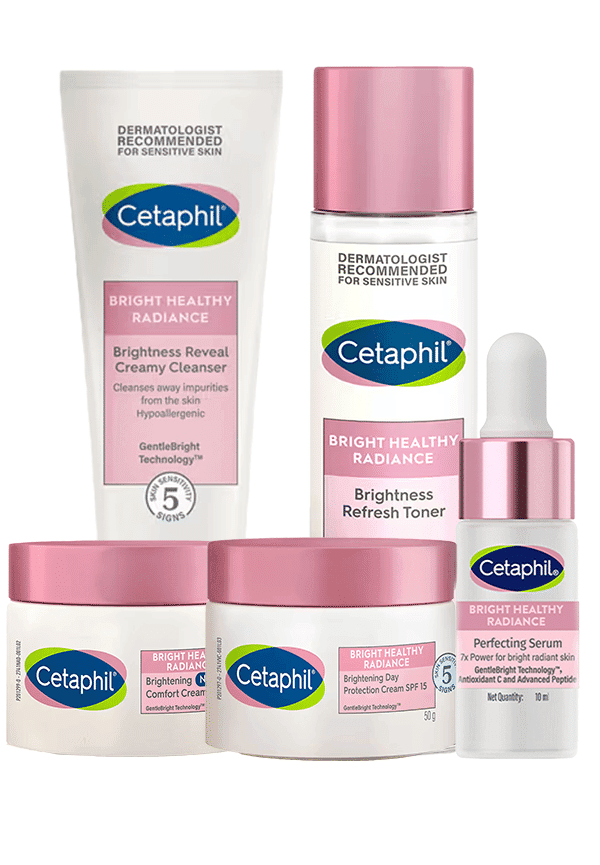
Bright Healthy Radiance Ultimate Skincare Kit
Makes Skin Glowing and Smooth
4“it makes my skin glowing and smooth”
Good for Long-Term Glow
5“Nice product can help to glow in long usaage”
Excellent Products
5“very nice very good products great”
Regular facial moisturisers are often too heavy for the delicate eye area and can cause milia (small white bumps) or irritation. Eye creams are specifically formulated with gentler ingredients and lighter textures that won't overwhelm this sensitive area.
Use your ring finger to gently pat eye cream around the orbital bone, avoiding direct contact with the eyelid or lash line. Apply eye cream after serums but before moisturiser to ensure proper absorption without interference.
Moisturizers are essential for all skin types, even oily skin. They create a protective barrier that prevents water loss while delivering hydrating and nourishing ingredients to your skin. The key is finding the right texture and formulation for your specific skin type and needs. What works for dry skin might feel too heavy for oily skin, and vice versa.
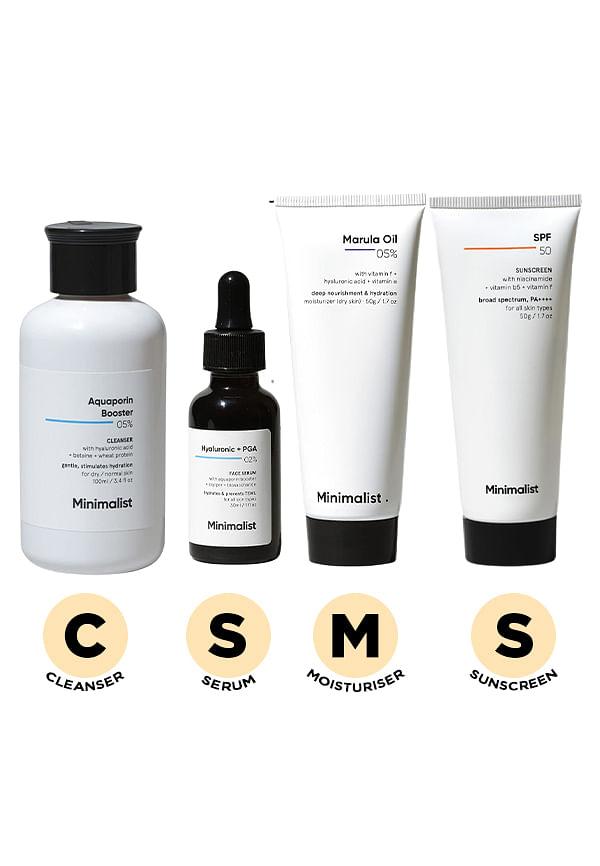
Daily Skincare Routine For Dry Skin CSMS Combo
Good Combo for Sun Protection & Cleansing
5“It was a very good combo of all good products it has moosturizer with sunscreen for a good protection from sun and the cleanser is good for removing dust from face”
Good Combo for Sun Protection & Cleansing
5“It was a very good combo of all good products it has moosturizer with sunscreen for a good protection from sun and the cleanser is good for removing dust from face”
Great for Dry Skin
5“I have a dry skin ...it's the perfect brand to apply ...no harm”
Oily skin benefits from lightweight, gel-based moisturisers that provide hydration without adding excess oil or clogging pores. Dry skin requires richer, cream-based formulations with ingredients like ceramides, shea butter, or squalane for deep nourishment. Combination skin often needs different products for different areas, or a balanced formula that addresses both oily and dry zones.
Morning moisturisers should be lightweight and fast-absorbing, often including SPF for added protection. Night moisturisers can be richer and more nourishing, focusing on repair and regeneration while you sleep.
Exfoliation removes dead skin cells that accumulate on the surface, revealing fresher, brighter skin underneath. It also helps other products penetrate better and prevents clogged pores. Unlike the previous steps that you do daily, exfoliation should be done 2-3 times per week maximum. Over-exfoliation can damage your skin barrier and cause irritation, redness, and increased sensitivity.
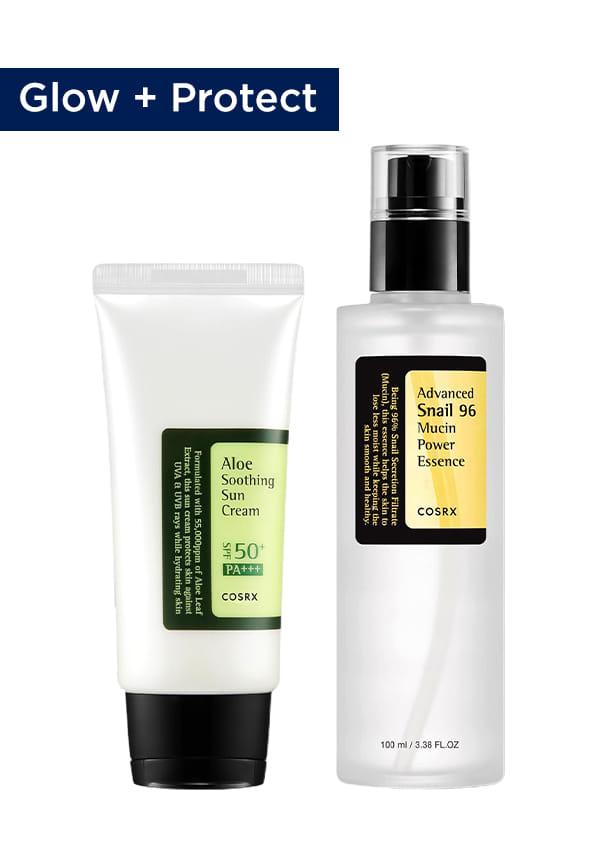
Dewy Duo
Great Price on Smytten
5“best price offered on smytten..”
Cosrx Product Review
5“Loved the cosrx products worth trying”
Positive Product Review
5“good really good love it, it is so good”
Physical exfoliation uses granules or tools to manually remove dead skin cells. Chemical exfoliation uses acids like AHA (alpha hydroxy acids) or BHA (beta hydroxy acids) to dissolve the bonds between dead skin cells. AHAs like glycolic and lactic acid work on the skin's surface, making them excellent for improving texture and brightness. BHAs like salicylic acid penetrate into pores, making them ideal for acne-prone skin.
The biggest mistake is overdoing it. Start with once a week and gradually increase frequency based on your skin's response. Never exfoliate irritated or sunburned skin, and always follow with moisturiser and SPF the next day.
Sun protection is arguably the most important step in any anti-aging skincare routine. UV damage is responsible for up to 80% of visible aging signs, including wrinkles, dark spots, and loss of elasticity. Daily sunscreen use isn't just about preventing sunburn—it's about preserving your skin's health and appearance for years to come.
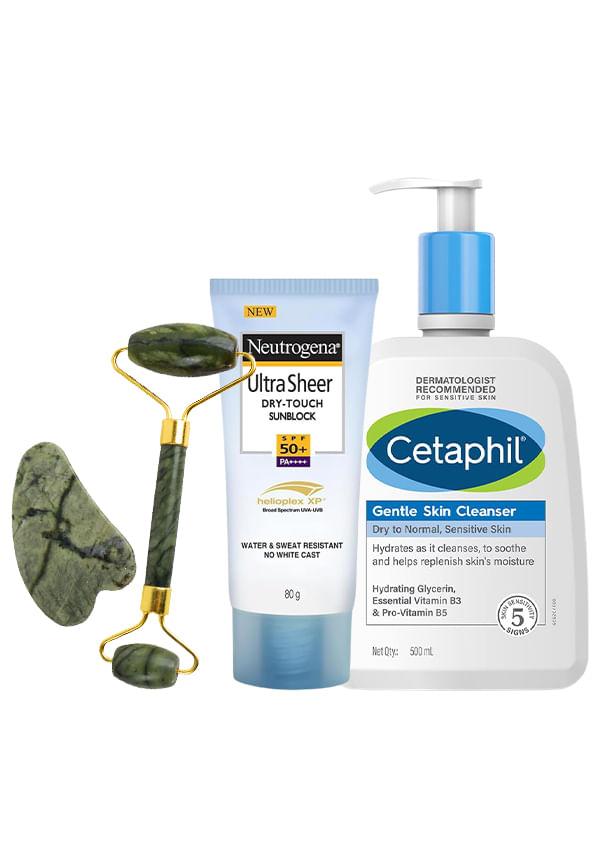
Glow & Protect Combo
Use at least SPF 30 and apply it generously—most people use only half the recommended amount. Reapplication every two hours is crucial, especially if you're outdoors. Don't forget often-missed areas like your ears, neck, and the back of your hands.
Physical sunscreens (zinc oxide, titanium dioxide) sit on top of skin and reflect UV rays. They're ideal for sensitive skin but can leave a white cast. Chemical sunscreens absorb UV rays and convert them to heat. They blend seamlessly but may irritate sensitive skin.
Now that you understand each step, it's time to create your personalized routine. The beauty of these popular skincare steps is their flexibility—you can adapt them to fit your lifestyle, skin type, and concerns. Consistency trumps perfection. It's better to follow a simple routine religiously than to attempt an elaborate one sporadically.
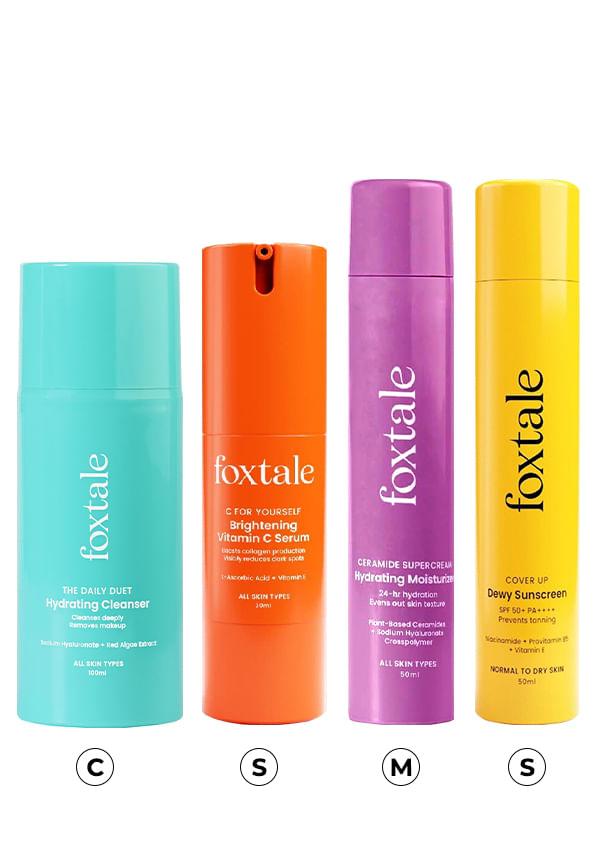
CSMS Dewy Combo
Affordable, good quality, requires wait time
4“affordable and good quality but we have to wait 30 minutes after applying the sunscream”
Loved Product and Packaging
5“packaging is omg... loved the product specially serum”
Love This Combo
5“just go for it guys.......I love this combo.....”
A quick 5-minute morning routine includes: gentle cleanser, toner, vitamin C serum, moisturiser with SPF. A comprehensive 10-minute routine adds: eye cream, separate moisturiser and sunscreen, and possibly an additional serum.
Evening routines can be more elaborate since you have more time and don't need to worry about makeup application. Start with makeup removal, follow with double cleansing, then proceed through toner, treatment serums, eye cream, and night moisturiser.
Oily and acne-prone skin should focus on gentle cleansing, BHA exfoliation, niacinamide serums, and lightweight moisturisers. Dry skin benefits from cream cleansers, hydrating toners, hyaluronic acid serums, and rich moisturisers. Sensitive skin requires fragrance-free products, gentle formulations, and careful introduction of new products one at a time. The journey to great skin doesn't have to break the bank. Smytten, India's largest product discovery platform, connects you with over 1,500 trusted skincare brands like Cetaphil, Dot & Key, and Love, Beauty & Planet. With curated trial packs, you can explore different products and find your perfect matches before committing to full-size purchases. Getting up to 8 minis for just ₹249 with 100% cashback makes building your ideal routine both affordable and risk-free.
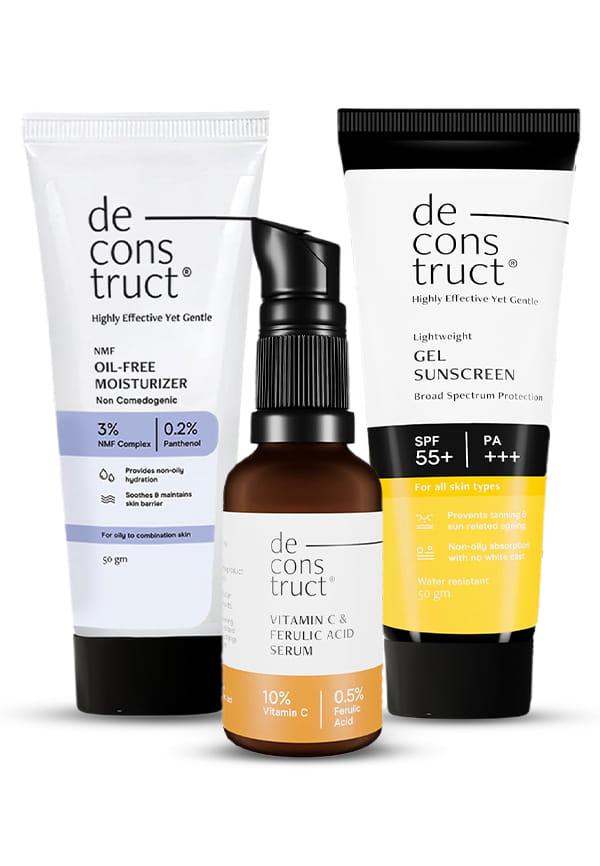
Hydration & Glow Essentials
Perfect for pretty skin
5“perfect set for making skin look pretty”
Excellent Product
5“good and super product suits for all skin types”
Product okay, delivery issues
4“Delivery bad experience ! Product not bad ”
The 7 essential skincare steps are: cleansing, toning, serum application, eye care, moisturising, exfoliation (2-3 times weekly), and sun protection. These steps work together to cleanse, treat, hydrate, and protect your skin for optimal health and appearance.
Most people notice initial improvements within 2-4 weeks of consistent use, with more significant changes appearing after 6-8 weeks. Patience and consistency are key—your skin needs time to adjust and respond to new products.
The minimum effective routine includes cleansing, moisturising, and sunscreen. While other steps can be temporarily skipped when you're rushed, they shouldn't be eliminated long-term for optimal skin health.
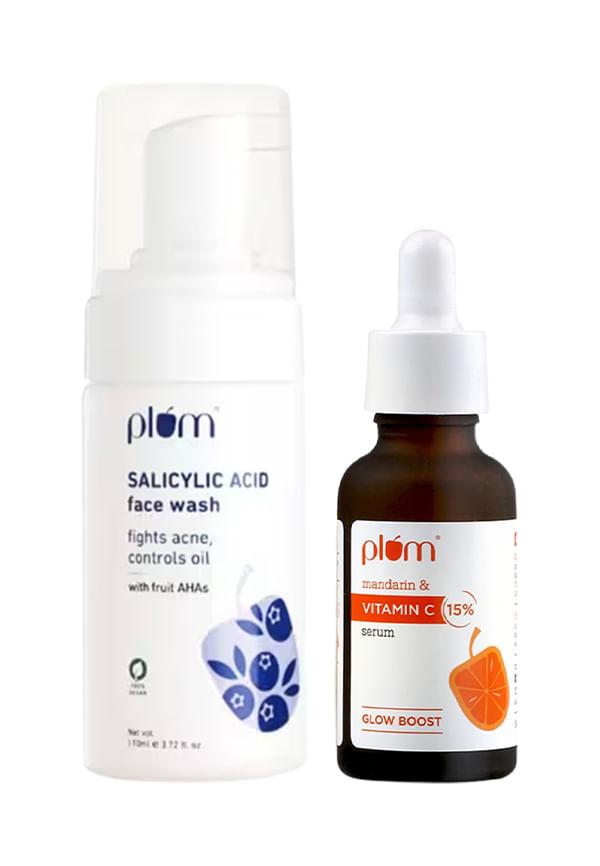
Citrus Clarify Combo
Great Value Combo
5“One of the best combo at the lowest price”
Great Facewash
5“awesome facewash, it brightens and smooths my skin”
Soft Skin Serum
4“serum is good.. this product made my skin soft.”
Morning routines focus on protection with antioxidant serums and SPF, while evening routines emphasise treatment and repair with stronger actives like retinol and richer moisturisers.
Start by identifying your skin type (oily, dry, combination, or sensitive) and primary concerns. Introduce new products gradually and patch test when possible. Trial-sized products are perfect for testing compatibility before investing in full sizes.
Yes, but moderation is key. Exfoliation 2-3 times weekly helps remove dead skin cells, improves product absorption, and promotes cell turnover for brighter, smoother skin. Over-exfoliation can damage your skin barrier.
Mastering these seven popular skincare steps isn't about perfection—it's about consistency and finding what works for your unique skin. Remember, the best skincare routine is one you'll actually stick to. Start simple, be patient with results, and don't be afraid to adjust as your skin's needs change. With over 25 million users trusting Smytten's platform to discover their perfect skincare matches, you're in good company. The platform's trial-first approach means you never have to settle for products that don't work for you. After all, why settle for 'maybe' when you can try it all and find exactly what makes your skin glow?
