7 Easy Ways to Identify Your Skin Type Today


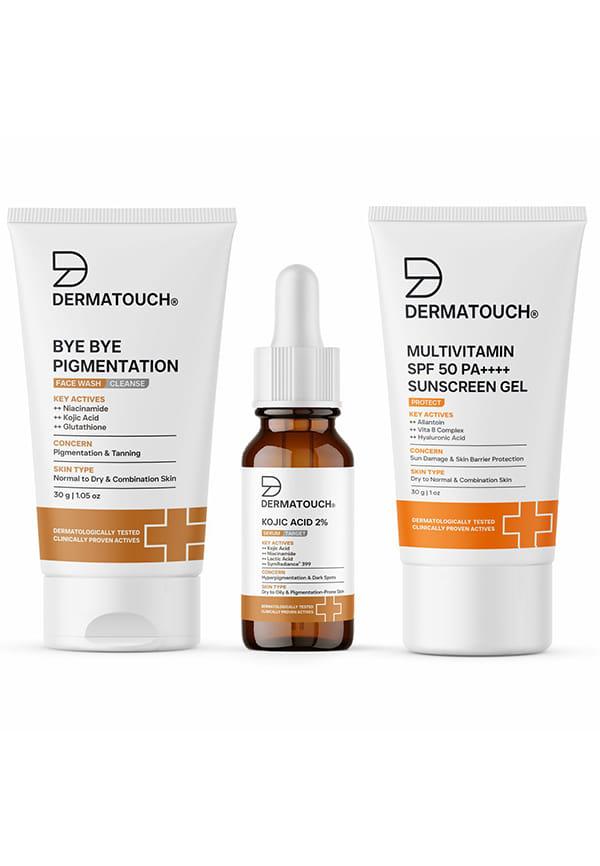
Pigmentation Control Trio for All Skin Types
Ever bought a skincare product that promised the world but left your face feeling worse than before? You're not alone. The secret to finding products that actually work lies in one simple step: knowing how to find your skin type. Without this crucial knowledge, you're basically throwing darts in the dark, hoping something sticks. Your skin type determines everything from which cleanser won't strip your face to which moisturiser will actually sink in rather than sit on top like a greasy film. Let's dive into seven foolproof methods that'll help you crack the code of your skin's needs—no expensive dermatologist visit required.
Here's the thing about skincare: one size definitely doesn't fit all. Using the wrong products for your skin type isn't just ineffective—it can actually make things worse. That expensive serum your friend swears by? It might be the reason your skin's been acting up. Your skin type determines how products absorb, how your skin reacts to different ingredients, and what your daily routine should look like. Oily skin needs lightweight, oil-free formulas that won't clog pores, while dry skin craves rich, nourishing ingredients that lock in moisture. Get this wrong, and you'll end up with breakouts, irritation, or that tight, uncomfortable feeling that makes you want to slather on more product (which usually makes things worse). What's tricky is that your skin type isn't set in stone. Hormones, age, climate changes, medications, and even stress can shift your skin's behaviour. That's why regular skin analysis becomes so important—what worked in your twenties might not cut it in your thirties.
Before we jump into testing methods, let's get clear on what we're actually looking for. Understanding the characteristics of each skin type makes identifying yours so much easier.
Normal skin is basically the skincare equivalent of winning the lottery. It feels comfortable throughout the day, has a balanced moisture level, and rarely throws tantrums. You'll notice small, barely visible pores, an even skin tone, and that natural healthy glow everyone's trying to achieve with highlighter.
Oily skin produces excess sebum, especially in the T-zone (forehead, nose, and chin). You'll spot enlarged pores, frequent breakouts, and that telltale shine that appears within hours of cleansing. The upside? Oily skin tends to age slower thanks to all that natural moisture.
Dry skin often feels tight, especially after cleansing. You might notice flaky patches, a dull complexion, and fine lines that seem more prominent. Your pores are typically small, and your skin might feel rough or look ashy, particularly in colder months.
Combination skin is like having two different skin types on one face. Your T-zone gets oily and shiny, while your cheeks remain normal or even dry. This type requires a bit more strategy since different areas need different care.
Sensitive skin reacts quickly to new products, weather changes, or stress. You might experience redness, burning, stinging, or itching. This skin type often overlaps with others—you can have sensitive oily skin or sensitive dry skin.
This is the gold standard for at-home skin type testing. It's simple, costs nothing, and gives you the most accurate picture of your skin's natural behaviour.
Start with a gentle cleanser—nothing harsh or drying. Cleanse your face thoroughly, then pat (don't rub) it dry with a clean towel. Here's the crucial part: don't apply anything. No moisturiser, no serum, nothing. Set a timer for 30 minutes and resist the urge to touch your face.
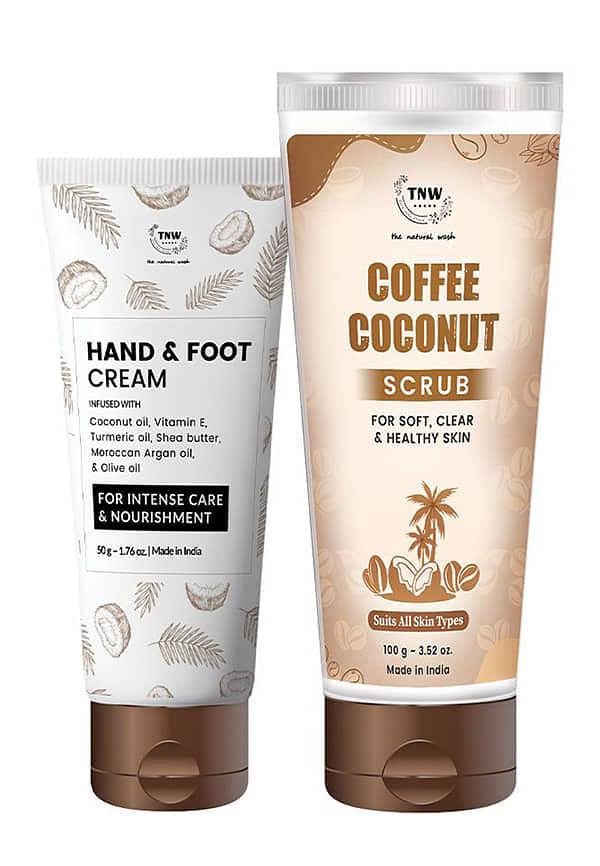
Coffee Coconut Scrub + Hand And Foot Cream 50gm
After 30 minutes, take a good look in natural light. Does your skin feel tight and uncomfortable? That's dry skin talking. Is your entire face shiny? You've got oily skin. Shine only in the T-zone with comfortable cheeks suggests combination skin. If everything feels balanced and comfortable, congratulations—you've got normal skin.
When you need answers fast, the blotting paper test delivers. This skin type test takes just five minutes and gives you clear visual evidence of your skin's oil production.
Grab some blotting papers from any pharmacy, or use clean tissue paper in a pinch. Make sure you're in good lighting—natural light works best for accurate assessment.
Wait about 30 minutes after your last cleanse (or do this first thing in the morning). Gently press the blotting paper against different areas of your face—forehead, nose, cheeks, and chin. Hold each paper up to the light to see how much oil it absorbed.
Heavy oil absorption from all areas points to oily skin. Little to no oil suggests dry skin. Oil only from the T-zone indicates combination skin. Light, even oil distribution across all areas typically means normal skin.
Sometimes the best skin analysis tool is your own hands. This method focuses on texture and how your skin feels throughout the day.
Before you do anything else in the morning, gently touch different areas of your face. How does your skin feel? Tight and rough suggests dryness. Smooth but slightly oily indicates normal to oily skin. Pay attention to any areas that feel different from others.
After cleansing, note your skin's immediate response. Does it feel stripped and tight within minutes? That's a sign of dry or sensitive skin. If it feels comfortable for a while before getting oily, you might have normal to combination skin.
Your mirror can tell you a lot about your skin type if you know what to look for. This method combines visual cues with systematic observation.
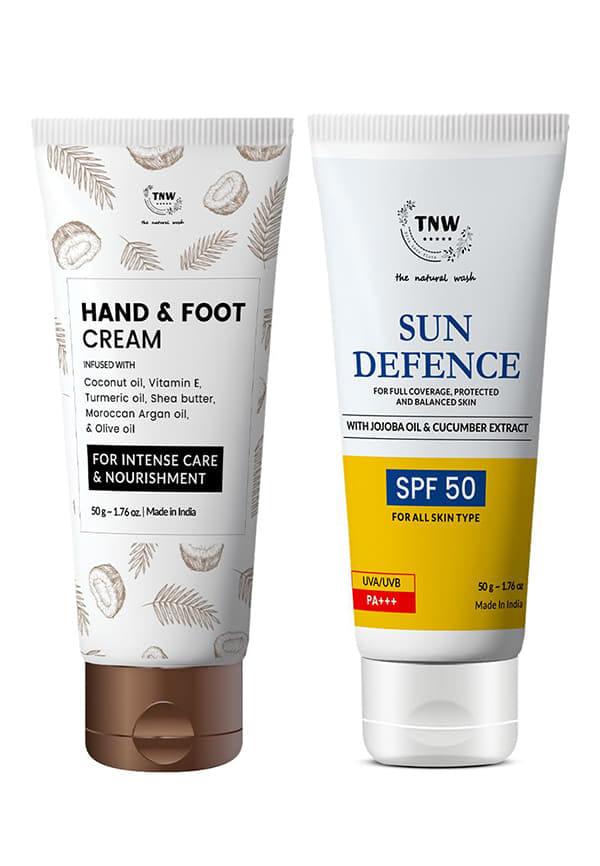
Hand/Foot Cream with Vitamin E,Shea Butter + SPF 50 PA++ UVA/UVB Clinically Approved Sunscreen Gives Sun Protection | Chemical Free Products,100 ml
Nice Combo, Good for Oily Skin
 4
4“Nice combo. Sunscreen is good for oily skin people. Hand and foot cream is nice. Absorbs quickly.”
Look at your face in natural light (a window works perfectly). Large, visible pores, especially in the T-zone, often indicate oily skin. Small, barely noticeable pores suggest dry skin. Mixed pore sizes—larger in the T-zone, smaller on cheeks—point to combination skin.
Observe where shine appears throughout the day. All-over shine suggests oily skin, while shine only in the T-zone indicates combination skin. Also notice texture differences—rough, flaky areas suggest dryness, while smooth, even texture indicates normal skin.
How your skin responds to different products can reveal a lot about its type. This method requires a bit more time but provides valuable insights.
Try using different moisturiser weights on different days. Does a light lotion leave your skin feeling tight? You might have dry skin. Does a rich cream make you break out or feel greasy? Oily skin is likely. If you need different products for different areas of your face, combination skin is your answer.
Pay attention to how your skin reacts to cleansing. If most cleansers leave your skin feeling tight and uncomfortable, you likely have dry or sensitive skin. If your skin feels comfortable with stronger cleansers, oily skin is probable.
Technology has made skin type testing more accessible than ever. While not a replacement for physical assessment, digital tools can provide valuable additional insights.
Several apps and websites now offer camera-based skin analysis. These tools use artificial intelligence to analyse photos of your skin and provide detailed reports about your skin type, concerns, and recommended routines.
Digital tools work best as a complement to physical testing methods. They're particularly useful for tracking changes over time and getting a second opinion on your results. However, they shouldn't be your only method—nothing beats hands-on assessment.
For the most comprehensive understanding of your skin, try keeping a skin diary for a week. This method helps you identify patterns and understand how external factors affect your skin.
Each day, note how your skin feels in the morning, after cleansing, and before bed. Record any changes in oiliness, dryness, or sensitivity. Also track external factors like weather, stress levels, diet changes, or new products.
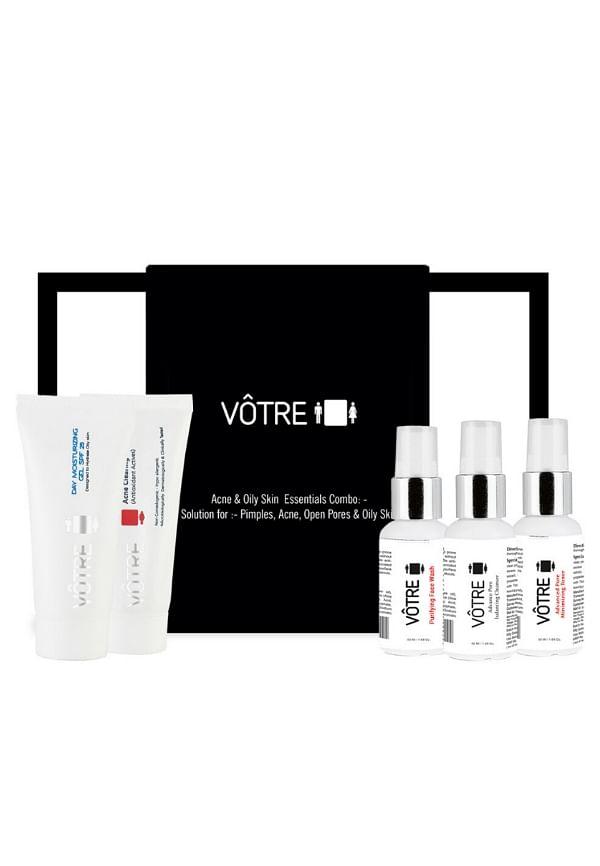
Acne & Oily Skin Essential Combo
After a week, review your notes. Do you notice consistent patterns? Does your skin get oilier on stressful days? Drier in air-conditioned environments? These insights help you understand your skin's behaviour beyond just identifying its basic type. This is where platforms like Smytten become incredibly valuable. With access to trial-sized products from over 1,500 trusted brands, you can test how different formulations work with your specific skin type without committing to full-size purchases. Whether you discover you have oily skin that loves lightweight serums or dry skin that needs rich creams, you can explore various options affordably.
Once you've identified your skin type, the real fun begins—building a routine that actually works for you. Each skin type has specific needs and responds differently to various ingredients.
For oily skin, focus on gentle, oil-free cleansers, lightweight moisturisers, and ingredients like salicylic acid or niacinamide. Dry skin benefits from cream cleansers, rich moisturisers, and hydrating ingredients like hyaluronic acid. Combination skin might need different products for different areas—perhaps a gel moisturiser for the T-zone and a cream for the cheeks.
Don't over-cleanse oily skin—it'll just produce more oil. Don't skip moisturiser if you have oily skin—dehydrated skin often overcompensates with excess oil production. For dry skin, avoid harsh scrubs and alcohol-based products that strip natural oils.
Reassess your skin type seasonally or whenever you notice significant changes. Hormonal shifts, new medications, or major lifestyle changes can all affect your skin type.
Absolutely. Combination skin is essentially multiple skin types on one face. Your skin type can also change with seasons—drier in winter, oilier in summer.
Inconsistent results often happen due to external factors like weather, hormones, or recent product use. Try testing at different times and in different conditions for a clearer picture.
At-home tests are quite reliable when done correctly. The bare-faced test, in particular, gives results comparable to professional assessment. However, if you have persistent skin concerns, consulting a dermatologist is always wise.
Identifying your skin type doesn't have to be complicated or expensive. These seven methods give you multiple ways to understand your skin's unique needs, from quick five-minute tests to comprehensive weekly assessments. Remember, knowing your skin type is just the beginning. The real magic happens when you start using products formulated for your specific needs. This is where Smytten's approach really shines—offering trial-sized products from trusted brands like Cetaphil, Dot & Key, and Bella Vita means you can experiment with confidence. With over 25 million users discovering their perfect products through trial packs, you're in good company on this journey to better skin. Your skin type might evolve over time, and that's completely normal. Regular reassessment ensures your routine grows with you, keeping your skin happy and healthy through every life stage. After all, why settle for 'maybe' when you can find products that definitely work for your unique skin?
