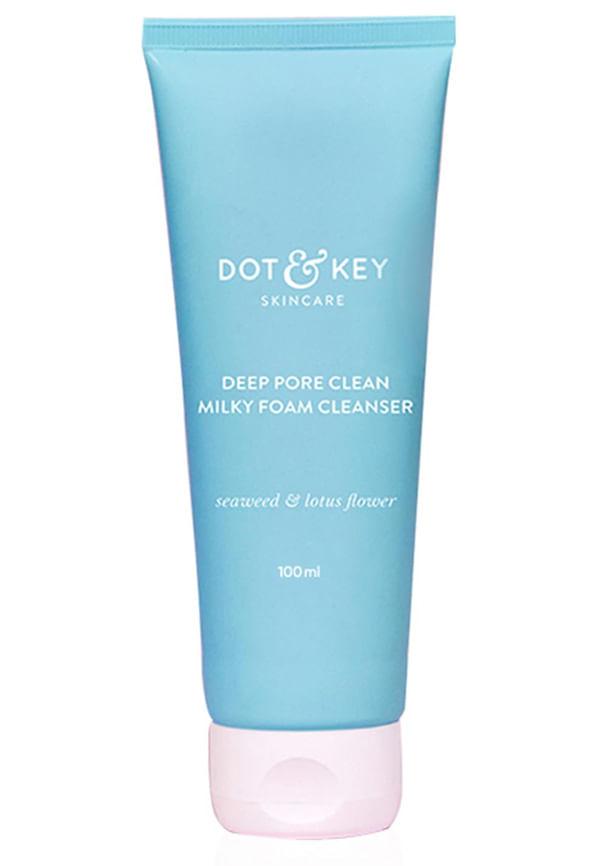
Deep Pore Clean Foaming Face Wash With Lactic Acid For Glowing Skin
₹ 24920 % OFF
₹ 199
Reviews from genuine users
Nice Product, Thanks Smytten
5
“nice product thanks smytteen 🥰💛”
Gautam Nair11 Jul 2026
Nice Product, Thanks Smytten
5
“nice product thanks smytteen 🥰💛”
Gautam Nair11 Jul 2026
Nice Product, Thanks Smytten
5
“nice product thanks smytteen 🥰💛”
Gautam Nair11 Jul 2026
Let's be real—your face goes through a lot during the day. Makeup, sunscreen, pollution, and natural oils all build up on your skin, creating layers that a single cleanse just can't tackle. Enter the double cleansing method, a game-changing approach that's been a cornerstone of Korean skincare for decades. This two-step process uses an oil-based cleanser followed by a water-based facial cleanser to thoroughly remove everything from your skin. Think of it as giving your face the deep clean it actually deserves, not just a surface-level splash. Ready to discover why this method might just become your new skincare obsession?
What Is Double Cleansing and Why Your Skin Needs It
The double cleanse isn't just washing your face twice—it's a strategic two-step process that tackles different types of impurities. The first step uses an oil cleanser or cleansing balm to dissolve makeup, sunscreen, and sebum. The second step follows with a gentle cleanser to remove any remaining dirt and prep your skin for the rest of your skincare routine.
This method originated in Korean skincare traditions, where thorough skin cleansing has always been prioritised. The science behind it is pretty straightforward: oil dissolves oil-based impurities (like makeup and sebum), while water-based cleansers tackle water-soluble dirt and sweat. Single cleansing often leaves behind traces of makeup and sunscreen, which can clog pores and prevent your other skincare products from working properly.
Here's what makes double cleansing worth trying for all skin types:
• Oily skin: Removes excess sebum without over-stripping
• Dry skin: Gentle removal without harsh scrubbing
• Combination skin: Addresses different needs across your face
• Sensitive skin: Less aggressive than single harsh cleansing
Contrary to popular belief, using an oil cleanser won't make oily skin worse. In fact, it can help balance oil production by thoroughly removing buildup without triggering your skin to produce more oil in response to over-cleansing.
The 7 Essential Double Cleansing Steps for Maximum Results
Mastering the double cleansing method is all about technique and timing. Each step plays a crucial role in ensuring your skin gets the thorough cleanse it needs without irritation. Let's break down the process that'll help you cleanse skin like a pro.
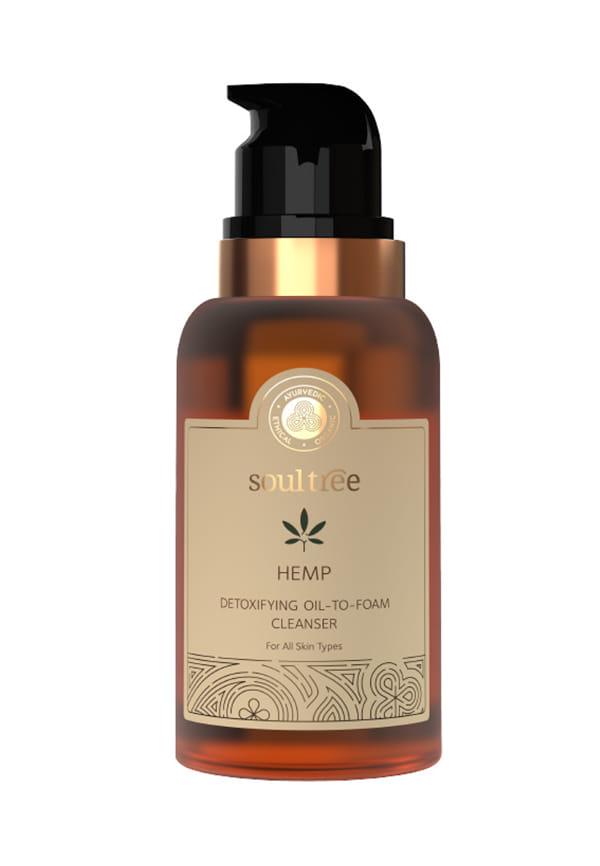
(120 ml)
SoulTree
Hemp Detoxifying Oil To Foam Cleanser
₹ 1295
Step 1: Choose Your Oil-Based Cleanser
Your first cleanser sets the foundation for the entire process. Oil cleansers come in liquid form, while cleansing balms are solid and melt upon contact with skin. Both work brilliantly, but your choice depends on personal preference and skin type.
For dry or sensitive skin, look for gentle oils like jojoba or sweet almond. Oily skin types can handle slightly stronger formulations with ingredients like tea tree or salicylic acid. Combination skin benefits from lightweight oils that won't feel heavy on the T-zone.
Step 2: Apply to Dry Skin
This step is crucial—always apply your oil cleanser to completely dry skin. Wet skin creates a barrier that prevents the oil from properly dissolving makeup and impurities. Use about a pump or a small scoop of cleansing balm, warming it between your palms if needed.
Start with clean, dry hands and apply the product evenly across your entire face, including the eye area if you're wearing eye makeup.
Step 3: Massage and Emulsify
Spend 30-60 seconds gently massaging the oil cleanser into your skin using circular motions. Pay extra attention to areas with heavy makeup or sunscreen. You'll notice the product changing texture as it picks up impurities—this is exactly what you want.
The emulsification process begins when you add a small amount of lukewarm water to your hands and continue massaging. The oil will turn milky white, indicating it's ready to be rinsed away.
Step 4: First Rinse with Lukewarm Water
Thoroughly rinse away the oil cleanser with lukewarm water. Avoid hot water, which can strip your skin's natural barrier, and cold water, which won't effectively remove the oil. Take your time here—any leftover oil residue will interfere with your second cleanse.
Your skin should feel clean but not tight or dry after this step. If it feels stripped, your oil cleanser might be too harsh for your skin type.
Step 5: Apply Water-Based Facial Cleanser
Now for your second cleanser—this is where you'll use a traditional face wash. Choose a gentle cleanser that suits your skin type: gel cleansers for oily skin, cream cleansers for dry skin, or foam cleansers for combination skin.
Apply a small amount to your damp skin. You'll need less product than usual since your first cleanse has already done the heavy lifting.
Step 6: Second Massage and Deep Clean
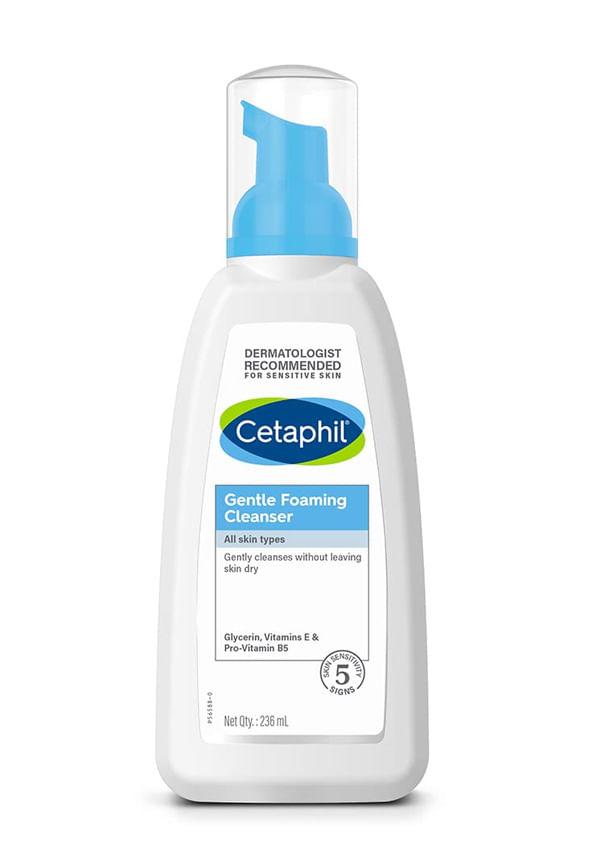
4.4|(236 ml)
Cetaphil
Gentle Foaming Cleanser For All Skin
₹ 105020 % OFF
₹ 840
Reviews from genuine users
Very Good, Original Product
5
“vary good product. orginal product”
Sapna Kashvi06 Apr 2026
Good cleaners for skin type
5
“Good cleaners for my skin type I love the product”
Jhuma Mondal28 Mar 2026
Good for sensitive skin
5
“Perfect for sensitive skin. Foams very well. ”
Diwakar Kumar26 Mar 2026
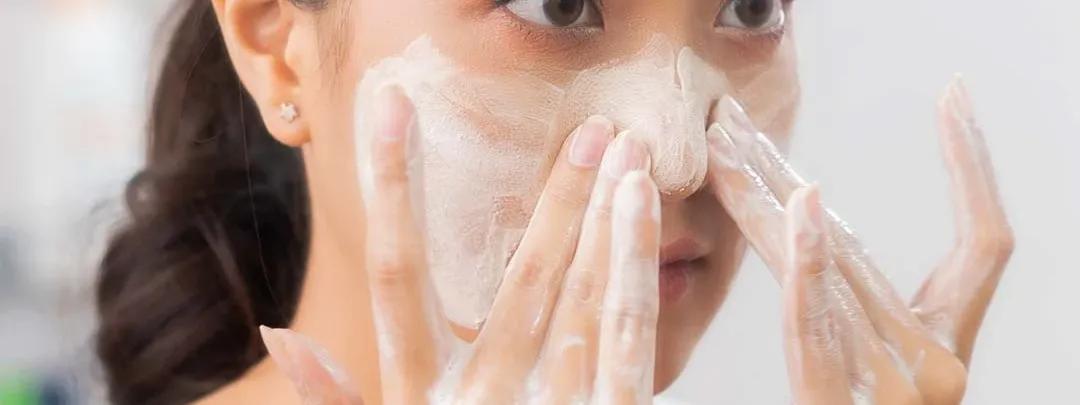
This massage should be different from your first—focus on a thorough but gentle cleanse rather than makeup removal. Spend about 30 seconds working the cleanser into your skin, paying attention to areas that tend to get congested like your nose and chin.
This step ensures any remaining impurities, dead skin cells, and traces of your first cleanser are completely removed.
Step 7: Final Rinse and Pat Dry
Rinse thoroughly with lukewarm water, making sure no cleanser residue remains around your hairline or jawline. Pat your skin dry with a clean, soft towel—never rub, as this can cause irritation.
Your skin should feel clean, soft, and ready for the next steps in your skincare routine. This is the perfect time to apply toners, serums, and moisturisers while your skin is still slightly damp.
Double Cleansing for Different Skin Types
Not all skin is created equal, and your double cleansing method should reflect your skin's unique needs. Understanding how to adapt this routine ensures you get all the benefits without any unwanted side effects.
For oily and acne-prone skin, look for oil cleansers with lightweight oils like grapeseed or safflower. Follow with a gel or foam cleanser containing salicylic acid or niacinamide. Don't skip the oil cleanse thinking it'll make you oilier—proper oil cleansing actually helps regulate sebum production.
Dry and sensitive skin types should opt for nourishing oils like argan or rosehip, followed by a creamy, hydrating cleanser. Avoid anything with strong fragrances or harsh actives. If your skin feels tight after cleansing, you might need a more gentle cleanser or to reduce the frequency.
Combination skin can be tricky, but a balanced approach works best. Use a lightweight oil cleanser that won't overwhelm your T-zone, followed by a gentle gel cleanser. You might need to adjust your technique, spending more time on oily areas and being gentler on dry zones.
Mature skin benefits from oil cleansers with anti-ageing ingredients like vitamin E or rosehip oil. Follow with a gentle, hydrating cleanser that won't strip the skin's natural moisture barrier.
Common Double Cleansing Mistakes and How to Avoid Them
Even with the best intentions, it's easy to go wrong with your double cleansing routine. The most common mistake is over-cleansing—using products that are too harsh or cleansing too frequently can damage your skin barrier and cause irritation.
Another frequent error is rushing the process. Each step needs time to work properly. Spending only a few seconds on each cleanse won't give you the thorough clean you're after. Similarly, using water that's too hot can strip your skin and cause redness.
Product combinations matter too. Using two harsh cleansers back-to-back can leave your skin feeling tight and irritated. The key is balance—let your oil cleanser do the heavy lifting, then follow with something gentle.
Some people skip the oil cleanse on days when they're not wearing makeup, but pollution, sunscreen, and natural oils still build up on your skin. However, you might want to modify your routine if you have active breakouts or have just started using strong actives like retinoids.
Building Double Cleansing into Your Daily Skincare Routine
Integrating the
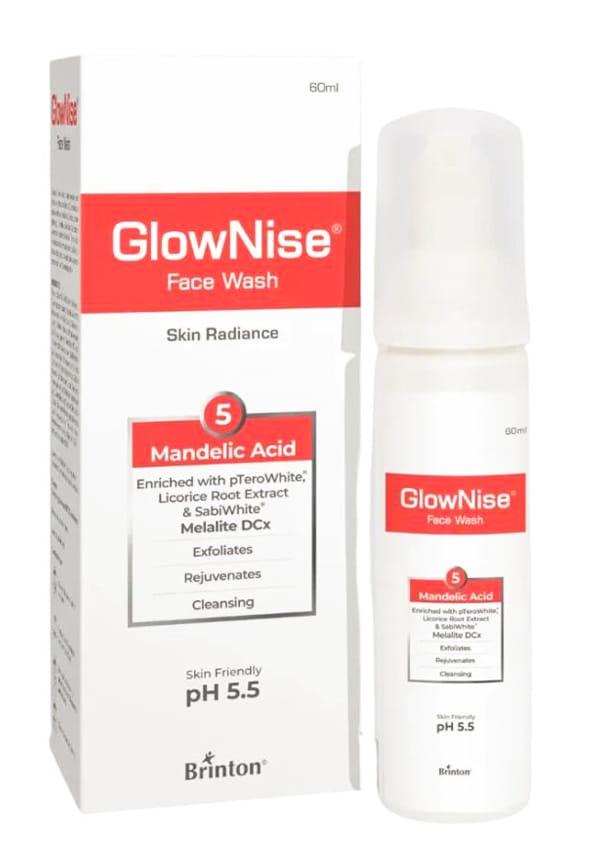
4.5|(60 ml)
Brinton
GlowNise Deep Cleansing Foam Face Wash
₹ 58135 % OFF
₹ 378
Reviews from genuine users
Very good facewash
4
“Very good facewash 🎉❤️❤️ must try ”
Saloni Tayal23 Sep 2025
double cleansing method into your existing skincare routine doesn't have to be complicated. Most people find evening the best time for a full double cleanse, especially after wearing makeup or sunscreen all day.
Morning cleansing can be simpler—you might only need your water-based cleanser unless you've used heavy night treatments. Listen to your skin and adjust accordingly. Some people with very dry skin skip morning cleansing altogether, while others with oily skin prefer a light double cleanse.
The beauty of this method is its flexibility. On busy nights, you can speed up the process slightly, but try not to skip steps entirely. When travelling, look for solid cleansing balms that won't spill in your luggage, or invest in travel-sized versions of your favourite products.
Seasonal adjustments are worth considering too. You might need richer oil cleansers in winter and lighter formulations in summer. Your skin's needs change with the weather, and your cleansing routine can adapt accordingly.
With platforms like Smytten, you can explore different cleansing products through trial sizes before committing to full-size purchases. This makes it easier to find your perfect double cleansing combination without the risk of wasting money on products that don't work for your skin.
Frequently Asked Questions
Is it okay to double cleanse every day?
For most people, daily double cleansing in the evening is perfectly safe and beneficial. However, if you have very sensitive or compromised skin, you might want to start with every other day and build up gradually. Morning double cleansing isn't usually necessary unless you've used heavy night treatments.
Is double cleansing just washing twice?
Not at all. Double cleansing uses two different types of cleansers that work in different ways. An oil-based cleanser dissolves oil-soluble impurities, while a water-based cleanser removes water-soluble dirt and any remaining residue. It's about using the right tool for each job.
Which products are best for double cleansing?
The best products depend on your skin type and concerns. Look for gentle, well-formulated options from trusted brands. Oil cleansers with natural oils like jojoba or sweet almond work well for most skin types, while your second cleanser should address your specific skin needs.
How long should double cleansing take?
A thorough double cleanse typically takes 3-5 minutes total. Spend about 1-2 minutes on your oil cleanse, including massage and emulsification, then another 1-2 minutes on your water-based cleanse. Don't rush—proper cleansing is an investment in your skin's health.
Can double cleansing cause breakouts?
Properly done double cleansing should help prevent breakouts by thoroughly removing pore-clogging impurities. If you're experiencing breakouts, check that you're using suitable products for your skin type and not over-cleansing. Sometimes initial purging can occur as your skin adjusts to a new routine.
What's the difference between cleansing oil and cleansing balm?
Cleansing oils are liquid and spread easily across the skin, while cleansing balms are solid and melt upon contact with skin warmth. Both work effectively—balms tend to feel more luxurious and are great for dry skin, while oils can feel lighter and work well for oily skin types.
Final Thoughts
The double cleansing method isn't just another skincare trend—it's a proven approach that can transform how your skin looks and feels. By taking the time to properly remove the day's buildup, you're creating the perfect foundation for the rest of your skincare routine to work effectively.
Remember, finding your perfect double cleansing combination might take some experimentation. What works for your friend might not work for you, and that's completely normal. Start with gentle formulations and adjust based on how your skin responds.
Smytten makes this discovery process easier by offering trial sizes of various cleansing products from trusted brands like Cetaphil, Dot & Key, and Love, Beauty & Planet. With over 1,500 brands available in mini sizes, you can try different oil cleansers and face washes without committing to full-size products. The platform's Trial Points system lets you explore up to 8 minis for just ₹249, with 100% cashback redeemable for future purchases. This way, you can find your perfect cleansing duo without the guesswork or waste.
Your skin deserves a cleansing routine that actually works. Give double cleansing a proper try for a few weeks, and you might just discover that this simple change makes all the difference in your skin's clarity, texture, and overall health.

 5
5