7 Cold-Weather Skincare Secrets for Northern Women


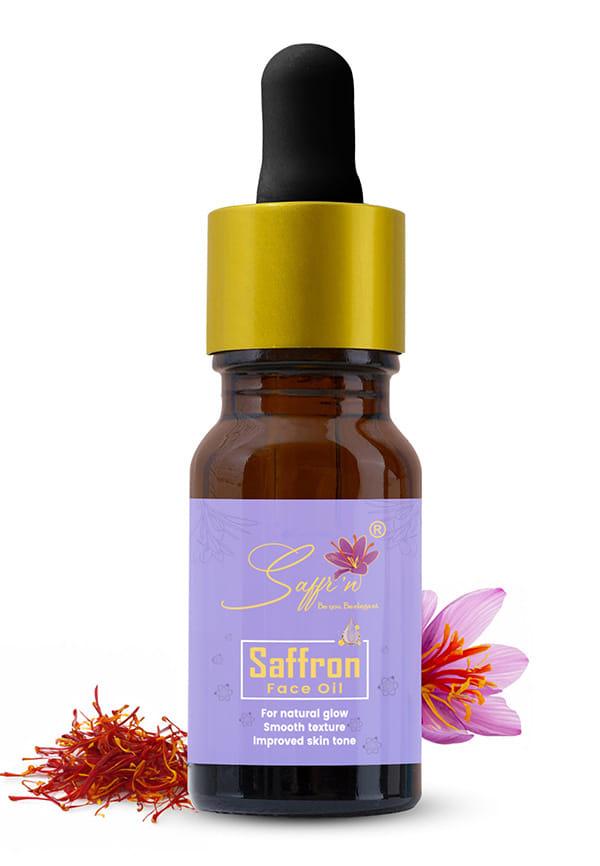
Saffron Face Oil
Living in northern cities means dealing with brutal winters that can absolutely wreck your skin. The combination of freezing temperatures, harsh winds, and dry indoor heating creates the perfect storm for skin disasters. Your usual skincare routine that works brilliantly in summer? It's probably leaving you high and dry when the mercury drops. But here's the thing—cold-weather skincare for women in northern cities doesn't have to be a constant battle. With the right secrets up your sleeve, you can keep your skin glowing even when it's minus ten outside. Let's dive into seven game-changing strategies that'll transform your winter skin game.
Real talk—northern climates are absolutely brutal on your skin. When temperatures plummet below freezing, your skin's natural barrier takes a proper beating. The cold air holds way less moisture than warm air, which means your skin is constantly losing hydration to the environment. Add in those biting winds that feel like they're stripping your face raw, and you've got a recipe for skin chaos.
But it's not just the outdoor conditions that are working against you. Indoor heating systems are moisture-sucking machines that can drop humidity levels to desert-like conditions. Your skin is basically caught between two extremes—freezing cold outside and bone-dry inside. This constant temperature and humidity fluctuation confuses your skin's natural processes, leading to increased sensitivity, dryness, and irritation.
Different skin types react differently to harsh climates too. If you've got naturally dry skin, winter can feel like absolute torture. Oily skin types might think they're safe, but even they can experience unexpected dryness and flakiness. Sensitive skin becomes even more reactive, and combination skin can go completely haywire with some areas becoming desert-dry while others stay oily.
Your winter skincare routine needs to be completely different from your summer approach. The key is being gentle whilst still getting your skin properly clean. Over-cleansing in winter is like adding insult to injury—you're stripping away what little natural oils your skin is desperately trying to hold onto.
Start with an oil-based cleanser in the evening, especially if you wear makeup or sunscreen. Oil cleansers are brilliant because they dissolve makeup and sunscreen without being harsh on your already compromised skin barrier. Follow with a gentle, cream-based cleanser that won't leave your skin feeling tight or squeaky clean. That squeaky clean feeling? It's actually your skin crying for help.
Morning cleansing should be super gentle—sometimes just splashing with lukewarm water is enough. If you must cleanse, use a mild, hydrating cleanser that won't strip your skin. Evening is when you can do your double cleanse, but keep it gentle and always follow with immediate hydration.
If you've got sensitive skin, winter can be particularly challenging. Switch to fragrance-free, hypoallergenic cleansers and avoid anything with harsh actives during your cleansing routine. Your skin is already stressed from the cold—don't add to its burden.
This is where the magic happens. The best moisturisers for cold weather aren't just about finding one heavy cream—it's about creating a moisture sandwich that locks in hydration layer by layer. Think of it like getting dressed for a blizzard—you wouldn't just throw on one thick coat, you'd layer up strategically.
Start with a hydrating serum while your skin is still slightly damp from cleansing. Hyaluronic acid serums are absolute heroes here because they can hold up to 1000 times their weight in water. Next, apply your regular moisturiser—look for ones with ceramides, which help repair your skin barrier. Finally, seal everything in with a facial oil or an occlusive moisturiser, especially at night.
Ceramides are your best friend in winter—they help rebuild your skin's protective barrier. Squalane is another winner because it's lightweight but incredibly hydrating. Glycerin draws moisture from the environment into your skin, whilst shea butter provides that protective seal you need against harsh winds.
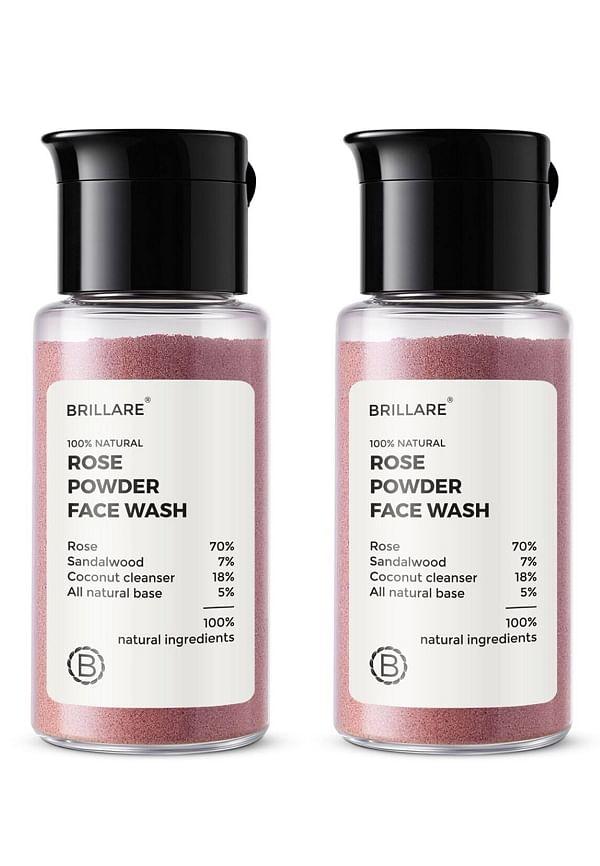
Rose Powder Face Wash Combo For Hydrated, Younger Looking Skin
Great Product!
 5
5“Good product for this rage go for it”
Must Try Product
4“nice product must Try this once”
During the day, focus on protection and hydration that works under makeup. At night, go heavier with richer creams and oils. Your skin does most of its repair work whilst you sleep, so give it all the nourishment it needs.
When your skin is dealing with harsh climates, regular moisturising sometimes isn't enough. You need those intensive hydrating face masks that can deliver a mega-dose of moisture and nutrients. Think of them as emergency hydration for your skin—like giving a wilted plant a proper drink.
Sheet masks soaked in hyaluronic acid or ceramides can work wonders for dry, itchy skin. If you're dealing with severe dryness, overnight masks are absolute game-changers. Apply a thick layer before bed and wake up with plump, hydrated skin. Clay masks are generally a no-go in winter unless your skin is extremely oily—they'll just dry you out further.
Honey masks are brilliant DIY options—raw honey is naturally humectant and antibacterial. Mix it with a bit of oatmeal for gentle exfoliation, or add some yoghurt for extra hydration. Commercial masks with ingredients like snail mucin, collagen, or peptides can provide more targeted treatment.
Use hydrating masks 2-3 times a week if your skin is really struggling, or once a week for maintenance. Apply them after cleansing but before your regular skincare routine for maximum absorption.
Cold weather doesn't just make your skin dry—it can actually accelerate signs of ageing. The constant assault from wind, cold, and dry air breaks down collagen faster and can deepen existing fine lines. Your anti-ageing winter skincare routine needs to be more protective and nourishing than your summer approach.
Retinol can be tricky in winter because it can increase sensitivity, but it's still one of the best anti-ageing ingredients out there. If you're going to use it, start slowly and always follow with a rich moisturiser. Consider switching to a gentler retinol alternative like bakuchiol if your skin is too sensitive.
Vitamin C serums are brilliant cold weather beauty tips because they protect against environmental damage whilst brightening your complexion. Use them in the morning under your moisturiser and sunscreen for maximum protection.
The delicate skin around your eyes takes the biggest hit in winter. Invest in a rich eye cream with peptides or hyaluronic acid, and don't forget to wear sunglasses—snow glare can be just as damaging as summer sun.
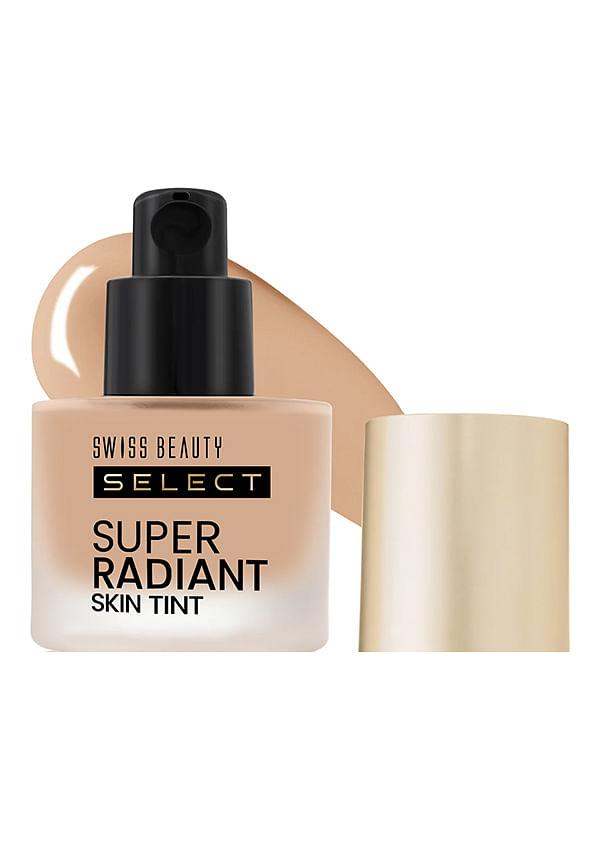
Select Super Radiant Hydrating Skin Tint
Love it! Natural Look
5“lovet it so lite weight i m loving this giving very natural look on my face”
Your winter skin protection strategy shouldn't stop at topical products. The environment you're living in plays a massive role in your skin's health. Indoor heating systems can drop humidity levels to as low as 10-20%, which is drier than most deserts. Your skin needs humidity levels around 40-60% to function properly.
Invest in a good humidifier for your bedroom—it'll make a noticeable difference in how your skin feels when you wake up. Place bowls of water near radiators, keep houseplants around (they naturally increase humidity), and avoid cranking the heating up too high. Your skin and your heating bill will thank you.
Houseplants like peace lilies, Boston ferns, and spider plants are natural humidifiers. Taking slightly longer, lukewarm showers (not hot!) can also add moisture to your bathroom air. Just remember to moisturise immediately after whilst your skin is still damp.
Sometimes, despite your best efforts, your skin has a complete meltdown. Maybe you forgot your scarf and got windburn, or your heating broke down and your skin went into crisis mode. Having emergency dry skin solutions on hand can save the day.
Keep a tube of thick, occlusive balm in your bag for emergency touch-ups. Look for products with petrolatum, lanolin, or dimethicone—they create an immediate protective barrier. For sensitive skin care winter emergencies, cool compresses with chamomile tea can calm irritation quickly.
Pack travel-sized versions of your essential products: a gentle cleanser, hydrating serum, rich moisturiser, and lip balm. Don't forget hand cream—your hands are constantly exposed and need extra protection.
If your skin develops persistent redness, cracking, or bleeding, it's time to see a dermatologist. These could be signs of eczema or dermatitis that need professional treatment.
Your skincare routine is just one part of the equation. What you eat, how you sleep, and even what you wear can dramatically impact how your skin handles cold weather. These cold weather beauty tips go beyond just products—they're about creating a lifestyle that supports healthy skin from the inside out.
Drink plenty of water, even when you don't feel thirsty. Cold weather can suppress your thirst response, but your skin still needs hydration from within. Eat foods rich in omega-3 fatty acids like salmon, walnuts, and flaxseeds—they help strengthen your skin barrier naturally.
Poor sleep and high stress levels can compromise your skin barrier function, making winter skin problems worse. Aim for 7-9 hours of quality sleep and find healthy ways to manage stress. Your skin repairs itself whilst you sleep, so don't skimp on rest.
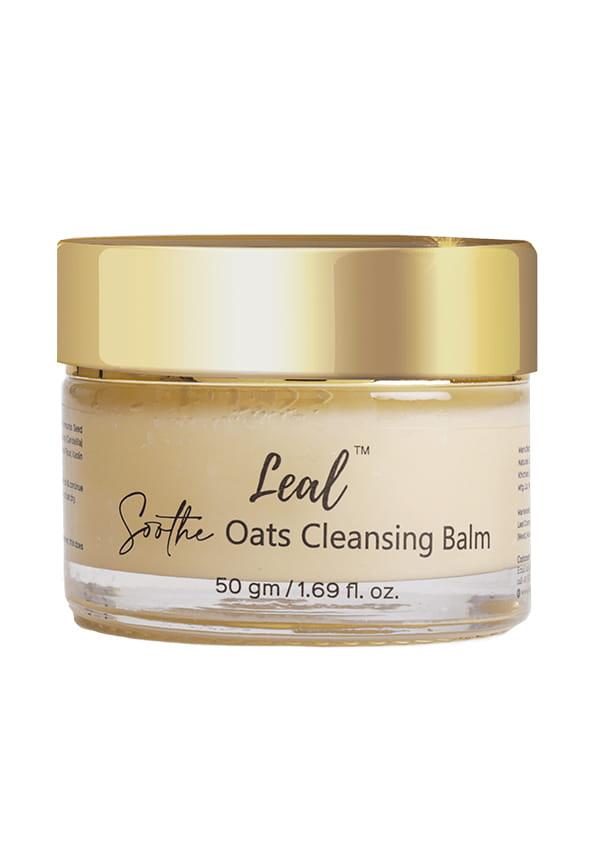
Soothe Oats Cleansing Balm
Wear soft, breathable fabrics next to your skin. Wool can be irritating for sensitive skin, so layer cotton or silk underneath. Don't forget scarves to protect your neck and lower face from harsh winds.
When it comes to finding the right products for your winter skincare routine, Smytten makes it incredibly easy to discover what works for your skin without the commitment of full-size purchases. With over 1,500 trusted brands including Cetaphil and Dot & Key, you can try different formulations through their curated trial packs. This approach is particularly brilliant for winter skincare because what works for your friend's skin in harsh climates might not work for yours—and you can find out without wasting money on products that don't suit you.
A gentle double cleanse in the evening, followed by layered hydration (serum, moisturiser, occlusive), and minimal morning cleansing with immediate moisturising. Focus on barrier repair ingredients like ceramides and hyaluronic acid.
At minimum twice daily, but you might need to reapply during the day, especially on exposed areas like hands and face. Listen to your skin—if it feels tight or looks flaky, it needs more moisture.
Probably not. Winter requires richer, more protective formulations. You'll likely need to switch to creamier cleansers, heavier moisturisers, and add facial oils or occlusives to your routine.
Harsh exfoliants, high concentrations of acids, alcohol-based toners, and anything that makes your skin feel tight or stripped. Be extra cautious with retinoids and introduce them slowly if you're new to them.
Layer your moisturisers, use a humidifier indoors, avoid hot showers, and apply moisturiser to damp skin. Keep emergency hydrating products handy for sudden flare-ups.
They're not absolutely necessary, but they can provide intensive hydration that regular moisturisers might not achieve. Use them 1-3 times weekly depending on your skin's needs.
Mastering cold-weather skincare for women in northern cities isn't about using more products—it's about using the right products in the right way. Your skin's needs change dramatically when temperatures drop, and your routine should adapt accordingly. The key is being proactive rather than reactive, building up your skin's defences before the harsh weather hits.
Remember, what works for someone else might not work for you, which is why trying products before committing to full sizes is so valuable. Smytten's trial platform lets you experiment with different brands and formulations until you find your perfect winter skincare arsenal. With over 25 million users discovering their ideal products through trial packs, you're not alone in this journey to find what works for your unique skin needs. After all, why settle for 'maybe' when you can try it all and find what truly works for your skin in those brutal northern winters?
