7 Budget-Friendly Oily Skin Care Secrets Revealed


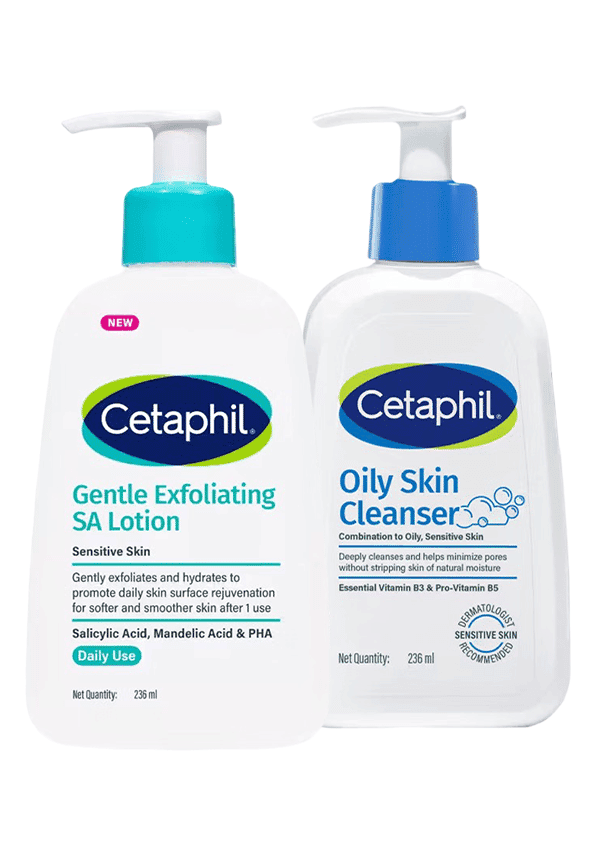
Oily Skin Essentials
Let's be real—oily skin can feel like a daily battle, especially when you're trying to manage it without spending a fortune. The good news? You don't need to break the bank to achieve that balanced, healthy glow you've been after. With the right affordable oily skin solutions, you can tackle excess shine, minimise pores, and keep breakouts at bay without emptying your wallet. From clever DIY tricks to strategic product picks, these seven budget-friendly secrets will transform your skincare routine and prove that effective oily skin care doesn't have to cost a bomb. Ready to discover what actually works?
Here's something the beauty industry doesn't want you to know: expensive doesn't always mean better when it comes to skincare. The science behind effective oily skin care comes down to specific active ingredients, not fancy packaging or celebrity endorsements. Your skin produces excess oil (sebum) due to factors like genetics, hormones, and environmental triggers. The key to managing this lies in ingredients like salicylic acid, niacinamide, and zinc oxide—all of which are readily available in budget-friendly formulations. Many drugstore brands actually contain identical concentrations of these actives compared to their high-end counterparts. Dermatologists consistently recommend focusing on ingredient lists rather than price tags. A £5 cleanser with 2% salicylic acid will perform just as well as a £50 version with the same formulation. The difference often lies in marketing budgets, not product efficacy. Smart shoppers know that understanding what your skin actually needs is far more valuable than following trends or splurging on luxury brands.
The foundation of any successful skincare routine oily skin types need starts with consistency, not complexity. A well-structured morning and evening routine can work wonders without requiring expensive products.
Start your day with a gentle gel-based cleanser—the best cleanser oily skin types respond to are those that remove excess oil without stripping your skin barrier. Look for formulations containing salicylic acid or tea tree oil, which help control oil production throughout the day. Follow up with a lightweight, non comedogenic moisturizer even if your skin feels oily. Skipping moisturiser actually triggers your skin to produce more oil to compensate for dryness. Choose water-based formulas that absorb quickly and won't clog pores. Finish with an oil free sunscreen containing at least SPF 30. Zinc oxide-based formulas work brilliantly for oily skin as they provide natural oil absorption whilst protecting against UV damage.
Your evening routine should focus on thorough cleansing and targeted treatments. If you wear makeup, start with an oil cleanser (yes, even for oily skin!) to dissolve stubborn products, followed by your regular gel cleanser. This is when you can incorporate acne treatment products containing benzoyl peroxide or retinoids. Start slowly—two to three times per week—to build tolerance and avoid irritation that could trigger more oil production.
Some of the most effective natural remedies oily skin responds to are probably sitting in your kitchen right now. These DIY solutions can complement your regular routine without adding extra expense.
Bentonite clay, available for around £3 from health shops, creates powerful pore minimizing products when mixed with water or apple cider vinegar. This natural clay draws out impurities and absorbs excess oil, leaving your skin feeling balanced and refreshed. Kaolin clay offers a gentler alternative for sensitive oily skin. Mix one tablespoon with enough water to form a paste, apply for 10-15 minutes, then rinse with lukewarm water. Use once or twice weekly for best results.

24K Gold Glass Face Oil
Very Nice, Glass Look
 5
5“very nice product leaves a glass like look”
Light & Glowing
5“very light on skin... gives a nice glow”
Great Value and Quality
5“good quality, vallue for money.”
Raw honey acts as a natural antibacterial agent whilst gently moisturising your skin. Apply a thin layer as a 10-minute mask to calm inflammation and control oil production. Oatmeal serves as both a gentle exfoliant and oil absorber. Grind rolled oats into a fine powder, mix with water, and use as a weekly scrub to remove dead skin cells without over-drying. Aloe vera gel straight from the plant provides soothing hydration that won't clog pores. Keep a plant on your windowsill for an endless supply of natural, cooling treatment.
Building an effective oil control skincare routine doesn't require dozens of products. Focus on four essentials: cleanser, moisturiser, sunscreen, and one targeted treatment.
Your core routine should include a salicylic acid cleanser (£4-8), a lightweight moisturiser with niacinamide (£3-6), broad-spectrum sunscreen (£5-10), and either a clay mask or spot treatment (£3-7). This foundation costs under £30 and addresses all major oily skin concerns. Multi-purpose products offer excellent value—look for moisturisers with built-in SPF for daytime, or cleansers that double as makeup removers. Tinted moisturisers with oil control properties can replace both foundation and primer.
Pharmacy own-brands often contain identical active ingredients to premium versions at fraction of the cost. Superdrug's Simply Pure range and Boots' own skincare lines offer excellent affordable oily skin solutions. Sample sizes and travel versions let you test products before committing to full sizes. Many brands offer discovery sets that work out cheaper per millilitre than individual purchases. This approach is particularly valuable when you're building your routine and unsure which formulations suit your skin best.
Learning proper application techniques can make budget products perform like professional treatments. Small changes in how you use your products can dramatically improve their effectiveness.
A good mattifying primer creates a smooth base that controls oil for hours. Apply primer only to your T-zone initially—you can always add more, but removing excess product wastes product and creates a cakey finish. Press primer into skin rather than rubbing it in. This technique helps fill pores and creates a longer-lasting matte finish. Wait 60 seconds before applying makeup to allow the primer to set properly.
Instead of expensive blotting papers, use clean tissue paper or even toilet seat covers (seriously!) to absorb excess oil without disturbing your makeup. These alternatives cost pennies compared to branded blotting papers. Carry a small powder compact for touch-ups, but apply sparingly. Too much powder can emphasise texture and create a mask-like appearance. Focus on your T-zone and blend outwards.
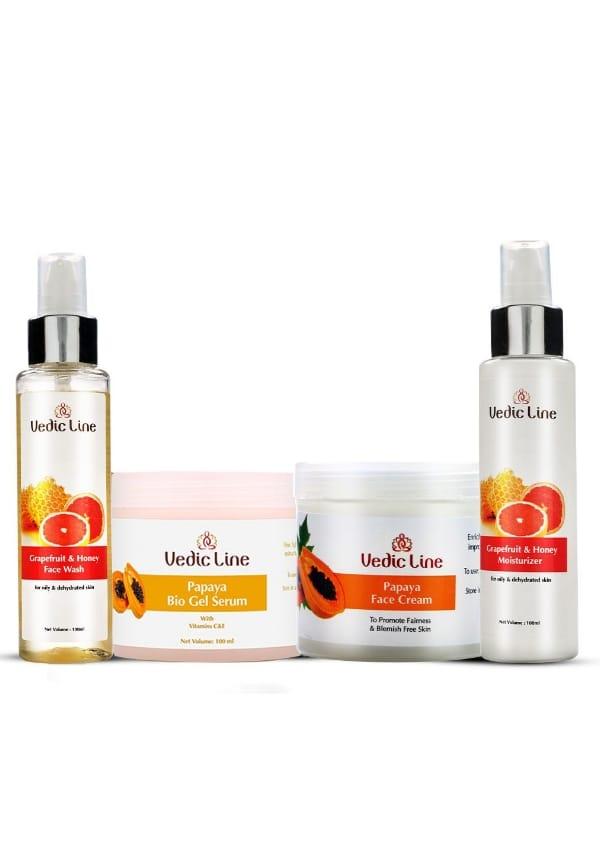
Oily Skin Rescue Kit
Sometimes the most effective affordable oily skin solutions don't come in bottles at all. Simple lifestyle adjustments can significantly impact your skin's oil production without spending a penny.
High-glycemic foods like white bread, sugary snacks, and processed foods can trigger increased oil production. Swapping these for whole grains, fruits, and vegetables helps stabilise blood sugar levels and reduce skin inflammation. Drinking adequate water—aim for 8 glasses daily—helps your skin maintain proper hydration balance. When your skin is well-hydrated, it's less likely to overproduce oil to compensate for dryness.
Change your pillowcase twice weekly to prevent oil and bacteria buildup that can clog pores overnight. Cotton pillowcases absorb oils better than synthetic materials. Clean your phone screen daily with antibacterial wipes. Your phone harbours more bacteria than a toilet seat, and pressing it against your face transfers these germs directly to your pores. Avoid touching your face throughout the day. Your hands carry oils and bacteria that can worsen breakouts and increase shine.
Many people with oily skin unknowingly sabotage their progress by making common mistakes that waste money and worsen their condition.
Washing your face more than twice daily strips your skin's natural barrier, triggering increased oil production as your skin tries to protect itself. This rebound effect makes your skin oilier than before, creating a frustrating cycle. Using harsh scrubs or alcohol-based toners daily can cause micro-tears in your skin and severe dehydration. Your skin responds by producing even more oil to heal and protect itself.
Using multiple active ingredients simultaneously—like salicylic acid, benzoyl peroxide, and retinoids—can irritate your skin and reduce each product's effectiveness. Introduce one new active ingredient at a time, spacing them throughout the week initially. Applying too much product doesn't improve results and wastes money. A pea-sized amount of most skincare products is sufficient for your entire face.
Building a sustainable routine that improves your skin over time requires patience and consistency rather than expensive quick fixes.
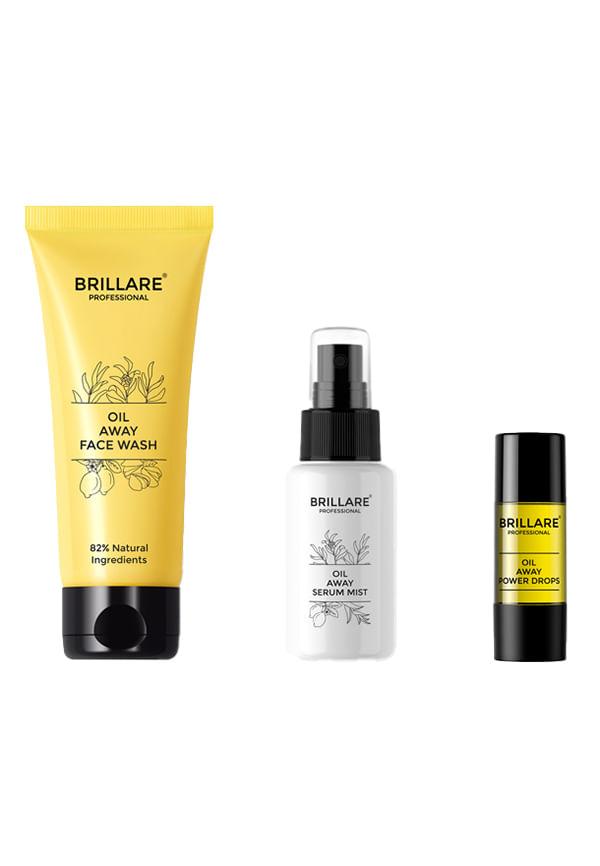
Oil Away Complete Skincare Kit
Your skin needs 4-6 weeks to adjust to new products and show visible improvements. Resist the urge to switch products frequently—this prevents your skin from adapting and makes it impossible to identify what's actually working. Start with gentle formulations and gradually increase strength as your skin builds tolerance. This approach prevents irritation that can set back your progress and waste money on products you can't use.
Your skin's needs change with weather and hormones. During humid summer months, you might need stronger oil control products, whilst winter may require more hydrating formulations to prevent your skin from overcompensating with excess oil production. Track your skin's response in a simple diary or phone notes. Recording which products work during different times helps you make informed decisions about repurchasing and prevents buying unnecessary products. This is where platforms like Smytten become invaluable for oily skin sufferers. Instead of gambling on full-size products that might not suit your skin, you can try mini versions from trusted brands like Cetaphil and Dot & Key. With over 1,500 brands available in trial sizes, you can experiment with different oil control skincare formulations without the financial risk. Getting up to 8 minis for just ₹249, plus 100% cashback for future purchases, makes building your perfect routine both affordable and smart.
The most effective approach combines gentle cleansing twice daily with a salicylic acid cleanser, using a lightweight non comedogenic moisturizer, applying oil free sunscreen daily, and incorporating weekly clay masks. Consistency matters more than expensive products—stick to this routine for 6-8 weeks to see significant improvements.
Whilst you can't permanently eliminate natural oil production (it's essential for healthy skin), you can significantly reduce excess oil through consistent skincare routines, proper hydration, and avoiding harsh products that trigger rebound oil production. Focus on balancing your skin rather than stripping it completely.
For budget-conscious individuals, at-home treatments using salicylic acid cleansers, clay masks, and niacinamide serums provide excellent results. These ingredients are proven effective and available in affordable formulations. Professional treatments like chemical peels offer more dramatic improvements but aren't necessary for most people.
Clay masks and exfoliating treatments should be used 1-2 times per week maximum. Overuse can irritate your skin and trigger more oil production. Daily products like salicylic acid cleansers and niacinamide serums can be used consistently once your skin builds tolerance.
Natural remedies work brilliantly as supplements to your routine but shouldn't completely replace proven active ingredients like salicylic acid and sunscreen. Honey masks and clay treatments offer excellent benefits, but you'll still need proper cleansers and sun protection for comprehensive care.
Managing oily skin effectively doesn't require a luxury budget—it requires smart choices, consistency, and understanding what your skin actually needs. These seven secrets prove that affordable oily skin solutions can deliver professional-level results when applied correctly. Start with the basics: a gentle cleanser, lightweight moisturiser, and broad-spectrum sunscreen. Add one targeted treatment at a time, whether it's a clay mask from your kitchen or a budget-friendly serum from the pharmacy. Remember, your skin needs time to adjust and show improvements, so stick with your routine for at least six weeks before making changes. The beauty of budget-friendly skincare lies in the freedom to experiment without financial stress. You can try different combinations, adjust your routine seasonally, and discover what works uniquely for your skin. With platforms offering trial sizes and discovery options, building your perfect routine becomes an exciting journey rather than an expensive gamble. Your skin deserves care and attention, but that doesn't mean you need to spend a fortune to achieve the healthy, balanced complexion you want. These proven strategies will help you build confidence in your skin whilst keeping your wallet happy. After all, the best skincare routine is one you can maintain consistently—and that starts with making it affordable.
