7 Best Tan Removal Tricks for Indian Skin


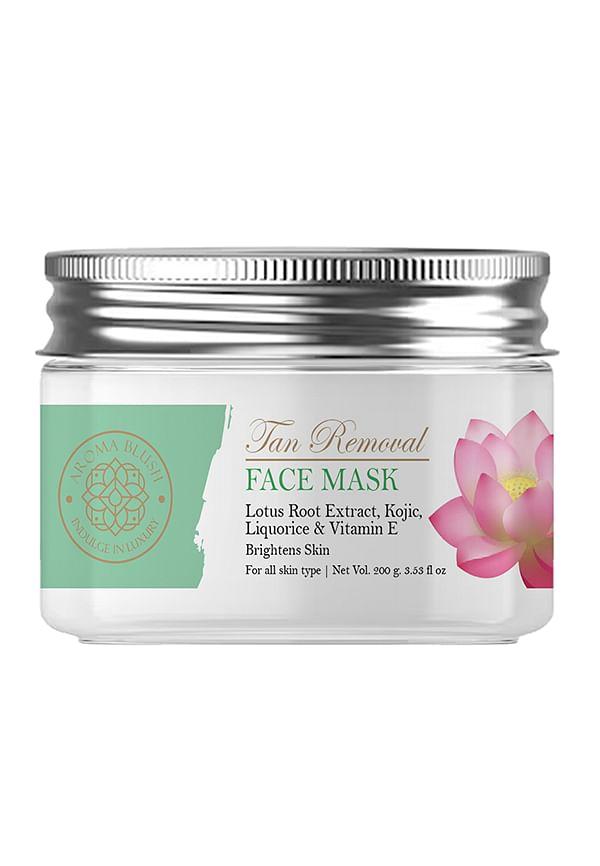
Tan Removal Face Mask
Good Quantity, Worth Money
 5
5“good quantity worth the money m”
Positive Product Experience
5“nice product nice package nice fragrance”
Great facial results
4“After applying it we can see the best result on our face”
Let's be real—dealing with tan in India is basically a year-round struggle. Between the blazing sun, humidity, and pollution, our skin takes quite a beating. If you've been searching for tan removal India solutions that actually work for our skin tones, you're in the right place. We've rounded up seven tried-and-tested methods that understand how Indian skin behaves. These aren't your typical copy-paste remedies—they're specifically chosen because they work with our melanin-rich skin, not against it. From kitchen staples your mum probably swears by to modern twists on traditional recipes, these tan removal tricks are worth a try.
Here's the thing about skin tan removal for Indian skin—it's not the same as what works for other skin types. Our skin produces melanin differently, which means we need targeted approaches. Indian skin typically falls into Fitzpatrick skin types III to V, which means we tan more easily but also hold onto that tan longer. The Indian climate doesn't help either. With UV levels hitting extreme ranges for most of the year, plus humidity that makes everything stick to your skin, traditional sun tan removal methods often fall short. That's why understanding your skin's unique needs is the first step to effective tan removal.
Most international skincare advice assumes lighter skin tones that react differently to UV exposure. Indian skin has more active melanocytes, which means our tanning process is more complex and requires gentler, more consistent approaches.
Beyond just sun exposure, factors like pollution, dust, and even certain skincare products can contribute to uneven skin tone and stubborn tanning that's harder to reverse.
Before diving into the methods, let's talk about how to remove tan effectively. Melanin production is your skin's natural defence mechanism, but sometimes it goes into overdrive. The key is encouraging healthy cell turnover whilst being gentle enough not to irritate your skin.
Indian skin produces both eumelanin and pheomelanin, with higher concentrations than lighter skin types. This means our skin can handle more active ingredients, but it also means tan removal takes patience and consistency.
Realistically, expect to see noticeable results in 4-6 weeks with consistent use of natural tan removal methods. Your skin's natural renewal cycle is about 28 days, so give any method at least a month before deciding if it's working.
Now for the good stuff—methods that actually work. These tan removal home remedies have been tested by generations of Indian women and backed by modern understanding of skincare science.
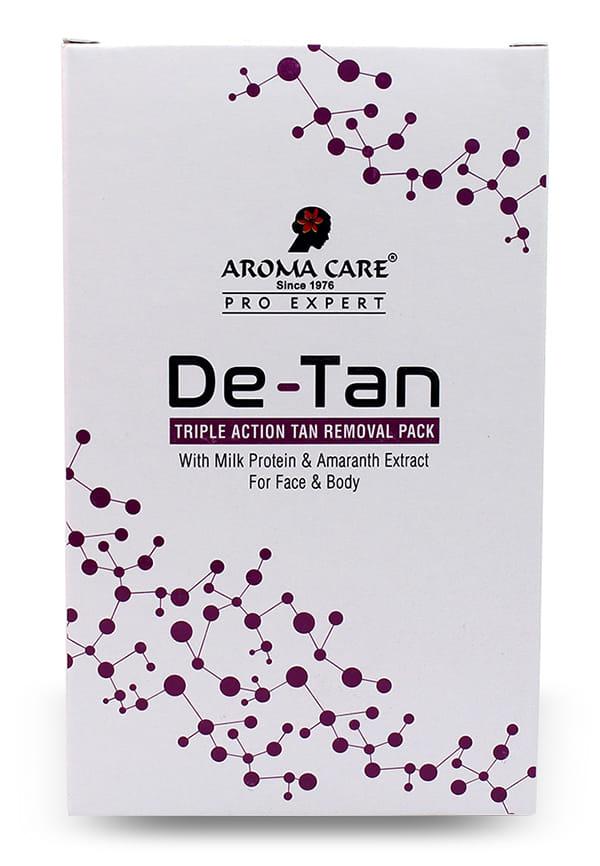
De-Tan Triple Action tan Removal Pack
Very Nice Product
5“it's very nice product🫠good #”
Positive Product Feedback
5“good product super product super”
Positive Experience, Good Quality
5“recently purchased this product and overall my experience has been quite positive. The product arrived well-packaged and in good condition. The design is clean and functional, and it appears to be made with decent build quality. In terms of performance, it does what it is supposed to do and meets expectations for everyday use.”
This is probably the most famous de tan remedy in Indian households, and for good reason. Turmeric contains curcumin, which helps inhibit melanin production, whilst yogurt's lactic acid gently exfoliates. What you need: • 1 teaspoon turmeric powder • 2 tablespoons fresh yogurt • 1 teaspoon honey (optional) Mix everything into a smooth paste, apply to clean skin, and leave for 15-20 minutes. Rinse with lukewarm water. Use this twice a week for best results.
Lemon's natural citric acid works as a gentle chemical exfoliant, whilst honey moisturises and has antibacterial properties. This combo is perfect for stubborn tan spots. The process: • Mix equal parts fresh lemon juice and raw honey • Apply to affected areas only • Leave for 10-15 minutes maximum • Always use sunscreen after this treatment Word of caution—lemon can make your skin photosensitive, so evening application is best.
Besan is a gentle physical exfoliant that's been used in Indian skincare for centuries. It removes dead skin cells without being too harsh, making it perfect for regular use. Traditional recipe: • 2 tablespoons besan • 1 tablespoon milk or rose water • Pinch of turmeric Make a paste, gently massage in circular motions, and rinse off. This is one of the safest tan removal tips for sensitive skin.
Perfect for post-sun exposure care, this combination soothes inflammation whilst promoting healing. Aloe vera contains aloin, which can help lighten hyperpigmentation. Fresh approach: • Blend fresh cucumber into a paste • Mix with pure aloe vera gel • Apply as a face mask for 20 minutes • Rinse with cool water This method is gentle enough for daily use and works brilliantly in summer.
Tomatoes are rich in lycopene, which protects against UV damage and can help reverse existing tan. Oatmeal provides gentle exfoliation without irritation. Preparation: • Blend 1 ripe tomato • Mix with 2 tablespoons ground oatmeal • Add a splash of milk if needed Apply, leave for 15 minutes, then gently scrub off. This is one of the best tan removal methods for combination skin.
Potatoes contain vitamin C and mild enzymes that can help lighten dark spots. Rose water adds hydration and has anti-inflammatory properties. Simple method: • Grate half a potato • Extract the juice • Mix with rose water • Apply with cotton pads Leave on for 20 minutes before rinsing. This is particularly effective for stubborn tan lines.
This gentle combination has been used in Indian beauty routines for generations. Milk's lactic acid provides mild exfoliation, whilst rice flour offers physical exfoliation and oil absorption. Classic recipe: • 2 tablespoons rice flour • Enough milk to make a paste • Optional: few drops of rose water Apply, let it dry partially, then gently scrub off. Perfect for oily skin types dealing with tan and excess sebum.
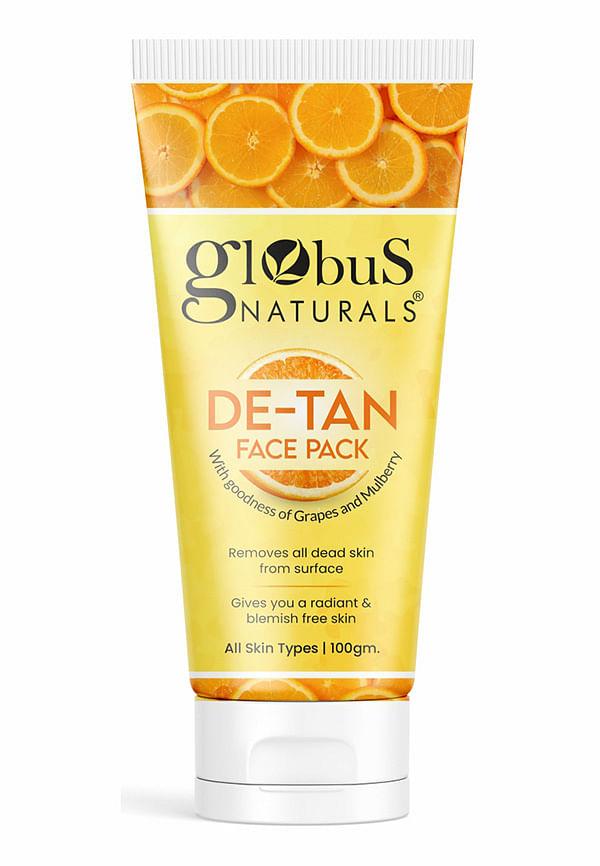
De Tan Face Pack
Effective and Lovely Packaging
4“Effective pack love the packaging”
Effective and Lovely Packaging
4“Effective pack love the packaging”
Good product for budget
4“good, little more effective in this budget”
Whilst these home remedies are effective, sometimes you might need professional tan removal treatment. Chemical peels, laser treatments, and professional facials can offer faster results, but they come with higher costs and potential side effects.
If your tan is severe, uneven, or hasn't responded to home treatments after 2-3 months, it might be time to consult a dermatologist. Professional treatments can be particularly helpful for stubborn areas like elbows and knees.
Home remedies cost pennies compared to professional treatments, but they require more time and consistency. Professional treatments offer faster results but can be expensive and sometimes harsh on sensitive skin.
Let's talk about what not to do when trying tan removal methods. Over-exfoliation is probably the biggest mistake—scrubbing your skin raw won't make the tan disappear faster, it'll just irritate your skin and potentially make pigmentation worse. Another common error is mixing too many active ingredients. Stick to one method at a time and give it proper time to work. Also, never skip sunscreen during your tan removal journey—you'll just be creating new tan whilst trying to remove the old one.
The key to successful tan removal India strategies is consistency and patience. Start with one method that appeals to you and stick with it for at least a month before switching.
Here's a realistic routine that won't overwhelm your skin: • Monday & Thursday: Gentle exfoliation (besan or oatmeal-based) • Tuesday & Friday: Brightening mask (turmeric-yogurt or tomato-oatmeal) • Wednesday & Saturday: Hydrating treatment (aloe-cucumber) • Sunday: Rest day with just gentle cleansing
During monsoon, focus on gentle methods as your skin might be more sensitive. In summer, cooling treatments like cucumber-aloe work best. Winter is perfect for more intensive treatments as sun exposure is typically lower. When exploring skincare solutions, platforms like Smytten make it easier to discover products that might complement your tan removal routine. With trial packs from trusted brands, you can test new skincare products without committing to full sizes—perfect when you're figuring out what works for your skin.
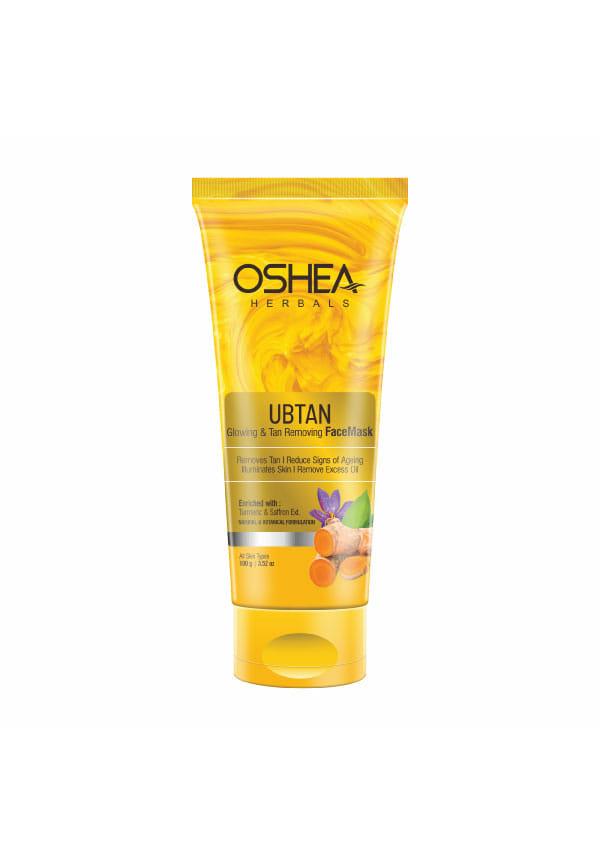
Ubtan Glowing & Tan Removing Face Mask
With consistent use of natural methods, you can expect to see noticeable improvement in 4-6 weeks. Complete tan removal might take 2-3 months, depending on how deep the tan is.
Yes, these gentle methods are suitable for all Indian skin types. However, those with very sensitive skin should patch test first and use milder versions of the recipes.
Most of these remedies are gentle, but always patch test first. If you have very sensitive skin, start with the mildest options like aloe-cucumber or milk-rice flour.
Tan removal aims to restore your natural skin tone by removing excess melanin caused by sun exposure. It's about getting back to your original complexion, not changing it.
Most methods can be used 2-3 times per week. Daily use is only recommended for very gentle treatments like aloe vera gel.
It's better to stick to one method at a time to avoid over-treating your skin. You can alternate between different methods on different days.
Avoid harsh scrubs, undiluted lemon juice, and any ingredients you're allergic to. Also, be cautious with baking soda as it can disrupt your skin's pH balance.
Sunscreen is non-negotiable. Use broad-spectrum SPF 30 or higher daily, reapply every 2-3 hours, and wear protective clothing when possible.
Effective tan removal for Indian skin is all about understanding your skin's unique needs and being consistent with gentle, proven methods. These seven tricks work because they respect our skin's melanin production patterns whilst encouraging healthy renewal. Remember, patience is key—your skin didn't tan overnight, and it won't return to its natural tone overnight either. Pick one or two methods that appeal to you, stick with them consistently, and always protect your skin from further sun damage. The beauty of these natural tan removal methods is that they're accessible, affordable, and gentle enough for regular use. Whether you're dealing with vacation tan lines or everyday sun exposure effects, these tried-and-tested approaches can help you achieve the even, healthy-looking skin you're after. Just remember—consistency beats intensity every time when it comes to skincare.
