7 Best SPF for Indian Skin: Glow Without Shine


Let's be real—finding the best SPF for Indian skin can feel like searching for a needle in a haystack. Between the humid weather, diverse skin tones, and that dreaded white cast that makes you look like you've dunked your face in flour, the struggle is proper real. But here's the thing: your skin deserves sun protection that actually works with your complexion, not against it. Whether you're dealing with oily skin that turns into a grease slick by noon or sensitive skin that throws a tantrum at the slightest provocation, we've got your back. This guide breaks down everything you need to know about choosing sunscreen for Indian skin that'll keep you glowing without the shine.
Here's something that might surprise you: having more melanin doesn't mean you can skip the SPF. Sure, darker skin tones have some natural protection against UV rays, but it's nowhere near enough to shield you from India's intense sun. The myth that SPF for dark skin isn't necessary? Complete rubbish. Indian skin faces unique challenges that your average sunscreen wasn't designed for. Our climate is a proper mix of humidity, pollution, and year-round sunshine that can wreak havoc on unprotected skin. Add to that the fact that most sunscreens were formulated with lighter skin tones in mind, and you've got a recipe for frustration. The real kicker? Indian skin is more prone to hyperpigmentation and melasma, which means UV damage shows up as dark spots and uneven skin tone rather than just sunburn. That's why finding the right sun protection for skin isn't just about preventing burns—it's about keeping your complexion even and healthy.
Let's talk numbers first. SPF 30 blocks about 97% of UVB rays, whilst SPF 50 blocks around 98%. That 1% difference might not sound like much, but for Indian skin exposed to intense UV radiation daily, it can make a real difference. For daily sunscreen use, SPF 30 is your minimum, but SPF 50 is your sweet spot. But here's what most people miss: the PA rating. This measures UVA protection, and in India's climate, you want PA+++ or PA++++. UVA rays are the sneaky ones that cause premature ageing and hyperpigmentation, and they're present even on cloudy days.
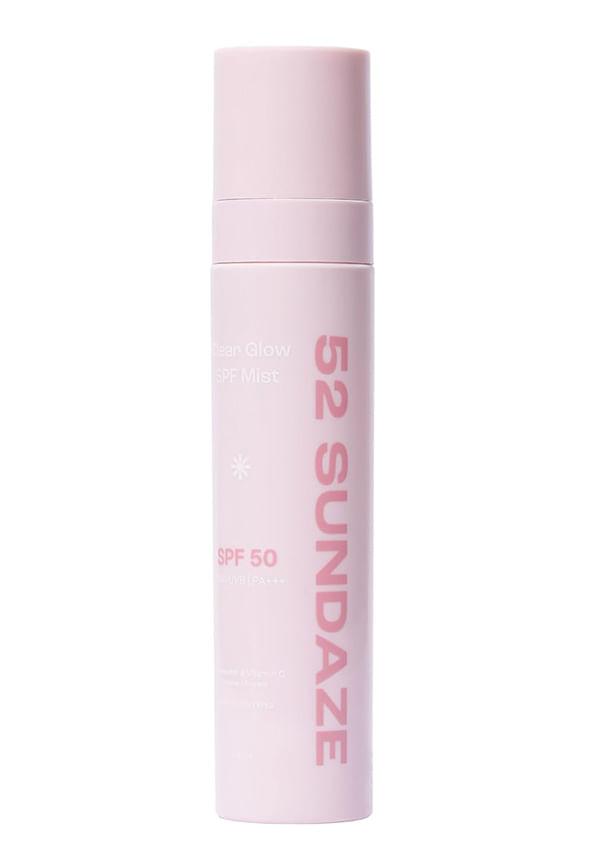
Clear Glow SPF Mist - Rosewater
Beautiful Sunscreen for Reapplication
 5
5“what a beautiful sunscreen for reapplication”
Best for Reapplying, Smells Divine
5“best for reapplying and smells divine”
Best SPF Mist, Handy and Easy
5“One of the best spf mist. So handy n easy to apply”
Broad spectrum sunscreen protects against both UVA and UVB rays. Think of UVB as the burning rays and UVA as the ageing rays. Both are present in Indian sunshine, and both can damage your skin in different ways.
In our humid climate, you need to reapply every 2-3 hours, especially if you're sweating or spending time outdoors. No exceptions, no excuses.
Right, let's get to the good stuff. These picks have been chosen based on how well they work with Indian skin tones, our climate, and different skin types. Each one tackles specific concerns whilst delivering proper protection.
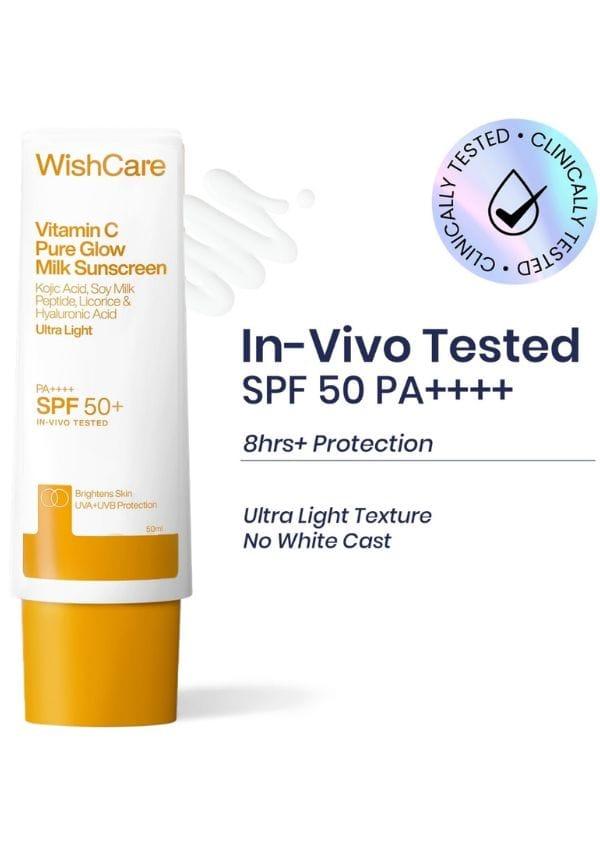
Vitamin C Pure Glow Face Sunscreen SPF 50 PA++++
Lightweight, non-comedogenic concern
4“very light weight but not sure about its non comedogenic factor”
Lightweight, non-comedogenic concern
4“very light weight but not sure about its non comedogenic factor”
Very Nice Product
5“very nice product.10 on 10 product.i like it.”
If your skin turns into an oil slick faster than you can say "sunscreen," you need something that'll control shine whilst protecting. Look for gel formulations with niacinamide or zinc oxide that mattify without clogging pores. The best sunscreen for oily skin should feel weightless and absorb quickly.
Dry skin needs extra love, and your sunscreen can double as a moisturiser. Cream-based formulas with hyaluronic acid or ceramides will protect whilst keeping your skin plump and hydrated throughout the day.
Sensitive skin and harsh chemicals don't mix. Mineral sunscreens with zinc oxide or titanium dioxide are your safest bet. They sit on top of your skin rather than absorbing into it, making them perfect for reactive skin types.
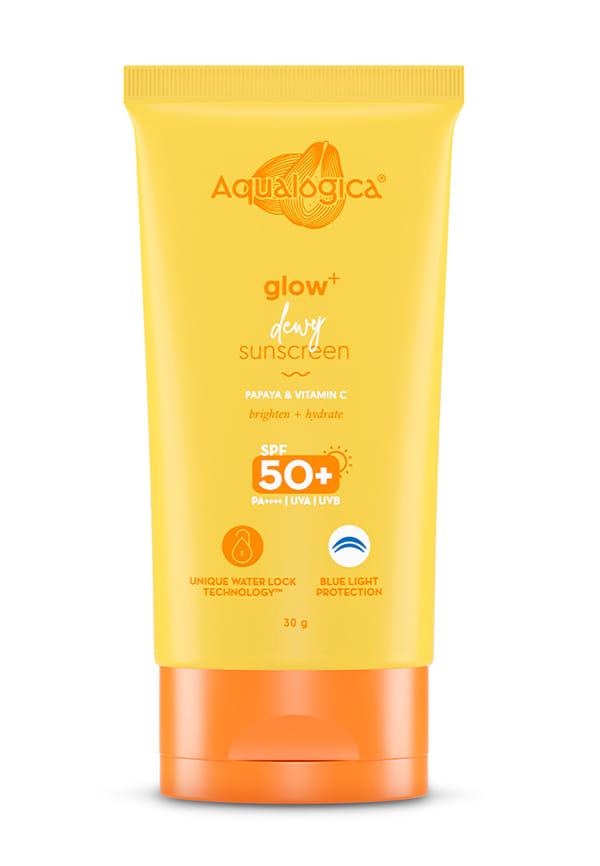
Glow+ Dewy Lightweight & Hydrating Travel-Friendly Sunscreen with SPF 50+ & PA++++
Nice Product, Love It
5“it's so nice product I love it”
Nice Product, Love It
5“it's so nice product I love it”
Small but effective for tan removal
5“little in size and but very helpful for skin tan removal.”
Good sun protection doesn't have to break the bank. Some of the most effective sunscreens come with wallet-friendly price tags, proving that protecting your skin doesn't require a luxury budget.
Sometimes you want to treat your skin to something special. Premium sunscreens often come with added antioxidants, anti-ageing ingredients, and silky textures that make daily application a pleasure.
This is where the magic happens for Indian skin. Tinted sunscreens eliminate white cast whilst providing coverage. They're perfect for those who want protection with a hint of colour correction.
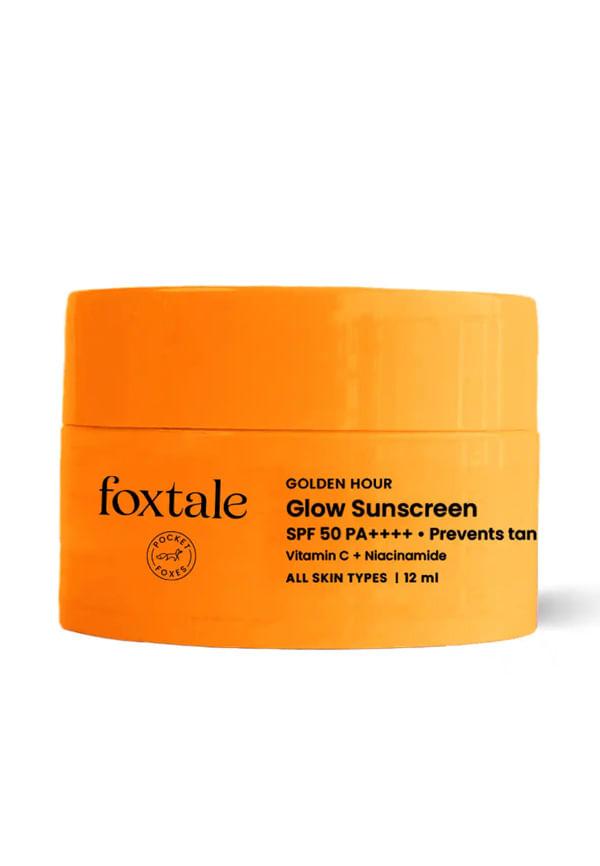
Golden Hour Glow Sunscreen
Good Product, Must Buy
5“i like this product must buy good for use”
Nice Lightweight Texture
5“very nice light weight texture is so good”
Nice Lightweight Texture
5“very nice light weight texture is so good”
Your everyday sunscreen should feel like second skin. Lightweight formulas that layer well under makeup and don't pill or feel heavy are essential for consistent daily use.
Choosing the right sunscreen isn't just about SPF numbers—it's about finding something that works with your specific skin type. Let's break it down properly.
Your skin produces enough oil on its own, thank you very much. You need non comedogenic sunscreen that won't add to the grease factor. Look for gel or fluid formulations with mattifying ingredients like silica or niacinamide. Avoid heavy creams that might clog your pores.
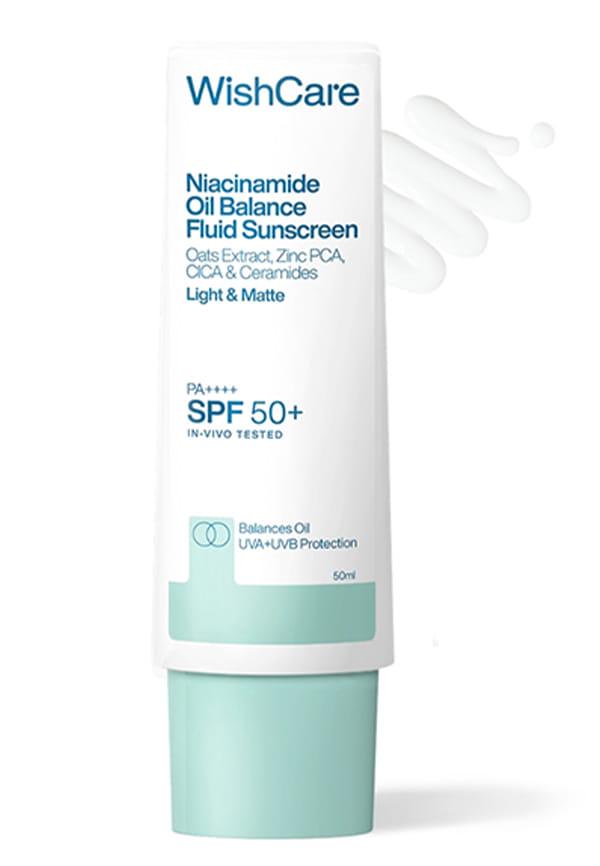
Niacinamide Oil Balance Sunscreen SPF 50 PA++++ - In-Vivo Tested
Good Product, 50% Discount for ₹300
5“bohat acha hai genuinely 50 off hua to 300 megiri”
Love this sunscreen
5“I am in love with this sunscreen ..it doesn't leave any white cast on my face”
Love the sunscreen
5“I love the sunscreen so much , and it will work good on my skin”
Dry skin can actually benefit from slightly richer sunscreen formulations. Cream-based sunscreens with hydrating ingredients like hyaluronic acid or glycerin can serve double duty as your morning moisturiser.
Combination skin is tricky because different areas of your face have different needs. A lightweight lotion that's neither too mattifying nor too hydrating usually works best.
Sunscreen for sensitive skin should be fragrance-free and formulated with gentle, mineral ingredients. Zinc oxide and titanium dioxide are your friends here—they're less likely to cause irritation than chemical filters.
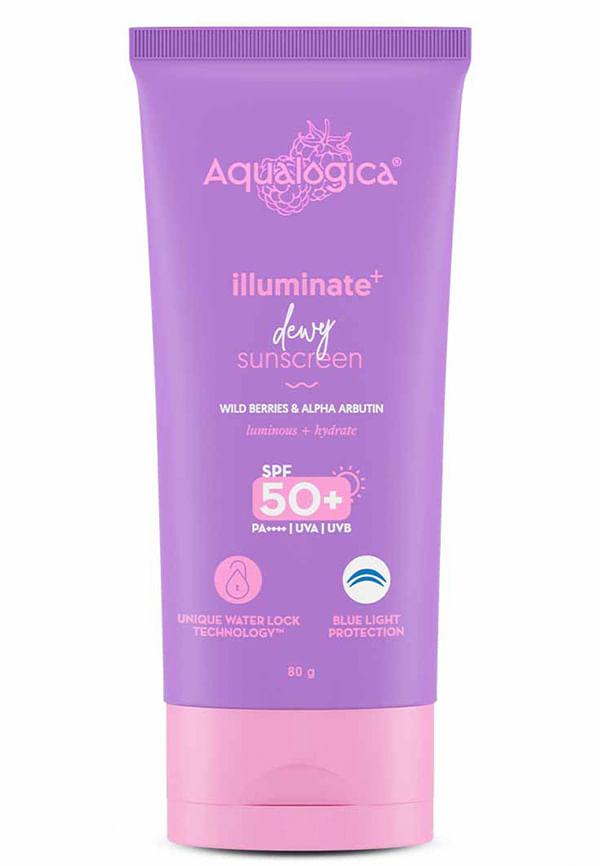
Illuminate+ dewy Sunscreen
Nice Texture, Good Sunscreen
5“the texture was nice and sunscreen was good.”
Great Sun Protection, Dewy Look
4“Great sun protection with no white cast. Gives a nice dewy look!”
Great Sun Protection, Dewy Look
4“Great sun protection with no white cast. Gives a nice dewy look!”
Mature skin benefits from sunscreens with added antioxidants like vitamin C or E. These ingredients help fight free radical damage whilst providing sun protection.
Let's address the elephant in the room: most sunscreens weren't made with Indian skin in mind. Here's how to tackle the most common issues.
Nothing ruins a good skincare routine like looking like you've been dusted with chalk. Sunscreen without white cast is possible—you just need to know what to look for. Tinted formulations, micronised mineral particles, or chemical sunscreens typically blend better with darker skin tones.
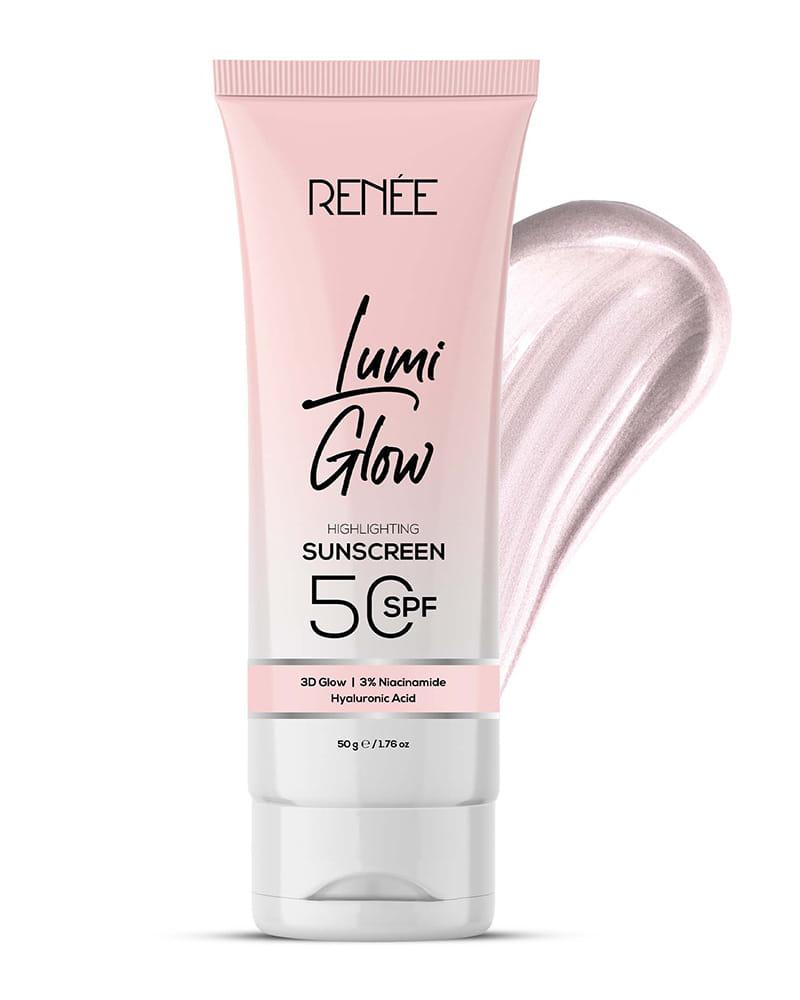
Lumi Glow Highlighting Sunscreen
Amazing Single-Use Product
5“i love this product It's amazing that we can use a single one this”
Amazing Single-Use Product
5“i love this product It's amazing that we can use a single one this”
Nice Highlighting Effect
4“gives very nice highlighting effect in skin”
Greasy sunscreen is the enemy of good makeup and comfortable wear. Look for mattifying ingredients, use the right amount (more isn't always better), and consider powder sunscreens for touch-ups.
When your sunscreen balls up and flakes off, it's usually because of incompatible products or incorrect application. Wait between skincare layers, use gentle patting motions, and check that your moisturiser and sunscreen play well together.
Your best sunscreen for face should work seamlessly under makeup. Some sunscreens double as primers, whilst others need a few minutes to set before you apply foundation.
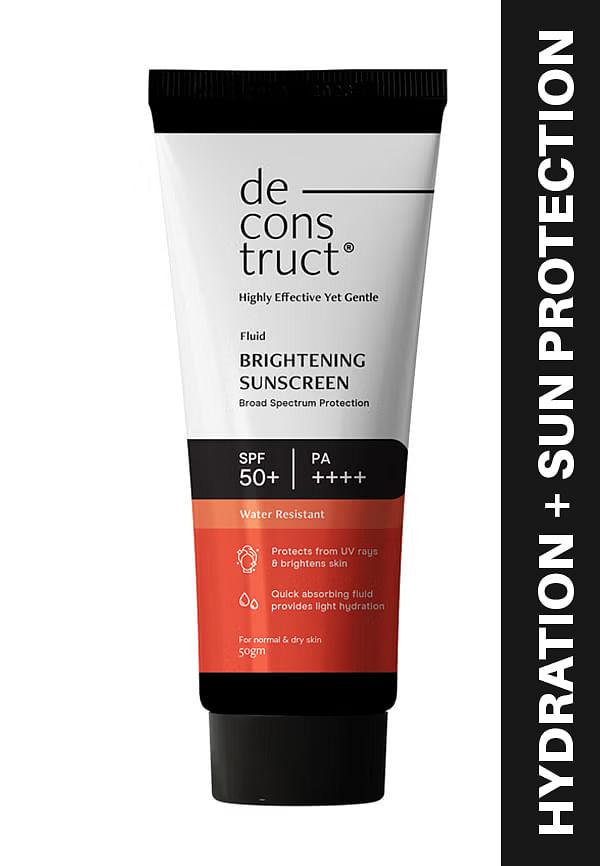
Fluid Brightening Sunscreen for Dry Skin with Spf 50+ And Pa++++
Best Sunscreen, No White Cast
5“best sunsceen easily aborb no white cast”
Absorbed, Glow, Dry Skin
4“Easily absorbed into skin and instant glow after application. Suitable for dry skin”
Effective for Oily Skin
5“I got my result in 3 weeks it's non sticky and very helpful for oily skin”
Having the right sunscreen is only half the battle—you need to apply it correctly to get the protection promised on the bottle. The golden rule? Use about 1/4 teaspoon for your face and neck. That might seem like loads, but it's what you need for proper coverage. Apply it 15-30 minutes before heading out, and don't forget often-missed spots like your ears, the back of your neck, and around your eyes.
Sunscreen goes on after your skincare but before makeup. If you're using multiple products, wait a minute or two between each layer to prevent pilling.
Reapplying over makeup can be tricky, but it's non-negotiable. Powder sunscreens, setting sprays with SPF, or gentle patting with a beauty sponge can help you top up protection without ruining your look. Smytten understands that finding your perfect sunscreen match can feel overwhelming with so many options available. That's why their curated trial packs let you test different formulations before committing to full-size purchases. With over 1,500 trusted brands including skincare favourites like Cetaphil and Dot & Key, you can discover what works for your unique skin type without the guesswork.
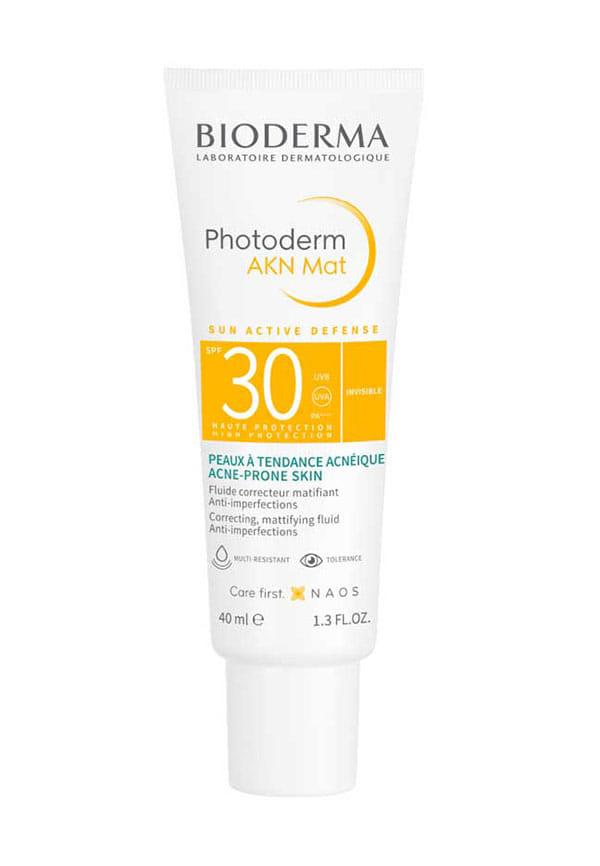
Photoderm Akn Mat Fluide Spf 30
SPF 30 is the minimum for daily use, but SPF 50 is ideal for Indian skin due to our intense UV exposure. Look for broad spectrum protection with PA+++ rating for complete coverage.
SPF 50 is better for Indian skin as it blocks 98% of UVB rays compared to SPF 30's 97%. That extra 1% matters when you're dealing with year-round intense sunshine.
Tinted sunscreens, chemical formulations, or mineral sunscreens with micronised particles work best. Look for products specifically tested on deeper skin tones.
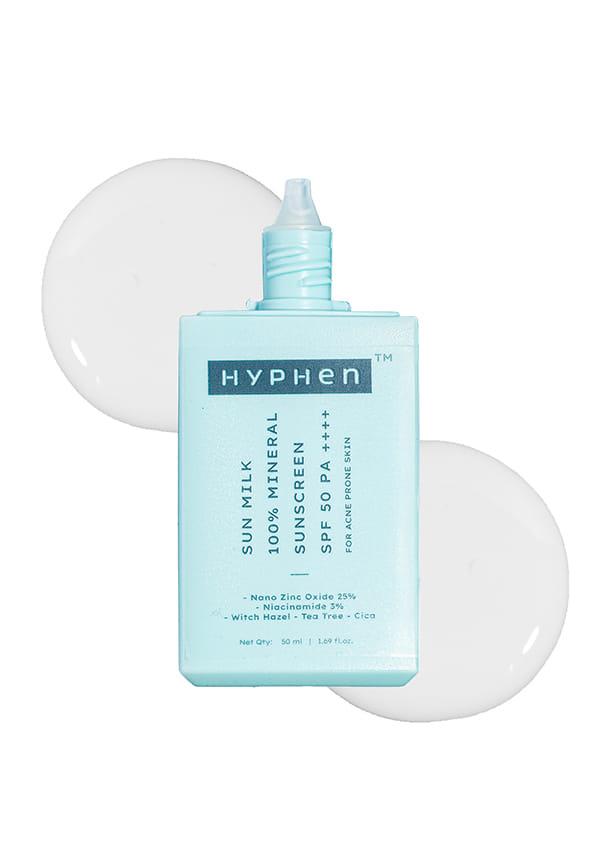
Sun Milk 100% Mineral Sunscreen SPF 50 PA++++ 25% Nano Zinc Oxide
Super and Nice Product
5“super and nice product I liked it”
Super and Nice Product
5“super and nice product I liked it”
Super and Nice Product
5“super and nice product I liked it”
Every 2-3 hours, especially if you're sweating or outdoors. In humid conditions, your sunscreen can break down faster, so consistent reapplication is crucial.
Whilst you can, facial sunscreens are formulated to be gentler and work better under makeup. Body sunscreens might be too heavy or comedogenic for facial use.
Both can work well. Mineral sunscreens (zinc oxide, titanium dioxide) are gentler for sensitive skin, whilst chemical sunscreens often blend better and feel lighter.
Absolutely. Up to 80% of UV rays can penetrate clouds, and UVA rays are present year-round. Cloudy doesn't mean UV-free.
Look for non-comedogenic, gel-based formulations with mattifying ingredients like niacinamide or silica. Avoid heavy creams that might clog pores.
Finding the best SPF for Indian skin isn't about following trends—it's about understanding what your skin actually needs. Whether you're dealing with oily skin that needs oil control, sensitive skin that requires gentle formulations, or simply want something that won't leave you looking ghostly, there's a perfect match out there. Remember, the best sunscreen is the one you'll actually use every day. It should feel comfortable, work with your skin type, and fit seamlessly into your routine. Don't be afraid to try different formulations until you find your perfect match—your future self will thank you for the protection. With platforms like Smytten offering trial-sized versions of popular sunscreens from trusted brands, you can test what works for your skin without committing to full-size products. After all, why settle for maybe when you can try it all and find what truly works for your unique skin?
