7 Best Skincare Tips for Sensitive Indian Skin


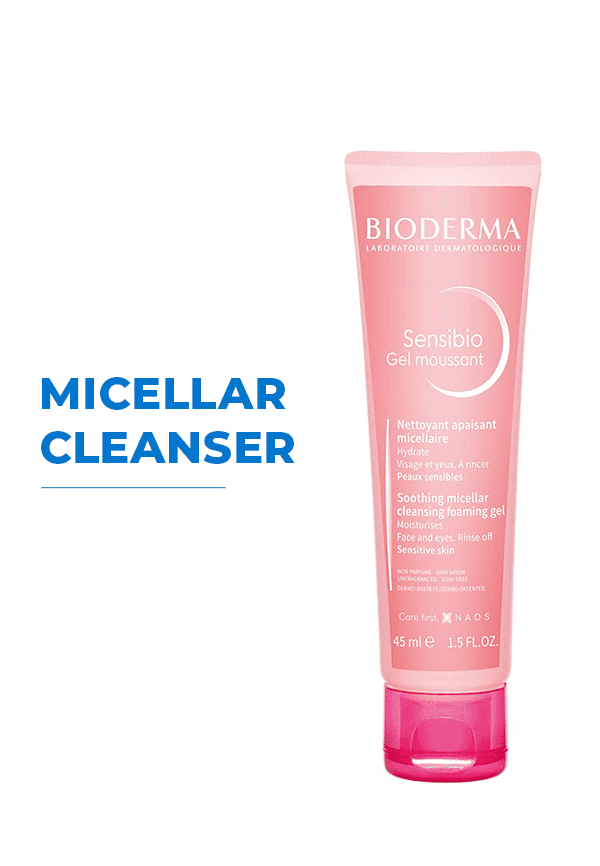
Sensibio Gentle Soothing Micellar Cleansing Foaming Gel For Sensitive Skin
Let's be real—having sensitive Indian skin can feel like navigating a minefield. One wrong product and you're dealing with redness, irritation, or that annoying burning sensation that makes you want to hide indoors. But here's the thing: sensitive skin isn't a life sentence of bland, boring routines. With the right approach and gentle products, you can actually build a skincare routine that works with your skin, not against it. Whether you're dealing with pollution-induced irritation, climate-related sensitivity, or just naturally reactive skin, these seven expert-backed tips will help you create a routine that's both effective and kind to your skin.
Before diving into solutions, it's worth understanding why skincare for sensitive Indian skin requires a special approach. Indian skin has higher melanin content, which offers natural sun protection but can also make it more prone to hyperpigmentation when irritated. The tropical climate doesn't help either—high humidity, pollution levels, and intense UV exposure create a perfect storm for sensitivity. Common Indian skin problems include increased oil production in humid weather, barrier damage from pollution, and reactions to harsh ingredients that might work fine in cooler climates. Your skin's natural barrier can become compromised more easily, leading to increased sensitivity to products that once worked perfectly. Plus, genetic factors play a role—many people with Indian heritage have naturally thinner skin barriers, making them more susceptible to irritation from environmental stressors and skincare ingredients.
Your sensitive skin skincare routine starts with how you cleanse. Forget everything you've heard about squeaky-clean skin—that tight feeling after washing is actually your skin crying for help. For sensitive Indian skin, gentle cleansing is non-negotiable. Start with lukewarm water, never hot. Hot water strips your skin's natural oils and can trigger inflammation. Choose a mild, fragrance-free cleanser with a creamy or gel texture that doesn't foam excessively. Look for ingredients like ceramides or glycerin that cleanse while maintaining your skin barrier.
If you wear makeup or sunscreen (which you should), try gentle double cleansing. Start with a mild cleansing oil or balm to remove makeup and sunscreen, then follow with your regular gentle cleanser. This prevents the need for harsh scrubbing that can irritate sensitive skin.
Pat your skin dry with a soft towel—never rub. Apply your moisturiser while your skin is still slightly damp to lock in hydration. This simple step can make a huge difference in maintaining your skin barrier.
When it comes to a skincare routine for sensitive skin, less is definitely more. Your routine should focus on three core steps: cleanse, moisturise, and protect. Adding too many products or switching them frequently can overwhelm sensitive skin and trigger reactions. Start with the basics and introduce new products one at a time, waiting at least two weeks between additions. This way, if something causes irritation, you'll know exactly what the culprit is.
Keep mornings simple: gentle cleanser, lightweight moisturiser, and broad-spectrum SPF. Choose a sunscreen specifically formulated for sensitive skin—mineral sunscreens with zinc oxide or titanium dioxide are usually gentler than chemical ones.
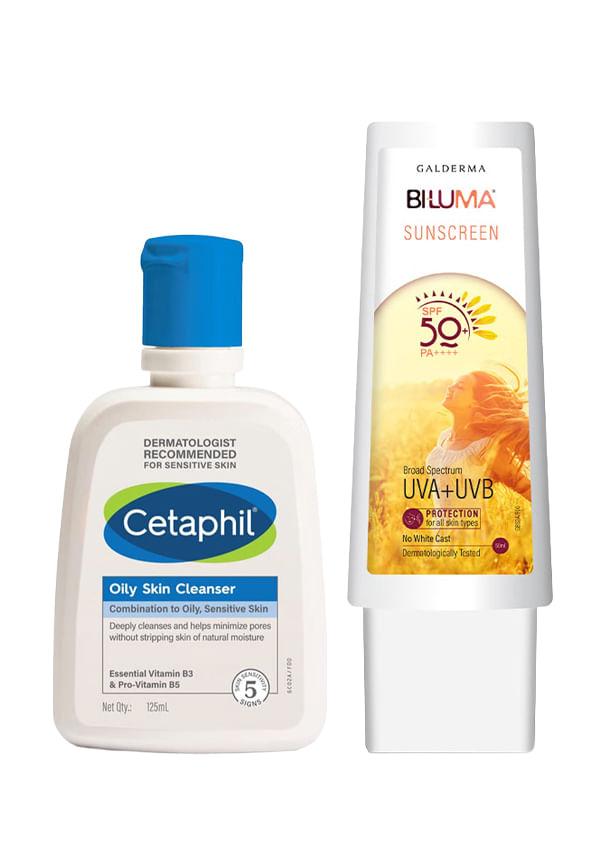
Sensitive Skin Summer Protection
Evenings are for repair and hydration. Cleanse gently, apply a slightly richer moisturiser than your morning one, and consider adding a barrier repair serum if your skin tolerates it well.
Finding the best moisturiser for sensitive skin can feel overwhelming, but there are key features to look for. Your ideal moisturiser should be fragrance-free, non-comedogenic, and contain barrier-repairing ingredients. Look for moisturisers with ceramides, which help restore your skin barrier, or hyaluronic acid for hydration without heaviness. Niacinamide is another gentle ingredient that can help reduce redness and strengthen your skin over time.
Choose your moisturiser texture based on your skin type. If you have oily sensitive skin, lightweight gel moisturisers work well. For dry sensitive skin, opt for cream formulations. Combination sensitive skin usually does best with lotion-consistency products.
Apply moisturiser to slightly damp skin using gentle upward strokes. Don't forget your neck and the delicate area around your eyes—these spots are often more sensitive than the rest of your face.
Natural doesn't always mean gentle, but certain natural ingredients can be incredibly soothing for sensitive skin. The key is knowing which ones to use and how to use them safely. Aloe vera is a superstar for sensitive skin—it's cooling, anti-inflammatory, and helps with healing. Look for products with at least 90% aloe vera content, or keep a pure aloe gel in your fridge for emergency soothing.
Oatmeal makes an excellent gentle exfoliant and cleanser. Mix finely ground oats with water to create a paste, gently massage onto damp skin, and rinse off. Cucumber slices or cucumber-infused water can provide instant cooling relief for irritated skin.
Steer clear of citrus oils, peppermint, eucalyptus, and high concentrations of essential oils. These might smell lovely but can cause photosensitivity and irritation on sensitive skin.
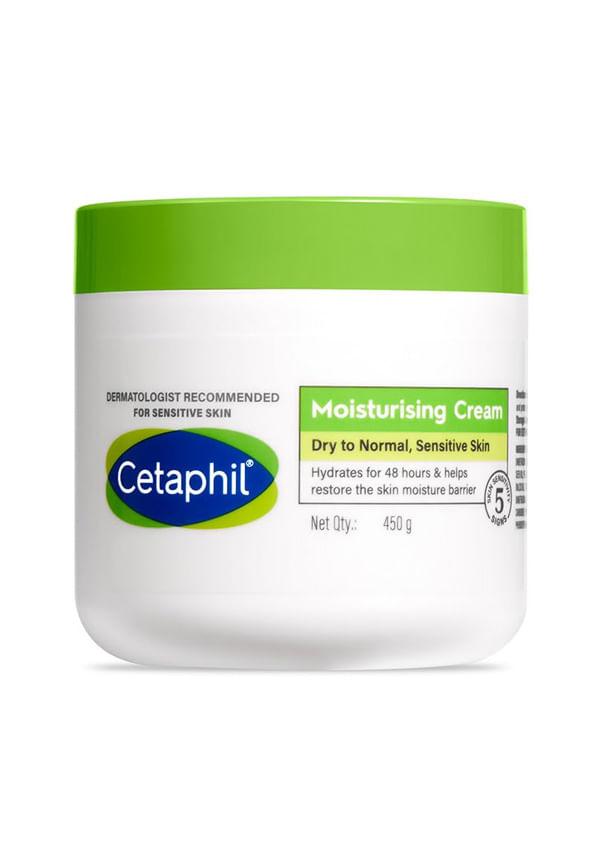
Moisturising Cream For Face & Body
Not all gentle skincare products are created equal. Learning to read ingredient lists is crucial for managing sensitive skin. Look for products labeled as hypoallergenic skincare, but remember that this term isn't regulated, so you still need to check the ingredients. Avoid products with long ingredient lists—the more ingredients, the higher the chance of finding something that irritates your skin. Stick to products with 10-15 ingredients maximum, and make sure you recognise most of them.
Stay away from alcohol-based toners, synthetic fragrances, harsh sulfates like sodium lauryl sulfate, and high concentrations of acids. Even natural fragrances from essential oils can be problematic for sensitive skin.
Always patch test new products on a small area of skin (behind your ear or on your inner wrist) for 24-48 hours before applying to your face. This simple step can save you from a full-face reaction.
When dealing with redness relief skincare needs, the goal is to calm inflammation and strengthen your skin barrier. Ingredients like chamomile, green tea extract, and centella asiatica are excellent for reducing redness and soothing irritated skin. For immediate relief from redness, try a cool compress with green tea. Brew green tea, let it cool completely, soak a clean cloth in it, and apply to the affected area for 10-15 minutes.
Consistent use of gentle, anti-inflammatory ingredients is key. Niacinamide, azelaic acid (in low concentrations), and zinc oxide can help reduce chronic redness over time. Be patient—it can take 6-8 weeks to see significant improvement.
If redness persists despite gentle care, or if you experience burning, stinging, or severe reactions, consult a dermatologist. You might have an underlying condition like rosacea or eczema that needs professional treatment.
Itchy skin can be one of the most frustrating aspects of having sensitive skin. The urge to scratch can damage your skin barrier further, creating a cycle of irritation and sensitivity. For immediate relief, apply a cool, damp cloth to itchy areas. Keep your nails short to minimise damage if you do scratch. Use fragrance-free, gentle moisturisers multiple times a day to keep skin hydrated and less prone to itching.
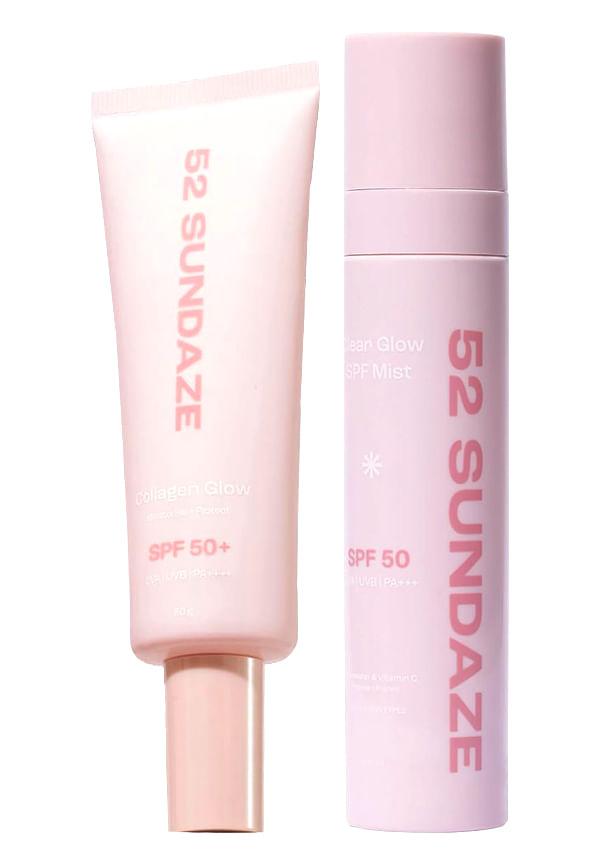
SPF Glow Kit- Base + Reapplication
Consider your environment—dry air from air conditioning or heating can worsen itchy skin. Use a humidifier in your bedroom, and avoid hot showers which can strip your skin's natural oils.
Stress can worsen skin sensitivity and itching. Practice stress management techniques like meditation or yoga. Also, choose soft, breathable fabrics for clothing and bedding, and wash them with fragrance-free detergents. This is where platforms like Smytten become invaluable for those with sensitive skin. With over 1,500 trusted brands including gentle options like Cetaphil, you can try products in mini sizes before committing to full-size purchases. Getting up to 8 minis for just ₹249 means you can test multiple gentle skincare products without the risk of wasting money on full-size products that might not work for your sensitive skin.
Sensitive skin consistently reacts to multiple products and environmental factors, while reactive skin might only respond to specific triggers. If you experience frequent redness, burning, or stinging with various products, you likely have sensitive skin.
Yes, but start very slowly. Begin with the lowest concentration available, use it only once or twice a week initially, and always follow with a gentle moisturiser. Consider retinyl palmitate or bakuchiol as gentler alternatives to retinol.
Wait at least two weeks between introducing new products. This gives your skin time to adjust and helps you identify any products that cause reactions.
Not necessarily. Some natural ingredients can be more irritating than synthetic ones. Focus on gentle, well-formulated products regardless of whether they're natural or synthetic.
Stop using the product immediately, apply a cool compress to soothe the area, and use only your most basic, trusted products until the reaction subsides. If the reaction is severe or doesn't improve within a few days, consult a dermatologist.
Managing skincare for sensitive Indian skin doesn't have to be complicated. The key is consistency, patience, and choosing products that work with your skin's natural barrier rather than against it. Remember that what works for others might not work for you—sensitive skin is highly individual. Start with the basics: gentle cleansing, proper moisturising, and sun protection. Build your routine slowly, patch test everything, and don't be afraid to keep things simple. Your skin will thank you for the gentle approach. With platforms like Smytten, exploring gentle skincare becomes much easier and more affordable. You can discover products from trusted brands, try them in mini sizes, and find your perfect routine without the usual trial-and-error expense. After all, when it comes to sensitive skin, why settle for 'maybe' when you can try it all and find what truly works for you?
