7 Best Oily Skin Routine Steps for Teens

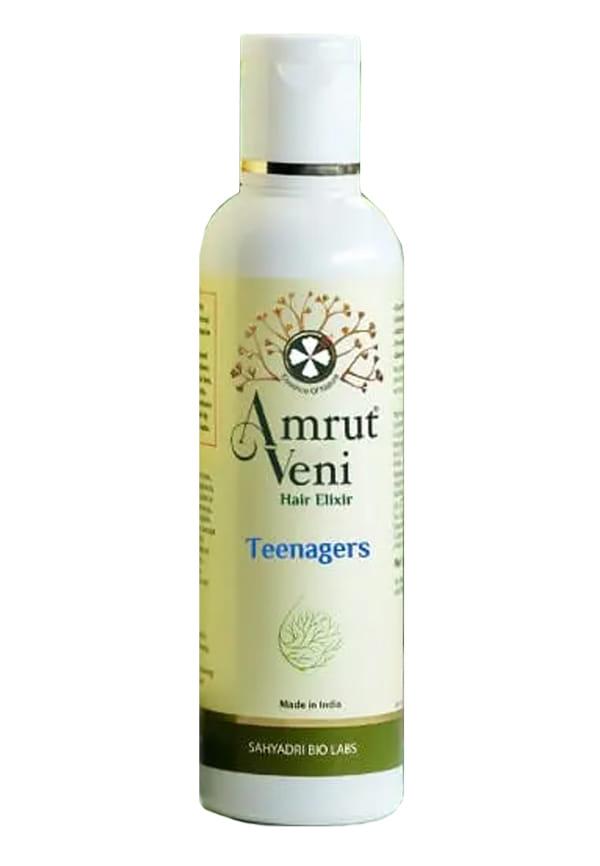
Hair Elixir Teenagers
Teen skin can feel like it's working against you—one day it's clear, the next it's an oil slick by lunchtime. Here's the thing: teenage skin produces about 30% more oil than adult skin, thanks to those lovely hormonal changes. But before you start scrubbing your face raw or piling on every acne product you can find, let's talk about what actually works. An oily skin routine for teens doesn't have to be complicated or expensive. It just needs to be smart, gentle, and consistent. We're breaking down seven essential steps that dermatologists actually recommend—no harsh chemicals or miracle promises, just real solutions for real teenage skin struggles.
Let's be real—your skin isn't misbehaving just to annoy you. During puberty, your body ramps up hormone production, particularly androgens like testosterone. These hormones signal your sebaceous glands to produce more oil, which is why your T-zone might look like you've been running marathons even when you've just been sitting in maths class. Genetics play a massive role too. If your parents dealt with oily skin as teens, chances are you've inherited those overactive oil glands. But here's what's interesting—environmental factors like stress from exams, lack of sleep, and even touching your face throughout the day can make oil production worse. The biggest mistake teens make? Thinking they need to strip all the oil away. When you use harsh cleansers or scrub aggressively, your skin actually produces more oil to compensate. It's like your skin is saying, "Oh, we're under attack? Better make more oil for protection!" This creates a vicious cycle that keeps your skin looking shiny and feeling frustrated.
Here's your complete roadmap to clearer, more balanced skin. These steps work together to control oil without overdrying, treat breakouts without irritation, and keep your skin healthy long-term.
Start your day with a cleanser for oily skin that removes overnight oil buildup without stripping your skin. Look for ingredients like salicylic acid (0.5-2%) which gently exfoliates inside your pores, or benzoyl peroxide (2.5%) if you're dealing with active breakouts. Avoid anything that makes your skin feel tight or squeaky clean—that's a sign it's too harsh. Wash with lukewarm water for about 30 seconds, using gentle circular motions with your fingertips. Never use hot water or rough washcloths, as these can irritate your skin and trigger more oil production.
Toners aren't essential, but they can be brilliant for teen skincare when used correctly. Start with 2-3 times per week to see how your skin responds. Look for alcohol-free formulas with niacinamide, which helps regulate oil production, or witch hazel for gentle pore-tightening. Apply with clean hands by gently patting into skin, or use a cotton pad if you prefer. Never rub or scrub—your skin should feel refreshed, not irritated.
This is where you tackle existing breakouts and prevent new ones. For acne treatment for teens, less is often more. Choose one active ingredient and stick with it for at least 6-8 weeks before deciding if it's working. Salicylic acid works brilliantly for blackheads and whiteheads, while benzoyl peroxide is better for inflamed, red spots. Apply to clean skin and let it absorb completely before moving to the next step. Start every other day to build tolerance.
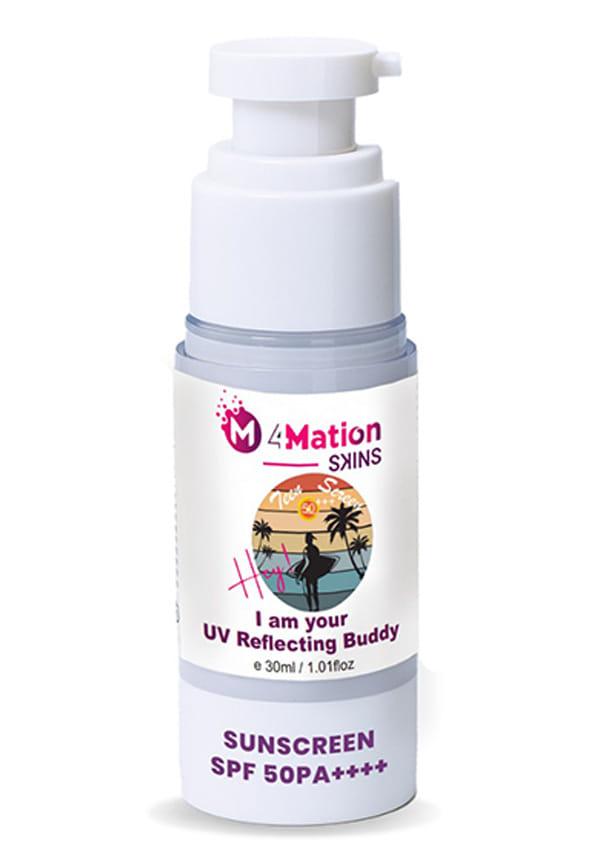
Teenager Sunscreen
Yes, oily skin needs moisture! When you skip moisturiser, your skin produces more oil to compensate for dehydration. Choose non-comedogenic skincare products—this means they won't clog your pores. Look for gel-based or water-based formulas with ingredients like hyaluronic acid or glycerin. These provide hydration without heaviness. Apply while your skin is still slightly damp to lock in moisture.
Sunscreen isn't optional, even for oily skin. UV damage can worsen acne scarring and cause your skin to produce more oil as a protective response. Choose oil-free, broad-spectrum SPF 30 or higher. Mineral sunscreens with zinc oxide can be particularly good for acne-prone skin, as zinc has anti-inflammatory properties. Reapply every two hours, especially if you're outdoors for sports or breaks.
Your evening routine should be more thorough than your morning cleanse. If you wear makeup or sunscreen, start with an oil-based cleanser or micellar water to remove these products, then follow with your regular cleanser. This skincare routine for acne step ensures you're not leaving any pore-clogging residue on your skin overnight. Your skin repairs itself while you sleep, so starting with a clean canvas is crucial.
Once or twice a week, give your skin some extra attention with pore minimising products. Clay masks with bentonite or kaolin clay can absorb excess oil and temporarily tighten pores. Chemical exfoliants like AHA or BHA can help remove dead skin cells that might clog pores. Never use physical scrubs with beads or granules—these can create micro-tears in your skin and worsen acne. Gentle chemical exfoliation is much more effective and safer.
You don't need to spend a fortune to get clear skin. Here's how to build an effective routine regardless of your budget. Drugstore Heroes (Under £15): CeraVe Foaming Facial Cleanser, The Ordinary Niacinamide 10% + Zinc 1%, Neutrogena Oil-Free Moisture Gel, and La Roche-Posay Effaclar Duo+ are all brilliant options that won't break the bank. Mid-Range Winners (£15-30): Paula's Choice 2% BHA Liquid Exfoliant, Cetaphil Pro Oil Absorbing Moisturiser, and EltaMD UV Clear Broad-Spectrum SPF 46 offer professional-grade results at reasonable prices. Investment Pieces (£30+): Sometimes it's worth splurging on a really good cleanser or treatment serum that you'll use daily. SkinCeuticals Blemish + Age Defense or Drunk Elephant T.L.C. Framboos Glycolic Night Serum can be game-changers for stubborn skin. The key is starting with basics—cleanser, moisturiser, and sunscreen—then adding treatments gradually. This approach is much kinder to both your skin and your wallet.
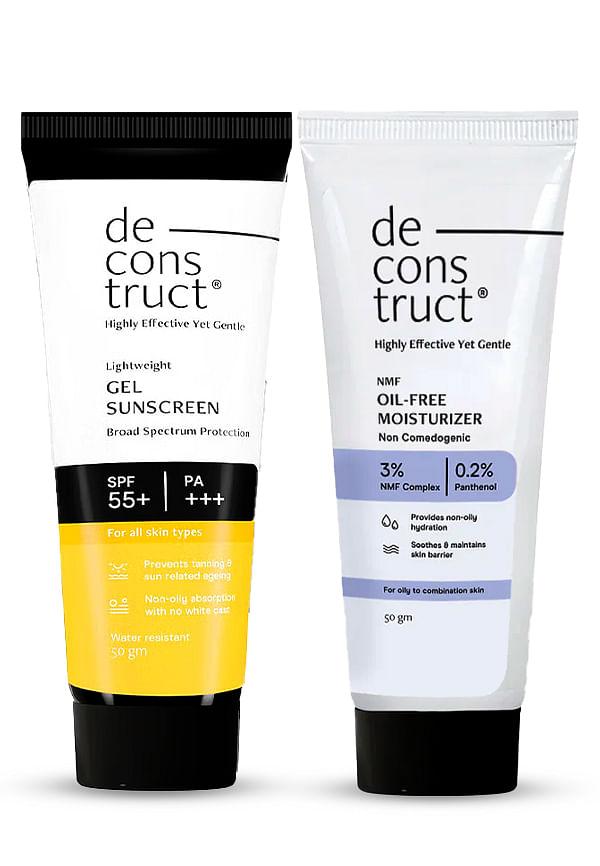
Skin Protection & Oil-Control Duo
Let's talk about what not to do, because these mistakes can actually make your oily skin care routine backfire. Over-cleansing is the biggest trap teens fall into. Washing your face more than twice a day strips away natural oils, causing your skin to produce even more oil in response. Stick to morning and evening cleansing, with a gentle splash of water at midday if needed. Mixing too many active ingredients can irritate your skin and cause breakouts. Don't use retinoids, AHAs, BHAs, and benzoyl peroxide all at once. Choose one or two actives and introduce them slowly. Skipping moisturiser because your skin "feels oily enough" is another common mistake. Dehydrated skin often overproduces oil to compensate. Even the oiliest skin needs hydration—just choose the right formula. Touching your face throughout the day transfers bacteria and oil from your hands to your skin. Try to be mindful of this habit, especially during stressful periods like exams when face-touching tends to increase.
Your skincare routine is just one piece of the puzzle. Several lifestyle factors can significantly impact your skin's oil production and overall health. Diet plays a role, though it's not as dramatic as some people claim. High-glycemic foods (think white bread, sugary snacks) and dairy products may worsen acne in some people. Try keeping a food diary to see if you notice any patterns. Sleep and stress management are crucial for teen acne solutions. When you're stressed or sleep-deprived, your body produces more cortisol, which can increase oil production. Aim for 7-9 hours of sleep and find healthy ways to manage school stress. Hygiene habits matter more than you might think. Change your pillowcase twice a week, clean your phone screen daily, and keep hair products away from your face. These small changes can prevent pore-clogging buildup. If you're active in sports, shower as soon as possible after sweating. Sweat mixed with bacteria and oil can clog pores and worsen breakouts. Use a gentle body wash and avoid scrubbing too hard.
The beauty of discovering what works for your skin lies in experimentation—but smart experimentation. This is where platforms like Smytten become invaluable for teens and their families. Rather than committing to full-size products that might not work, you can try curated trial packs from trusted brands like Cetaphil, Dot & Key, and other dermatologist-recommended options. Start with the basics: a gentle cleanser, lightweight moisturiser, and broad-spectrum sunscreen. Use these for 2-3 weeks before adding any treatments. This gives your skin time to adjust and helps you identify which products are actually helping. When you're ready to add treatments, introduce them one at a time. Try a new product for at least 4-6 weeks before deciding if it's working. Skin cell turnover takes about 28 days, so you need to give products time to show results. With over 1,500 trusted brands available in trial sizes, you can explore different oil control skincare options without the financial commitment. This approach is particularly helpful for teens who are still figuring out their skin type and preferences.
Sometimes, despite your best efforts with an oily skin routine for teens, you might need professional guidance. Here are signs it's time to see a dermatologist. If you're dealing with painful, cystic acne that doesn't respond to over-the-counter treatments after 8-12 weeks, professional intervention can prevent scarring. Deep, inflamed breakouts often need prescription treatments to heal properly. Severe scarring or post-inflammatory hyperpigmentation (dark spots left after breakouts) may require professional treatments like chemical peels or laser therapy. The sooner you address scarring, the better the results. If your acne is affecting your mental health or self-confidence, don't hesitate to seek help. Clear skin isn't just about appearance—it's about feeling comfortable in your own skin.
Start with a gentle cleanser containing salicylic acid, use a lightweight moisturiser, and always apply sunscreen. Add treatments gradually and be consistent for at least 6-8 weeks. Avoid over-cleansing and harsh scrubbing, which can make oiliness worse.
Skin Protection & Oil-Control Duo
Keep it simple: gentle cleanser morning and night, lightweight moisturiser, and broad-spectrum SPF during the day. If dealing with breakouts, add a salicylic acid treatment 2-3 times per week. Always patch test new products first.
The best routine is one that's consistent and appropriate for your skin type. For oily skin: gentle cleansing, lightweight hydration, sun protection, and targeted treatments as needed. Start simple and add products gradually based on your skin's response.
A balanced approach works best: cleanse twice daily with a gentle, oil-controlling cleanser, use a lightweight moisturiser to prevent dehydration, apply broad-spectrum sunscreen, and incorporate treatments like salicylic acid or niacinamide 2-3 times per week.
Most people see initial improvements in 2-4 weeks, with significant changes appearing after 6-8 weeks of consistent use. Skin cell turnover takes about 28 days, so patience is key. Stick with your routine for at least two months before making major changes.
Diet can play a role for some people. High-glycemic foods and dairy products may worsen acne in certain individuals. Keep a food diary to identify potential triggers, but remember that skincare routine and hormones usually have a bigger impact than diet alone.
Managing oily skin as a teen doesn't have to be overwhelming or expensive. The key is understanding that your skin needs balance, not punishment. Start with gentle, consistent care and add treatments gradually as your skin builds tolerance. Remember that everyone's skin is different, and what works for your friends might not work for you. This is why trial-sized products can be so valuable—they let you experiment safely without wasting money on full-size products that might not suit your skin. Consistency beats intensity every time. A simple routine followed religiously will always outperform an elaborate routine used sporadically. Be patient with your skin, be gentle with yourself, and remember that clear skin is a journey, not a destination. With the right approach and a bit of patience, you can achieve the healthy, balanced skin you're after.
