7 Best Non-Comedogenic Sunscreens for Acne
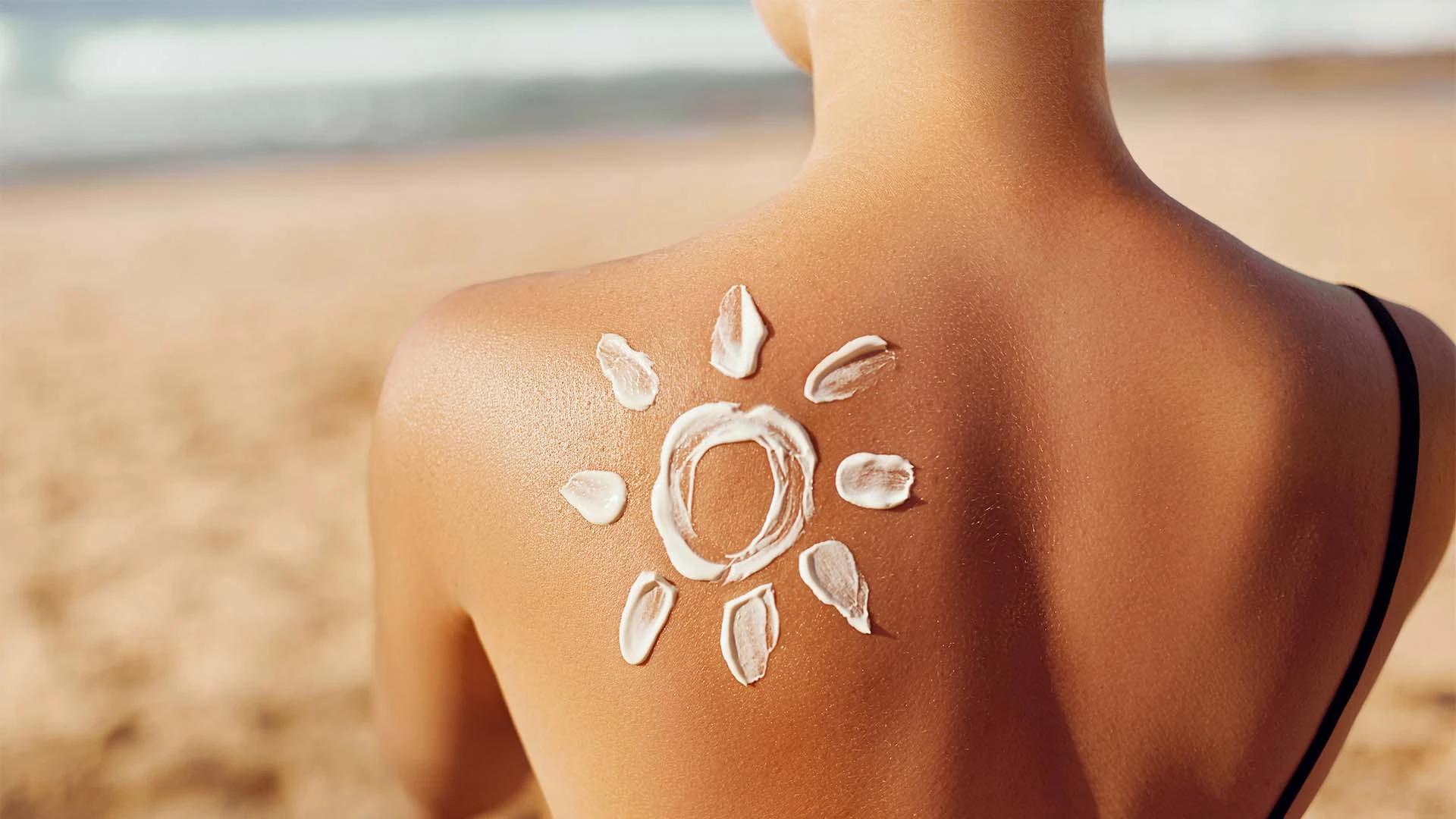

Finding the right face sunscreen for acne prone skin feels like solving a puzzle, doesn't it? You need sun protection, but most formulas seem to trigger breakouts or leave your skin feeling greasy. Here's the thing—nearly 85% of people between 12-24 experience acne, and many skip sunscreen entirely because they're worried about making things worse. But skipping sun protection isn't the answer. The real solution lies in understanding what makes a sunscreen truly acne-safe and knowing which formulas actually work for your skin type. Let's dive into the world of non-comedogenic sunscreens that protect without the drama.
When you're dealing with acne-prone skin, not all sunscreens are created equal. The difference between a formula that works and one that causes chaos often comes down to understanding what "non-comedogenic" actually means and why it matters for your skin.
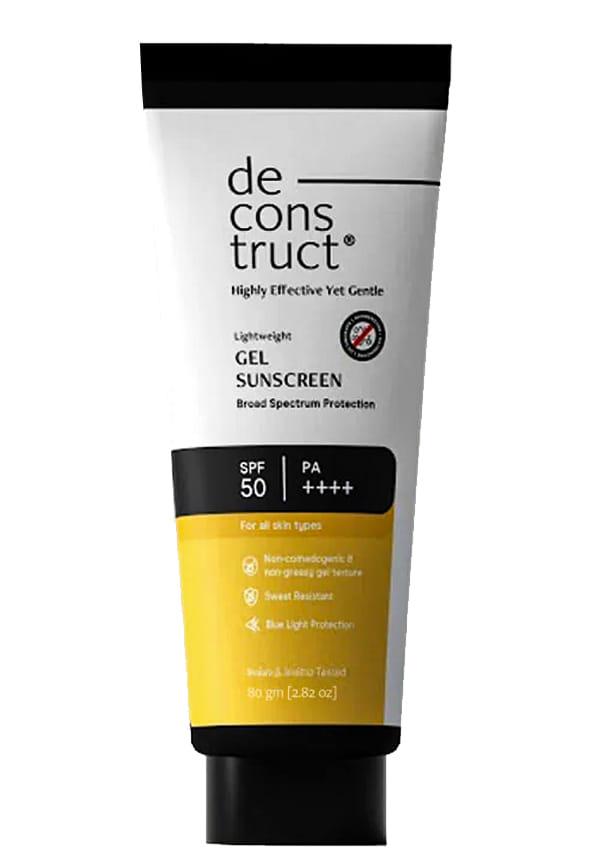
Lightweight Gel Sunscreen- SPF 50+ and PA+++
Non-comedogenic simply means "won't clog pores." Ingredients are rated on a comedogenic scale from 0-5, where 0 means zero pore-clogging potential and 5 means highly likely to cause blockages. A proper non comedogenic sunscreen contains ingredients rated 0-2 on this scale. The magic happens when formulators combine these low-comedogenic ingredients with lightweight textures that absorb quickly without leaving residue. Think of it as giving your skin the protection it needs without suffocating it.
Zinc oxide and titanium dioxide are your best mates when it comes to acne-safe sun protection. These mineral sunscreen ingredients sit on top of your skin rather than absorbing into it, creating a physical barrier against UV rays. They're naturally anti-inflammatory, which means they can actually help calm existing breakouts whilst protecting your skin. Look for formulas that also include niacinamide (brilliant for oil control), salicylic acid (gentle exfoliation), or hyaluronic acid (hydration without heaviness).
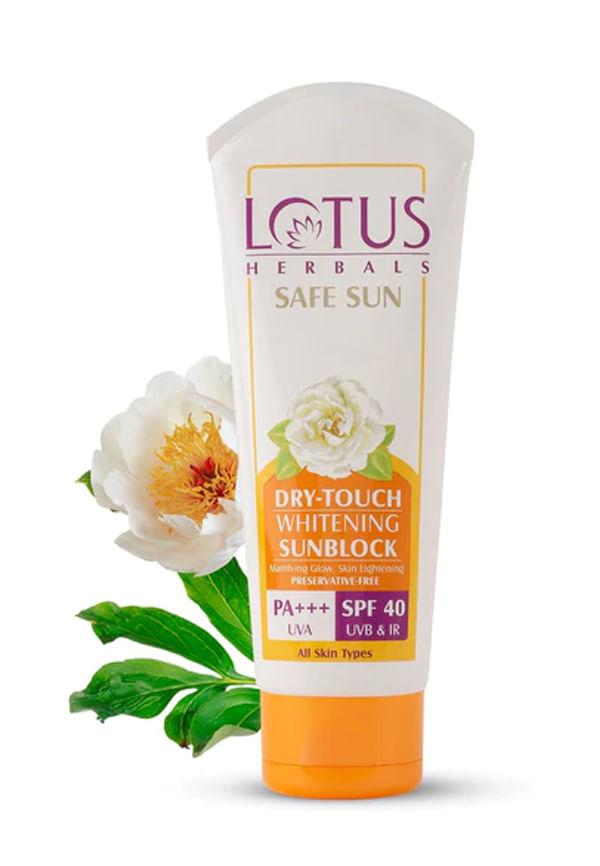
Safe Sun Dry-Touch Whitening Sunscreen SPF 40 PA+++
Some ingredients are notorious pore-cloggers. Coconut oil, isopropyl myristate, and heavy silicones can spell trouble for acne-prone skin. Fragrances and certain chemical UV filters can also irritate sensitive skin and trigger breakouts. If you're looking for sunscreen for sensitive skin, stick to fragrance-free, hypoallergenic formulas with minimal ingredient lists.
After testing countless formulas and reading through ingredient lists, here are the sunscreens that actually deliver on their promises. Each one offers something different, so you can find your perfect match based on your specific skin needs.
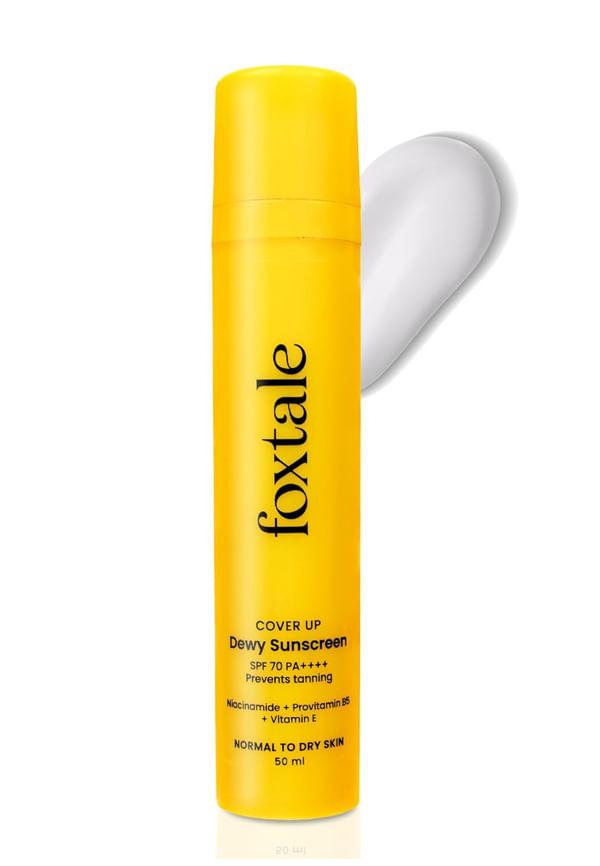
Niacinamide Dewy Sunscreen For All Skin Type Spf 70 Pa++++
This lightweight gel formula ticks all the boxes for acne-prone skin. With zinc oxide as the active ingredient and a completely oil free sunscreen base, it absorbs quickly without leaving any greasy residue. The gel texture feels refreshing on application and works beautifully under makeup. At around ₹450 for 50ml, it's reasonably priced for daily use. The only downside? It can leave a slight white cast on deeper skin tones, but it fades within minutes of application.
Proving that effective sun protection doesn't have to break the bank, this formula combines SPF 50 protection with skin-brightening vitamin C. It's specifically designed as a face sunscreen that won't aggravate acne-prone skin. The lightweight lotion texture absorbs quickly, and the added antioxidants help protect against environmental damage. At under ₹300, it's brilliant value for money and easily available online.
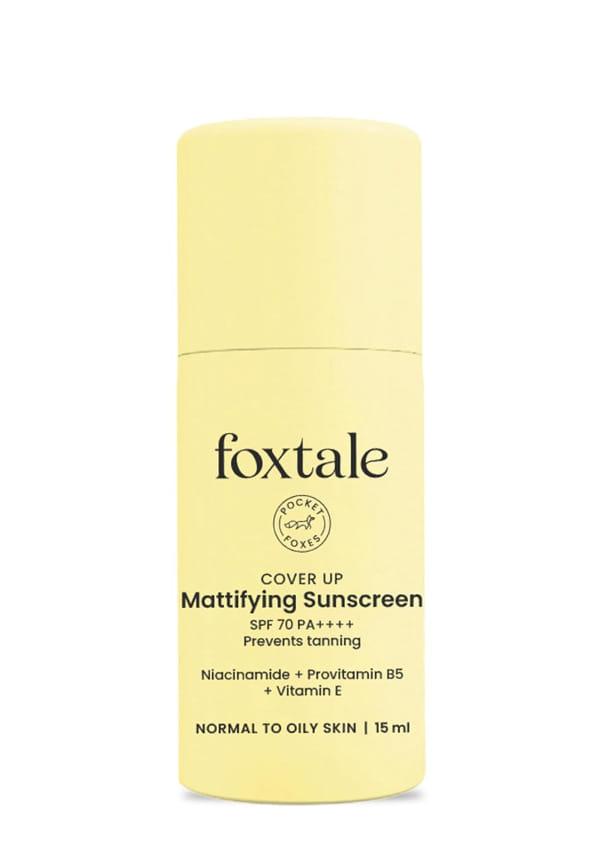
SPF 70 Matte Finish Sunscreen for Oily Skin
If you struggle with excess oil, this sunscreen for oily skin is worth obsessing over. The formula contains zinc oxide and titanium dioxide in a mattifying base that actually helps control shine throughout the day. It's completely fragrance-free and includes niacinamide to help regulate oil production. The texture is surprisingly lightweight for a mineral formula, and it doesn't pill under makeup.
This pure mineral sunscreen is perfect for those who prefer physical UV protection. With 17% zinc oxide, it provides excellent broad-spectrum coverage whilst being gentle enough for the most sensitive, acne-prone skin. The dry-touch formula sets to a matte finish that doesn't feel heavy or sticky. It's also water-resistant, making it ideal for active days or humid weather.
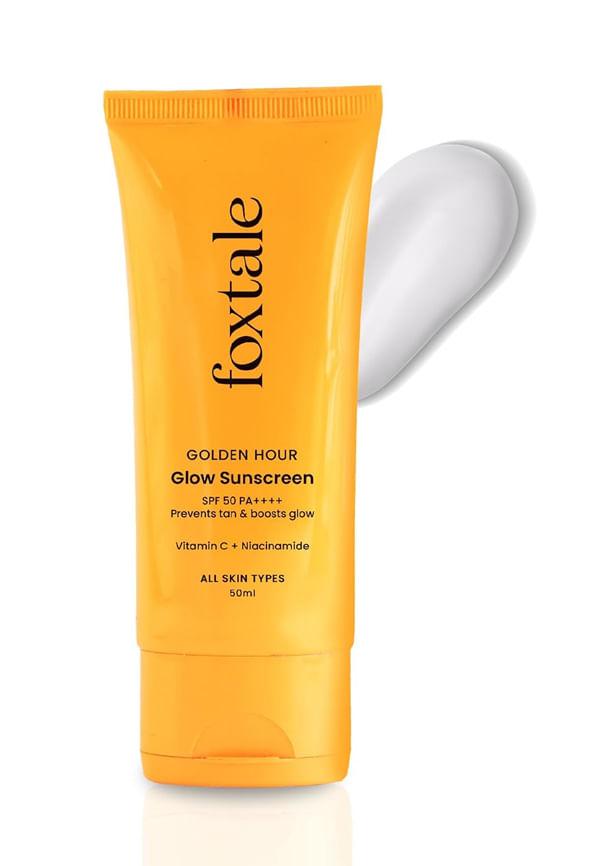
Glow Sunscreen SPF 50 PA++++ Lightweight with Vitamin C and Niacinamide
Why choose between sun protection and coverage when you can have both? This tinted face sunscreen offers SPF 50 protection with a hint of colour that evens out your skin tone. The gel formula is specifically designed for oily and acne-prone skin, with a matte finish that lasts all day. Available in three shades, it works well as a lightweight base or on its own for natural-looking coverage.
Formulated specifically as a sunscreen for sensitive skin, this fragrance-free option is dermatologist-tested and hypoallergenic. The Dry-Touch technology ensures it absorbs quickly without leaving residue, whilst the broad-spectrum SPF 30 provides adequate daily protection. It's gentle enough for daily use and won't interfere with your existing acne treatments.
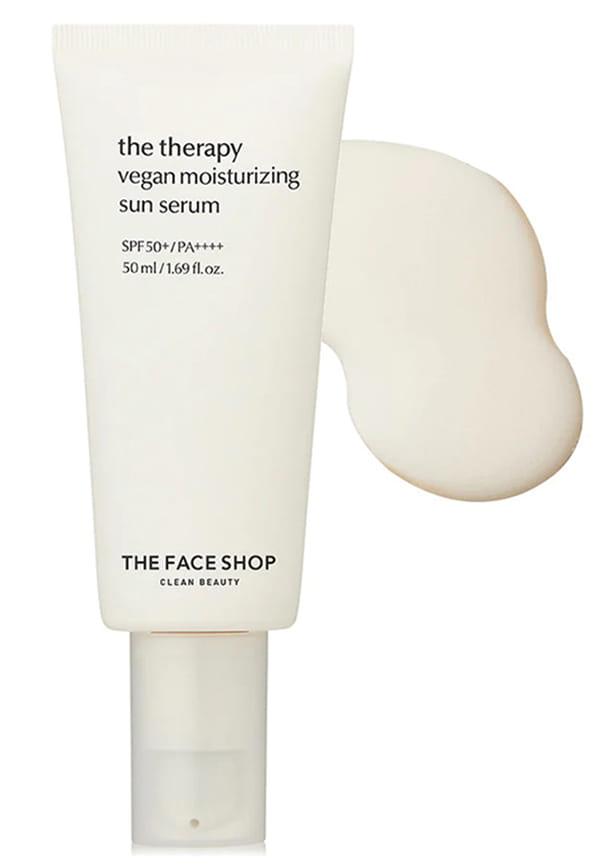
Niacinamide, UVA/B Protection Serum Sunscreen SPF 50+ PA++++
This easily accessible option proves that you don't need to spend a fortune on effective sun protection. As one of the best sunscreen for acne options available in most chemists, it offers SPF 50 PA+++ protection in a lightweight gel formula. The matte finish helps control oil, and the price point (under ₹200) makes it perfect for daily use without guilt.
Selecting the perfect sunscreen isn't just about finding a non-comedogenic formula. Your specific skin type, lifestyle, and preferences all play a role in finding your ideal match.
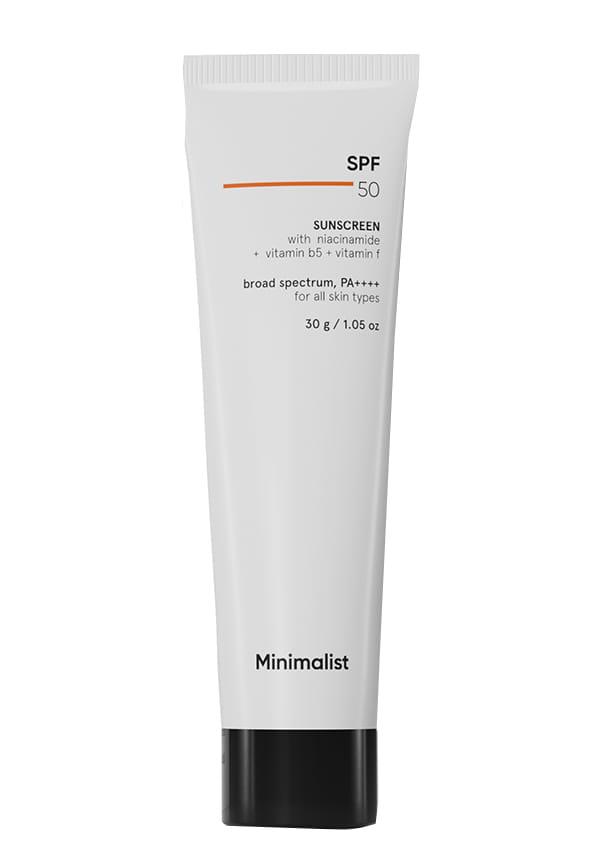
SPF 50 PA ++++ Sunscreen With Multi-Vitamin For Reducing Photoaging
Oily acne-prone skin benefits from gel or water-based formulas that provide sun protection for acne without adding extra oil. If you have combination skin, look for lightweight lotions that won't clog pores in your T-zone. Dry acne-prone skin (yes, it exists!) needs formulas with hydrating ingredients like hyaluronic acid that won't compromise your moisture barrier. Consider seasonal changes too—you might need a lighter formula in summer and something slightly more hydrating in winter.
SPF 30 is the minimum for daily use, but SPF 50 offers better protection if you spend time outdoors. More importantly, ensure your chosen formula offers broad-spectrum protection against both UVA and UVB rays. UVA rays can worsen acne scarring and hyperpigmentation, so this protection is crucial for maintaining clear skin long-term.
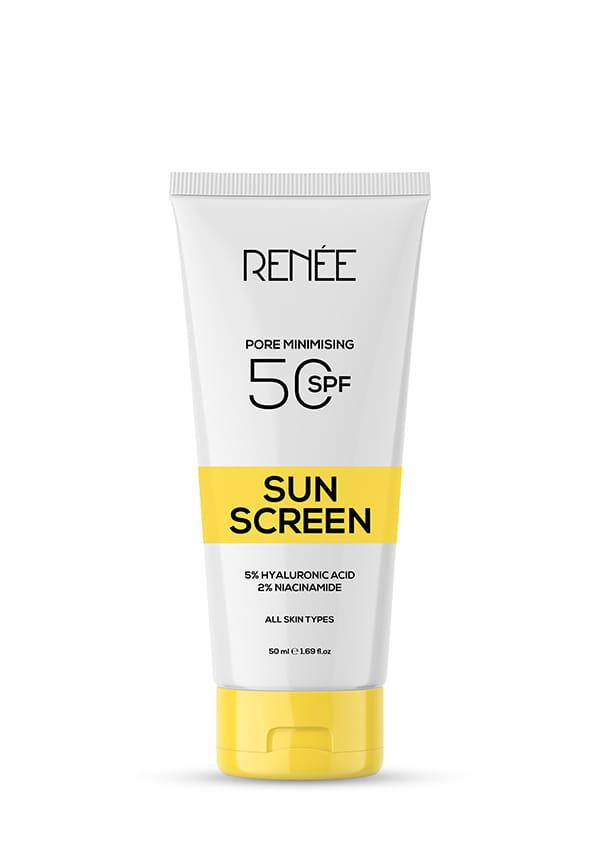
Pore Minimizing Sunscreen SPF 50 PA++++ Face Gel
Gel formulas work brilliantly for oily skin, whilst lightweight lotions suit most skin types. Cream formulas can be too heavy for acne-prone skin unless specifically formulated to be non-comedogenic. Consider how the acne safe sunscreen will work with your makeup routine—some formulas work better as primers, whilst others are best worn alone.
Even the best sunscreen won't work properly if you're not applying it correctly. Here's how to get the most from your chosen formula whilst keeping your skin clear and protected.
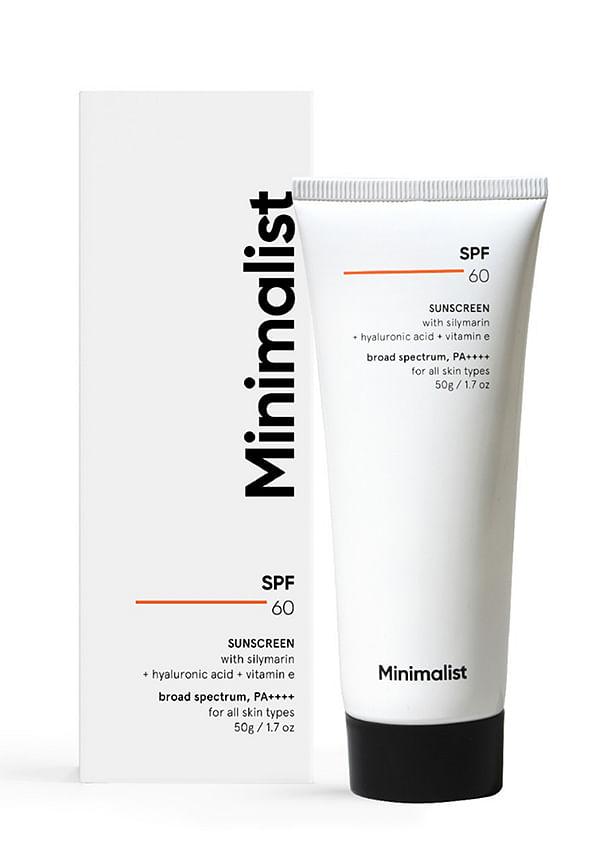
SPF 60 PA ++++ Sunscreen With Antioxidant Silymarin,Senstive Skin & Acne
Start with clean, dry skin—use a gentle cleanser that won't strip your skin's natural barrier. Apply your usual skincare products (serums, moisturiser) and wait a few minutes before applying your face sunscreen for acne prone skin. Use about a quarter teaspoon for your face and neck, applying in gentle upward strokes. Don't forget often-missed areas like around your eyes, ears, and hairline.
Reapply every two hours, or more frequently if you're sweating or swimming. For over-makeup touch-ups, try powder sunscreens or setting sprays with SPF. If you're indoors most of the day, one morning application might suffice, but outdoor activities require more frequent reapplication for optimal protection.
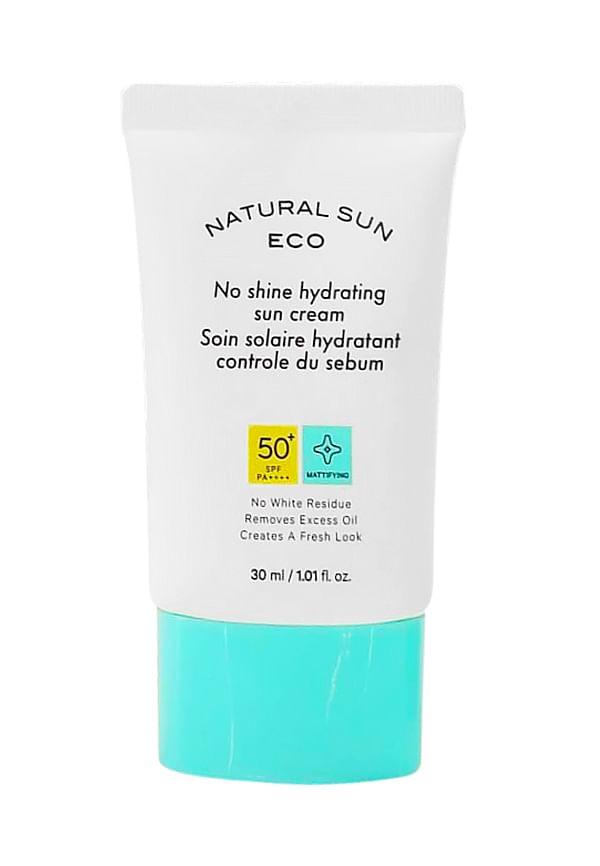
NaturalSun Eco No Shine Hydrating Sun Cream
Using too little product is the biggest mistake—most people apply only half the recommended amount. Don't mix sunscreen with moisturiser or foundation, as this can reduce its effectiveness. Avoid applying sunscreen to damp skin, as this can affect absorption and potentially cause irritation.
Integrating sunscreen into your routine shouldn't disrupt your acne treatments. In fact, proper sun protection can enhance the effectiveness of your other skincare products whilst preventing the hyperpigmentation that often follows breakouts. Morning routines should follow the thinnest-to-thickest rule: cleanser, treatment serums, moisturiser (if needed), then sunscreen. Evening routines focus on thorough cleansing to remove sunscreen and environmental pollutants. Double cleansing with an oil cleanser followed by a gentle foam cleanser ensures complete removal without over-stripping your skin. Smytten makes discovering your perfect sunscreen match incredibly easy and affordable. As India's largest product discovery platform, you can try mini versions of various sunscreens before committing to full sizes. With trial packs from trusted brands like Cetaphil, Dot & Key, and many others, you can test different formulas to see what works best for your skin. Getting up to 8 minis for just ₹249, plus 100% cashback redeemable for future purchases, means you can experiment with confidence. When you find your perfect match, buying the full-size version is just a click away.
Yes, certain sunscreen ingredients can trigger breakouts in acne-prone skin. Heavy oils, comedogenic ingredients, and thick formulas can clog pores and worsen existing acne. However, choosing the right sunscreen for acne prone skin—one that's non-comedogenic and oil-free—can actually help protect your skin without causing issues.
Absolutely not. Sun protection for acne is crucial, especially when you're using acne treatments that can make your skin more sensitive to UV damage. Choose a gentle, mineral-based formula and apply it carefully around inflamed areas. The anti-inflammatory properties of zinc oxide can actually help calm active breakouts.
Use a gentle, oil-based cleanser first to break down the sunscreen, followed by a mild foaming cleanser to remove any residue. This double-cleansing method ensures complete removal without harsh scrubbing that could irritate acne-prone skin.
Whilst you can use the same formula year-round, your skin's needs might change with the seasons. You might prefer a lighter gel formula in humid summer months and a slightly more hydrating lotion in winter. The key is maintaining consistent sun protection regardless of the season.
Finding the right face sunscreen for acne prone skin doesn't have to be a guessing game. With the right knowledge about non-comedogenic ingredients and proper application techniques, you can protect your skin without compromising your clear skin goals. Remember, the best sunscreen is the one you'll actually use every day—so choose a formula that feels good on your skin and fits seamlessly into your routine. The seven sunscreens we've covered offer different benefits for various skin types and budgets. Whether you prefer the lightweight feel of a gel formula or the added coverage of a tinted option, there's something here worth trying. Don't be afraid to experiment with different textures and formulations until you find your perfect match. Your skin deserves both protection and clarity, and with the right sunscreen, you can have both.
