7 Best Moisturizers for Winter Skin Rescue


Winter's here, and your skin is probably sending you some serious SOS signals. That tight, flaky feeling? The way your usual moisturiser suddenly feels like it's doing absolutely nothing? Real talk—winter weather is brutal on our skin, and it's time to step up your game. Cold air outside, heating indoors, and basically zero humidity create the perfect storm for dry, irritated skin that needs way more TLC than your summer routine can handle.
Finding the right moisturiser for winter isn't just about slapping on any old cream and hoping for the best. Your skin needs specific ingredients that can actually repair damage, lock in moisture, and create a protective barrier against harsh weather. Whether you're dealing with mild dryness or full-on winter skin drama, we've rounded up seven game-changing moisturisers that'll transform your skin from desert-dry to dewy and happy.
Let's get real about what winter actually does to your skin. It's not just about feeling a bit tight after washing your face—there's proper science behind why your skin goes into crisis mode when temperatures drop.
Cold air is basically moisture's worst enemy. When humidity levels plummet (we're talking as low as 10% in some places), your skin loses water faster than it can replace it. Think of your skin barrier like a brick wall—the 'mortar' between your skin cells starts cracking, letting moisture escape and irritants sneak in.
Indoor heating makes things even worse. Those cosy radiators and central heating systems are literally sucking moisture from the air and your skin. It's like living in a desert, but with better WiFi.
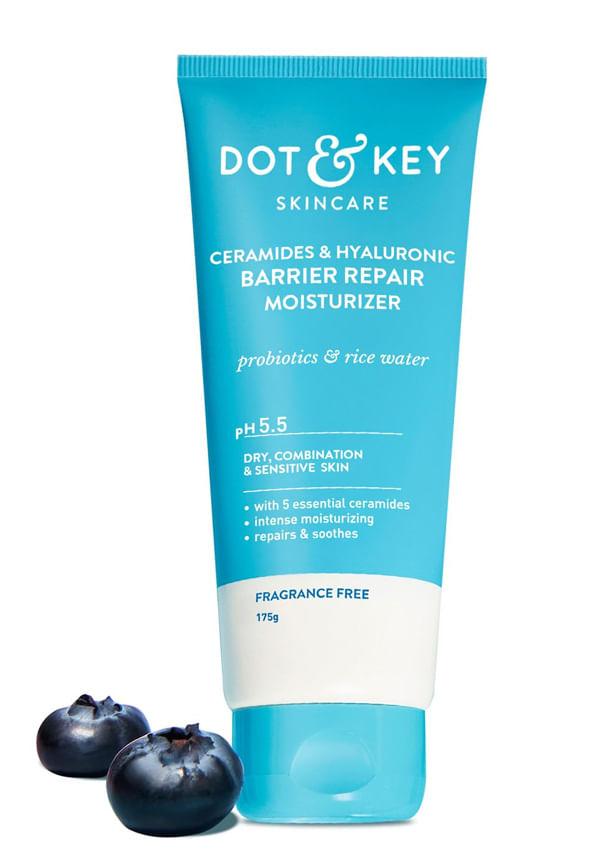
Ceramides & Hyaluronic Barrier Repair Moisturizer
Highly Moisturizing & Delicate
 5
5“highly moisturized and delicate for all types of shin”
Good Hydration and Product
5“very hydration and good product”
Acne Safe & Barrier
5“might not be fungal acne safe, but best for combination and barrier”
Winter skin issues aren't just cosmetic—they can be properly uncomfortable. Dry, flaky patches that feel rough to touch, sudden eczema flare-ups that seem to come from nowhere, and sensitive skin that reacts to everything from your usual cleanser to that woolly jumper you love.
Your skin might also start looking dull and feeling tight, especially around areas like your cheeks, hands, and anywhere that's exposed to the elements. Some people even develop painful cracks, particularly on their hands and lips.
Not all moisturisers are created equal, especially when it comes to winter skincare. The ingredients list is where the magic happens, so let's break down what actually works when your skin is crying out for help.
Hyaluronic acid is your skin's best mate for intense hydration. This clever molecule can hold up to 1,000 times its weight in water, which basically means it's like a moisture magnet for your skin.
Ceramides are the MVPs of skin barrier repair. They're naturally found in your skin but get depleted in winter, so adding them back through your moisturiser helps rebuild that protective wall.
Glycerin works as a humectant, drawing moisture from the environment into your skin and keeping it there. It's gentle enough for sensitive skin but powerful enough to make a real difference.
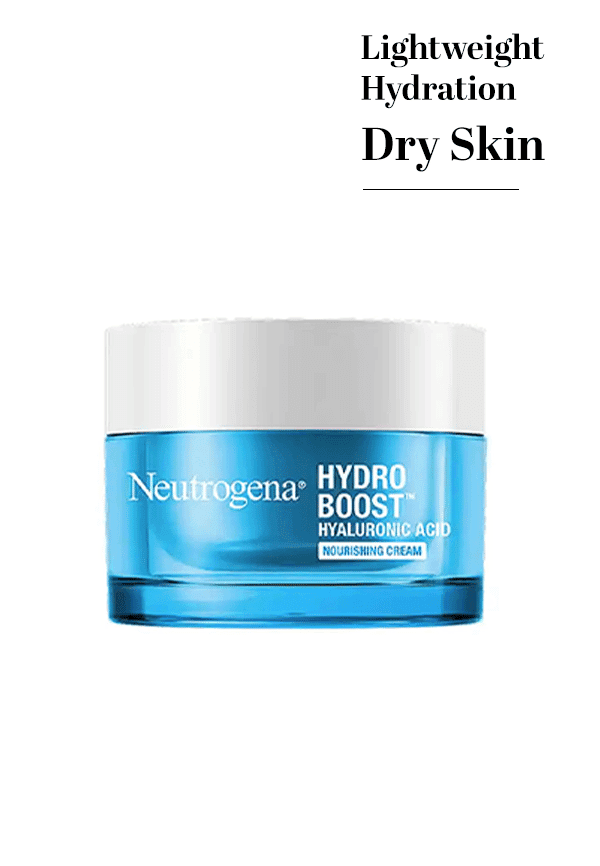
Hydro Boost Hyaluronic Acid Nourishing Cream
Amazing product for skin
5“amazing product for the skin. the barrier really healed”
Amazing Product, Exceeded Expectations
5“Amazing product from Smytten! Quality exceeded expectations and the packaging was beautiful. Loved trying something new without spending too much. Highly recommended for first-time users.”
Highly Hydrating Cream
5“the most hydrating cream for dry skin leaves my skin plump”
If your skin gets cranky in winter, look for niacinamide. This form of vitamin B3 calms inflammation and helps strengthen your skin barrier without causing irritation.
Colloidal oatmeal might sound like breakfast, but it's actually brilliant for soothing angry, itchy skin. It's been used for centuries to calm eczema and dermatitis.
Shea butter provides rich, nourishing moisture that's perfect for very dry skin. It's naturally anti-inflammatory and won't clog pores, making it ideal for both face and body use.
Right, let's get to the good stuff. These seven moisturisers have been chosen based on their ingredients, effectiveness, and ability to tackle different winter skin concerns. Whether you need something lightweight for daily use or heavy-duty repair for severely dry skin, there's something here for everyone.
A good all-rounder face moisturiser should hydrate without feeling heavy, absorb quickly, and work under makeup. Look for formulas with hyaluronic acid and ceramides that provide long-lasting hydration whilst strengthening your skin barrier.
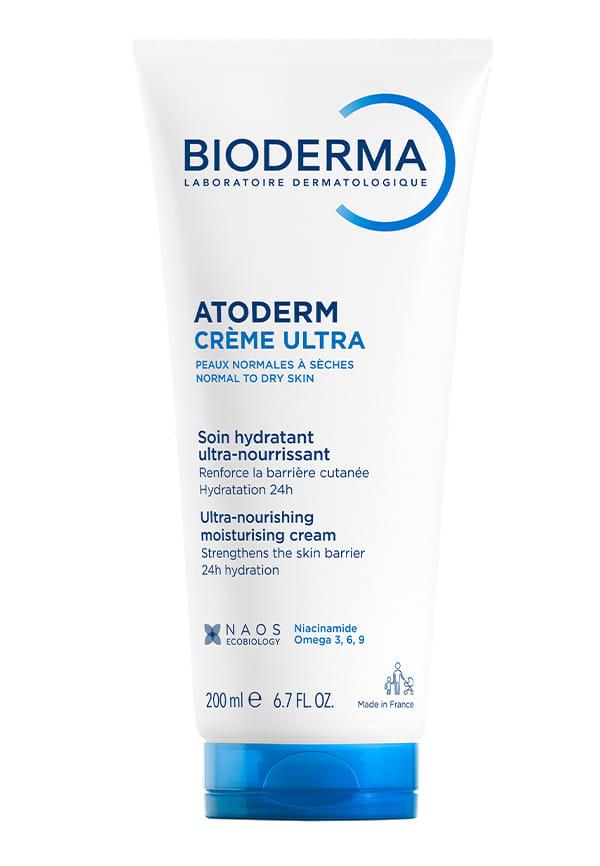
Atoderm Creme Ultra-Nourishing Moisturizer
Good Performance, No Smell
5“the product is overall good in performance but there is no smell.”
Best Long-Lasting Moisture
5“It is the best moisture and hydrate better for long time.”
Best Long-Lasting Moisture
5“It is the best moisture and hydrate better for long time.”
The best options contain a mix of humectants and emollients, giving you immediate moisture plus long-term protection. They should feel comfortable on all skin types and not cause any stinging or irritation, even on compromised winter skin.
When your skin is properly parched, you need something with serious staying power. The most effective intensive moisturisers contain higher concentrations of ceramides, plus ingredients like squalane and peptides that help repair damaged skin barriers.
These creams typically have a richer texture that might feel a bit heavy at first, but they're designed to provide deep, lasting hydration. Many users notice a difference overnight, with skin feeling softer and looking less flaky by morning.
Eczema-friendly moisturisers need to be fragrance-free, hypoallergenic, and formulated specifically for sensitive, compromised skin. The best options contain colloidal oatmeal, ceramides, and sometimes prescription-strength ingredients that calm inflammation.
These creams focus on gentle repair rather than just surface hydration. They're designed to reduce itching, calm redness, and help prevent future flare-ups by maintaining a healthy skin barrier.
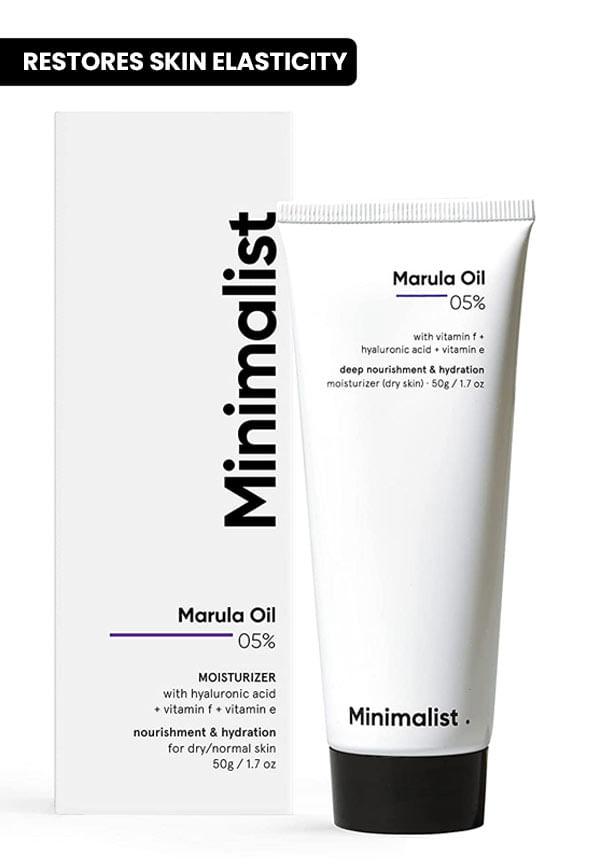
Marula Oil 5% Face Moisturizer For Dry Skin With Hyaluronic Acid
Excellent for Normal to Dry Skin
5“Like it .No greasy product..Not oily products.Nj. ithinu 5inu 5kodukum.normal to dry skinu ee minimalist marula oil moisturizer super anu guys.”
Good for Skin & Moisturizing
5“it good for my skin and Moisturization my face”
Best Moisturizer for Dry Skin
5“best moisturizer for dry skin and I love it”
Your body needs winter love too, and a good body lotion should absorb quickly without leaving you feeling sticky or greasy. The best formulas contain a blend of oils and humectants that provide immediate comfort plus long-lasting protection.
Look for lotions that work well on large areas, absorb within minutes, and don't transfer onto your clothes. Bonus points if they contain ingredients like glycerin and shea butter that keep working throughout the day.
You don't need to spend a fortune to get effective winter skin relief. Some of the most trusted moisturisers contain simple but effective ingredients like glycerin, petrolatum, and dimethicone that create an excellent protective barrier.
These affordable options often come in larger sizes, making them perfect for daily use on both face and body. They might not have the fanciest packaging, but they deliver reliable hydration that actually works.
Night creams can be richer and more intensive because you don't need to worry about makeup application or daytime activities. The best overnight moisturisers contain ingredients like retinol, peptides, and higher concentrations of hydrating ingredients.
These work whilst you sleep to repair damage from the day and prep your skin for the next round of winter weather. Many people wake up with noticeably softer, more supple skin after just one night of use.
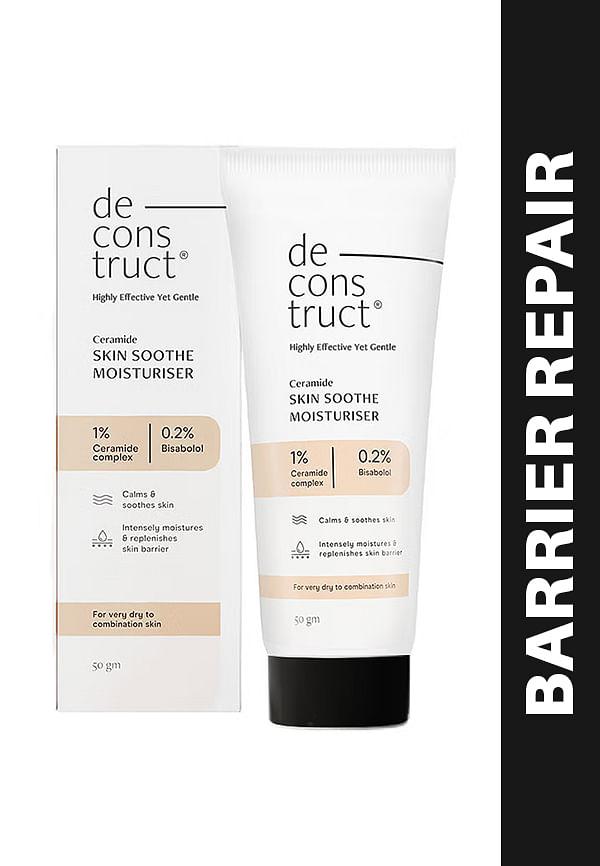
Skin Soothe Moisturizer- 1% Ceramides + 0.2% Bisabolol
Good for Sensitive Skin
4“my skin type is sensitive and this moisturizer suits me”
Excellent for Combination Skin
5“it's really moisturizing...as I have combination skin cheeks and around the lips are gets really dry while the t zone gets oily...this moisturizer is the best one I've used”
Very good product
5“it is a.very.good.product u should use it”
Even oily skin needs extra hydration in winter, but heavy creams can cause breakouts. Lightweight moisturisers with gel or lotion textures provide necessary hydration without clogging pores or feeling greasy.
These formulas often contain hyaluronic acid and lightweight oils that absorb quickly whilst still providing effective moisture. They're perfect for layering under sunscreen and makeup without causing pilling or heaviness.
Choosing the perfect winter moisturiser isn't just about grabbing the thickest cream you can find. Your skin type, specific concerns, and lifestyle all play a role in finding your perfect match.
If your skin feels tight, looks flaky, or feels rough to touch, you've got dry skin that needs serious hydration. Look for cream formulations rather than lotions—they contain more oils and fewer water-based ingredients, providing longer-lasting moisture.
Ingredients to prioritise include ceramides, hyaluronic acid, and natural oils like jojoba or argan oil. Apply your moisturiser to slightly damp skin to lock in extra hydration, and don't be afraid to reapply during the day if needed.
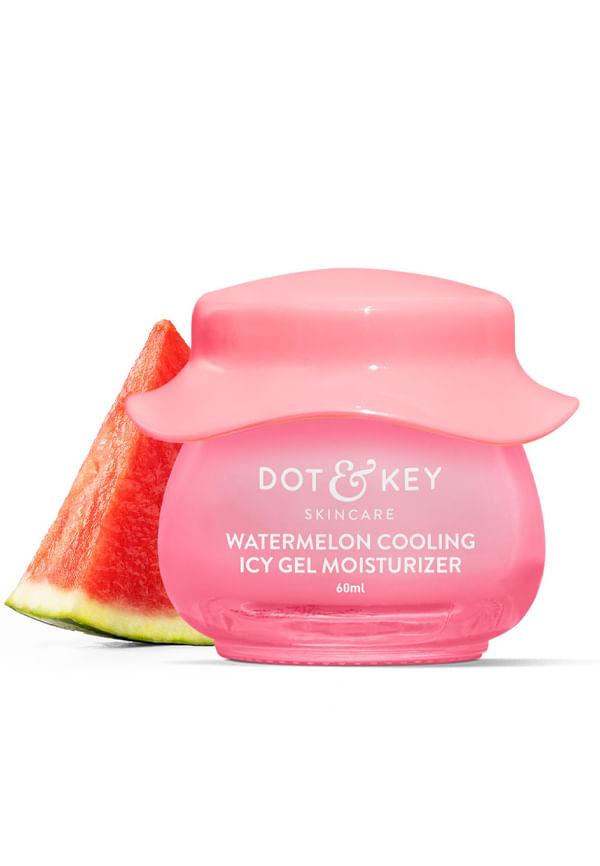
Watermelon Cooling Icy Gel Moisturizer
Good Product at Discount
4“it's good amr i got it in a discount price”
Good Product at Discount
4“it's good amr i got it in a discount price”
Good Product at Discount
4“it's good amr i got it in a discount price”
Sensitive skin needs gentle but effective hydration. Avoid products with fragrances, essential oils, or high concentrations of active ingredients that might cause irritation. Instead, look for formulas specifically labelled as hypoallergenic or designed for sensitive skin.
Always patch test new products on a small area first, and introduce new moisturisers gradually. Start by using them every other day until your skin adjusts, then build up to daily use.
Combination skin can be tricky in winter because different areas of your face have different needs. Your T-zone might still be oily whilst your cheeks are crying out for moisture.
Consider using different products on different areas, or look for lightweight moisturisers that provide hydration without adding excess oil. Gel-cream hybrids often work well for combination skin in winter.
Your moisturiser is just one part of an effective winter skincare routine. How you cleanse, what you apply before your moisturiser, and when you apply everything can make a huge difference to your skin's health and comfort.
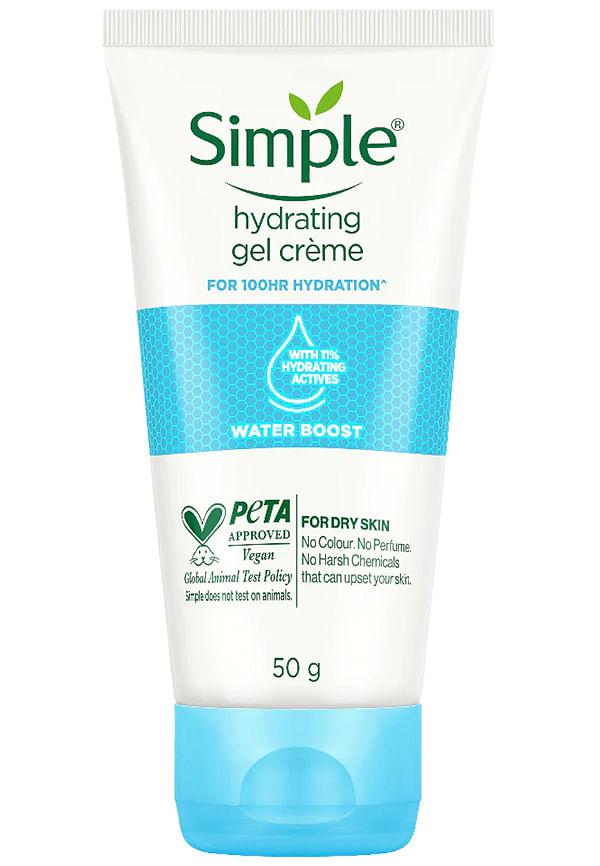
Water Boost Hydrating Gel Creme
Loved the Face Moisturiser
5“Loved this face moisturiser as well, ”
Loved the Face Moisturiser
5“Loved this face moisturiser as well, ”
Loved the Face Moisturiser
5“Loved this face moisturiser as well, ”
Start with a gentle, non-stripping cleanser that won't remove your skin's natural oils. Follow with a hydrating serum if your skin is very dry, then apply your moisturiser whilst your skin is still slightly damp.
Don't skip sunscreen, even in winter. UV rays can still damage your skin, and snow reflects light, increasing exposure. Look for a moisturising sunscreen or apply SPF over your moisturiser.
Evening is when you can really pamper your skin. Start with a gentle cleanser, then apply any treatment serums or oils. Follow with a richer night moisturiser that can work whilst you sleep.
If your skin is very dry, consider layering—apply a hydrating serum, wait a few minutes, then apply your moisturiser. This technique, called 'moisture sandwiching,' can significantly boost hydration levels.
Once or twice a week, treat your skin to something extra special. Hydrating face masks, overnight treatments, or gentle exfoliation followed by intensive moisturising can help reset your skin's moisture levels.
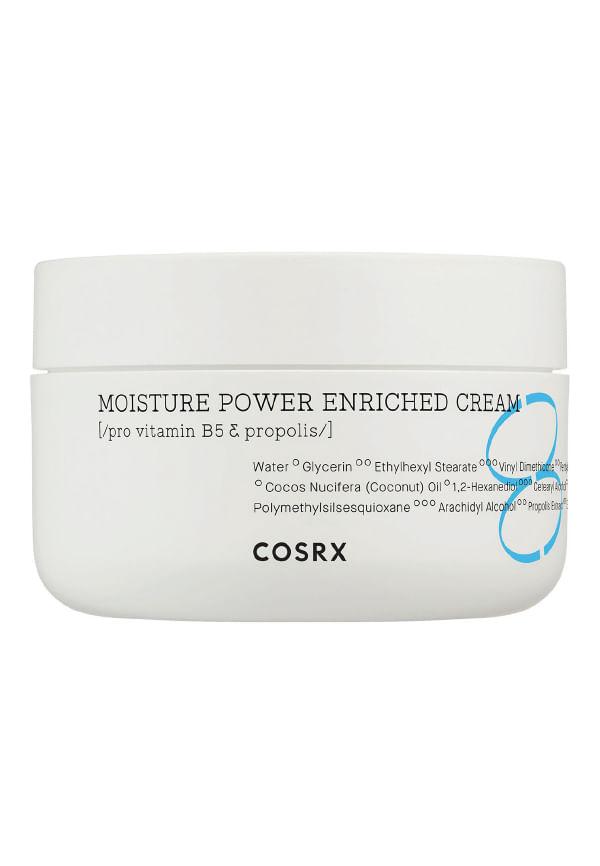
Hydrium Moisture Power Enriched Cream
For your body, try dry brushing before showering, followed by immediate moisturising on damp skin. This helps improve circulation and locks in maximum hydration.
Prevention is always better than cure, and there are loads of simple changes you can make to protect your skin before problems start. These tips work alongside your moisturiser to keep your skin happy all winter long.
Invest in a humidifier for your bedroom and main living areas. Keeping indoor humidity between 40-60% can make a massive difference to your skin's comfort levels.
When you're heading outside, protect exposed skin with scarves, gloves, and hats. The less direct contact your skin has with cold, dry air, the better it'll cope.
Drink plenty of water throughout the day—dehydration shows up on your skin first. Aim for at least 8 glasses daily, and consider herbal teas as a warming alternative.
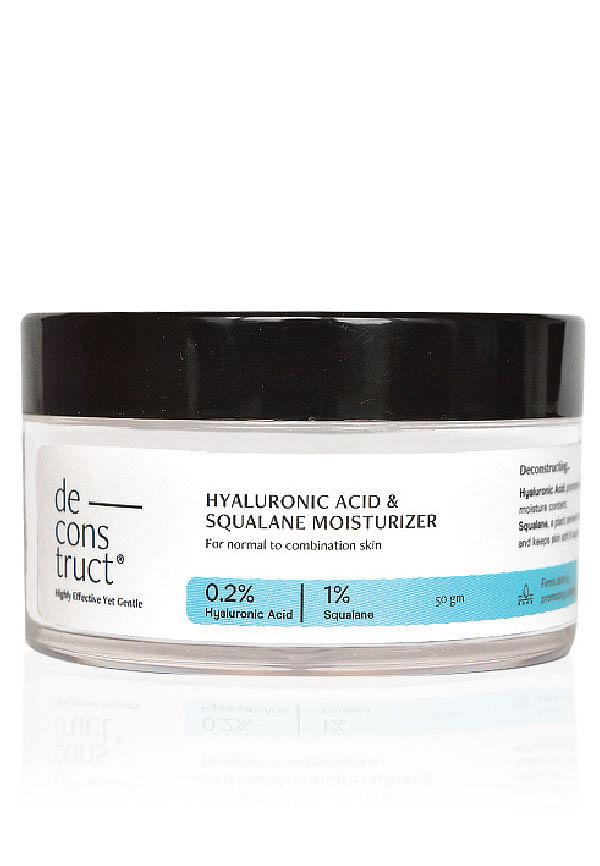
Hyaluronic Acid & Squalane Moisturizer - 0.2% Hyaluronic acid 1% Squalane
Great Texture & Effective
5“i love the texture and it is very effective for me”
All-Day Hydration
5“full day keep the moisture of the skin”
Not for Oily/Combination Skin
4“not for oily skin or combination skin”
Your diet can also impact your skin's ability to retain moisture. Foods rich in omega-3 fatty acids, like salmon and walnuts, help support your skin barrier from the inside out.
At minimum, twice daily—morning and evening. However, if your skin feels tight or dry during the day, don't hesitate to reapply. Keep a small tube of moisturiser handy for touch-ups, especially for hands and any exposed areas.
Generally, it's better to use products specifically formulated for each area. Facial skin is more delicate and may need lighter, non-comedogenic formulas, whilst body skin can handle richer, heavier creams. However, if you have very sensitive skin, using the same gentle product everywhere can work well.
Most people benefit from switching to a richer, more intensive moisturiser in winter. Your summer lightweight lotion probably won't cut it when humidity drops and heating kicks in. Think of it like changing your wardrobe—your skin needs different protection for different weather.
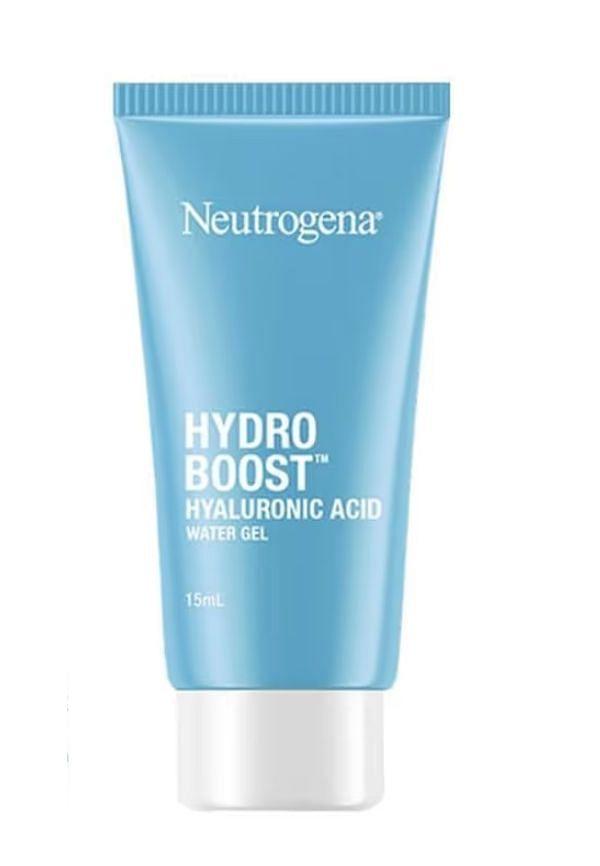
Hydro Boost Water Gel Moisturizer
Nice, Smooth Moisturizer
5“nice moisturizr smooth and uh must try it ”
Good Product, Competitive Price
4“A bit costly , but smytten has less price compared to other platform Usefull product and working good”
A Staple Moisturizer
5“my go to moisturizer a staple for sure”
Not necessarily. Some of the most effective winter moisturisers are actually quite affordable. What matters most is the ingredient list and how well the product works for your specific skin type. Sometimes simple formulations with proven ingredients work better than complex, expensive products.
Yes, if you choose the wrong formula for your skin type. Heavy, oil-based creams can clog pores if you're prone to breakouts. Look for non-comedogenic formulas, and remember that even oily skin needs hydration in winter—just choose lighter, gel-based options.
Look for fragrance-free, hypoallergenic formulas containing colloidal oatmeal, ceramides, or niacinamide. These ingredients help calm inflammation whilst providing gentle hydration. Always patch test new products, and consider consulting a dermatologist for persistent eczema issues.
Finding the right moisturiser for winter doesn't have to be overwhelming. Focus on products with proven hydrating ingredients like hyaluronic acid, ceramides, and glycerin, and choose formulations that match your skin type and concerns.
Remember, the best moisturiser is one you'll actually use consistently. Whether that's a budget-friendly drugstore cream or a luxurious night treatment, consistency trumps everything else when it comes to maintaining healthy winter skin.
If you're curious about trying different moisturisers without committing to full-size products, platforms like Smytten make it easy to discover what works for your skin. With trial packs from trusted brands like Cetaphil and Dot & Key, you can explore various formulations and find your perfect winter skin rescue routine. After all, why settle for maybe when you can try it all and find exactly what your skin needs to thrive through winter?
