7 Best Hydrating Face Masks for Winter Skin



Hydrating Jelly peeling Mask for Facials Professional Natural Gel Face Masks
Good Product, Timely Delivery
 5
5“Very good product with decent quality. Delivery was on time, and I'm satisfied with the purchase.”
Good Product, Timely Delivery
5“Very good product with decent quality. Delivery was on time, and I'm satisfied with the purchase.”
Good Product, Timely Delivery
5“Very good product with decent quality. Delivery was on time, and I'm satisfied with the purchase.”
Winter's here, and your skin's probably sending you some not-so-subtle hints. That tight feeling after washing your face? The flaky patches that seem to appear overnight? Your skin barrier is basically waving a white flag against the cold weather chaos. Let's be real—winter skincare isn't just about slapping on more moisturiser and hoping for the best. Your skin needs proper hydration from the inside out, and that's where hydrating face masks for cold weather become your absolute lifesaver. Think of them as a tall glass of water for your face, but way more fun and Instagram-worthy.
Cold weather is basically your skin's worst enemy, and here's the science behind why. When temperatures drop, the air holds less moisture, creating a low-humidity environment that literally sucks water from your skin. Add indoor heating to the mix, and you've got a double whammy—dry outdoor air plus artificially heated indoor air that's even more dehydrating. Your skin barrier, which normally acts like a protective shield, starts breaking down when it lacks moisture. This leads to increased water loss, irritation, and that uncomfortable tight feeling. The cold also reduces blood circulation to your face, slowing down your skin's natural repair processes.
Spotting dehydrated skin is easier than you think. Look for fine lines that seem more pronounced, dull complexion, flakiness, or skin that feels rough to touch. If your makeup sits weirdly or your skincare products sting when applied, your skin barrier is compromised and crying out for hydration.
Here's something worth knowing—dehydrated skin lacks water, whilst dry skin lacks oil. You can have oily skin that's dehydrated, especially in winter. Dehydrated skin feels tight and looks dull, whilst dry skin feels rough and may have visible flakes.
Not all hydrating face masks for cold weather are created equal. The magic lies in understanding which ingredients actually work and why. Think of your ideal winter face mask as having three types of moisture-boosting heroes working together.
Hyaluronic acid is the superstar here—it can hold up to 1,000 times its weight in water. This ingredient acts like a moisture magnet, pulling water from the environment and deeper skin layers to plump up your surface skin. Glycerin works similarly but is gentler and more budget-friendly. It draws moisture to your skin and helps maintain hydration levels throughout the day. Sodium PCA is your skin's natural moisturising factor, helping maintain optimal hydration levels even in harsh winter conditions.
Ceramides are like the mortar between your skin cells, helping repair and strengthen your barrier function. They're particularly crucial for winter skincare because they prevent water loss whilst allowing your skin to heal. Natural oils like jojoba and squalane mimic your skin's natural sebum, providing deep nourishment without clogging pores. They're perfect for cold weather skincare because they don't feel heavy but offer lasting protection. Shea butter contains vitamins A and E, providing anti-inflammatory benefits whilst deeply moisturising winter-stressed skin.
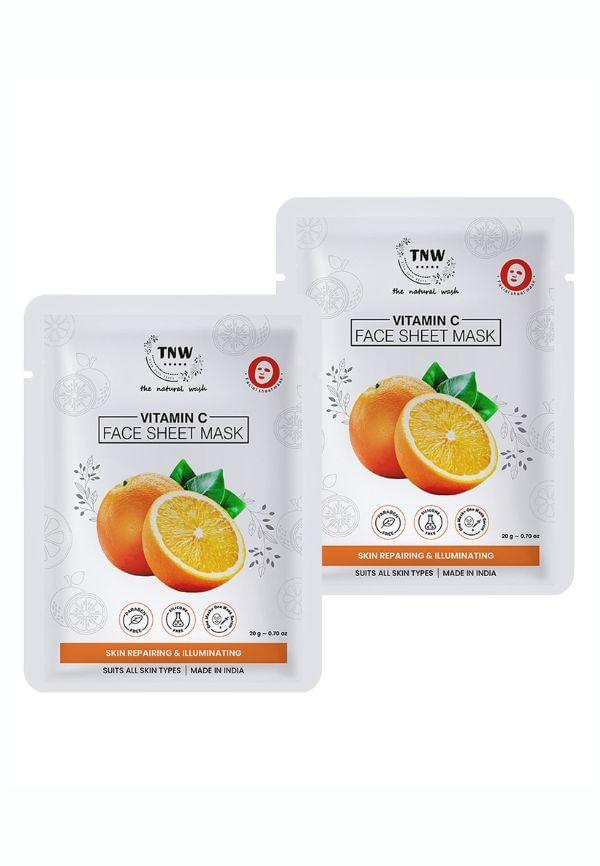
Vitamin C Face Sheet Mask for Hydrating & Nourishing Skin
These ingredients create a protective seal over your skin, preventing water loss. Look for dimethicone in face masks—it's lightweight but effective at locking in all that good hydration you've just applied.
Choosing the right hydrating face masks for cold weather depends on your skin type, lifestyle, and how much time you've got. Let's break down the best options that actually work.
Sheet masks are perfect for quick hydration boosts—think of them as your skin's emergency drink. They're soaked in concentrated serums and provide instant relief. Cream masks offer deeper, longer-lasting hydration and are brilliant for severely dry skin. They typically contain richer formulations with emollients and occlusives. Overnight masks work whilst you sleep, providing continuous hydration for 6-8 hours. They're ideal for busy schedules and maximum convenience.
1. Hyaluronic Acid Sheet Masks These are your go-to for instant skin hydration. The serum-soaked sheets deliver concentrated hyaluronic acid directly to your skin, plumping fine lines and restoring that healthy glow. Best for all skin types, especially if you need quick results before events.
2. Ceramide-Rich Cream Masks Perfect for repairing winter-damaged skin barriers. These thick, luxurious masks work deep to restore your skin's natural protective function. Ideal for dry to very dry skin types that need serious barrier repair.
3. Overnight Sleeping Masks The ultimate lazy girl's solution for winter skincare. Apply before bed and wake up with deeply hydrated, soft skin. These lightweight gels or creams work continuously whilst you sleep, making them perfect for busy lifestyles.
4. Collagen Hydrogel Masks These cooling gel patches provide intensive hydration whilst targeting signs of ageing. The hydrogel material adheres perfectly to skin, ensuring maximum ingredient absorption. Great for mature skin that needs both hydration and firming.
5. Honey-Based Masks Nature's humectant in mask form. Honey naturally draws moisture to skin whilst providing antibacterial benefits. These masks are perfect for sensitive skin or anyone preferring natural skincare ingredients.
6. Vitamin E Gel Masks Gentle yet effective, these masks combine hydration with antioxidant protection. Vitamin E helps repair environmental damage whilst deeply moisturising. Ideal for sensitive or reactive skin that needs gentle care.
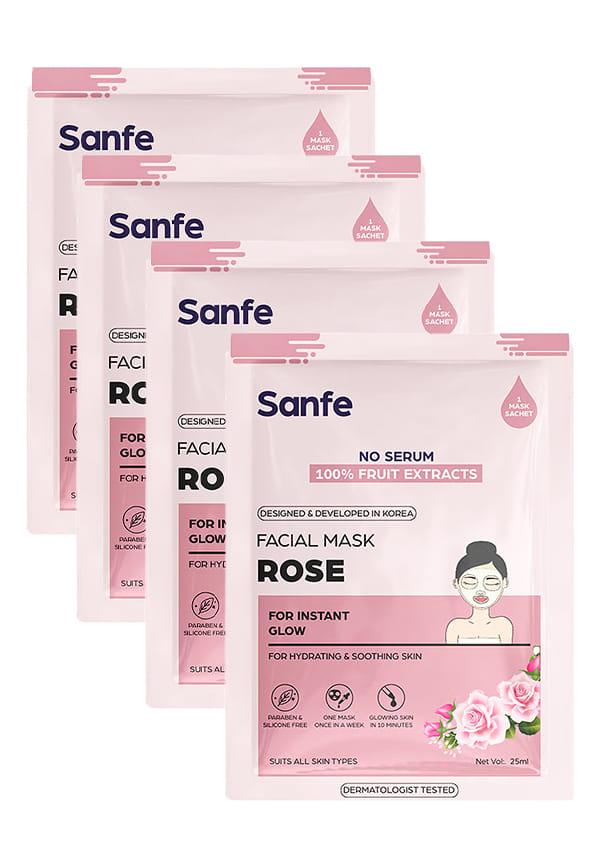
Instant Glow Rose Facial Mask | For hydrating &soothing skin | 100% fruit extracts, Korean Mask
Good and Fresh
5“feels is good and fresh to have”
Good and Fresh
5“feels is good and fresh to have”
Good to Use
5“It is good to use. Try it out.”
7. Multi-Peptide Masks The multitaskers of the mask world. These combine hydration with anti-ageing benefits, using peptides to stimulate collagen production whilst delivering deep moisture. Perfect for those wanting comprehensive skincare benefits.
Timing and technique matter when it comes to getting maximum face mask benefits. Your winter skincare routine needs to be strategic, especially when incorporating hydrating treatments.
Dry skin can handle hydrating face masks 3-4 times per week. Your skin needs consistent moisture replenishment, so don't hold back.
Normal skin benefits from 2-3 weekly sessions. This maintains optimal hydration without overwhelming your skin's natural balance.
Sensitive skin should start with 1-2 times per week, gradually increasing if your skin tolerates it well.
Start with gentle cleansing using lukewarm water—hot water strips natural oils your skin desperately needs in winter. If you're exfoliating, do it 24 hours before masking to avoid irritation. Make sure your skin is slightly damp before applying cream masks. This helps with absorption and prevents the mask from feeling too heavy.
Don't rinse off all that goodness immediately. Gently pat excess product into your skin, then follow with a hydrating serum whilst your skin is still receptive. Seal everything in with a rich moisturiser—this is crucial for cold weather skincare. Even on cloudy winter days, finish with SPF to protect your newly hydrated skin.
Even the best hydrating face masks for cold weather won't work if you're making these common errors. Let's sort out what not to do. Over-masking is a real thing. More isn't always better—using masks too frequently can actually irritate your skin and disrupt its natural balance. Stick to recommended frequencies based on your skin type. Never apply masks to compromised or broken skin. If you've got active breakouts, cuts, or severe irritation, let your skin heal first. Masks should enhance healthy skin, not stress damaged skin further. Incorrect removal can undo all your good work. Don't scrub or pull at your skin. Use gentle, upward motions with lukewarm water, and always pat dry with a clean towel. Skipping patch tests with new products is asking for trouble. Test any new mask on your inner wrist 24 hours before using it on your face, especially during winter when your skin is more reactive.
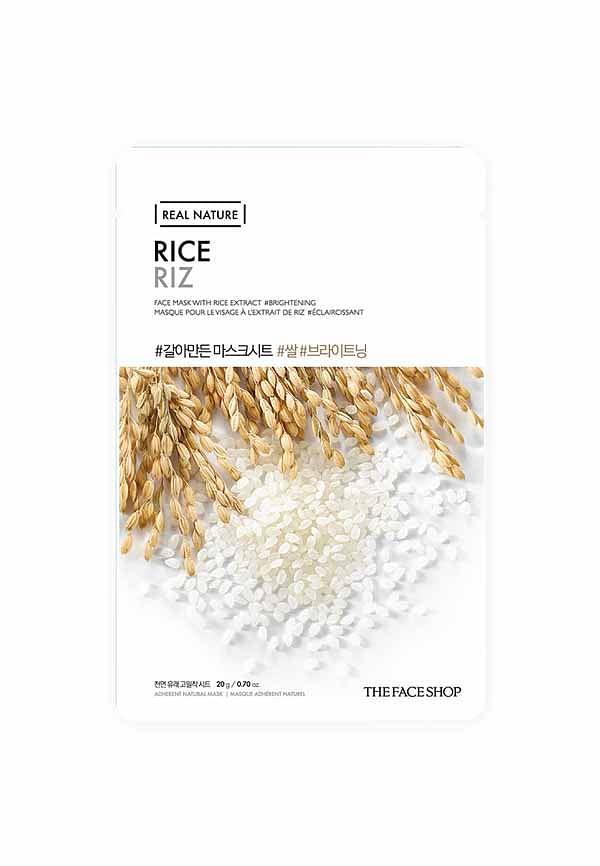
Real Nature Rice Face Mask
Good Sheet Mask for Healthy Skin
4“Good sheet mask healthy skin ”
Good Sheet Mask for Healthy Skin
4“Good sheet mask healthy skin ”
Very nice product
5“very nice product. loved it sm”
This depends on your skin type and condition. Dry skin can handle 3-4 times weekly, whilst normal skin does well with 2-3 sessions. Sensitive skin should start with once weekly and adjust based on how your skin responds. Pay attention to your skin's signals—if it feels irritated or overly sensitive, reduce frequency.
Look for hyaluronic acid, glycerin, and ceramides as your holy trinity. Hyaluronic acid provides immediate plumping, glycerin maintains moisture levels, and ceramides repair your skin barrier. Natural oils like jojoba or squalane add extra nourishment without clogging pores.
Daily masking isn't necessary for most people and might actually overwhelm your skin. However, if you're using very gentle, water-based masks and your skin tolerates them well, every other day might work. Listen to your skin—if it starts feeling sensitive or reactive, scale back.
Hydrating masks add water to your skin using humectants like hyaluronic acid. Moisturising masks add oils and emollients to prevent water loss. In winter, you ideally want both—hydration to plump your skin and moisturisation to lock it in.
DIY masks can be effective for basic hydration using ingredients like honey, yoghurt, or oatmeal. However, commercial masks often contain higher concentrations of active ingredients and better delivery systems. For serious winter skin concerns, professional formulations usually deliver better results.
Your skin will tell you. Look for increased fine lines, dullness, flakiness, or that tight feeling after cleansing. If your makeup doesn't apply smoothly or your skin feels rough, it's time to boost hydration with targeted face masks.
Winter doesn't have to mean compromising on healthy, hydrated skin. The right hydrating face masks for cold weather can transform your complexion from dull and tight to plump and glowing. Remember, consistency beats intensity—regular use of gentle, effective masks will give you better results than occasional intensive treatments. Your winter skincare routine should adapt to the season's challenges, and face masks are one of the most effective ways to give your skin the extra support it needs. Whether you prefer the convenience of sheet masks, the luxury of cream treatments, or the simplicity of overnight masks, there's a perfect option for your lifestyle and skin type. Smytten makes discovering your ideal hydrating face mask easier than ever. With trial packs from trusted skincare brands, you can explore different formulations and find what works best for your skin without committing to full-size products. This approach is particularly valuable during winter when your skin's needs might change, allowing you to experiment with various hydrating treatments until you find your perfect match. After all, why settle for maybe when you can try it all and find exactly what your winter skin craves?
