7 Best Face Serums to Buy Online Today


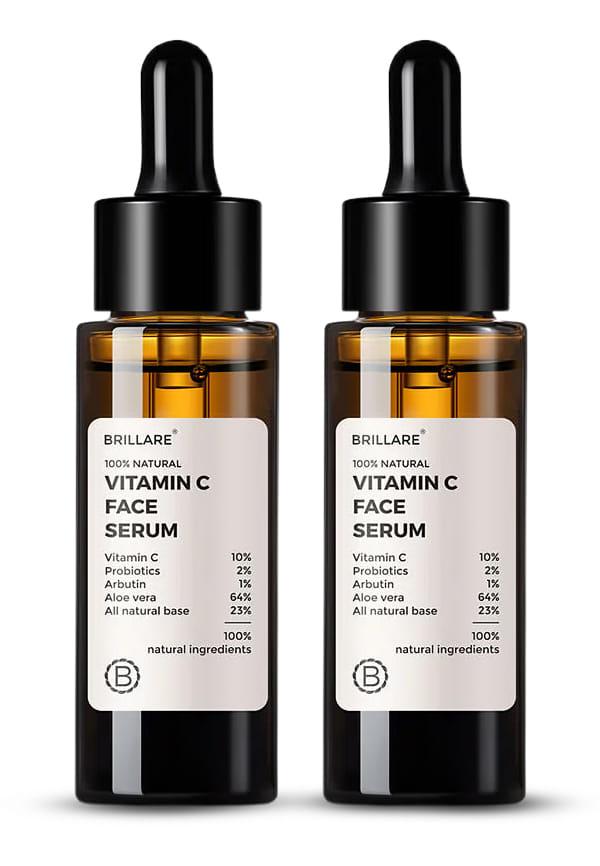
10% Vitamin C Face Serum For Bright, Glowing Skin
Let's be real—scrolling through endless face serum options online can feel overwhelming. With hundreds of brands claiming to be the next big thing in skincare, how do you actually find something worth your money? Whether you're hunting for your first anti-aging serum or trying to upgrade your current routine, we've done the legwork for you. From budget-friendly gems to natural formulations that actually deliver, here are seven face serums that deserve a spot in your skincare arsenal. Plus, we'll share the insider tips that make buying serums online way less stressful.
When you buy face serum online, you're getting access to a much wider selection than any physical store could offer. The best part? You can actually read real reviews, compare ingredients, and find better deals without pushy sales tactics. A quality face serum should pack active ingredients in higher concentrations than your average moisturiser. Think of it as the concentrated goodness your skin actually needs—whether that's hyaluronic acid for hydration, vitamin C for brightness, or retinol for anti-aging benefits. The key is finding formulations that use stable, well-researched ingredients rather than trendy buzzwords. Online shopping also means you can take your time reading ingredient lists properly. No more squinting at tiny text in dim store lighting or feeling rushed by sales assistants. You can research each component, check for potential irritants, and make informed decisions about what goes on your face.
Ready to discover your next skincare obsession? These seven serums have earned their spots through consistent results, quality formulations, and genuine user love. Each one tackles different skin concerns, so there's definitely something here for your specific needs. From hydrating heroes to anti-aging powerhouses, we've covered all the bases. The best part? All of these are readily available online, often with better pricing than traditional retail stores.
Retinol serums remain the gold standard for anti-aging, and for good reason. Look for formulations that combine retinol with soothing ingredients like niacinamide or hyaluronic acid to minimise irritation. The sweet spot for beginners is usually 0.25% to 0.5% retinol concentration. Expected results include smoother texture, reduced fine lines, and improved skin tone within 6-8 weeks of consistent use. Always start slowly—twice a week initially, building up to nightly use as your skin adapts.
Hyaluronic acid serums are absolute game-changers for thirsty skin. The magic ingredient can hold up to 1,000 times its weight in water, making it perfect for plumping and hydrating without feeling heavy or greasy. Look for serums with multiple molecular weights of hyaluronic acid—this ensures both surface hydration and deeper penetration. Apply to slightly damp skin for maximum effectiveness, then follow with your usual moisturiser to lock everything in.
Natural doesn't always mean better, but some plant-based serums genuinely deliver impressive results. Rosehip oil, vitamin E, and botanical extracts can provide antioxidant protection and gentle nourishment without synthetic additives. When shopping for natural face serum options online, check for third-party certifications and avoid anything with too many preservatives. The ingredient list should be relatively short and recognisable.
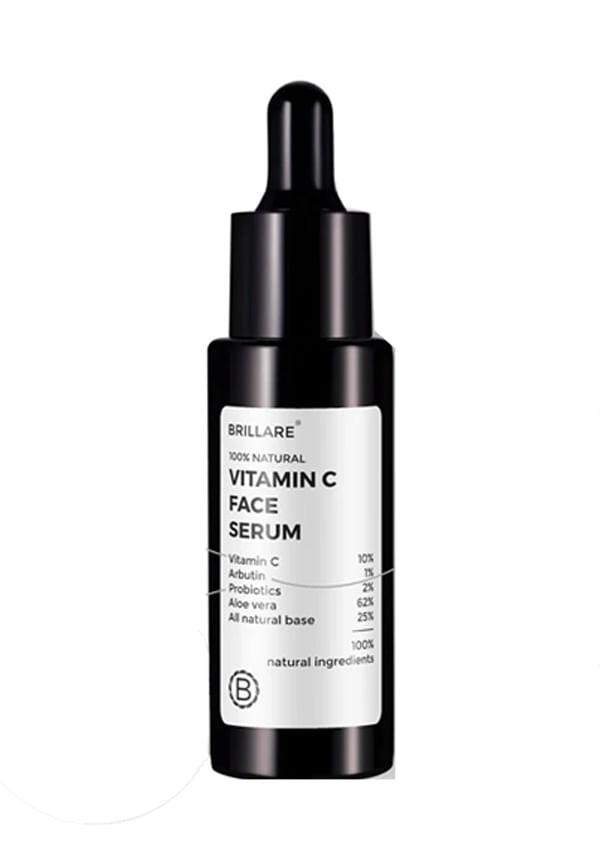
10% Vitamin C Face Serum For Bright, Glowing Skin
You don't need to spend a fortune to get effective skincare. Some of the best-performing serums come with surprisingly reasonable price tags, especially when you buy face serum online during sales or promotions. Look for simple formulations with proven ingredients like niacinamide, which helps with oil control and pore appearance, or vitamin C derivatives that offer antioxidant benefits without breaking the bank.
Sensitive skin needs extra gentle care, which means avoiding common irritants like strong fragrances, alcohol, and high concentrations of acids. Centella asiatica, ceramides, and gentle peptides are your friends here. Always patch test new products, even gentle ones. Apply a small amount behind your ear or on your inner wrist and wait 24-48 hours to check for reactions before using on your face.
Vitamin C serums brighten skin and provide antioxidant protection, but stability can be tricky. L-ascorbic acid is the most potent form, but magnesium ascorbyl phosphate or sodium ascorbyl phosphate are gentler alternatives that work well for sensitive skin. Store vitamin C serums in a cool, dark place and replace them if they turn brown or orange—that's a sign the vitamin C has oxidised and lost its effectiveness.
If you're new to retinol, start with gentler alternatives like bakuchiol or retinyl palmitate. These provide similar benefits with less risk of irritation, making them perfect for easing into anti-aging skincare. Begin with once or twice weekly application, always at night, and never skip sunscreen during the day. Your skin will gradually build tolerance, allowing you to increase frequency over time.
Your skin type should guide your serum selection more than trending ingredients or flashy marketing. Understanding what your skin actually needs makes shopping for face care products so much easier. Oily skin benefits from lightweight, oil-free formulations with ingredients like niacinamide, salicylic acid, or zinc. These help control excess sebum without stripping your skin's natural barrier. Avoid heavy, oil-based serums that might clog pores. Dry skin craves hydrating ingredients like hyaluronic acid, glycerin, and ceramides. Look for serums that feel slightly thicker and more nourishing. Layering a hydrating serum under your moisturiser can provide extra moisture without feeling greasy. Combination skin can be tricky—you might need different serums for different areas of your face, or look for balanced formulations that hydrate without over-stimulating oil production in your T-zone. Sensitive skin requires gentle, fragrance-free formulations with minimal ingredients. Stick to well-researched, gentle actives and always introduce new products slowly.
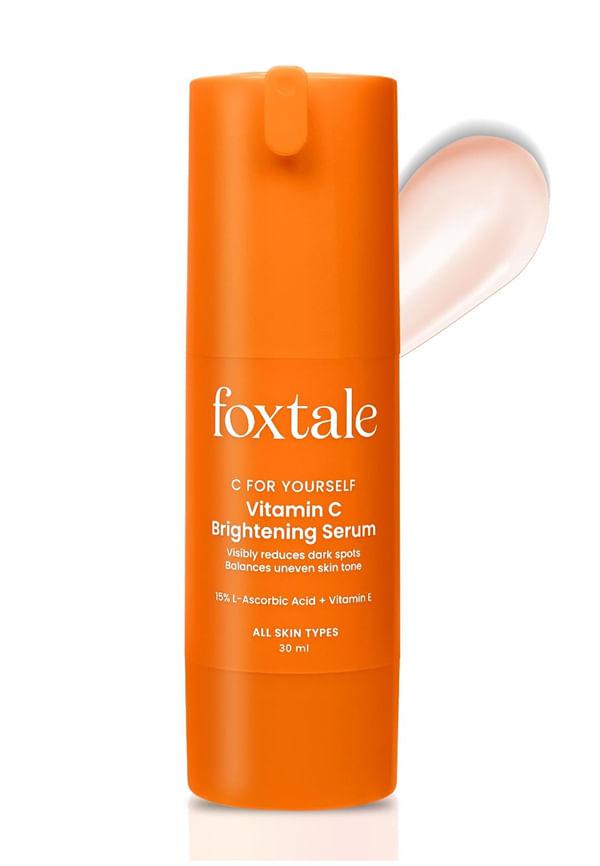
15% Vitamin C Face Serum for Glowing Skin, Pure L-Ascorbic Acid and Vitamin E
Knowing your ingredients makes online serum shopping so much smarter. Instead of falling for marketing hype, you can focus on what actually works for your skin concerns. Hyaluronic acid is brilliant for hydration and works well with virtually every skin type. It's gentle, effective, and plays nicely with other ingredients. Look for serums that list it in the first few ingredients for maximum impact. Vitamin C comes in many forms, each with different stability and potency levels. L-ascorbic acid is most potent but can irritate sensitive skin. Magnesium ascorbyl phosphate is gentler and more stable, making it perfect for beginners. Niacinamide (vitamin B3) is incredibly versatile—it helps with oil control, pore appearance, and overall skin texture. It's also one of the gentlest active ingredients, making it suitable for most skin types. Retinol and its derivatives are gold standard anti-aging ingredients, but they require patience and proper introduction. Start with lower concentrations and gradually work your way up as your skin builds tolerance.
Buying skincare online requires a bit more strategy than grabbing something off a shelf. Here's how to shop smarter and avoid common pitfalls. Always check the seller's reputation and return policy before purchasing. Stick to authorised retailers or the brand's official website to ensure you're getting authentic products. Counterfeit skincare is unfortunately common online. Read ingredient lists carefully, not just marketing claims. The first five ingredients make up the bulk of the formula, so that's where the good stuff should be. Be wary of products with alcohol high on the ingredient list, especially if you have sensitive skin. Check expiration dates and manufacturing dates when possible. Skincare products have limited shelf lives, and some active ingredients (like vitamin C) degrade quickly once opened. Customer reviews can be helpful, but take them with a grain of salt. Look for detailed reviews that mention specific skin types and concerns rather than vague "amazing product" comments. Platforms like Smytten make this whole process much easier by offering trial-sized versions of popular serums. You can test products before committing to full sizes, which is especially valuable when trying new brands or ingredients. With over 1,500 trusted brands available in mini sizes, you can explore different formulations without the financial risk.
Having the right serum is only half the battle—using it correctly makes all the difference in seeing actual results. Most serums work best on clean, slightly damp skin. After cleansing, pat your face dry but leave it slightly moist—this helps serums absorb better and prevents that tight, dry feeling. The general rule is to apply thinnest to thickest consistency. So serums go on before moisturisers and oils but after toners or essences. A few drops are usually enough for your entire face—more isn't always better with active ingredients. Morning routines should focus on protection and hydration. Vitamin C serums work brilliantly in the morning, followed by moisturiser and sunscreen. Evening routines can handle stronger actives like retinol or acids. Never mix certain ingredients without research. Vitamin C and retinol, for example, can irritate when used together. When in doubt, alternate nights or use one in the morning and another at night. Patience is key with any new serum for face care. Most active ingredients need 4-6 weeks of consistent use before you'll see noticeable results. Take progress photos to track changes—they're often more obvious in pictures than in the mirror.
Stick to authorised retailers, check for proper packaging and labelling, and be wary of prices that seem too good to be true. Authentic products should have batch numbers and proper expiration dates.
Serums contain higher concentrations of active ingredients in lighter, more easily absorbed formulations. Moisturisers focus on hydration and barrier protection with thicker, more occlusive textures.
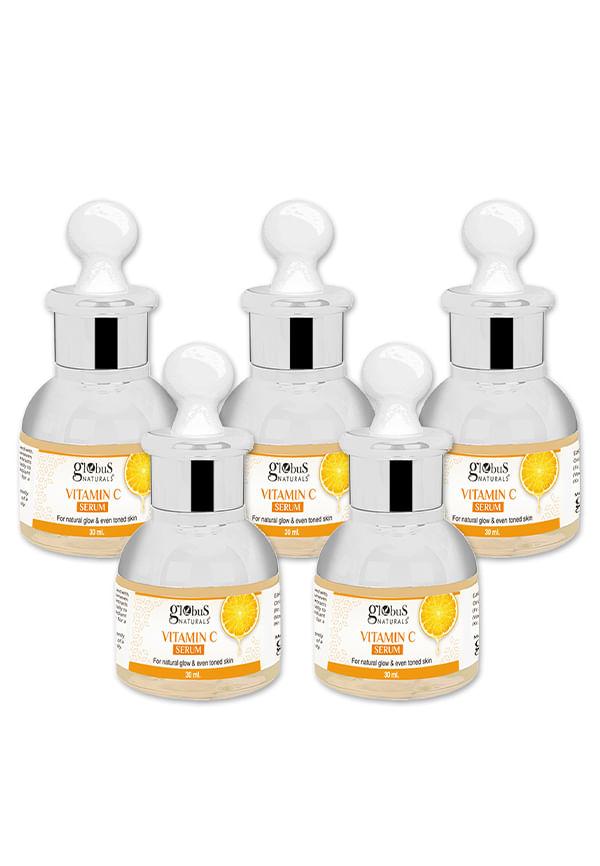
Vitamin C Face Serum, for Natural Glow & Even Skin Tone
Most serums require 4-6 weeks of consistent use before showing visible results. Some hydrating serums provide immediate plumping effects, while anti-aging ingredients need more time to work.
Yes, but introduce them gradually and avoid mixing incompatible ingredients. Start with one new serum at a time to monitor how your skin reacts.
Stop using the product immediately, rinse your face with cool water, and apply a gentle moisturiser. If irritation persists or worsens, consult a dermatologist.
Most serums should be stored in cool, dark places away from direct sunlight. Some vitamin C serums benefit from refrigeration to maintain stability.
Not necessarily. Price often reflects packaging, marketing, and brand positioning rather than ingredient quality. Focus on ingredient lists and concentrations rather than price tags.
Prevention is easier than correction, so starting with gentle anti-aging ingredients in your mid-twenties is perfectly fine. Focus on sunscreen and antioxidants first, then add retinol in your thirties if desired.
Finding the right face serum doesn't have to feel like rocket science. Focus on your specific skin concerns, choose proven ingredients, and give products time to work before judging their effectiveness. The beauty of buying serums online is the access to detailed information, honest reviews, and better pricing. Take advantage of trial sizes when available—they're perfect for testing new formulations without committing to full-size products. Smytten's trial platform makes this exploration even smarter. With curated mini-sized products from trusted brands like Cetaphil and Dot & Key, you can discover your perfect serum match without the usual trial-and-error expense. Getting up to 8 minis for just ₹249, plus 100% cashback for future purchases, means you can try multiple options and find what actually works for your skin. After all, why settle for maybe when you can try it all?
