7 Best Dry Skin Barrier Creams for Winter Care


Winter's here, and your skin's probably sending you some serious SOS signals. That tight, flaky feeling? The way your usual moisturiser just sits on top without actually doing anything? Yeah, your skin barrier is basically crying for help. When temperatures drop and heating kicks in, your skin loses moisture faster than you can say "dry skin relief." But here's the thing—regular moisturisers often aren't enough for proper winter skincare. You need something that actually repairs and protects your skin barrier, not just sits pretty on the surface. That's where barrier creams come in, and trust us, they're about to become your winter skincare MVP.
Let's get real about what winter actually does to your skin. Your skin barrier is like a protective wall made of cells and lipids that keeps moisture in and irritants out. But winter weather is basically its worst enemy.
Cold air holds way less moisture than warm air—we're talking science here. When humidity drops below 60%, your skin starts losing water faster than it can replace it. Add indoor heating to the mix, and you've got a recipe for seriously compromised skin hydration. Your skin barrier gets disrupted when the lipids between your skin cells start breaking down. Think of it like mortar between bricks—when it crumbles, everything falls apart. Signs your barrier is struggling include persistent dryness, sensitivity to products that never bothered you before, and that lovely tight feeling that no amount of regular moisturising cream seems to fix.
Here's where things get interesting. Regular moisturisers are great for everyday hydration, but barrier creams are the heavy-duty repair crew. They contain specific ingredients like ceramides and cholesterol that actually rebuild your skin's protective layer. Barrier creams work deeper than surface-level hydration. They're formulated to mimic your skin's natural lipid structure, essentially giving your barrier the building blocks it needs to repair itself. Most dermatologists recommend switching to barrier repair formulations when temperatures consistently drop below 10°C.
Not all ingredients are created equal when it comes to barrier repair. Some are absolute game-changers, whilst others are just nice-to-haves.
Ceramides are the holy grail of barrier repair. These lipid molecules make up about 50% of your skin's barrier, so when you're running low, topical ceramides can literally fill in the gaps. Look for ceramide 1, 3, and 6-II—they're the most researched. Hyaluronic acid is your skin hydration superhero. It can hold up to 1,000 times its weight in water, creating multiple layers of moisture that last throughout the day. In winter formulations, you want both high and low molecular weight versions for surface and deep hydration. Glycerin might sound basic, but it's a moisture-binding powerhouse. It draws water from the environment and deeper skin layers to keep your surface hydrated. Plus, it actually helps other ingredients penetrate better.
Niacinamide is brilliant for sensitive skin because it reduces inflammation whilst boosting ceramide production. It's like having a personal trainer for your skin barrier—making it stronger and more resilient. Peptides signal your skin to produce more collagen and repair damage. They're particularly useful if your barrier has been compromised for a while and needs some serious rebuilding. Natural oils like squalane, jojoba, and rosehip provide deep nourishment without clogging pores. They're especially good for eczema-prone skin because they're less likely to cause reactions.
Steer clear of alcohol-based products—they'll strip your already vulnerable barrier. Harsh exfoliants like high-concentration AHAs and BHAs should also take a backseat during peak winter months. Fragrance can be tricky for sensitive skin in winter. If you're dealing with compromised barriers, fragrance-free formulations are your safest bet.
Right, let's dive into the good stuff. These categories represent the best options for different needs and budgets.
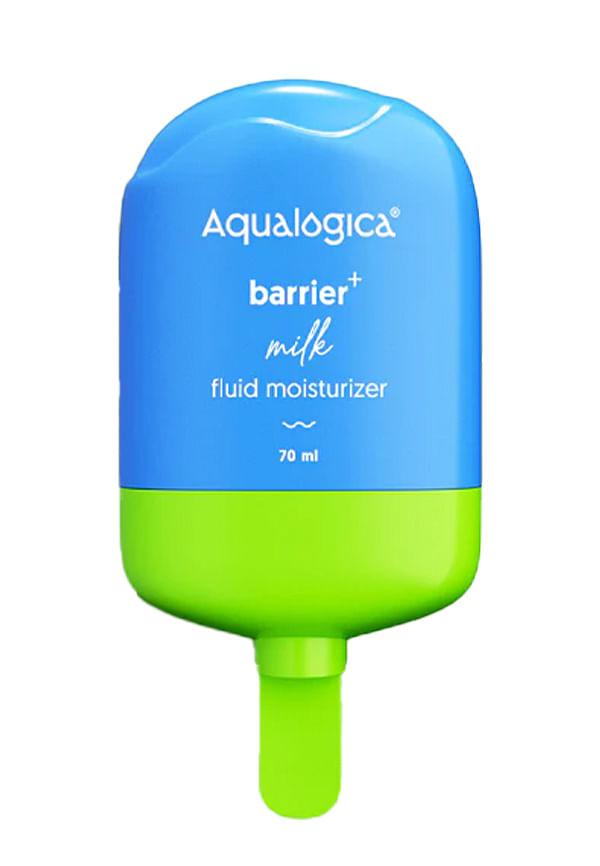
Barrier+ Milk Fluid Moisturizer
Look for creams with at least three types of ceramides plus cholesterol and fatty acids. These formulations are typically developed with dermatologist input and have clinical backing for barrier repair. Key ingredients include ceramide complex, hyaluronic acid, and niacinamide. They work for most skin types, from normal-dry to severely compromised barriers. Apply twice daily on slightly damp skin for maximum absorption.
Sensitive skin needs barrier repair without irritation. Look for fragrance-free, paraben-free formulations with minimal ingredient lists. These often feature colloidal oatmeal or allantoin for soothing properties. Eczema-friendly options typically have National Eczema Association seals of approval. They focus on gentle hydration without common irritants. Many dermatologists recommend these for anyone with reactive skin during winter months.
You don't need to break the bank for effective barrier repair. Many pharmacy brands offer excellent ceramide creams at fraction of luxury prices. Look for simple formulations with proven ingredients rather than fancy packaging. Cost-effective doesn't mean compromising on quality. Some of the most recommended barrier creams by dermatologists are actually quite affordable. The key is focusing on ingredient quality rather than brand prestige.
Facial barrier creams need to be rich enough for repair but light enough for daily wear. Look for gel-cream textures or lightweight lotions with ceramides and hyaluronic acid. These formulations should play well under makeup and provide 24-hour hydration without greasiness.
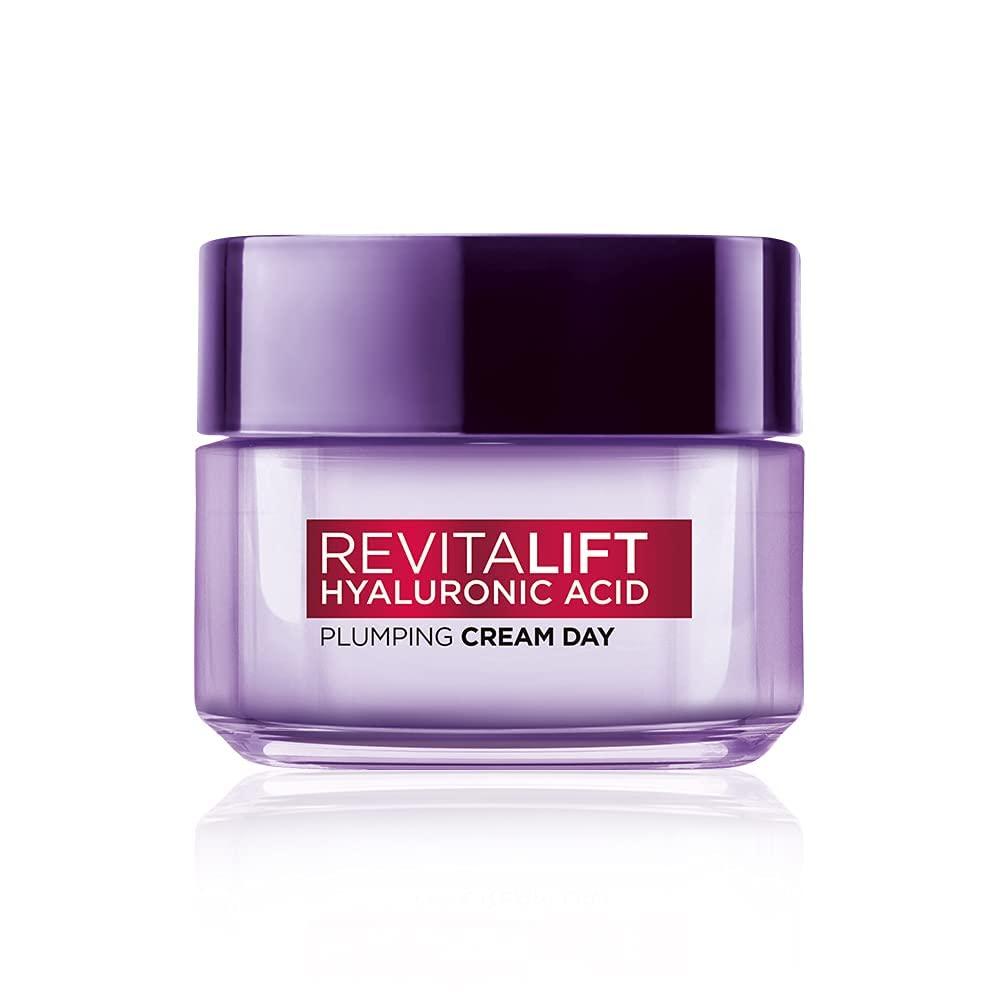
The L'Oréal Paris Revitalift Hyaluronic Acid Plumping Day Cream fits the lightweight-yet-nourishing brief nicely, a translucent, pearly gel-cream with micro hyaluronic acid that penetrates deeper for long-lasting hydration. It absorbs quickly, layers well under makeup, and helps smooth and plump skin while reducing the look of fine lines, leaving a radiant, non-greasy finish through the day. It's a good daytime hydration pick for dry skin, though for deeper barrier repair you'll want to pair it with a ceramide-rich cream at night.
Body formulations can be richer and more occlusive since you're not worried about makeup application. Look for larger sizes with pump dispensers for easy application over large areas. These often include ingredients like shea butter and petrolatum for extra protection. Family-friendly options are great if multiple household members need barrier repair.
Natural barrier creams focus on plant-derived ceramides and oils. Look for formulations with ceramide-rich ingredients like rice bran or sunflower seed oil. Whilst natural doesn't always mean more effective, many people prefer avoiding synthetic ingredients. The key is finding formulations that still deliver clinically proven results.
For seriously compromised barriers, you need clinical-strength formulations. These often contain higher concentrations of active ingredients and may include prescription-strength components. Recovery timelines vary, but most people see improvement within 2-4 weeks of consistent use. These formulations are often recommended by dermatologists for chronic dryness or eczema.
Knowing what to use is only half the battle. How you use it makes all the difference in barrier repair success.
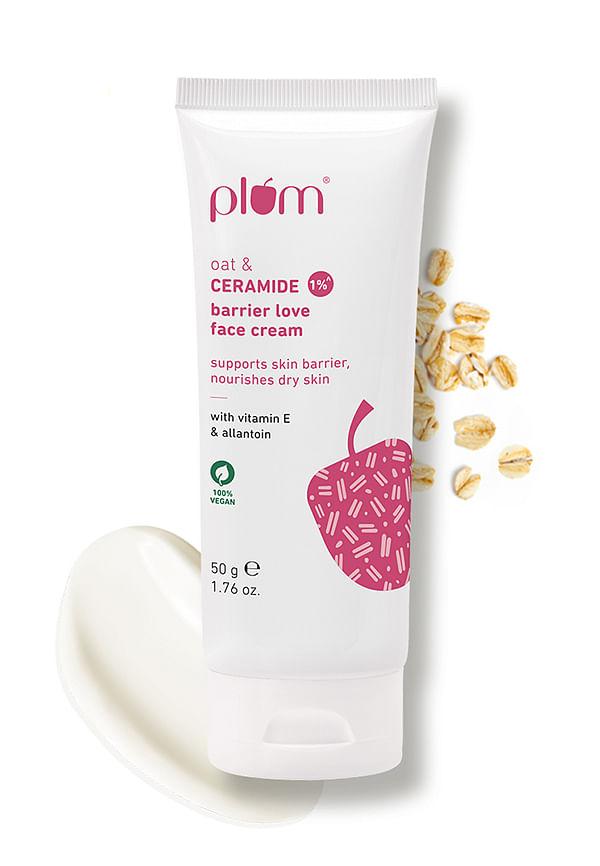
Oat & 1% Ceramide Barrier Love Face Cream | Repairs, Strenghtens Skin Barrier
Good Day Moisturizer
 5
5“very good moisturizer for the day”
Too good, must try
5“too good nice product must try”
Super Blending, Recommended
5“super blending nice one go for it”
Start with a gentle, non-foaming cleanser that won't strip your skin. Pat dry—never rub—and apply your barrier cream to slightly damp skin for better absorption. Layer products from thinnest to thickest consistency. If you're using a serum, apply it first, then your barrier cream. Always finish with SPF, even in winter—UV damage can further compromise your barrier.
Evening is prime time for barrier repair since your skin naturally regenerates overnight. Double cleanse only if you've worn makeup or sunscreen—otherwise, gentle cleansing is enough. Apply treatment products like ceramide serums first, followed by your barrier cream. For extra dry areas, you can layer a facial oil over your cream for additional occlusion.
Once or twice weekly, use a hydrating mask with hyaluronic acid or ceramides. Leave on for 15-20 minutes for deep hydration boost. Consider professional treatments like hydrafacials during winter months. At-home options include overnight masks or sleeping packs for intensive repair.
Even with the best intentions, it's easy to sabotage your barrier repair efforts. Here's what to avoid.
Over-cleansing is barrier enemy number one. Washing your face more than twice daily strips natural oils and disrupts pH balance. Hot water is equally damaging—stick to lukewarm temperatures. Incorrect product layering can reduce effectiveness. Always apply water-based products before oil-based ones, and give each layer time to absorb before adding the next.
Indoor heating creates desert-like conditions for your skin. Use a humidifier to maintain 40-60% humidity levels. Position it near your bed for overnight skin recovery. Protective clothing matters more than you think. Scarves and high collars can protect facial skin from harsh winds, whilst gloves prevent hand dryness.
Timing your seasonal transition is crucial. Don't wait until your skin is already compromised—start using barrier creams when temperatures begin dropping consistently. Mixing active ingredients without understanding interactions can cause irritation. Avoid combining retinoids with AHAs or BHAs during peak winter months when your barrier is vulnerable.
Professional insights can take your winter skincare from good to exceptional.
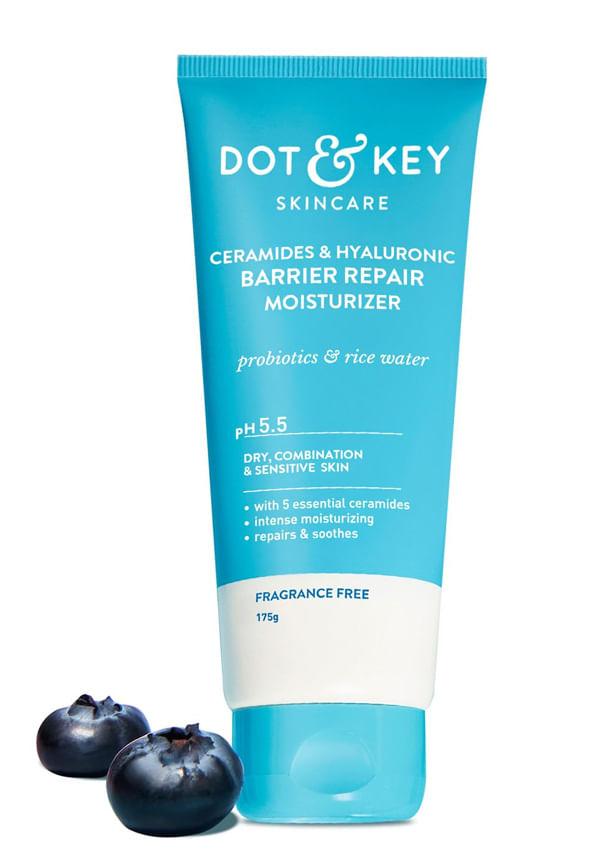
Ceramides & Hyaluronic Barrier Repair Moisturizer
Good & Similar Product
5“Good product, best product and very similar product”
Good & Similar Product
5“Good product, best product and very similar product”
Good & Similar Product
5“Good product, best product and very similar product”
Dermatologists emphasise consistency over intensity. It's better to use a good barrier cream twice daily than an expensive one sporadically. Clinical studies show that regular use of ceramide-containing creams can improve barrier function by up to 30% in four weeks. Prescription options like ceramide-rich therapeutic creams may be necessary for severe cases. Don't hesitate to seek professional help if over-the-counter options aren't providing relief after 6-8 weeks.
Hydration starts from within. Aim for 8-10 glasses of water daily, and consider adding omega-3 supplements for additional barrier support. Diet plays a bigger role than most people realise. Foods rich in healthy fats, vitamins C and E, and zinc support barrier function from the inside out.
Building resilient skin barriers takes time and consistency. Start barrier-supporting routines before winter hits, and maintain them throughout the cold months. Prevention is always easier than treatment. If you know your skin struggles in winter, begin using barrier creams in early autumn rather than waiting for problems to develop. This is where platforms like Smytten become invaluable for your winter skincare journey. As India's largest product discovery platform, Smytten connects you with over 1,500 trusted brands including barrier repair specialists like Cetaphil and Dot & Key. Rather than committing to full-size products that might not work for your specific skin needs, you can try curated trial packs to find your perfect winter dry skin barrier cream. With up to 8 minis for just ₹249 and 100% cashback redeemable for future purchases, you can explore different formulations risk-free. Once you discover what works, purchasing the full-size version is just a click away.
Apply barrier cream twice daily—morning and evening—for optimal results. If you're dealing with severe dryness, you can add a midday application to exposed areas like hands and face.
Absolutely! Choose lightweight formulations for daytime use and allow 5-10 minutes for absorption before applying makeup. Look for non-comedogenic options that won't interfere with your foundation.
Barrier creams contain specific lipids like ceramides that actually repair your skin's protective layer, whilst regular moisturisers primarily provide surface hydration. Barrier creams are more targeted for compromised or damaged skin.
Most people notice initial improvement within 1-2 weeks, with significant barrier repair occurring after 4-6 weeks of consistent use. Severely damaged barriers may take 8-12 weeks to fully recover.
Yes, many barrier creams are specifically formulated for sensitive skin. Look for fragrance-free, hypoallergenic options with minimal ingredient lists. Always patch test new products before full application.
Definitely! Many barrier creams work well for both face and body. However, facial formulations are typically lighter and may be more expensive for large body areas. Consider separate products for cost-effectiveness.
Winter doesn't have to mean suffering through months of dry, uncomfortable skin. The right barrier cream can transform your skin's resilience and comfort throughout the cold season. Focus on formulations with proven ingredients like ceramides, hyaluronic acid, and niacinamide rather than getting caught up in fancy packaging or marketing claims. Remember, consistency trumps perfection every time. A good barrier cream used religiously will outperform an expensive one used sporadically. Start your barrier repair routine early in the season, maintain it throughout winter, and don't forget that hydration works from both inside and outside your body. With Smytten's extensive range of skincare brands and trial options, finding your perfect winter barrier cream doesn't have to involve expensive mistakes. You can explore different formulations, discover what works for your unique skin needs, and build a winter skincare routine that actually delivers results. After all, why settle for dry, uncomfortable skin when you can try it all and find exactly what your barrier needs to thrive?
