7 Best Chemical Sunscreens for Radiant Skin


Let's be real—finding the perfect chemical face sunscreen can feel like searching for a needle in a haystack. With endless options promising everything from zero white cast to all-day protection, it's easy to get overwhelmed. But here's the thing: the right chemical sunscreen isn't just about blocking harmful UV rays (though that's obviously crucial). It's about finding that sweet spot where effective sun protection meets a formula that actually makes your skin look and feel amazing. Whether you're dealing with oily skin that rebels against heavy formulas or sensitive skin that needs extra TLC, we've rounded up seven stellar options that might just become your new skincare obsession.
Think of chemical sunscreen as your skin's invisible shield. Unlike physical sunscreens that sit on top of your skin like a protective barrier, chemical formulas work by absorbing UV rays and converting them into heat, which then gets released from your skin. It's basically science doing the heavy lifting while you go about your day.
What makes chemical sunscreens particularly brilliant for daily sunscreen use is their lightweight feel. They blend seamlessly into your skin without that telltale white cast that can make you look like you've been dipped in chalk. This is especially important if you're someone who wears makeup or just prefers that natural, no-makeup look.
For Indian skin tones and our often humid climate, chemical sunscreens are often the more practical choice. They tend to be less greasy, absorb faster, and don't leave that heavy, sticky feeling that can be particularly uncomfortable in hot weather. Plus, many modern formulations come packed with additional skincare benefits—think antioxidants, moisturising ingredients, and even anti-ageing compounds.
The key ingredients to look out for include avobenzone, octinoxate, and zinc oxide combinations that provide broad-spectrum protection. These work together to shield your skin from both UVA rays (which cause premature ageing) and UVB rays (which cause sunburn). When you're looking to chemical face sunscreen buy, remember that consistent daily use is what really makes the difference in preventing sun damage and maintaining healthy, radiant skin.
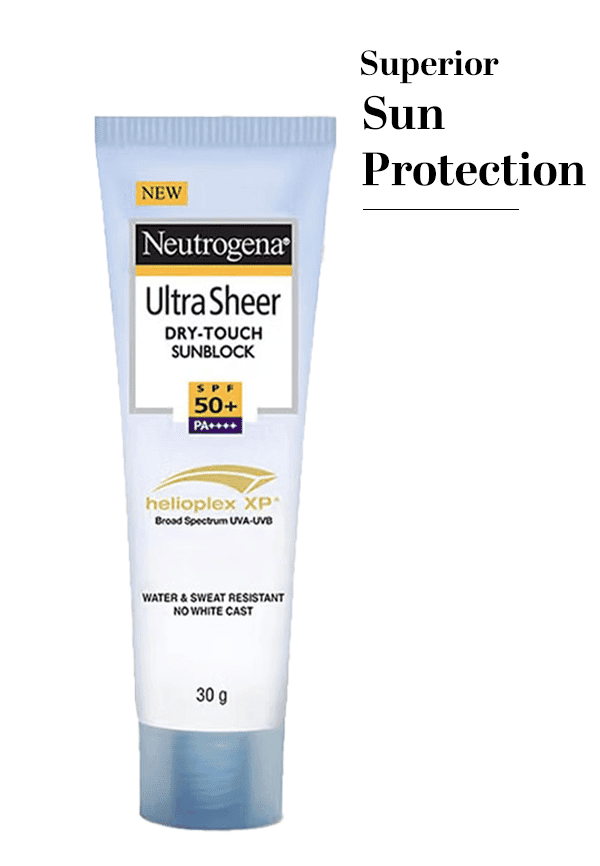
Ultra Sheer Dry Touch Sunscreen SPF 50+
Loved it
 5
5“Loved it ……………………………………………………… ”
Loved it
5“Loved it ……………………………………………………… ”
Loved it
5“Loved it ……………………………………………………… ”
Ready to meet your potential new skincare faves? We've tested, researched, and curated this list based on real performance, user reviews, and dermatologist recommendations. Each of these best chemical sunscreen options brings something special to the table.
This one's a proper classic for good reason. The dry-touch technology means it absorbs quickly without that greasy aftermath that makes you want to wash your face immediately. With broad-spectrum SPF 50+ protection, it's particularly brilliant for oily and combination skin types. The formula is non-comedogenic, so it won't clog your pores or trigger breakouts. At around ₹400-500 for 88ml, it offers solid value for money. The only downside? It can feel slightly drying on very dry skin, so you might want to layer it over a good moisturiser.
If you're dealing with sunscreen for sensitive skin concerns, this French pharmacy favourite might be your answer. The ultra-light fluid texture feels almost like water on your skin, making it perfect for daily wear under makeup. It's formulated with thermal spring water, which helps soothe irritated skin. The SPF 60 protection is robust without being heavy, and it's completely fragrance-free. Expect to pay around ₹1,200-1,500, but the 50ml tube lasts surprisingly long since you only need a small amount.
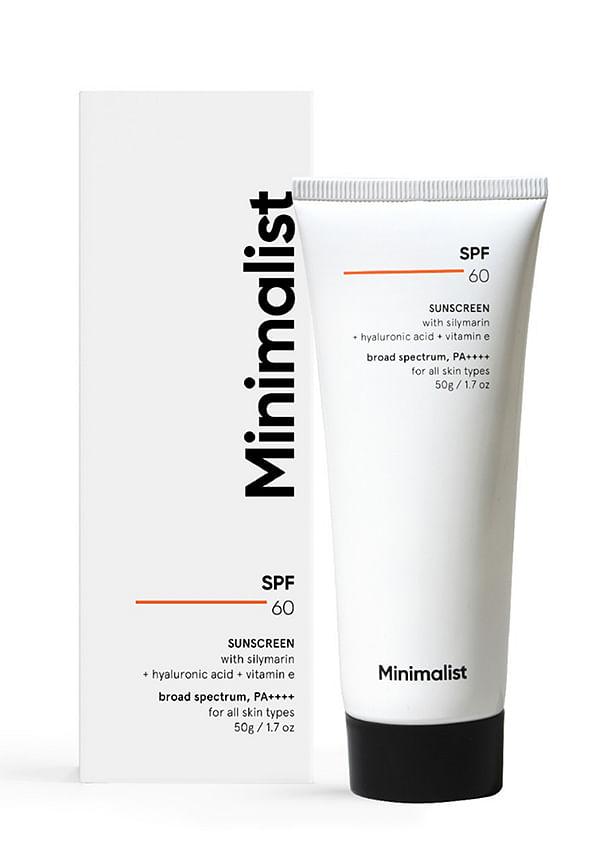
SPF 60 PA ++++ Sunscreen With Antioxidant Silymarin,Senstive Skin & Acne
Superb Product
5“superb product bahut hi sahi hain”
Excellent Product Quality
5“Best quality product i have ever used”
Good Product, No White Cast
4“using it over 2 year. good product leaves no white cast”
Cetaphil knows sensitive skin, and this lightweight sunscreen proves it. The liquid formula is incredibly easy to blend and doesn't leave any white residue. It's packed with vitamin E for added antioxidant protection and works beautifully under makeup. The 50ml bottle costs around ₹800-900, making it a mid-range option that delivers on its promises. It's particularly good for normal to dry skin types, though oily skin folks might find it slightly too emollient for their liking.
This Indian brand has created something quite special with their no-nonsense approach to sun protection. The formula is clean, effective, and surprisingly affordable at around ₹400 for 50g. It contains zinc oxide and titanium dioxide for broad-spectrum protection, plus niacinamide for additional skin benefits. The texture is creamy but not heavy, and it works well across different skin types. The packaging is simple and travel-friendly, making it perfect for everyday use.
This Japanese sunscreen lotion has achieved cult status for good reason. The watery essence texture feels refreshing and cooling on the skin, making it perfect for hot, humid days. It absorbs instantly and creates a smooth base for makeup. The hyaluronic acid in the formula provides hydration, while the SPF 50+ PA++++ rating ensures comprehensive protection. At around ₹1,000-1,200 for 85g, it's worth every penny for the luxurious feel and reliable protection.
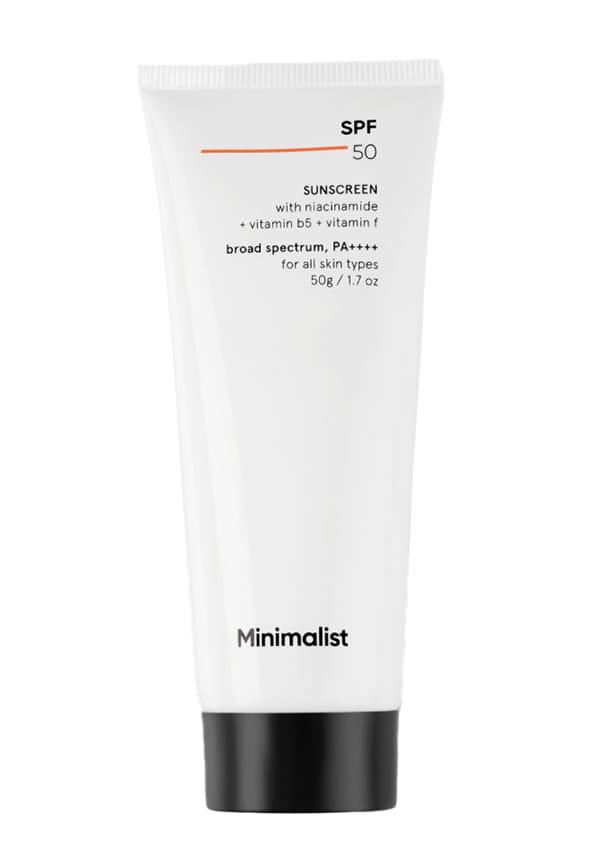
SPF 50 PA ++++ Sunscreen With Multi-Vitamin For Reducing Photoaging
Excellent Product & Packaging
5“best sunscreen ever and good packing from smytten”
Good quantity sunscreen
5“achhi hai sunscreen toh vaise quantity bhi kaafi acchi baki lagne ke bd pta chalega”
Lightweight & Awesome Product
5“story light weight just awesome”
For those who prefer Indian brands, this matte gel formula is a solid choice. It's specifically designed for oily and acne-prone skin, with a gel texture that dries to a completely matte finish. The formula includes natural ingredients like cinnamon and tulsi for additional skin benefits. Priced at around ₹300-400 for 100g, it's one of the most budget-friendly options that doesn't compromise on protection. The matte finish makes it particularly good for those who struggle with shine throughout the day.
This tinted face sunscreen is perfect for those who want protection with a hint of coverage. The mineral-based formula is gentle enough for sensitive skin while providing excellent broad-spectrum protection. The light tint helps even out skin tone without looking cakey. At around ₹1,800-2,000 for 40ml, it's definitely an investment, but the quality and multitasking benefits make it worthwhile. It's particularly brilliant for no-makeup days when you want to look polished with minimal effort.
Choosing the right sunscreen for face isn't just about SPF numbers—it's about finding a formula that works with your skin type, lifestyle, and personal preferences. Here's how to narrow down your options based on what your skin actually needs.
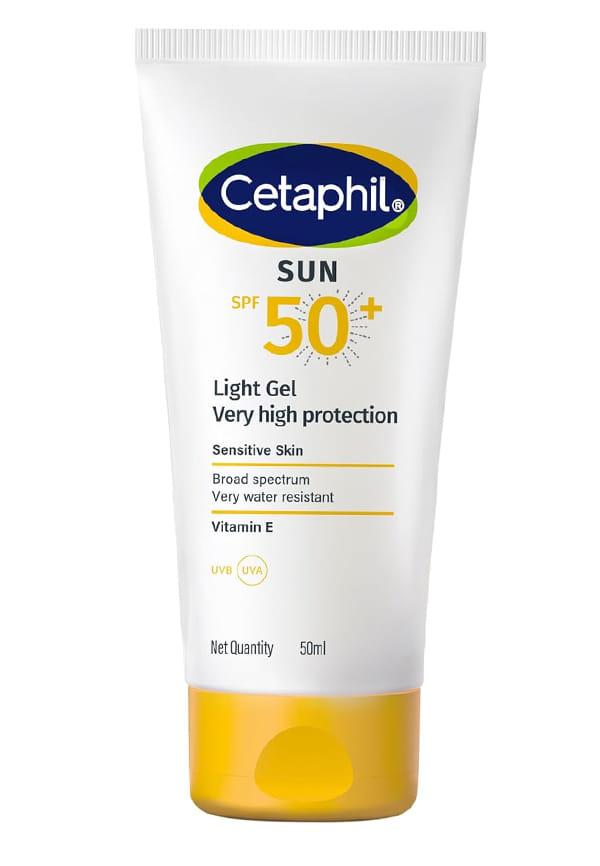
Sun Spf 50+ Light Gel
Good Product for Skin Protection
4“a very good product works on protecting your skin”
Good Product for Skin Protection
4“a very good product works on protecting your skin”
Good for Sensitive Skin
5“Good product for sensitive skin”
Look for gel-based or fluid formulations that dry to a matte finish. Ingredients like niacinamide can help control oil production while providing additional skin benefits. Avoid heavy, creamy textures that might clog pores or feel too rich on already oily skin.
Cream-based sunscreens with moisturising ingredients like hyaluronic acid, ceramides, or glycerin work best. These formulas provide hydration alongside protection, eliminating the need for separate moisturiser in your morning routine.
Fragrance-free, mineral-based, or gentle chemical formulations are your best bet. Look for products that have been dermatologically tested and avoid common irritants like alcohol, strong fragrances, or harsh preservatives.
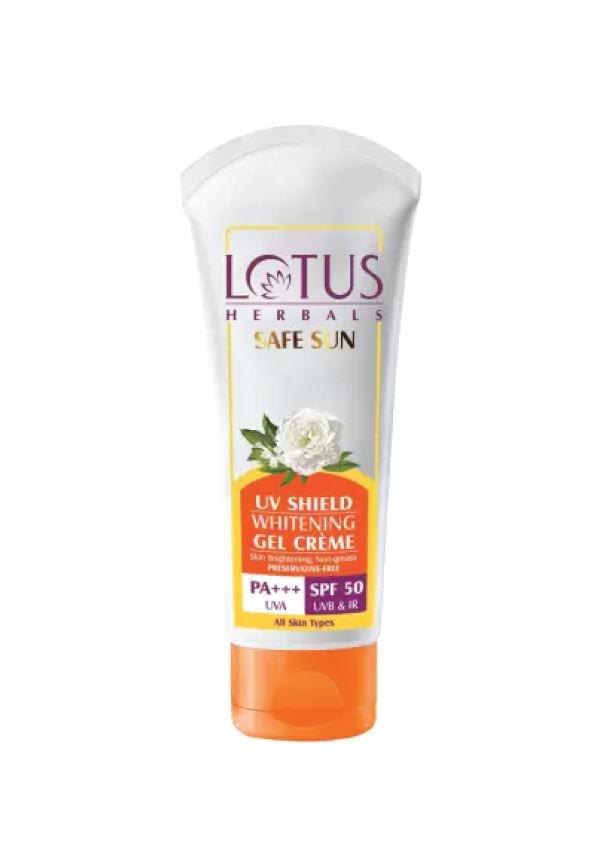
Safe Sun UV Shield Whitening Gel Cream SPF 50 PA+++
Great for all skin types
4“love this product and can be used for al skin type”
Positive product experience
4“nice and good I like this product”
Lightweight, fast-absorbing formulas that don't leave a greasy residue work well. You want something that won't make your T-zone oilier while still providing adequate moisture to drier areas of your face.
Let's decode the numbers and symbols on your sunscreen online shopping list. SPF (Sun Protection Factor) measures protection against UVB rays—the ones that cause sunburn. SPF 30 blocks about 97% of UVB rays, while SPF 50 blocks about 98%. The difference might seem small, but that extra 1% can matter for extended sun exposure.
The PA rating system, common in Asian sunscreens, measures UVA protection. PA+ offers some protection, PA++ offers moderate protection, PA+++ offers high protection, and PA++++ offers extremely high protection. For daily use, aim for at least PA+++ to ensure comprehensive protection against premature ageing.
Broad-spectrum protection means the sunscreen shields against both UVA and UVB rays. This is crucial because UVA rays penetrate deeper into the skin and are primarily responsible for wrinkles, age spots, and other signs of premature ageing. They're also present year-round and can penetrate through clouds and glass.
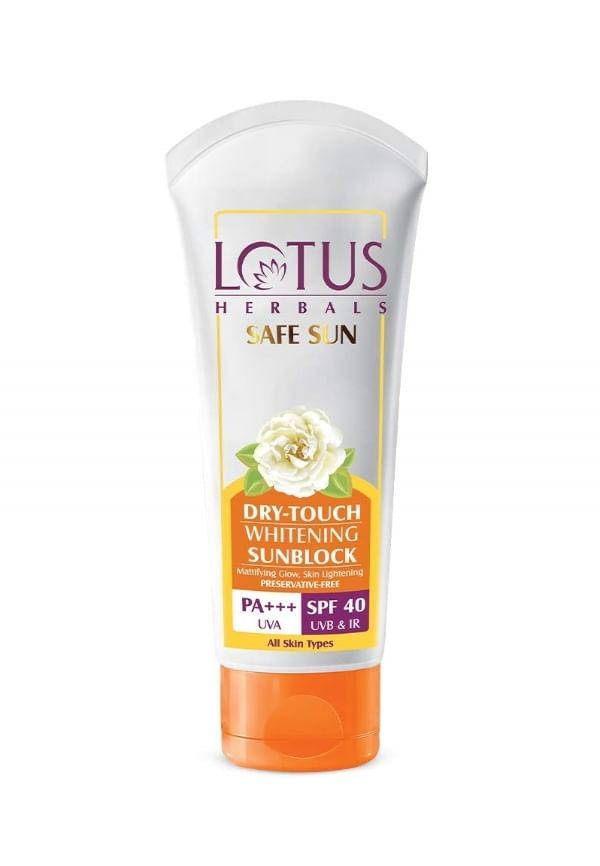
Safe Sun Dry-Touch Whitening Sunscreen SPF 40 PA+++
Great Moisturizer
5“super moisturizing and no white cast.”
Great Product
5“it's a really good product to buy another one”
Excellent Sunscreen
4“nice and very good sunscreen for skin”
Water resistance ratings indicate how long the sunscreen remains effective during swimming or sweating. However, even water-resistant formulas should be reapplied every two hours for optimal protection, especially if you're spending time outdoors.
Having the best chemical sunscreen is only half the battle—applying it correctly is what actually keeps your skin safe and radiant. The golden rule is to use about 1/4 teaspoon for your face and neck. That might seem like a lot, but using less significantly reduces the protection you're getting.
Apply your sunscreen 15-30 minutes before sun exposure to allow it to properly absorb and form a protective barrier. If you're layering it with other skincare products, let each layer absorb before applying the next. The general order is: cleanser, toner, serums, moisturiser, then sunscreen.
For makeup wearers, let your sunscreen set for a few minutes before applying foundation or concealer. This prevents pilling and ensures both products perform at their best. Some sunscreens work beautifully as a primer, creating a smooth base for makeup application.
Reapplication is crucial, especially if you're spending extended time outdoors. For daily office wear, reapplying once during the day is usually sufficient. However, if you're outdoors, swimming, or sweating, aim for every two hours. Powder sunscreens or setting sprays with SPF can make reapplication over makeup much easier.
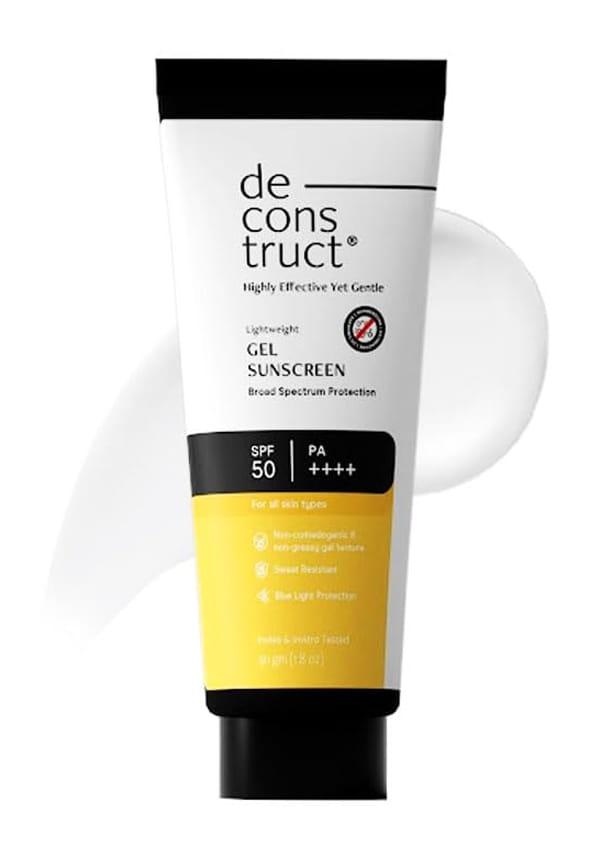
Lightweight Gel Sunscreen- SPF 50+ and PA+++
Gel vs. Cream Consistency
4“it says it's gel sunscreen but it's cream...tho the consistency is matte”
Good Product for Skin
4“this was a good product for skin”
Good Product for Skin
4“this was a good product for skin”
When you're ready to chemical face sunscreen buy, shopping smart can save you both money and disappointment. Start by reading ingredient lists and reviews from people with similar skin types. Many brands offer travel or trial sizes, which are perfect for testing before committing to a full-size product.
Smytten makes this process even easier by offering curated trial packs from trusted brands. You can explore different sunscreen formulations through their mini-sized products, letting you test what works for your skin before investing in full-size versions. With over 1,500 brands available, including skincare favourites like Cetaphil and Dot & Key, you can discover your perfect match without the guesswork.
Compare prices across different platforms, but be wary of deals that seem too good to be true—counterfeit skincare products are unfortunately common. Stick to authorised retailers and check expiration dates, especially when shopping online. Sunscreen typically has a shelf life of 2-3 years, but its effectiveness can decrease over time.
Consider buying in bulk if you've found a formula you love, especially during sales periods. However, make sure you'll actually use the product before it expires. A good daily sunscreen should last about 2-3 months with regular use, so plan accordingly.
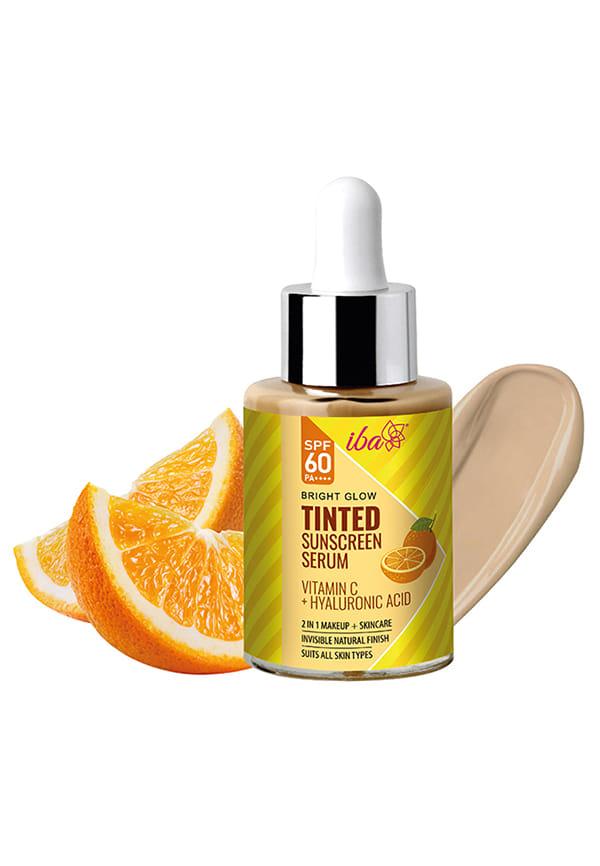
Bright Glow Tinted Sunscreen Serum for All Skin Types SPF 60 PA++++
Great product, perfect match!
5“It is very effective, and the best part is that it blends really well with my skin tone.”
Amazing Product
5“awesome product I am shocked after use this”
Excellent Foundation
5“it's so easy to use,no white cast,so smooth like serum.there is no another use for a foundation”
Yes, chemical sunscreens are generally safe for daily use when used as directed. They've been extensively tested and approved by regulatory bodies worldwide. However, if you have very sensitive skin or specific allergies, patch test new products before full application.
For daily indoor activities, once in the morning is usually sufficient. However, if you're outdoors, swimming, or sweating heavily, reapply every two hours for optimal protection. Water-resistant formulas may last longer, but reapplication is still recommended.
Absolutely! Most modern chemical sunscreens are designed to work well under makeup. Look for lightweight, fast-absorbing formulas that don't pill or leave a greasy residue. Allow the sunscreen to set for a few minutes before applying makeup for best results.
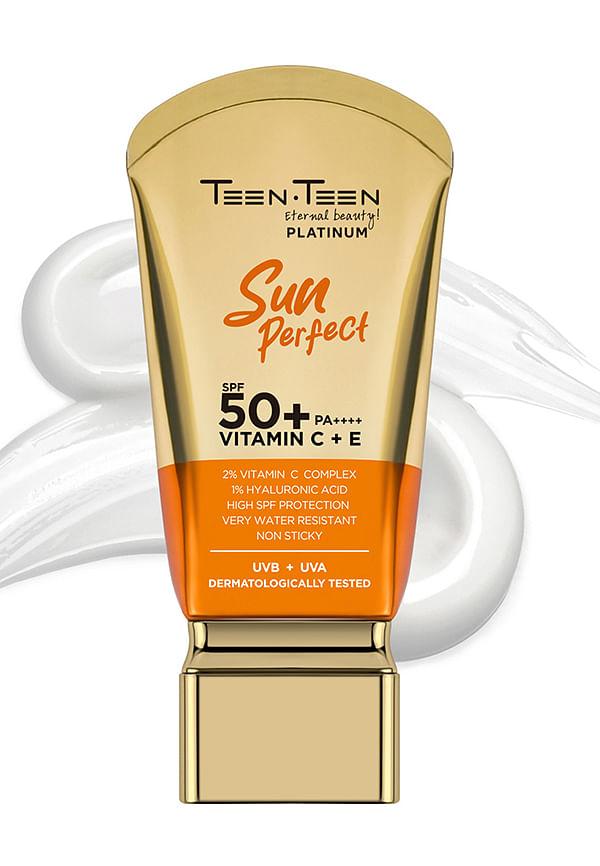
Sun Perfect Sunscreen
Chemical sunscreens absorb UV rays and convert them to heat, while mineral sunscreens create a physical barrier that reflects UV rays. Chemical formulas tend to be lighter and more cosmetically elegant, while mineral sunscreens are often better for very sensitive skin.
Look for non-comedogenic, oil-free formulas with a matte finish. Gel-based sunscreens or those containing niacinamide can be particularly beneficial for acne-prone skin. Avoid heavy, creamy textures that might clog pores.
Modern chemical sunscreens typically don't leave a white cast, unlike some mineral sunscreens. They're designed to blend seamlessly into the skin, making them ideal for all skin tones and daily wear under makeup.

Perfect Match Tinted Fluid Sunscreen
Very Good Tinted Sunscreen
4“very good tinted sunscreen I am so happy”
Very Good Tinted Sunscreen
4“very good tinted sunscreen I am so happy”
Very Good Tinted Sunscreen
4“very good tinted sunscreen I am so happy”
While most chemical sunscreens are considered safe during pregnancy, some women prefer mineral sunscreens as a precaution. If you're pregnant or breastfeeding, consult with your healthcare provider about which ingredients you're comfortable using.
A gentle cleanser is usually sufficient to remove most chemical sunscreens. If you're wearing water-resistant formulas or have layered makeup on top, you might need a double cleanse—start with an oil-based cleanser followed by your regular face wash.
Finding your perfect chemical face sunscreen might take a bit of trial and error, but it's absolutely worth the effort. The right formula will protect your skin from harmful UV damage while feeling comfortable enough that you'll actually want to use it every single day. Remember, the best sunscreen is the one you'll consistently apply—so prioritise finding something that feels good on your skin and fits seamlessly into your routine.
Whether you're drawn to budget-friendly options or willing to invest in premium formulations, there's a chemical sunscreen out there that's perfect for your skin type and lifestyle. With platforms like Smytten offering trial-sized versions of products from over 1,500 trusted brands, you can explore different options without committing to full-size purchases. After all, why settle for 'maybe' when you can try it all and find exactly what makes your skin happy and protected?
