7 Best Calming Skincare Tips for Winter Redness


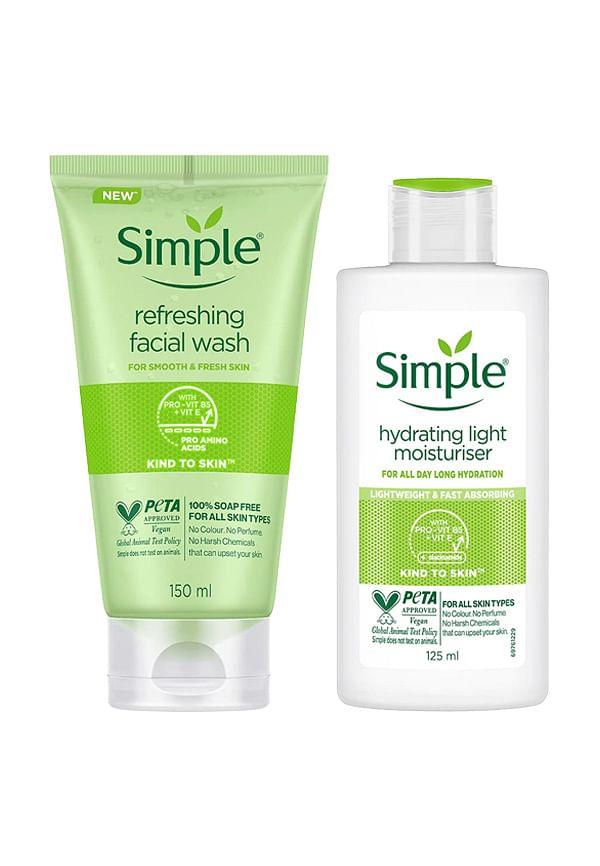
Sensitive Skin Essentials Combo
Great for Sensitive Skin
 5
5“Great product for sensitive skin”
Nice Face Wash & Moisturizer
5“nice face wash and nice moisturizer”
Nice Face Wash & Moisturizer
5“nice face wash and nice moisturizer”
Winter's here, and with it comes that familiar sting of red, irritated skin that seems impossible to calm down. You know the feeling—stepping indoors from the cold only to catch your reflection and see a face that looks like you've been slapped by Jack Frost himself. The combination of harsh winds, plummeting temperatures, and cranked-up heating systems creates the perfect storm for facial redness and skin sensitivity. But here's the thing: you don't have to suffer through another winter looking like a tomato. With the right calming skincare for winter redness approach, you can keep your complexion happy, healthy, and irritation-free all season long.
Let's be real—winter is basically your skin's worst enemy. The cold air outside holds much less moisture than warm air, which means your skin loses hydration faster than you can say "chapped lips." Add indoor heating to the mix, and you've got a recipe for disaster.
When temperatures drop, your blood vessels constrict to preserve body heat, then dilate rapidly when you warm up again. This constant expansion and contraction can leave you with visible redness and broken capillaries. Meanwhile, the lack of humidity in winter air compromises your skin's protective barrier, making it more vulnerable to irritation and inflammation.
Beyond the obvious culprits like wind and cold, there are sneaky triggers you might not have considered:
Hot showers that strip your skin's natural oils
Sudden temperature changes when moving between environments
Wool scarves and synthetic fabrics that irritate sensitive skin
Over-cleansing with harsh products to combat winter dullness
Not all skincare ingredients are created equal, especially when it comes to tackling winter redness. Some can actually make things worse, while others work like magic to calm inflammation and restore your skin's natural balance.
Niacinamide is your skin's best friend during winter months. This form of vitamin B3 reduces inflammation whilst strengthening your skin barrier—basically doing double duty to keep redness at bay. Ceramides work to restore your skin's protective moisture barrier, whilst hyaluronic acid provides deep hydration without any risk of irritation.
Nature's got your back with ingredients like chamomile and calendula extracts, which have been used for centuries to calm irritated skin. Oat extract and colloidal oatmeal are brilliant for immediate relief, whilst green tea and centella asiatica offer powerful antioxidant protection against environmental damage.
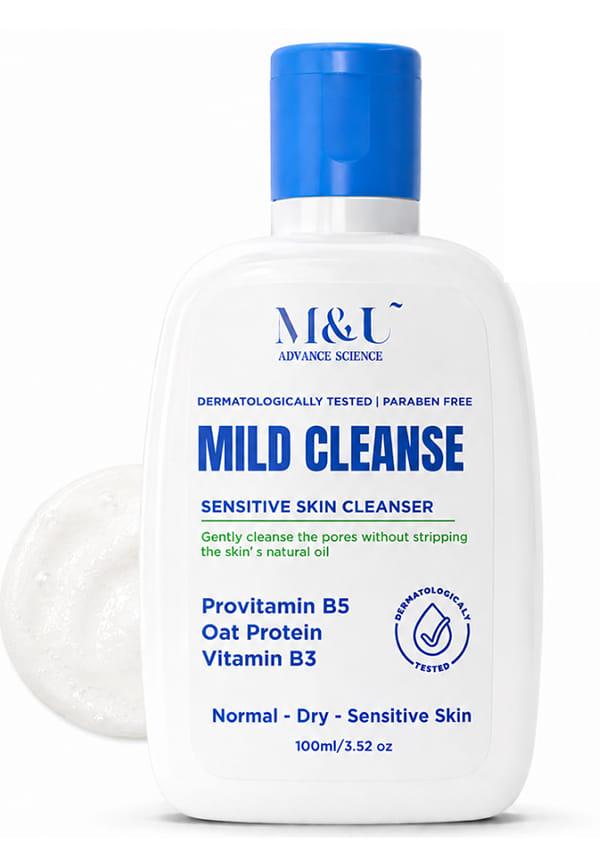
Mild Cleanse Gentle Cleanser for Sensitive Skin
Ready to transform your winter skincare routine and say goodbye to angry, red skin? These seven tips are game-changers that actually work, backed by dermatologists and real people who've been there.
That satisfying foam from your cleanser? It's probably making your redness worse. Foaming agents like sodium lauryl sulphate can strip your skin's natural protective oils, leaving it vulnerable to irritation. Instead, opt for cream or oil-based cleansers that remove impurities without compromising your skin barrier. Look for formulas with gentle skincare ingredients like glycerin or ceramides.
Think of serums as your skin's first aid kit. A calming face serum with hyaluronic acid or niacinamide can penetrate deeper than moisturiser alone, delivering targeted relief where you need it most. Apply your serum to slightly damp skin, then seal it in with your moisturiser. This layering technique creates a moisture sandwich that keeps hydration locked in all day.
Your moisturiser needs to work harder in winter, so choose an anti-redness face cream that's specifically formulated for sensitive skin. Look for ingredients like ceramides, peptides, and botanical extracts that actively calm inflammation whilst rebuilding your skin's protective barrier. Apply in gentle upward motions, and don't forget your neck and décolletage.
UV rays don't take a winter holiday, and they can actually be more intense when reflecting off snow. Choose a mineral sunscreen with zinc oxide or titanium dioxide—these physical blockers are less likely to irritate sensitive skin than chemical sunscreens. Look for formulas that double as moisturisers to streamline your routine.
Counterintuitive as it sounds, gentle exfoliation can actually help with redness by removing dead skin cells that can trap irritants. Salicylic acid (BHA) is brilliant because it's anti-inflammatory, so it calms whilst it exfoliates. Start with once or twice a week, and always follow with a soothing moisturiser.
Sometimes the best irritated skin treatment happens before you even touch your face. Use a humidifier in your bedroom to add moisture back into the air, wrap a silk scarf around your face when outdoors, and avoid sitting directly next to heating vents. These small changes can make a massive difference in preventing redness before it starts.
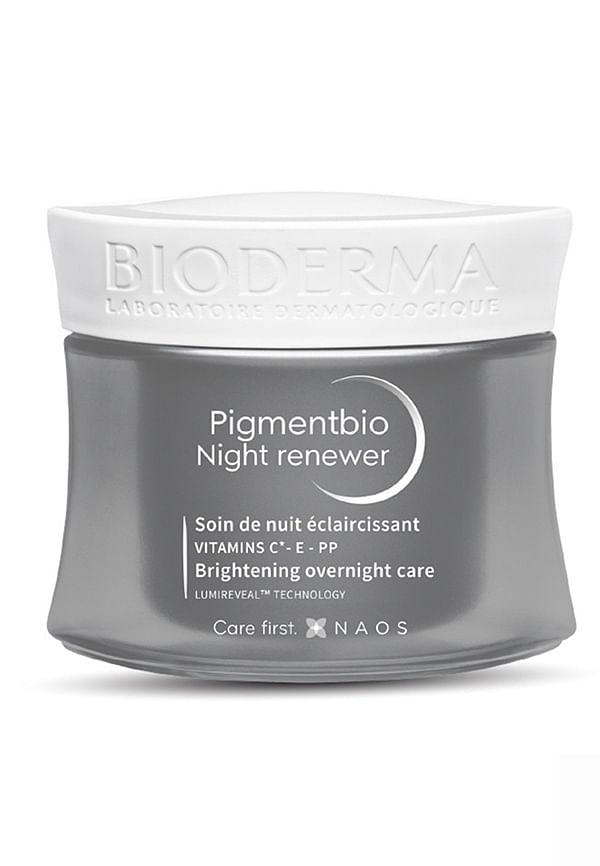
Pigmentbio Night Renewer Brightening Overnight Cream for Dark Spots, Sensitive Skin
Consistency is everything when it comes to calming chronic redness. Your morning routine should focus on protection—gentle cleanser, soothing skincare products, and SPF. Evening is for repair—remove makeup thoroughly, apply your calming serum, and finish with a rich, barrier-repairing moisturiser. Stick to this routine for at least four weeks to see real results.
If you're dealing with rosacea, winter can feel particularly brutal. The condition makes your skin hypersensitive to temperature changes, wind, and even certain skincare ingredients that others might tolerate just fine.
Rosacea skincare requires a more targeted approach than general winter redness. Rosacea typically presents as persistent redness across the central face, often with bumps, burning sensations, or visible blood vessels. If your redness doesn't improve with gentle skincare or seems to worsen with certain triggers, it's worth consulting a dermatologist for proper diagnosis.
For rosacea-prone skin, avoid common winter triggers like hot drinks, spicy foods, and sudden temperature changes. Choose fragrance-free, hypoallergenic products, and always patch-test new items. Consider using a green-tinted primer to neutralise redness before applying makeup.
Creating an effective routine for sensitive skin solutions doesn't have to be complicated. The key is choosing products that work well together and introducing new items gradually to avoid overwhelming your skin.
Start with lukewarm water and a gentle cleanser, follow with a hydrating serum, apply your anti-redness moisturiser, and finish with broad-spectrum SPF. Keep it simple—your skin will thank you for not overloading it with too many active ingredients in the morning.
Evening is when your skin does its heavy lifting in terms of repair. After cleansing, apply any treatment serums, follow with a richer moisturiser than your daytime formula, and consider adding a facial oil if your skin is particularly dry. This is also when you can incorporate gentle exfoliation or targeted treatments.
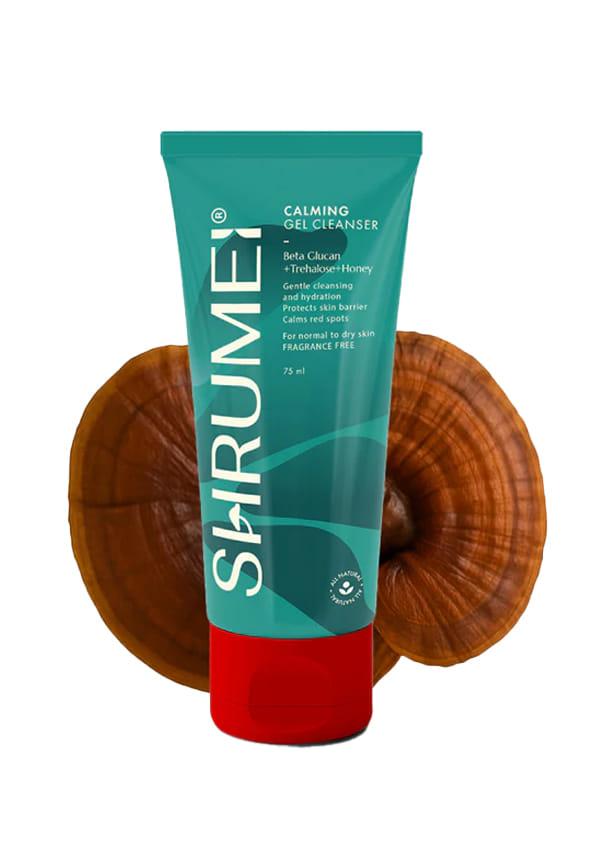
Calming Gel Cleanser
Pleasant Fragrance and Feel
5“currently using this product ,mild fragrance and feels gud”
Finding the right products for your unique skin needs can feel overwhelming, especially when you're dealing with sensitive, redness-prone skin. That's where platforms like Smytten come in handy—with over 1,500 trusted brands including Cetaphil, Dot & Key, and Love, Beauty & Planet, you can try mini-sized versions of dry skin remedies and calming treatments before committing to full-size purchases. Getting up to 8 minis for just ₹249 with 100% cashback makes it much easier to find your perfect winter skincare routine without the financial risk.
For immediate relief, try a cold compress with green tea or apply a product containing niacinamide, aloe vera, or colloidal oatmeal. These ingredients can provide quick anti-inflammatory benefits and visible redness reduction within minutes.
Warm up gradually when coming indoors, apply a barrier cream before going outside, and use a humidifier to add moisture back into the air. Avoid hot showers and opt for lukewarm water instead.
Steer clear of alcohol-based toners, harsh physical scrubs, strong retinoids, and fragranced products. These can further compromise your skin barrier and worsen winter redness.
Absolutely. Consistent use of barrier-repairing ingredients like ceramides and gentle, hydrating products can strengthen your skin over time, making it less reactive to winter triggers.
With consistent care, you should notice some improvement within a week, with significant changes visible after 4-6 weeks of following a proper routine.
Dealing with winter redness doesn't have to be a seasonal struggle you just endure. With the right combination of gentle products, consistent routines, and environmental awareness, you can keep your skin calm and comfortable all winter long. Remember, the key is patience and consistency—your skin didn't become sensitive overnight, and it won't heal overnight either. Start with one or two of these tips, build your routine gradually, and don't be afraid to experiment with different products until you find what works for your unique skin. After all, why settle for red, irritated skin when you can have a healthy, glowing complexion that feels as good as it looks?
