7 Best Anti-Itch Skin Care Tips for Winter


Winter's here, and if you're dealing with that annoying itch that seems to follow you everywhere, you're definitely not alone. The cold months can turn even the most balanced skin into a scratchy, uncomfortable mess. Between the dry air, cranked-up heating, and those sudden temperature changes when you step outside, your skin's basically fighting a losing battle against moisture loss. But here's the thing—you don't have to suffer through months of uncomfortable, itchy skin winter woes. With the right approach to anti-itch skin care in winter, you can keep your skin happy, hydrated, and itch-free all season long.
Let's get real about what's actually happening to your skin when the temperature drops. Winter air holds way less moisture than warmer air—we're talking humidity levels that can plummet to 10% or lower. Add in those toasty indoor heaters running 24/7, and you've got a perfect storm for dry skin relief needs.
Your skin's natural barrier starts breaking down when it can't hold onto moisture properly. This leads to something called xerosis—basically medical speak for really, really dry skin. When your skin gets this dry, nerve endings become more sensitive, triggering that maddening itch sensation that makes you want to scratch until you're raw.
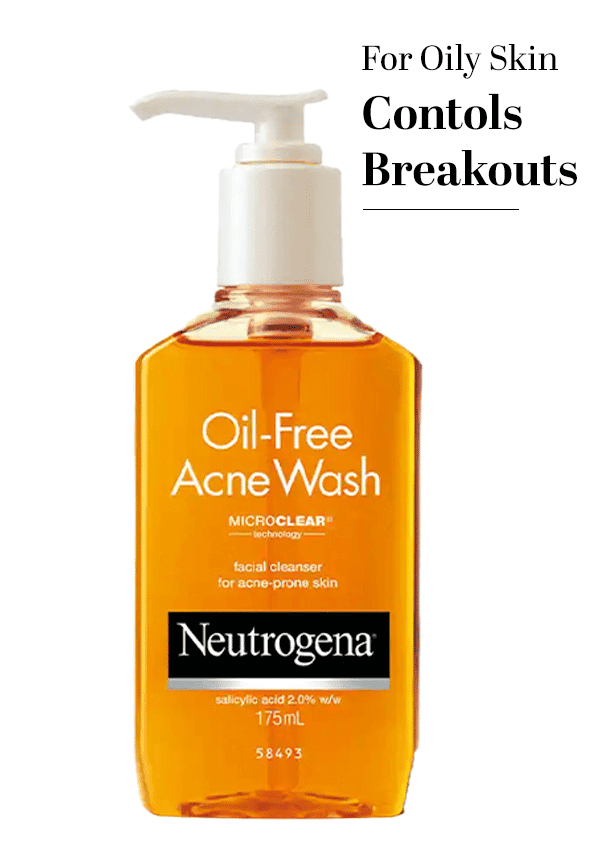
Oil Free Acne Wash For Acne Prone Skin With Salicylic Acid
Reputable Brand for Skin
 5
5“Known brand and known work with skin”
Reputable Brand for Skin
5“Known brand and known work with skin”
Good for Acne Skin
5“best in use for acne skin it helps clean the skin”
The people most likely to experience winter skin problems include anyone over 40 (skin naturally produces less oil as we age), folks with existing conditions like eczema or dermatitis, and those with naturally sensitive skin. Even if you've never had skin issues before, winter can be the season that changes everything.
Ready to tackle that winter itch head-on? These seven strategies will transform your winter skincare routine from basic survival mode to actually thriving through the cold months.
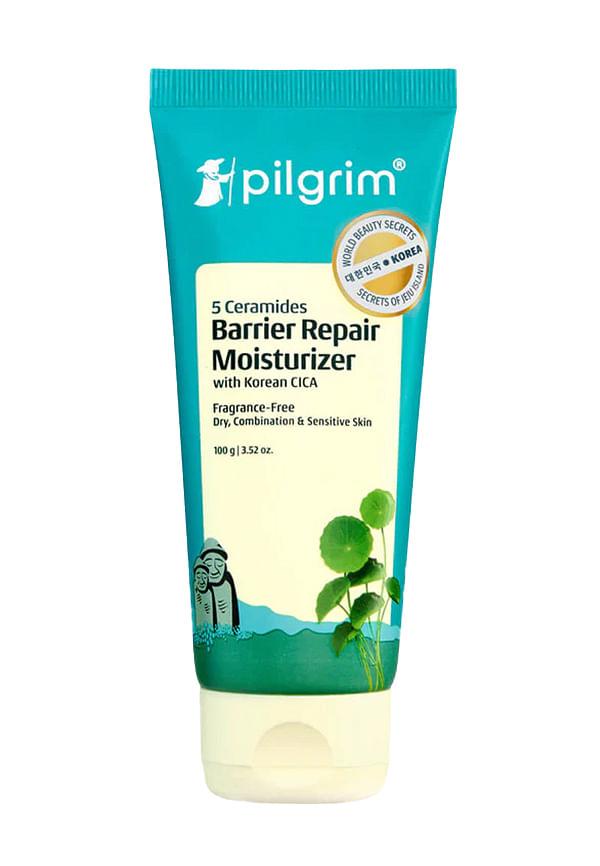
5 Ceramides Barrier Repair Moisturizer with Korean CICA Lightweight & Non-Sticky
Loved the Product
4“I really really loved the product”
Nice Product with Good Texture
5“nice product it have nice texture”
Highly Recommended Product
5“Everyone can buy it.I really enjoyed using it.You can try it once, you will like it.”
First things first—ditch that foaming cleanser that worked fine in summer. Winter calls for gentle, moisturising cleansers that won't strip your skin's natural oils. Look for soap-free, fragrance-free options that actually add moisture while they clean.
Here's where most people mess up: those long, steamy showers feel amazing when it's freezing outside, but they're basically torture for your skin. Hot water strips away your skin's protective oils faster than you can say "winter wonderland." Stick to lukewarm water and keep your shower or bath to 5-10 minutes max. When you're done, pat (don't rub) your skin dry with a soft towel, leaving it slightly damp for the next crucial step.
This is where the magic happens—the famous 3-minute rule. Apply your moisturiser within three minutes of stepping out of the shower or washing your face. Your skin is still damp, which helps trap that extra moisture and gives your products a serious boost in effectiveness.
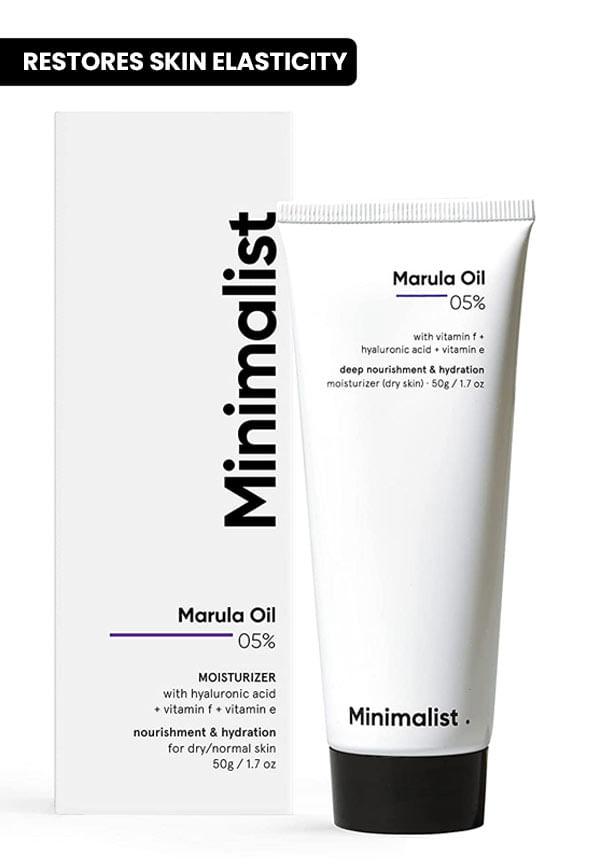
Marula Oil 5% Face Moisturizer For Dry Skin With Hyaluronic Acid
Good Product Quality
5“very good quality of the product”
Good Product Quality
5“very good quality of the product”
Excellent for Normal to Dry Skin
5“Like it .No greasy product..Not oily products.Nj. ithinu 5inu 5kodukum.normal to dry skinu ee minimalist marula oil moisturizer super anu guys.”
Focus on those problem areas that tend to get extra itchy: elbows, knees, heels, and any spots that feel tight or look flaky. These areas have fewer oil glands, so they need extra attention during winter skin hydration routines.
Winter is not the time for lightweight lotions—you need the heavy-duty stuff. Think creams and ointments that feel substantial on your skin. The best anti-itch cream options contain ingredients like ceramides (which help rebuild your skin barrier), hyaluronic acid (a moisture magnet), and glycerin (which draws water from the air to your skin).
For seriously dry patches, petroleum-based ointments like Aquaphor or even plain Vaseline work wonders. They create a protective seal that locks moisture in and irritants out. Just avoid anything with fragrance, alcohol, or harsh chemicals that can make itching worse.
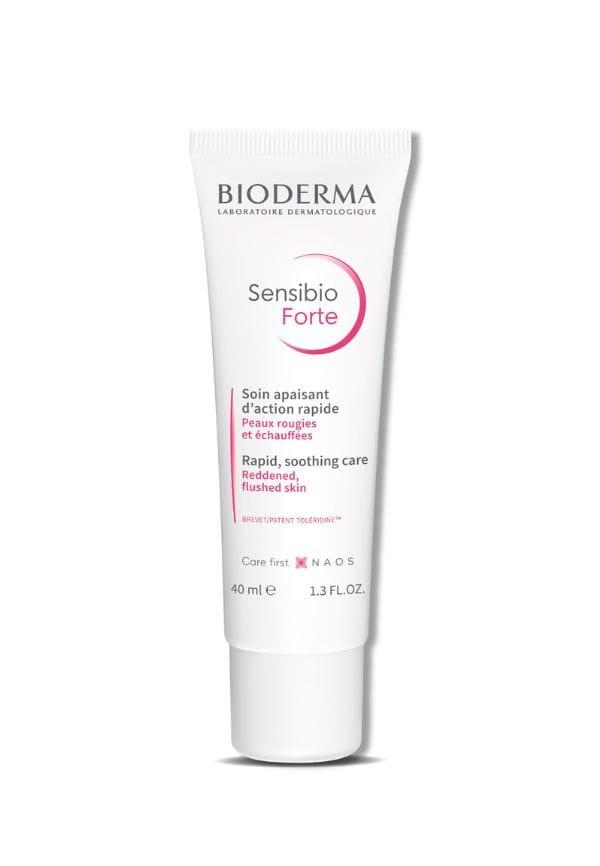
Sensibio Forte
Great Product, Amazing Deal
5“good product .... amazing discount”
Excellent Product
5“it's a good brand. I like the product very very much. don't worry guys go for it without hesitation. thanks smytten fir such a great initiative”
Don't forget to hydrate from the inside too. It's easy to slack on water intake when it's cold, but your skin needs that internal moisture just as much in winter. Aim for at least 8 glasses a day, and consider warm herbal teas as a cosy way to up your fluid intake.
A humidifier is honestly a game-changer for winter skin hydration. Indoor heating can drop humidity levels to desert-like conditions, so adding moisture back into the air helps your skin retain its natural hydration. Aim for 40-60% humidity and place the humidifier in your bedroom for overnight relief.
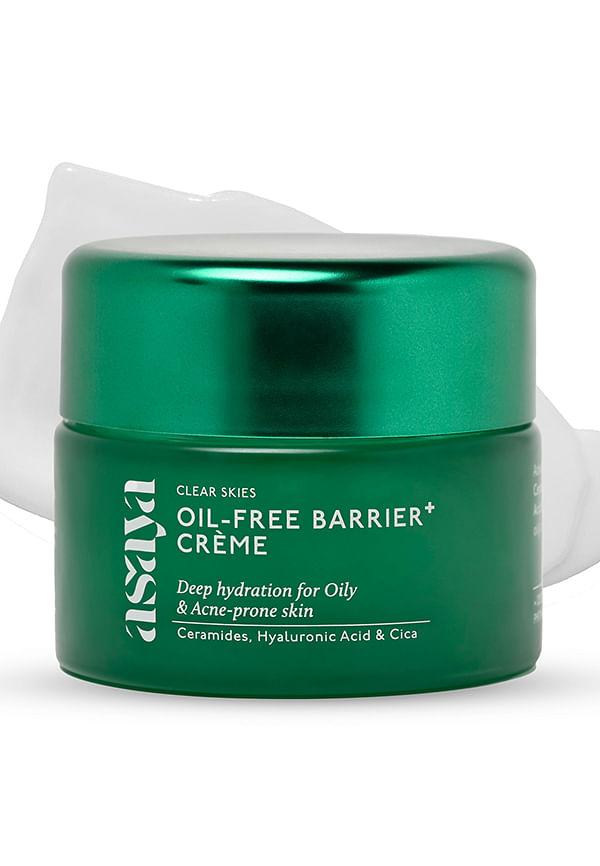
Oil Free Barrier+ Crème
Soothing and Hydrating
5“Provides such a soothing sensation and hydrates at the same time.”
Your clothing choices matter more than you might think. Natural fibres like cotton and silk are gentler on sensitive skin winter conditions, while wool and synthetic materials can be scratchy and irritating. If you love your woolly jumpers, wear a cotton layer underneath to create a barrier.
Don't forget about sun protection either. Winter sun reflecting off snow can be surprisingly harsh, and UV rays can worsen dry, irritated skin. A broad-spectrum SPF 30 should be part of your daily routine, even on cloudy days.
When you need quick relief from itching, reach for soothing skincare ingredients that calm inflammation. Colloidal oatmeal is brilliant for this—it forms a protective film on your skin while reducing inflammation. Aloe vera gel (keep it in the fridge for extra cooling relief) and chamomile-infused products can also provide immediate comfort.
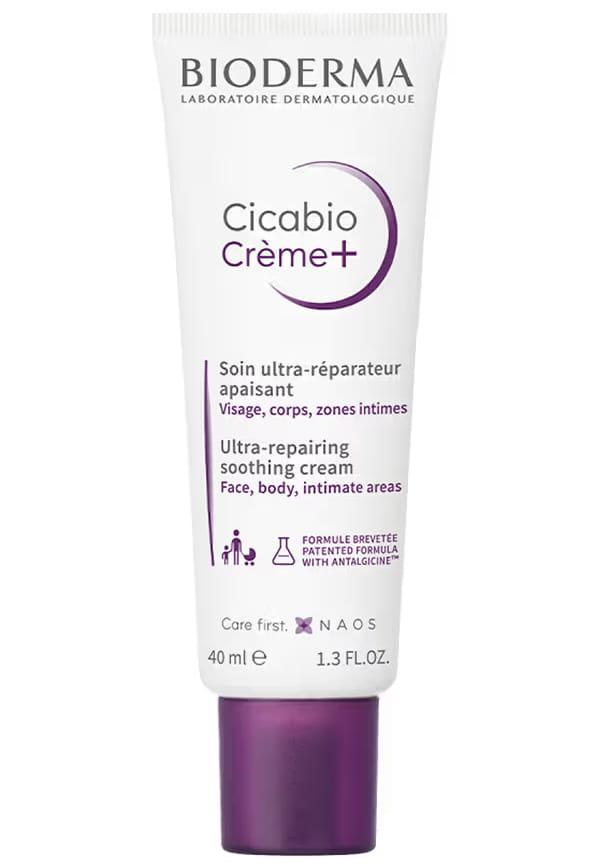
Cicabio Crème + repairing cream
Good Hydration, Waiting for Acne Results
4“its gud hydrating i order fr my acne red spots i dont know yet now its work or not becoz skincare wants 2-3 months to show result ”
Natural oils like coconut, jojoba, and argan oil can be lifesavers for severely dry skin. Apply them to damp skin for better absorption. For stubborn itchy patches, a thin layer of over-the-counter hydrocortisone cream can provide temporary relief, but don't use it for more than a week without consulting a doctor.
If you're dealing with eczema winter flare-ups, small lifestyle tweaks can make a huge difference. Keep your home's heating at a comfortable but not excessive temperature—overheating can trigger itching. Choose breathable bedding materials and wash them in fragrance-free detergent.
Stress can absolutely make itching worse, so don't underestimate the power of good sleep, regular exercise, and stress management techniques. Your skin and your sanity will thank you for it.
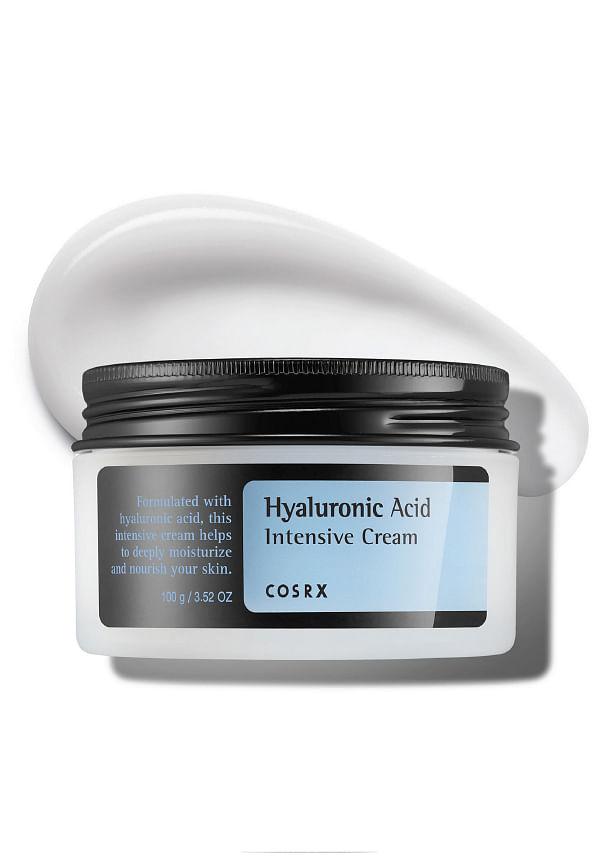
Hyaluronic Acid Intensive Cream
Most itchy skin remedies can be managed at home with consistent care and the right products. Cool compresses, oatmeal baths, and gentle moisturising usually do the trick for mild to moderate winter itch.
However, some symptoms need professional attention. If you're dealing with severe itching that keeps you awake, skin that's cracking or bleeding, signs of infection (warmth, pus, red streaks), or if over-the-counter treatments aren't helping after two weeks, it's time to see a dermatologist. They can prescribe stronger treatments or investigate underlying conditions that might be making your winter skin worse.
Building a winter skin care emergency kit is smart planning. Stock up on gentle cleansers, heavy moisturisers, hydrocortisone cream, and a good humidifier before the cold weather hits. This way, you're prepared when your skin starts acting up, rather than scrambling for solutions when you're already uncomfortable.

Visible Repair Regenerating Cream
Very Nice Products
5“very nice products it is amazing”
Likes Product, Will Rebuy
4“I like this product. I want to buy again.”
Good texture, lightweight retinol
4“good texture. light weight retinol.”
The best approach to winter skin problems is stopping them before they start. Begin transitioning your skincare routine in late autumn—gradually switch to richer products and start using a humidifier before the heating kicks in full-time.
Your diet plays a bigger role than you might expect. Foods rich in omega-3 fatty acids (like salmon, walnuts, and flaxseeds) help maintain your skin's natural oil barrier. Antioxidant-rich foods support overall skin health, while staying hydrated from the inside out keeps your skin more resilient against winter's harsh conditions.
Creating sustainable habits is key to long-term success. Set reminders to moisturise, keep travel-sized products in your bag for touch-ups, and make your evening skincare routine something you actually look forward to. When taking care of your skin becomes second nature, you're much more likely to stick with it through the entire winter season.
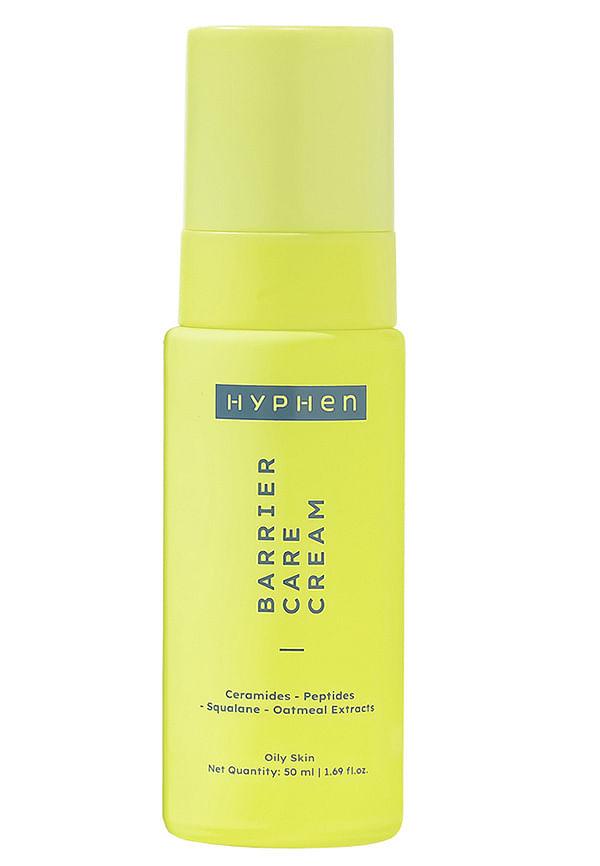
Barrier Care Cream - Oily Skin
Best Product & Brand
5“The best I love this product and brand also”
Heavenly Skin Experience
5“one of the best brand ever feels heaven for skin”
Best for skin
5“best for skin must try this very good”
Finding the right products for your specific skin needs doesn't have to involve expensive trial and error. Platforms like Smytten make it easy to discover what works for your skin through curated trial packs from trusted brands like Cetaphil and Dot & Key. With over 1,500 brands available in mini sizes, you can test different moisturisers, cleansers, and treatments before committing to full-size purchases—perfect for building your ideal winter skincare arsenal.
Focus on gentle cleansing with lukewarm water, apply moisturiser to damp skin within three minutes of washing, use a humidifier to add moisture to indoor air, and try natural oils like coconut or jojoba oil on particularly dry areas. Oatmeal baths and aloe vera gel can provide immediate soothing relief.
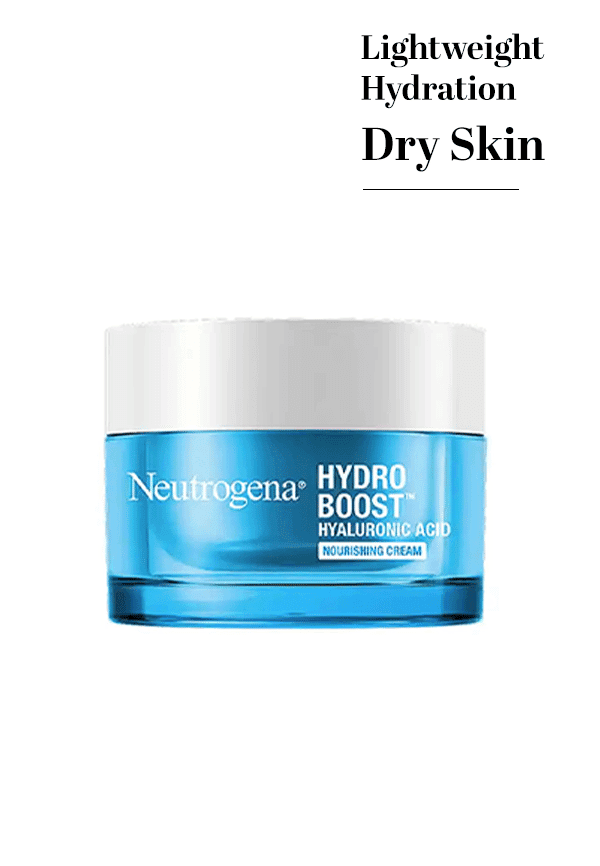
Hydro Boost Hyaluronic Acid Nourishing Cream
Amazing product for skin
5“amazing product for the skin. the barrier really healed”
Amazing Product, Exceeded Expectations
5“Amazing product from Smytten! Quality exceeded expectations and the packaging was beautiful. Loved trying something new without spending too much. Highly recommended for first-time users.”
Highly Hydrating Cream
5“the most hydrating cream for dry skin leaves my skin plump”
Heavy, fragrance-free moisturisers with ceramides, hyaluronic acid, or glycerin work best for winter itch. Popular effective options include products from CeraVe, Cetaphil, and petroleum-based ointments like Aquaphor for severely dry areas.
Yes, Vaseline creates an excellent protective barrier that locks in moisture and prevents further water loss from your skin. It's particularly effective on very dry, cracked areas like heels, elbows, and knees.
Winter's low humidity, combined with indoor heating and temperature fluctuations, strips your skin of its natural moisture. This leads to a compromised skin barrier, making nerve endings more sensitive and triggering widespread itching sensations.
Over-the-counter hydrocortisone cream can provide temporary relief for mild itching. Antihistamines may help if the itching is severe or keeping you awake. For persistent problems, a dermatologist can prescribe stronger topical treatments or investigate underlying conditions.
Most people notice improvement within 1-2 weeks of consistent moisturising and gentle care. However, severely dry or damaged skin may take 4-6 weeks to fully recover and rebuild its protective barrier.
Winter doesn't have to mean months of uncomfortable, itchy skin. With the right combination of gentle cleansing, immediate moisturising, environmental adjustments, and consistent care, you can keep your skin comfortable and healthy all season long. Remember, the key is starting your winter skincare routine before problems begin and being consistent with your approach.
The most important thing is finding products that work specifically for your skin type and concerns. What works for your friend might not work for you, and that's completely normal. Through trial and discovery—whether that's testing different ingredients, adjusting your routine, or exploring new brands—you'll build a winter skincare arsenal that actually delivers results. After all, why settle for uncomfortable, itchy skin when you can find solutions that keep you comfortable and confident all winter long?
