7 Best Acne Skincare Tips for Oily Skin Success


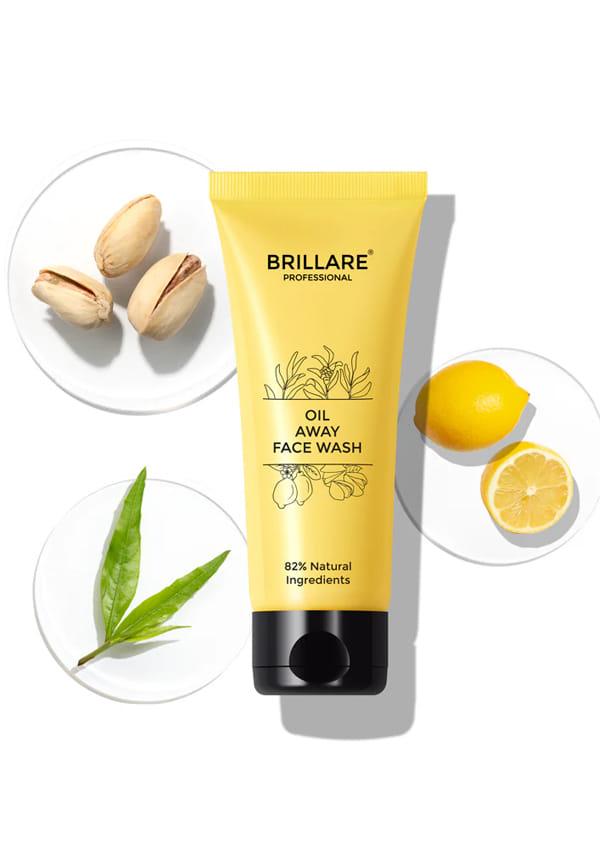
Facewash For Oily, Acne Prone Skin
Love This Product
 5
5“love this product is ordered it everytime”
Brillare Quality Confirmed by Salon Use
5“brillare products r even used in enrich salons so quality n result is confirmed”
New Holy Grail Product
5“This is my new holy grail! It's worth every penny”
Let's be real—dealing with oily, acne-prone skin feels like fighting a battle you never signed up for. One day your skin looks decent, the next it's throwing a proper tantrum with new breakouts appearing overnight. If you've been scrolling through endless skincare advice that promises miracles but delivers disappointment, you're not alone. The truth is, acne skincare for oily skin isn't about harsh scrubs or drying your face into submission. It's about understanding what your skin actually needs and giving it the right kind of attention. Ready to finally crack the code? These seven game-changing tips will help you build a routine that actually works.
Before diving into solutions, let's talk about what's actually happening beneath the surface. Your sebaceous glands are basically tiny oil factories working overtime, producing excess sebum that can mix with dead skin cells and bacteria to create the perfect storm for breakouts. This isn't your fault—genetics, hormones, and environmental factors all play a role in this sebum control skincare challenge.
Here's what many people get wrong: oily skin doesn't mean dirty skin, and stripping away every drop of oil will only make things worse. When you over-cleanse or use harsh products, your skin goes into panic mode and produces even more oil to compensate. It's like your skin is saying, "Help, I'm under attack!" and responds by ramping up oil production.
Most generic skincare routines treat all skin types the same way, but oily, acne-prone skin has specific needs. Your skin requires products that can regulate oil production without causing irritation, unclog pores without over-drying, and provide hydration without adding greasiness.
This might sound counterintuitive, but the best cleanser for oily acne prone skin routine actually starts with oil. Double cleansing involves using an oil-based cleanser first, followed by a water-based cleanser. Think of it as the "like dissolves like" principle—oil dissolves oil, makeup, and sunscreen more effectively than water alone.
For your evening routine, start with a gentle cleansing oil or micellar water to remove the day's buildup. This step ensures your facial cleanser oily skin can actually reach your pores instead of just moving surface grime around.
Morning cleansing should be gentler since you're only removing overnight oil buildup and any products from your evening routine. A single, mild cleanser with salicylic acid or tea tree oil works perfectly.
Salicylic acid penetrates oil and helps unclog pores, whilst benzoyl peroxide targets acne-causing bacteria. Tea tree oil offers natural antibacterial properties without being too harsh. Look for cleansers with these ingredients, but introduce them gradually to avoid irritation.
Creating an oily skin routine that actually works is all about the right products in the right order. Your skin needs consistency and patience—results don't happen overnight, but they do happen with the right approach.
The key to successful oil control skincare lies in layering products from thinnest to thickest consistency, allowing each layer to absorb properly before applying the next.
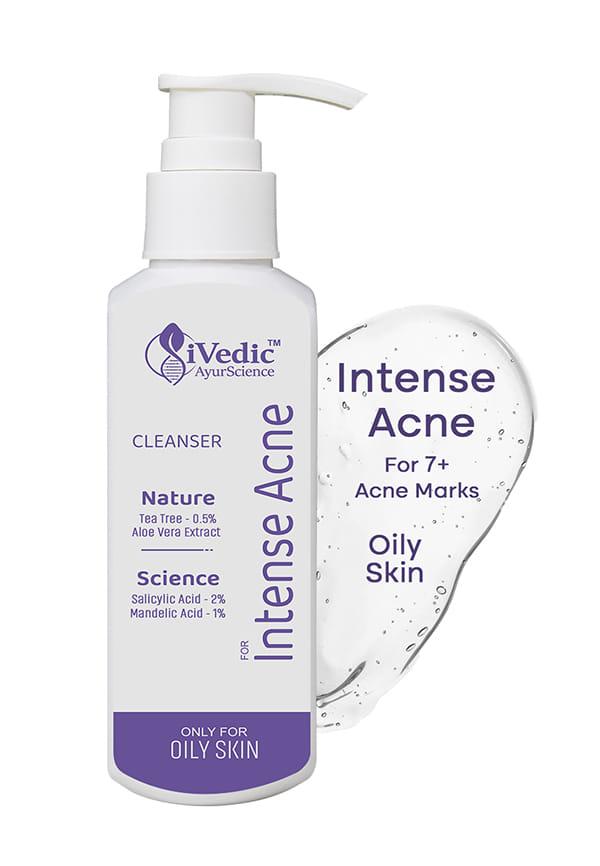
Acne End Face Wash | Only For Oily Skin with Intense Acne
Great Facewash!
5“This is my first time using a facewash other than branded ones ... I really liked the trial version which is why I bought the full size and I'm not disappointed ... Lasts long , clears acne well , it's a rare worth-it gem”
Start with a gentle cleanser, follow with a toner containing niacinamide or witch hazel, apply a lightweight serum with hyaluronic acid, and finish with a non-comedogenic moisturiser and broad-spectrum SPF. This four-step routine takes less than five minutes but makes a massive difference.
Evening routines can be more intensive. Double cleanse, apply a treatment product (like retinol or BHA), use a hydrating serum, apply a slightly richer moisturiser, and add a spot treatment if needed. This six-step routine gives your skin time to repair and regenerate overnight.
Non comedogenic skincare products are formulated specifically not to clog pores, but understanding what this actually means can save you from wasting money on products that don't deliver. The comedogenic scale rates ingredients from 0 (won't clog pores) to 5 (highly likely to clog pores).
When shopping for pore minimizing products, look for labels that specifically state "non-comedogenic" or "won't clog pores." However, remember that everyone's skin reacts differently, so what works for your friend might not work for you.
Niacinamide reduces oil production and minimises pore appearance. Hyaluronic acid provides hydration without heaviness. Zinc oxide offers gentle, non-irritating sun protection. These ingredients consistently perform well for oily, acne-prone skin.
Coconut oil, cocoa butter, and heavy silicones can clog pores for many people with oily skin. Alcohol-based toners might seem like they're helping by removing oil, but they often cause more harm than good by disrupting your skin barrier.
Effective blemish control requires a two-pronged approach: treating existing breakouts whilst preventing new ones. This doesn't mean attacking your skin with every acne-fighting ingredient at once—that's a recipe for irritation and more breakouts.
The best pore minimizing products work by keeping pores clear of debris and oil buildup. Regular exfoliation with BHAs (like salicylic acid) helps remove dead skin cells that can clog pores, whilst niacinamide helps regulate oil production.
Apply spot treatments to clean, dry skin and only on active breakouts. Less is more—a tiny amount of benzoyl peroxide or salicylic acid applied precisely to the blemish works better than slathering it everywhere.

Spotless Anti Acne Face Wash | Only For Oily Skin with Mild Acne
Mild and Good
5“good very mild on skin go for it”
Great Face Wash
5“nice face wash i used it 3 month”
Once or twice weekly, use a clay mask or gentle exfoliating treatment to give your pores a deeper clean. Look for masks containing kaolin clay or charcoal, which absorb excess oil without over-drying.
Skin mattifying products can be game-changers for oily skin, but they need to be used strategically. The goal isn't to eliminate all oil—your skin needs some natural oils to stay healthy—but to control excess shine and create a smooth base for makeup.
Effective sebum control skincare involves using products that regulate oil production rather than just absorbing surface oil. Look for primers and setting products with ingredients like silica, which absorbs oil without caking, or niacinamide, which helps reduce oil production over time.
Blotting papers are your friend, but use them correctly. Gently press the paper against oily areas—don't rub or drag, which can disturb your makeup and spread bacteria.
Start with a mattifying primer, use powder foundation or set liquid foundation with translucent powder, and carry blotting papers for touch-ups. Setting spray can help lock everything in place.
Even with the best intentions, it's easy to make mistakes that can sabotage your progress. Over-cleansing is probably the biggest culprit—washing your face more than twice daily can strip your skin barrier and trigger more oil production.
Skipping moisturiser is another common mistake. Yes, even oily skin needs hydration. When your skin is dehydrated, it compensates by producing more oil. Choose a lightweight, gel-based moisturiser that won't feel heavy or greasy.
Certain ingredients don't play well together. Using retinol and AHAs/BHAs on the same night can cause irritation. Vitamin C and retinol can also conflict. When in doubt, alternate these ingredients or use them at different times of day.
Touching and picking at breakouts introduces bacteria and can cause scarring. If you absolutely must extract a whitehead, do it with clean hands and tools, and follow up with a spot treatment.
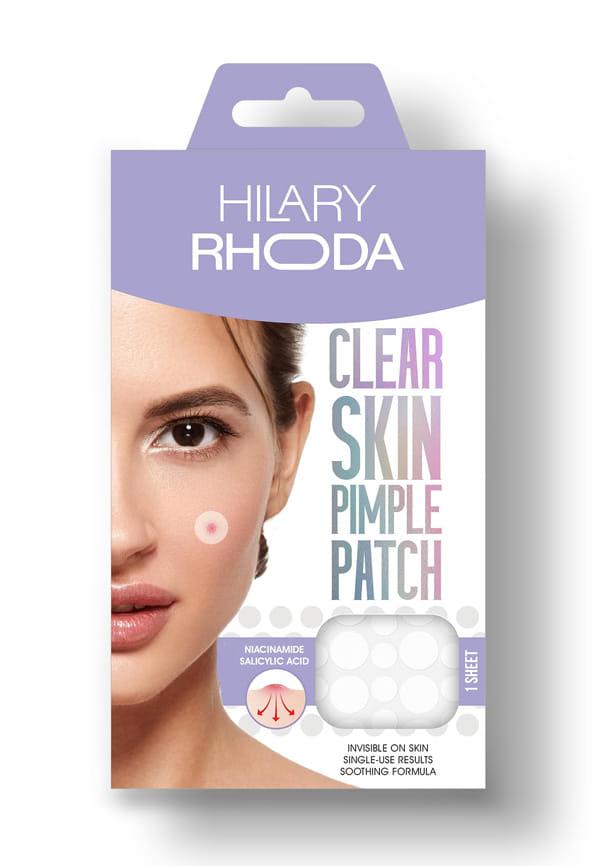
Clear Skin Pimple Patch
Expensive, Low Quantity
5“so expensive price k according quantity km h.”
Here's where things get exciting—finding your perfect routine doesn't have to involve buying full-size products and hoping for the best. With platforms like Smytten, you can explore curated trial packs from trusted brands like Cetaphil, Dot & Key, and Bella Vita without the commitment of full-size purchases.
This approach is particularly valuable for acne treatment oily skin because what works varies so much from person to person. Being able to try different cleansers, serums, and treatments in mini sizes means you can build a routine that's truly tailored to your skin's needs. Plus, with over 1,500 brands available and the ability to get up to 8 minis for just ₹249, you can experiment with different approaches without breaking the bank.
Most people start seeing improvements within 2-4 weeks, but significant changes typically take 8-12 weeks. Your skin needs time to adjust to new products and complete its natural renewal cycle. Be patient and consistent with your routine.
Yes, certain natural ingredients like tea tree oil, honey, and aloe vera have proven benefits for acne-prone skin. However, natural doesn't always mean gentle, so introduce new ingredients gradually and patch test first.
Not necessarily. Some oils, like jojoba or squalane, can actually help balance oil production. The key is choosing non-comedogenic oils and using them in appropriate amounts.
Start with 1-2 times per week and gradually increase if your skin tolerates it well. Over-exfoliation can damage your skin barrier and worsen acne.
Some people experience a "purging" period when starting new acne treatments, especially with ingredients like retinol or BHAs. This typically lasts 4-6 weeks. If breakouts worsen significantly or don't improve after this period, reassess your routine.
Managing oily, acne-prone skin isn't about finding one miracle product—it's about building a consistent routine with the right combination of ingredients that work for your unique skin. Remember, your skin's needs might change with seasons, stress levels, or hormonal fluctuations, so stay flexible and adjust accordingly.
The journey to clearer skin requires patience, but with these seven tips as your foundation, you're well-equipped to build a routine that actually delivers results. Whether you're just starting your skincare journey or looking to refine your existing routine, the key is finding products that work for you specifically. With trial options available through platforms like Smytten, you can discover your perfect routine without the guesswork or financial commitment of full-size products. After all, why settle for maybe when you can try it all and find what truly works for your skin?
