11 Winter Skincare Tips for Dry Skin Hydration


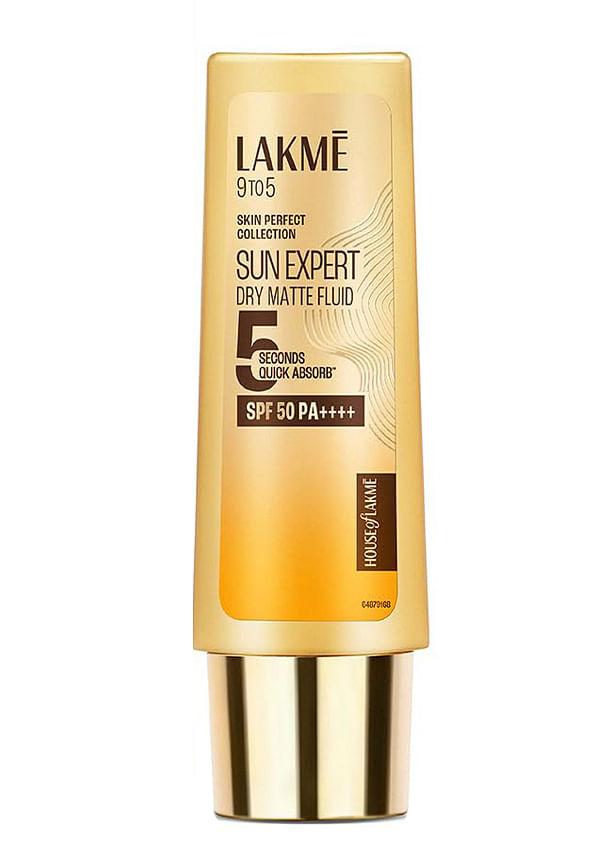
Sun Expert Dry Matte Fluid SPF 50++++ Sunscreen with 1% niac & ceramide, for oily skin
Love Matte Finish Product
 4
4“Love this product so matte finish”
Grateful for Lakme Sunscreen
5“im really grateful to lakme that this sunscreen is better than lot's of sunscreen nowadays in the market i really prefer this to someone of my family member thanks”
Nice, Smooth & Softening
4“It's nice, smooth and makes your skin soft”
Winter's arrival brings cosy jumpers and festive cheer, but it also delivers a harsh reality check for your skin. The combination of plummeting temperatures, indoor heating, and low humidity creates the perfect storm for moisture loss, leaving your skin feeling tight, flaky, and uncomfortably dry. If you've noticed your usual skincare routine isn't quite cutting it anymore, you're not alone—winter demands a completely different approach to hydration.
The good news? With the right dry skin care routine in winter, you can maintain that healthy, supple glow even when the weather outside is frightful. From gentle cleansing techniques to strategic moisturiser layering, these 11 expert-backed tips will transform your winter skincare game. Whether you're dealing with mild dryness or severe flaking, this comprehensive guide covers everything from morning essentials to overnight repair treatments. And with Smytten's extensive collection of winter skincare minis, you can test these recommended products before committing to full sizes—because finding your perfect winter routine shouldn't break the bank.
TL;DR
Winter destroys your skin's natural moisture barrier through low humidity, indoor heating, and temperature fluctuations
A proper dry skin care routine in winter requires gentle cleansing, hydrating serums, rich moisturisers, and consistent SPF protection
Nighttime treatments with facial oils, overnight masks, and comprehensive body care routines provide deep repair while you sleep
Advanced strategies include strategic exfoliation, humidity control, lifestyle adjustments, and emergency treatments for severe dry patches
Consistency is key—these 11 tips work best when implemented as part of a complete winter skincare routine
Understanding why your skin rebels during winter months is the first step towards effective treatment. The science behind winter skin hydration loss reveals a complex interplay of environmental factors that work against your skin's natural protective mechanisms.
When humidity levels drop below 30% (which they often do in winter), your skin loses moisture at an accelerated rate. Indoor heating systems further compound this problem by creating an artificially dry environment that can strip away your skin's natural oils. Temperature fluctuations between cold outdoor air and warm indoor spaces cause your skin barrier to expand and contract, creating microscopic cracks that allow precious moisture to escape.
Recognising the early warning signs of winter skin distress can help you intervene before minor dryness becomes a major concern. Look out for tightness after cleansing, visible flaking, rough texture, and that uncomfortable feeling that no amount of moisturiser seems to fix. When dryness progresses to dermatitis, you'll notice redness, irritation, and potentially even small cracks in the skin—particularly around the mouth, hands, and elbows.
Your morning routine sets the foundation for all-day hydration protection. These first four tips focus on creating a moisture-locking barrier that can withstand winter's harsh conditions while keeping your skin comfortable and healthy-looking.
Swap your foaming cleanser for a cream-based formula that won't strip away essential oils. The key is using lukewarm water—hot water might feel lovely on a cold morning, but it actually damages your skin barrier and increases moisture loss. Look for cleansers with ceramides or glycerin that cleanse whilst adding hydration back into your skin.
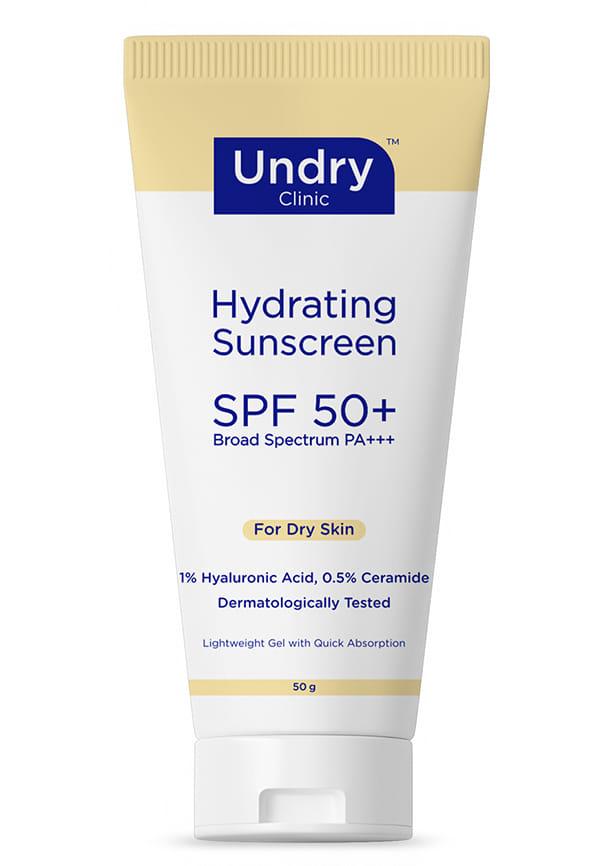
Hydrating Sunscreen for Dry Skin SPF 50
Good Sunscreen for Dry Skin
5“Good sunscreen for dry skin.….”
Good Product
4“Good product and i loved it so much”
Great Sunscreen
4“it's really good, hydrating non greasy sunscreen”
Apply your hydrating serum whilst your skin is still slightly damp from cleansing—this technique, called "wet skin application," helps lock in extra moisture. Hyaluronic acid serums are particularly effective as they can hold up to 1,000 times their weight in water. For best results, pat the serum gently into your skin rather than rubbing, which can cause irritation on already sensitive winter skin.
Winter calls for a heavier moisturiser than you'd typically use in summer. Look for formulas containing ceramides, shea butter, or squalane—ingredients that not only hydrate but also repair your skin barrier. Apply your moisturiser within three minutes of your serum application to seal in all those hydrating layers. Don't forget often-missed areas like your neck, ears, and the delicate skin around your eyes.
UV rays don't take a winter holiday, and snow can actually reflect up to 80% of UV radiation back onto your face. Choose a broad-spectrum SPF 30 or higher that's formulated for dry skin—many winter-appropriate sunscreens contain moisturising ingredients that double as your final hydration layer. Mineral sunscreens with zinc oxide or titanium dioxide are often gentler on winter-compromised skin.
Evening routines offer the perfect opportunity for intensive repair treatments. Your skin's natural renewal process peaks during sleep, making nighttime the ideal window for deeper hydration and barrier restoration.
Start with an oil cleanser to remove SPF, makeup, and daily pollutants without stripping your skin. Follow with a gentle cream cleanser to ensure thorough cleansing whilst maintaining your skin's moisture balance. This two-step process is particularly important in winter when your skin barrier is already compromised and needs extra gentle care.
Nighttime is when you can introduce more intensive treatments. Consider alternating between a nourishing facial oil and a rich night cream throughout the week. Ingredients like niacinamide help strengthen your skin barrier, whilst peptides support overnight repair processes. Sleep masks are another excellent option—they create an occlusive barrier that prevents moisture loss whilst you sleep.
Your face isn't the only area that needs extra attention during winter. Apply body oil or a rich cream immediately after showering whilst your skin is still damp. Pay special attention to areas prone to extreme dryness like elbows, knees, and heels. For severely dry areas, consider using a body oil first, followed by a thick cream to create multiple layers of protection.
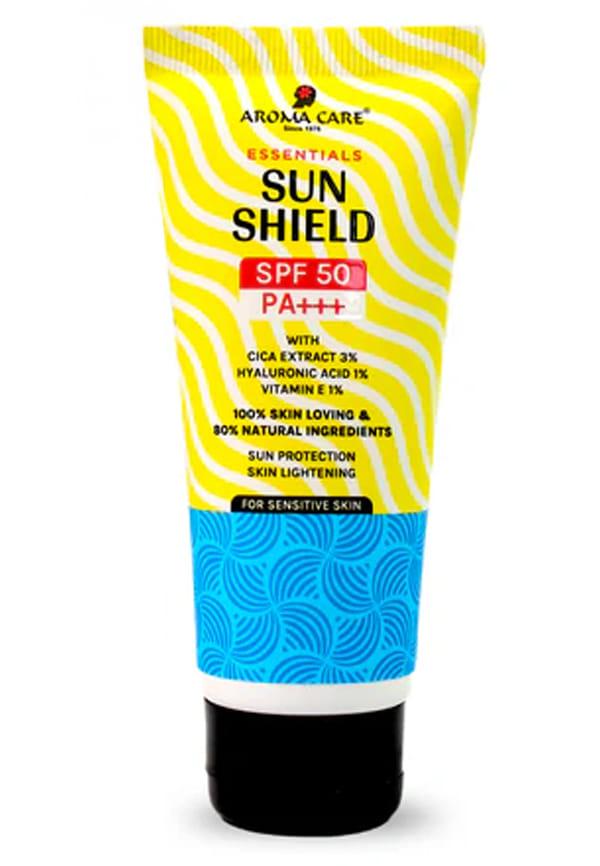
Sun Shield SPF 50 PA+++ With Cica Extract
When basic hydration isn't enough, these advanced strategies address severe dryness and help prevent future moisture loss. These tips are particularly valuable for those dealing with persistent dry patches or skin that seems resistant to traditional moisturising approaches.
Gentle exfoliation helps remove the buildup of dead skin cells that can prevent moisturisers from penetrating effectively. Opt for chemical exfoliants like lactic acid over physical scrubs, which can be too harsh for winter-compromised skin. Limit exfoliation to once or twice weekly, and always follow with a rich moisturiser to prevent over-drying.
Investing in a humidifier can make a significant difference to your skin's comfort levels. Aim for indoor humidity levels between 40-50% to help your skin retain moisture naturally. If a humidifier isn't possible, try placing bowls of water near radiators or hanging damp towels in your bedroom overnight to add moisture to the air.
Small lifestyle changes can have a big impact on your skin's hydration levels. Limit shower time to 5-10 minutes and keep water temperature lukewarm rather than hot. Wear gloves when going outside and choose natural fibres like cotton next to your skin to prevent irritation. Don't forget to drink plenty of water—hydration starts from within, even in cold weather.
For areas of severe dryness or cracking, you may need targeted treatments beyond your regular routine. Look for healing ointments containing ingredients like petrolatum or lanolin for the most compromised areas. Apply these treatments at night and cover with cotton gloves or socks if treating hands or feet. If dryness persists or worsens despite consistent care, consult a dermatologist as you may need prescription treatments.
Sometimes the most effective treatments are hiding in your kitchen cupboard. These natural remedies can complement your regular skincare routine and provide gentle, cost-effective relief for winter dryness.
Honey is a natural humectant that draws moisture from the air into your skin. Mix equal parts honey and oats for a gentle exfoliating mask that removes dead skin whilst adding hydration. Coconut oil can serve as an overnight treatment for extremely dry areas, though patch test first as it can cause breakouts in some people. Avocado masks provide rich nourishment thanks to their natural oils and vitamins.
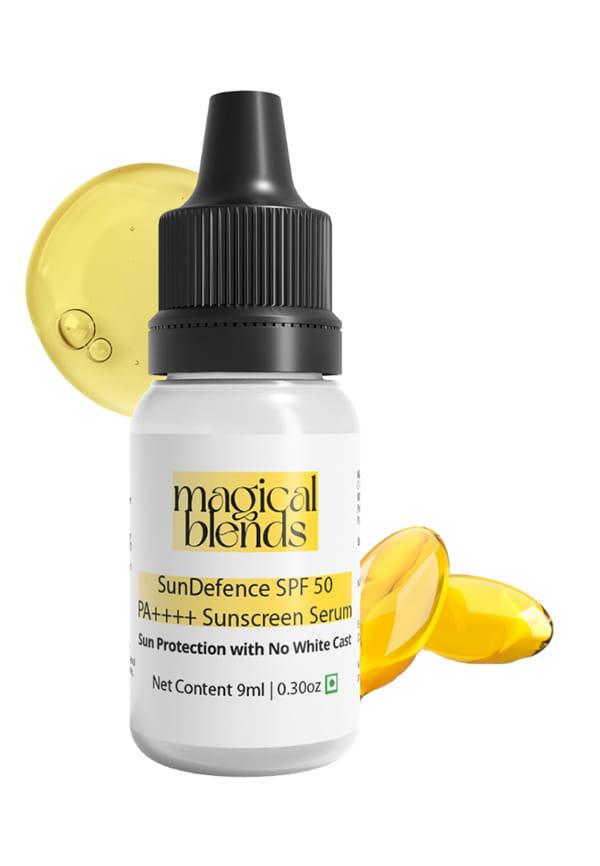
SunDefence SPF 50 PA++++ Sunscreen Serum
Create a spa-like environment by running a hot shower to steam up your bathroom before applying face masks—the humidity helps ingredients penetrate better. Always patch test homemade treatments on a small area first, and avoid combining too many active ingredients which could cause irritation. Remember that natural doesn't always mean gentle, so introduce new treatments gradually.
Apply moisturiser twice daily as a minimum—once in the morning and once at night. If your skin feels tight during the day, you can apply a thin layer of moisturiser over your makeup or reapply if you're not wearing any. Listen to your skin's needs, as some people may require three applications daily during particularly harsh weather.
Whilst it's possible, facial skin is typically more sensitive and may benefit from a lighter, non-comedogenic formula. Body moisturisers are often richer and may clog facial pores. However, if you have very dry skin and your face tolerates body moisturiser well, it can be a cost-effective solution. With Smytten's trial packs, you can test different formulations to find what works best for each area.
Dry skin lacks oil production and feels rough or flaky, whilst dehydrated skin lacks water and may feel tight but still produce oil. Winter weather can cause both conditions simultaneously. Dry skin benefits from oil-rich moisturisers, whilst dehydrated skin needs water-based hydrating serums followed by a moisturiser to lock in hydration.
You don't need to overhaul everything, but key adjustments help. Switch to a gentler cleanser, add a hydrating serum, upgrade to a richer moisturiser, and consider adding a facial oil. Keep products that work well for your skin type, but boost hydration levels across your routine.
Creating an effective dry skin care routine in winter requires understanding that your skin's needs change dramatically with the weather. The combination of gentle cleansing, strategic layering of hydrating products, and consistent protection forms the foundation of healthy winter skin. Remember that consistency trumps perfection—it's better to follow a simple routine religiously than to have an elaborate one you skip regularly.
Environmental factors play a crucial role in your skin's comfort levels, so don't underestimate the power of humidifiers, shorter showers, and protective clothing. When basic hydration isn't enough, targeted treatments for problem areas and gentle exfoliation can help restore your skin's natural balance. Most importantly, listen to your skin and adjust your routine as needed throughout the winter months.
Winter skincare doesn't have to be complicated or expensive to be effective. The key is finding the right combination of products and techniques that work for your unique skin needs. Smytten makes this discovery process both affordable and risk-free with their extensive collection of trial packs from trusted brands like Cetaphil, Dot & Key, and Love, Beauty & Planet. With over 2,400 brands available in mini sizes, you can experiment with different winter skincare formulations without the commitment of full-size purchases. The platform's 100% cashback on trial minis means you can try multiple products to build your perfect winter routine, then seamlessly purchase full sizes of your favourites. After all, why settle for winter skin that's just 'okay' when you can discover products that truly work for you?
