11 Ways SPF Works in Humid Weather: The Science Explained


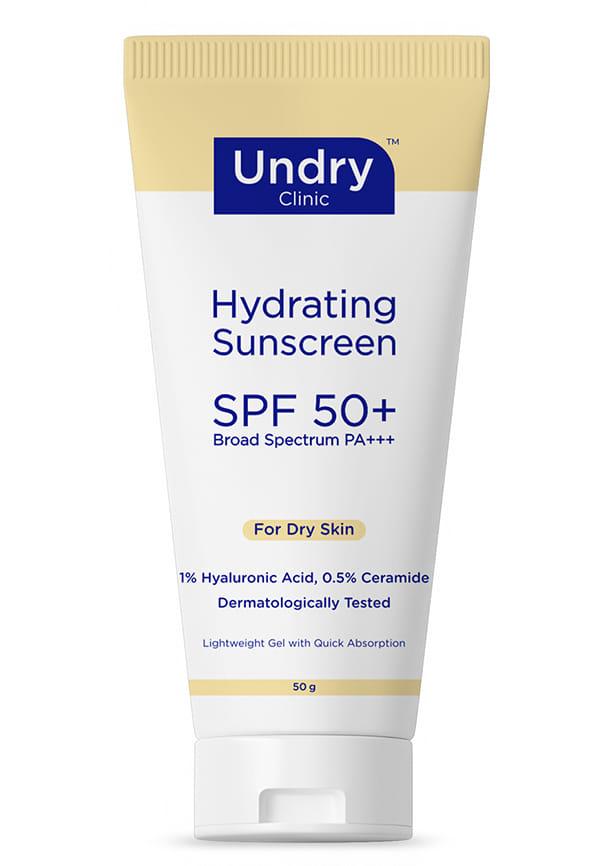
Hydrating Sunscreen for Dry Skin SPF 50
Good Sunscreen for Dry Skin
 5
5“Good sunscreen for dry skin.….”
Good Product
4“Good product and i loved it so much”
Great Sunscreen
4“it's really good, hydrating non greasy sunscreen”
Living in India's humid climate means dealing with sticky summers, monsoon moisture, and that perpetual feeling of needing to reapply everything on your face. But here's something that might surprise you: SPF actually works better in humid conditions than you think. The science behind SPF for humid weather reveals fascinating mechanisms that make sunscreen not just effective, but sometimes even more protective when the air is thick with moisture. Whether you're navigating Mumbai's coastal humidity or Delhi's sweltering summers, understanding how your sunscreen performs in these conditions can transform your skincare routine. Real talk—humidity doesn't have to be your SPF's enemy. From enhanced photostability to improved skin adhesion, there are eleven scientifically-backed ways that quality sunscreen formulations actually thrive in moisture-rich environments. On Smytten, you'll find trial packs of various sunscreens that let you discover which formulations work best for your skin in India's diverse humid climates.
SPF works through eleven distinct scientific mechanisms in humid weather, often performing better than in dry conditions
Humidity enhances sunscreen adhesion, prevents rapid evaporation, and can improve UV filter stability
Sweatproof and water-resistant formulations use polymer science to maintain protection during perspiration
Lightweight, non-greasy sunscreens are specifically engineered to excel in tropical climates
Proper understanding of humid weather SPF science helps you choose and apply sunscreen more effectively
The relationship between humidity and sunscreen effectiveness is more complex than most people realise. When moisture levels rise, several fascinating chemical and physical processes occur that can actually enhance your SPF's protective capabilities.
Humidity doesn't reduce UV radiation intensity—if anything, water droplets in the air can scatter UV rays in multiple directions, potentially increasing exposure from reflected light. This makes proper sun protection even more crucial in tropical climates. The moisture in humid air also affects how UV rays interact with your skin, as hydrated skin can be more susceptible to photodamage if left unprotected.
Chemical sunscreen filters like avobenzone and octinoxate maintain their molecular structure more effectively in humid conditions because moisture prevents them from crystallising or degrading as quickly. Physical sunscreens containing zinc oxide or titanium dioxide benefit from humidity's ability to help these particles distribute more evenly across slightly damp skin, creating better coverage.
The science reveals multiple ways that quality sunscreen formulations not only survive but thrive in humid conditions. Each mechanism demonstrates why dismissing SPF effectiveness in moisture-rich environments is scientifically unfounded.
Photostability refers to how well UV filters maintain their protective properties when exposed to sunlight. In humid conditions, the presence of water molecules can actually shield certain UV filters from degradation. Studies show that some chemical filters like octocrylene demonstrate improved photostability when surrounded by moisture, as water molecules help dissipate heat that would otherwise break down the protective compounds.
Humidity naturally hydrates your skin's surface, creating an optimal environment for sunscreen adhesion. When your skin has adequate moisture, sunscreen spreads more evenly and bonds better with the skin's surface proteins. This enhanced adhesion means your SPF forms a more uniform protective barrier, reducing the likelihood of patchy coverage that could lead to sunburn.
Modern sweatproof sunscreen formulations use sophisticated polymer technology that creates a flexible, breathable film on your skin. These polymers are designed to resist water and sweat while allowing moisture vapour to escape, preventing that suffocating feeling. The science involves cross-linking polymers that maintain their integrity even when exposed to perspiration and high humidity levels.
Lightweight sunscreen for heat utilises smaller molecular structures that don't feel heavy or greasy in humid conditions. These formulations often incorporate volatile silicones that evaporate quickly, leaving behind only the essential UV-protective ingredients. The reduced molecular weight means less product sits on your skin's surface, making it more comfortable in sticky weather while maintaining full protection.
Non-greasy SPF products achieve their texture through careful emulsion science. Oil-in-water emulsions work particularly well in humidity because they allow excess moisture to evaporate while keeping protective ingredients in place. Silicone-based formulations create a matte finish by absorbing excess oils and providing a smooth, non-sticky feel even in high humidity.
Humid conditions naturally soften your skin's outer layer, allowing certain sunscreen ingredients to penetrate more effectively. This doesn't mean the sunscreen disappears—rather, it integrates better with your skin's natural barrier, creating more durable protection. The enhanced penetration also means less product sitting on the surface where it could easily rub off.
Many modern sunscreens include ingredients that help regulate skin temperature. Menthol derivatives, cooling agents, and certain silicones can create a cooling sensation that counteracts the heat retention common in humid weather. This temperature regulation helps maintain the sunscreen's effectiveness while keeping you more comfortable.
The best sunscreen for tropical weather often includes sebum-absorbing ingredients like silica or kaolin clay. These ingredients work synergistically with humidity by absorbing excess oil production triggered by heat and moisture. This dual action prevents the greasy feeling while maintaining UV protection, making it ideal for India's humid climate.
Paradoxically, humidity can extend your sunscreen's wear time by preventing rapid evaporation of key ingredients. In dry conditions, water-based components evaporate quickly, potentially compromising the protective film. Humid air slows this evaporation, allowing your sunscreen to maintain its protective properties for longer periods between applications.
Advanced formulations designed for UV protection for sweaty skin use film-forming technology that creates channels for sweat to escape while maintaining UV coverage. This technology ensures that even when you're perspiring heavily, the protective barrier remains intact. The channels prevent sweat from pooling under the sunscreen, which could compromise adhesion.
Dewy skin sunscreen formulations are specifically engineered to work with your skin's natural moisture and humidity in the environment. These products often contain humectants like hyaluronic acid that draw moisture from the humid air, creating a plumping effect while maintaining sun protection. The result is healthy-looking, glowing skin that's fully protected from UV damage.
Scientific research consistently demonstrates that properly formulated sunscreens maintain their effectiveness in humid conditions. Multiple studies have examined how different formulations perform across various climate conditions, providing valuable insights for consumers in tropical regions.
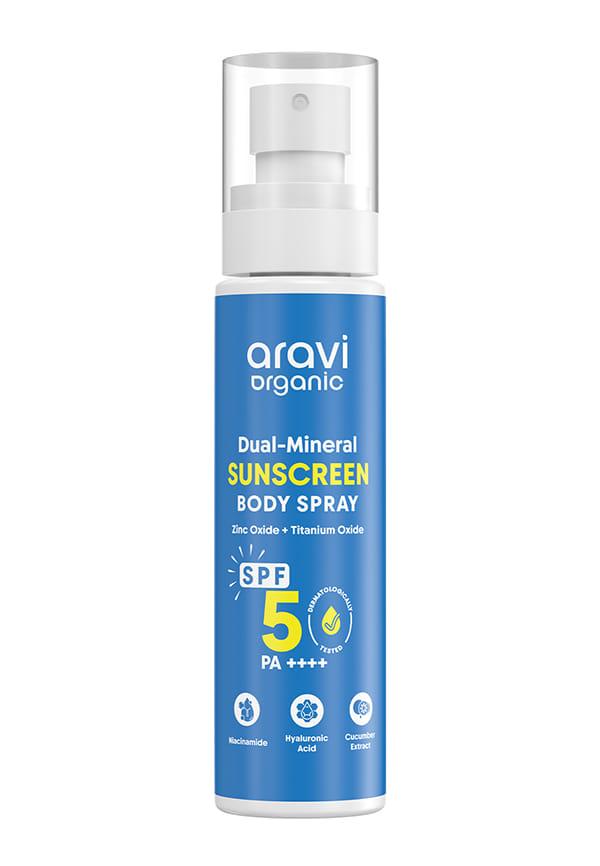
Dual Mineral Sunscreen Body Spray with SPF 50 PA++++, Zinc Oxide & Titanium Dioxide
Research published in dermatological journals shows that water-resistant sunscreens maintain at least 80% of their SPF rating even after 80 minutes of water exposure or heavy sweating. Studies conducted in tropical climates like those found in Southeast Asia and India demonstrate that modern sunscreen formulations can withstand high humidity levels without significant degradation in protective capabilities.
Field studies conducted in cities like Mumbai, Chennai, and Kolkata reveal that participants using appropriate sunscreen formulations showed significantly less UV damage compared to those using inadequate protection. These real-world conditions provide more accurate data than laboratory testing alone, confirming that SPF in humid climates works effectively when properly applied and reapplied.
Understanding skincare science SPF helps you make informed decisions about which products will work best in your specific climate conditions. The key lies in matching formulation technology with your environment and skin type.
Zinc oxide and titanium dioxide excel in humid conditions because they're photostable and don't break down when exposed to moisture. Chemical filters like avobenzone work well when combined with photostabilising ingredients. Look for formulations that include film-forming polymers and water-resistant technology for optimal performance in humidity.
Gel-based sunscreens often perform exceptionally well in humid weather because they dry quickly and don't feel heavy on the skin. Water-based formulations are generally preferable to oil-based ones in tropical climates, as they're less likely to feel greasy or cause breakouts when combined with natural skin oils and sweat.
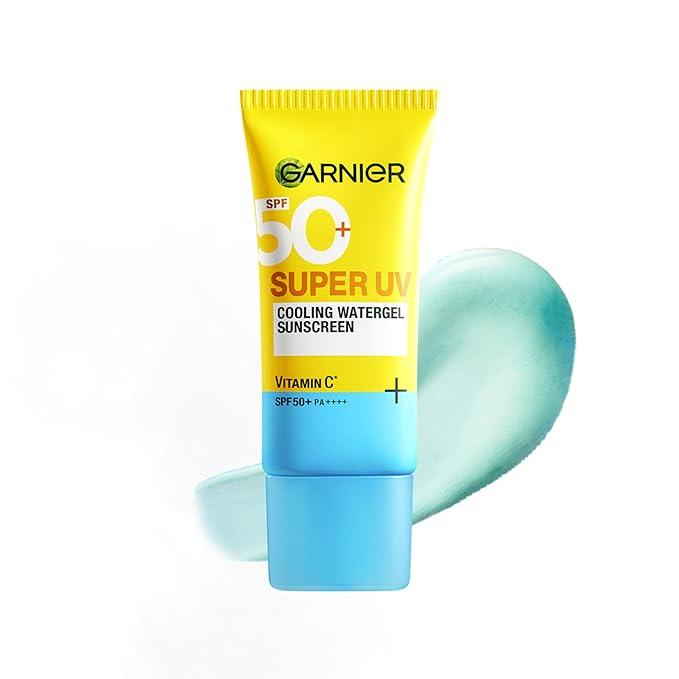
The Garnier Super UV Cooling Watergel Sunscreen exemplifies how modern formulations address humid weather challenges, combining broad-spectrum protection with a lightweight, cooling gel texture that doesn't feel heavy or sticky even in India's most humid conditions. This type of innovative formulation demonstrates how skincare science has evolved to meet the specific needs of tropical climates, offering effective UV protection without compromising comfort.
Proper application becomes even more critical in humid conditions. Apply sunscreen to clean, dry skin 15-30 minutes before sun exposure to allow proper film formation. In humid weather, you may need to reapply every 2-3 hours rather than the standard 4 hours, especially if you're sweating heavily or spending time outdoors.
Several persistent myths about sunscreen effectiveness in humid conditions continue to circulate, despite scientific evidence to the contrary. Understanding the facts helps you make better decisions about sun protection.
This myth stems from experiences with older formulations that weren't designed for humid conditions. Modern water-resistant and sweatproof sunscreens are specifically engineered to maintain their protective properties even during heavy perspiration. The key is choosing products with appropriate water resistance ratings and reapplying as directed.
While higher SPF provides more protection, the difference between SPF 30 and SPF 50 is relatively small (97% vs 98% UV blocking). In humid conditions, factors like water resistance, photostability, and comfortable wear become more important than extremely high SPF numbers. SPF 30-50 is generally optimal for most people in tropical climates.
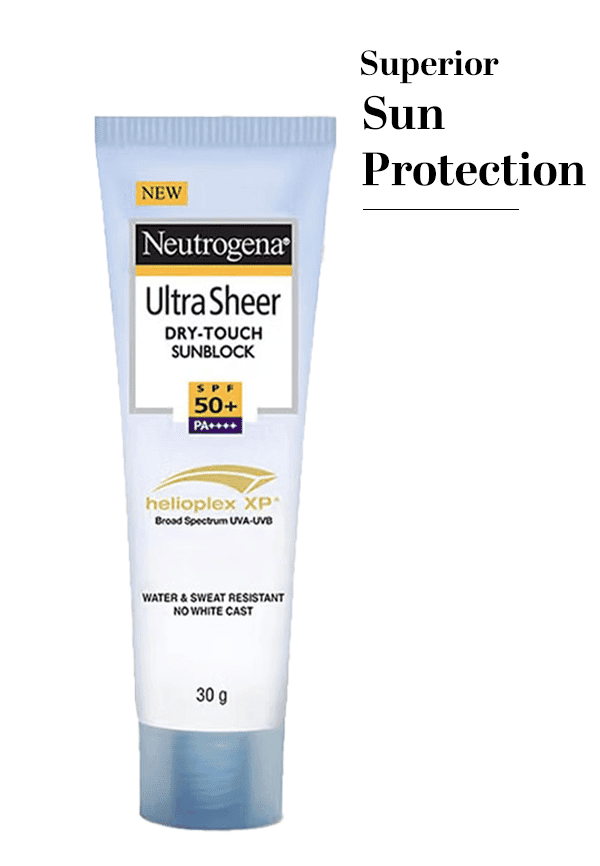
Ultra Sheer Dry Touch Sunscreen SPF 50+
Smooth Application & Quick Absorption
5“smooth liquidy application and quick absorption”
Smooth Application & Quick Absorption
5“smooth liquidy application and quick absorption”
Smooth Application & Quick Absorption
5“smooth liquidy application and quick absorption”
Some people believe that humid air blocks UV rays, but this is scientifically incorrect. While clouds can reduce UV intensity, humidity itself doesn't provide meaningful sun protection. Water droplets in humid air can actually scatter UV rays, potentially increasing exposure from multiple angles.
Sunscreen doesn't protect from humidity itself, but quality formulations work effectively in humid conditions by maintaining UV protection despite moisture and sweat. The key is choosing products specifically designed for tropical climates.
SPF measures how much UV radiation is required to cause sunburn on protected skin compared to unprotected skin. The protection works through UV absorption by chemical filters and reflection/scattering by physical filters like zinc oxide and titanium dioxide.
Chemical sunscreens need 15-30 minutes to penetrate the skin and form protective bonds with skin proteins. Physical sunscreens work immediately upon application but benefit from even distribution and proper film formation.
In humid conditions with heavy sweating, reapply every 2-3 hours rather than the standard 4 hours. Water-resistant formulations may last longer, but frequent reapplication ensures optimal protection. You can trial different sunscreen formulations on Smytten to find ones that work best for your reapplication schedule.
Water-resistant sunscreens maintain their SPF rating for 40-80 minutes of water exposure, while sweatproof formulations are designed to resist perspiration specifically. Both use similar polymer technology but may have different performance characteristics in humid conditions.
Yes, humidity can enhance sunscreen performance by improving skin adhesion, preventing rapid evaporation of key ingredients, and maintaining optimal conditions for certain UV filters. This is why many people find their sunscreen works better in humid climates than expected.
The science behind SPF for humid weather reveals that modern sunscreen formulations are remarkably well-suited to tropical climates. Rather than being hindered by humidity, quality sunscreens often perform better in moisture-rich environments due to enhanced adhesion, improved photostability, and extended wear time. The eleven mechanisms we've explored demonstrate that concerns about sunscreen effectiveness in humid weather are largely unfounded when using appropriate products.
Success in humid climates comes down to choosing the right formulation—lightweight, water-resistant products with proven tropical weather performance. Understanding how sweatproof technology, non-greasy formulations, and UV protection for sweaty skin work helps you make informed decisions about your sun protection routine.
Remember that reapplication remains crucial regardless of how well your sunscreen performs in humidity. The combination of proper product selection, correct application technique, and consistent reapplication provides optimal protection in India's diverse humid climates.
Navigating sun protection in humid weather doesn't have to be a compromise between comfort and effectiveness. With the right knowledge and products, you can maintain excellent UV protection while feeling comfortable in tropical conditions. Smytten's extensive collection of trial packs lets you experiment with different sunscreen formulations to find what works best for your skin in humid climates. With over 28 million users discovering products through authentic brand-verified minis, you can try before you buy and find your perfect humid weather SPF match. The platform's 100% cashback on trials makes it affordable to test multiple formulations until you discover the one that keeps you protected and comfortable, no matter how sticky the weather gets. After all, why settle for maybe when you can #TryItAll and find the sunscreen science that works perfectly for your humid climate needs.
