11 Best Remedies for Scalp Redness and Irritation Relief


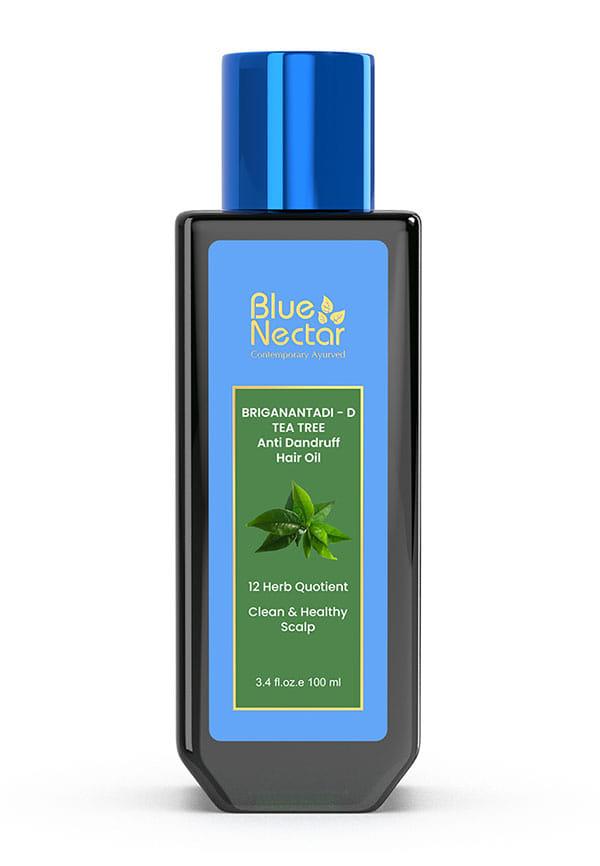
Tea Tree Anti Dandruff and Healthy Scalp Oil 12 Herbs
That burning, itchy sensation on your scalp isn't just uncomfortable—it's your skin crying out for help. Whether you're dealing with post-gym redness, winter dryness, or those mysterious flare-ups that seem to appear out of nowhere, scalp irritation affects millions of us daily. The good news? You don't have to suffer through another day of constant scratching and discomfort. From gentle home remedies that work with ingredients already in your kitchen to targeted treatments that address the root cause, there are proven solutions for every type of scalp sensitivity. At Smytten, we've seen countless users discover their perfect scalp-soothing routine through trial-sized products, allowing them to test what works without the commitment of full-size purchases. Ready to transform your scalp from irritated to comfortable? Let's explore eleven evidence-based remedies that actually deliver results.
TL;DR
Scalp redness stems from various causes including seborrheic dermatitis, product sensitivity, and environmental factors
Natural remedies like coconut oil, aloe vera, and tea tree oil provide gentle relief for mild irritation
Medicated treatments with zinc pyrithione, ketoconazole, or selenium sulfide target persistent scalp inflammation
Quick relief methods include cold compresses and gentle cleansing for immediate comfort
Prevention involves identifying triggers, maintaining proper scalp hygiene, and choosing suitable products
Before diving into solutions, it's crucial to understand what's actually happening beneath those irritated patches. Scalp redness rarely appears without reason—it's typically your skin's inflammatory response to specific triggers that disrupt its natural barrier function.
Seborrheic dermatitis tops the list of common culprits, causing those telltale red, flaky patches that seem to worsen during stressful periods. This condition thrives when Malassezia yeast overgrows on your scalp, particularly in areas rich in sebaceous glands. Product allergies and chemical sensitivities follow closely behind—that new shampoo or styling product might contain sulfates, fragrances, or preservatives that your scalp simply can't tolerate.
Environmental factors play a significant role too. Air conditioning strips moisture from your scalp during summer months, while winter heating systems create the perfect storm for dry scalp redness. Hormonal fluctuations, especially during menstruation or pregnancy, can trigger sudden sensitivity in previously calm scalps.
Oily scalps tend to develop redness around the hairline and crown, often accompanied by yellowish scales. Dry scalps present with tight, flaky patches that feel rough to the touch. Seasonal variations matter too—your scalp might be perfectly balanced in autumn but turn sensitive come monsoon humidity or winter dryness.
Sometimes the most effective solutions come from nature's pharmacy. These gentle remedies work by reducing inflammation, restoring moisture balance, and supporting your scalp's natural healing processes.
Coconut oil's lauric acid content makes it a powerhouse for calming scalp inflammation. This medium-chain fatty acid penetrates deeply into skin cells, reducing redness while creating a protective barrier against further irritation. Warm a tablespoon of virgin coconut oil between your palms and gently massage into affected areas. Leave for 30 minutes before washing with a gentle shampoo.
Your scalp's natural pH sits around 4.5-5.5, but harsh products can push it into alkaline territory, triggering irritation. Apple cider vinegar helps restore this delicate balance whilst providing antimicrobial benefits. Mix one part ACV with three parts water for sensitive scalps, or use a 1:2 ratio for more resilient skin.
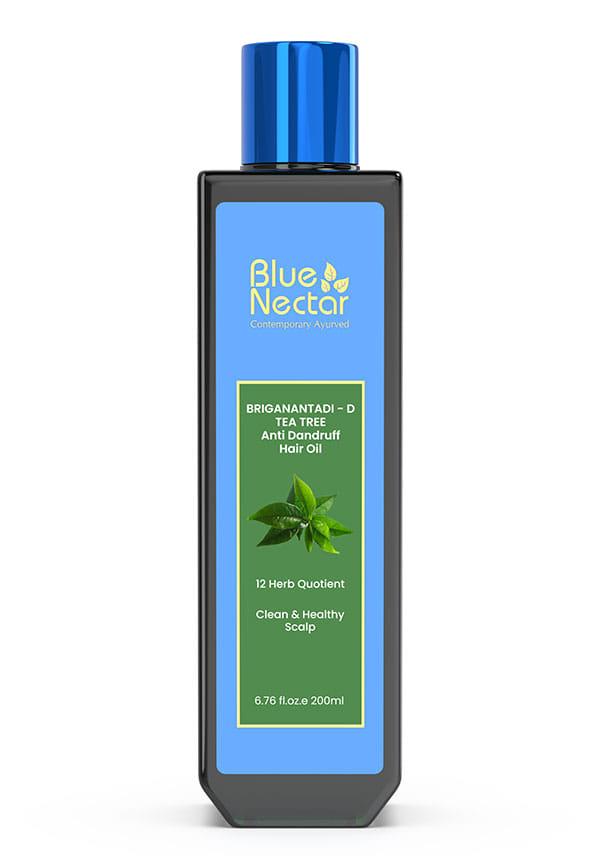
Tea Tree Anti Dandruff and Healthy Scalp Oil 12 Herbs
Fresh aloe vera gel provides instant cooling relief for inflamed scalps. Its anti-inflammatory compounds, including acemannan and gibberellins, work quickly to reduce redness and discomfort. Apply pure aloe gel directly to affected areas, leave for 20 minutes, then rinse with cool water.
Tea tree oil's terpinen-4-ol component may help target the fungal overgrowth often responsible for scalp irritation. However, this potent essential oil requires proper dilution—mix 2-3 drops with a tablespoon of carrier oil like jojoba or sweet almond. Always patch test first, as some people experience sensitivity to tea tree oil.
Colloidal oatmeal contains avenanthramides, compounds that reduce inflammation whilst gently removing dead skin cells. Blend half a cup of oats into a fine powder, mix with enough water to form a paste, and apply to damp scalp. Massage gently for 2-3 minutes before rinsing thoroughly.
When natural remedies aren't enough, medicated treatments provide targeted relief for persistent scalp inflammation. These scientifically-formulated solutions address specific causes of redness and irritation.
Shampoos containing zinc pyrithione work by disrupting fungal cell membranes, effectively controlling the Malassezia yeast that contributes to seborrheic dermatitis. Look for shampoos containing 1-2% zinc pyrithione for optimal results. Use 2-3 times weekly initially, then reduce to once weekly for maintenance.
Ketoconazole shampoos offer stronger antifungal action for stubborn scalp conditions. Available in 1% over-the-counter formulations or 2% prescription strength, ketoconazole penetrates deeply to eliminate fungal overgrowth. Use twice weekly for 4-6 weeks, then once weekly to prevent recurrence.
Selenium sulfide combines antifungal properties with gentle exfoliation, making it particularly effective for thick, scaly patches. This ingredient slows skin cell turnover whilst reducing fungal populations. Apply to damp scalp, leave for 5 minutes, then rinse thoroughly to prevent staining.
For those seeking comprehensive scalp care, these advanced approaches combine multiple therapeutic benefits to address inflammation from various angles.
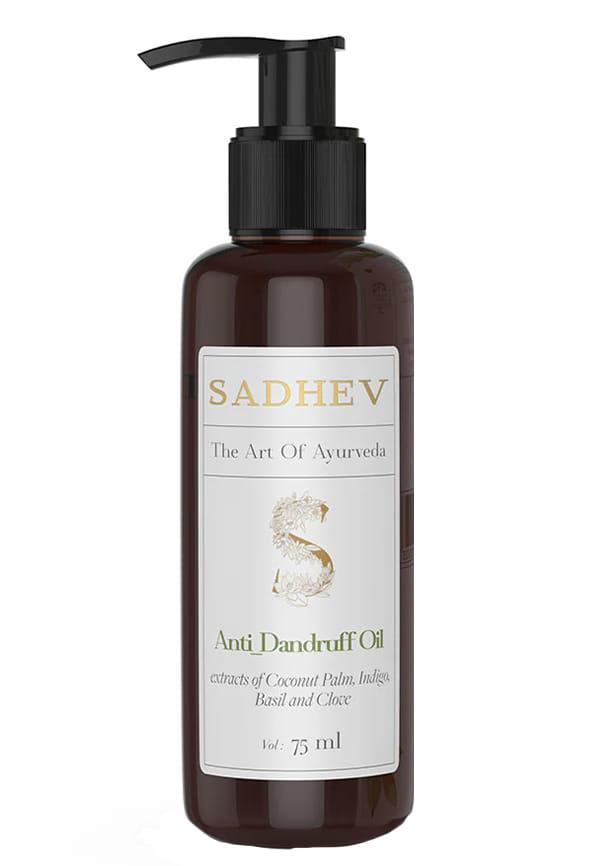
Ayurvedic Anti - Dandruff Oil - Coconut, Holy Basil & Clove 75 ml
Peppermint oil provides an immediate cooling sensation that helps distract from itching whilst improving circulation to the scalp. Lavender oil offers both anti-inflammatory and stress-reducing benefits, making it particularly valuable for stress-related scalp issues. Create a custom blend using 2 drops each of peppermint and lavender oil in 2 tablespoons of carrier oil.
The gut-scalp connection plays a crucial role in inflammatory conditions. Incorporating probiotic-rich foods like yoghurt, kefir, and fermented vegetables can help balance your microbiome, potentially reducing scalp inflammation from within. Anti-inflammatory foods such as fatty fish, leafy greens, and berries provide additional support.
Light therapy treatments use specific wavelengths to reduce inflammation and promote healing. Prescription topical treatments containing corticosteroids provide rapid relief for severe flare-ups, though they're typically used short-term. Professional scalp massage techniques improve circulation and help distribute natural oils evenly.
When scalp irritation strikes suddenly, these emergency techniques provide rapid relief whilst you implement longer-term solutions.
Cold compresses offer immediate relief by numbing nerve endings and reducing inflammation. Wrap ice cubes in a clean cloth and apply to affected areas for 10-15 minutes. If you suspect a product reaction, immediately rinse your scalp with cool water to remove any remaining irritants.
Morning scalp care should focus on protection—apply a lightweight, fragrance-free leave-in treatment if your scalp feels tight or sensitive. Evening routines allow for more intensive treatments like oil massages or medicated applications. Avoid layering multiple active products, which can overwhelm sensitive scalps.
Prevention remains the most effective approach to scalp health. By identifying and avoiding triggers whilst maintaining consistent care routines, you can keep irritation at bay.
Stress management plays a crucial role in scalp wellness—chronic stress can trigger inflammatory responses that manifest as scalp irritation. Regular exercise, adequate sleep, and stress-reduction techniques like meditation can significantly impact your scalp's health. Environmental protection involves wearing hats in harsh weather and using humidifiers during dry seasons.
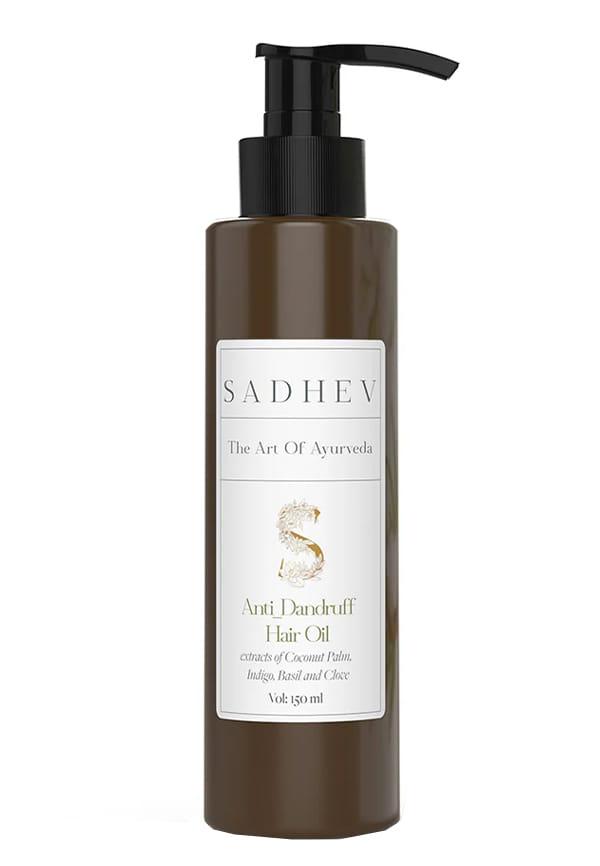
Ayurvedic Anti - Dandruff Oil - Coconut, Holy Basil & Clove 150ml
Seek professional help if redness persists despite consistent treatment, spreads beyond the scalp, or is accompanied by hair loss. Sudden onset of severe symptoms, especially with fever or swollen lymph nodes, requires immediate medical attention. Treatment-resistant cases may indicate underlying conditions that need prescription intervention.
Real talk: combining gentle cleansing with anti-inflammatory ingredients like coconut oil, aloe vera, and properly diluted tea tree oil can help. Consistency is key—natural remedies typically show improvement within 1-2 weeks of regular use. Focus on identifying and avoiding triggers whilst supporting your scalp's natural healing processes. Your skin will notice the difference!
For persistent redness caused by fungal overgrowth, medicated shampoos containing zinc pyrithione, ketoconazole, or selenium sulfide are often most effective. For milder irritation, natural remedies like aloe vera gel and coconut oil provide gentle yet effective relief without harsh side effects.
Yes, coconut oil's anti-inflammatory properties help soothe redness whilst repairing the skin barrier and providing moisture protection. Its lauric acid content offers antimicrobial benefits, making it particularly useful for scalps prone to fungal issues. Always use virgin, unrefined coconut oil for best results.
Absolutely! Smytten's trial packs let you test various scalp treatments from trusted brands like WishCare and Brillare before committing to full-size purchases. This approach is particularly valuable for sensitive scalps, as you can identify which ingredients work best for your specific concerns without wasting money on products that might cause further irritation. It's like having a knowledgeable friend guide your choices!
Natural remedies typically show improvement within 1-2 weeks of consistent use, whilst medicated treatments may provide relief within 3-7 days. However, complete healing often takes 4-6 weeks, depending on the underlying cause and severity of inflammation. Patience and consistency are crucial for lasting results.
Scalp redness and irritation respond well to targeted treatment when you understand the underlying causes. Natural remedies like coconut oil, aloe vera, and tea tree oil provide gentle relief for mild cases, whilst medicated treatments offer stronger action for persistent inflammation. The key lies in identifying your specific triggers—whether they're product-related, environmental, or stress-induced—and choosing appropriate treatments accordingly.
Remember that scalp health is an ongoing journey, not a quick fix. Start with gentle approaches and gradually introduce stronger treatments if needed. Most importantly, listen to your scalp—what works for others might not suit your unique needs, which is why testing products before committing to full sizes makes perfect sense.
Finding the right scalp care routine doesn't have to involve expensive trial and error. Smytten is India's largest product discovery and trial platform, connecting consumers with top lifestyle, beauty, wellness, and grooming brands through curated trial packs. With mini-sized products from over 2,400 trusted brands, you can explore scalp treatments before committing to full-size purchases. Each mini is linked with Trial Points, and users can get up to 10 Trial Points for just ₹279. Plus, Smytten offers 100% cashback on the purchase of these minis, redeemable in the shop section for future orders, making product discovery both affordable and rewarding. When you find a scalp treatment that truly works for your specific concerns, buying the full-size version is just a click away in Smytten's shop. With over 28 million users and 100 million trial minis delivered across 90% pin code coverage, why settle for 'maybe' when you can #TryItAll!
