11 Best Remedies for Pigmentation on Face: Clear Skin Now

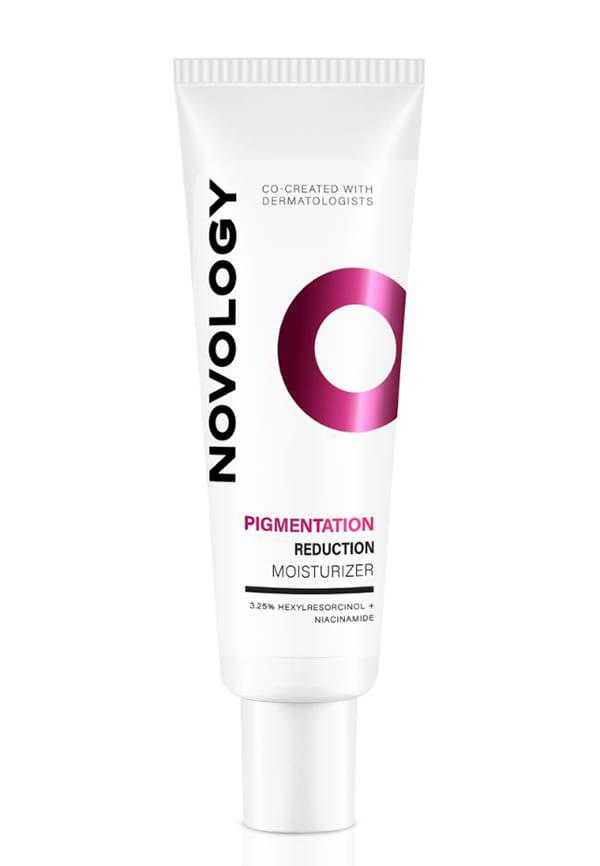
Pigmentation Moisturiser, Face Cream for Hyperpigmentation & Dark Spots
Amazing Product!
 5
5“it really works. i tried it first time and m with love this product best brand I ever used”
Great Product, Will Buy Again
5“nice product richer base repurchase product”
Great for Oily Skin
5“Excellent product for oily skin.”
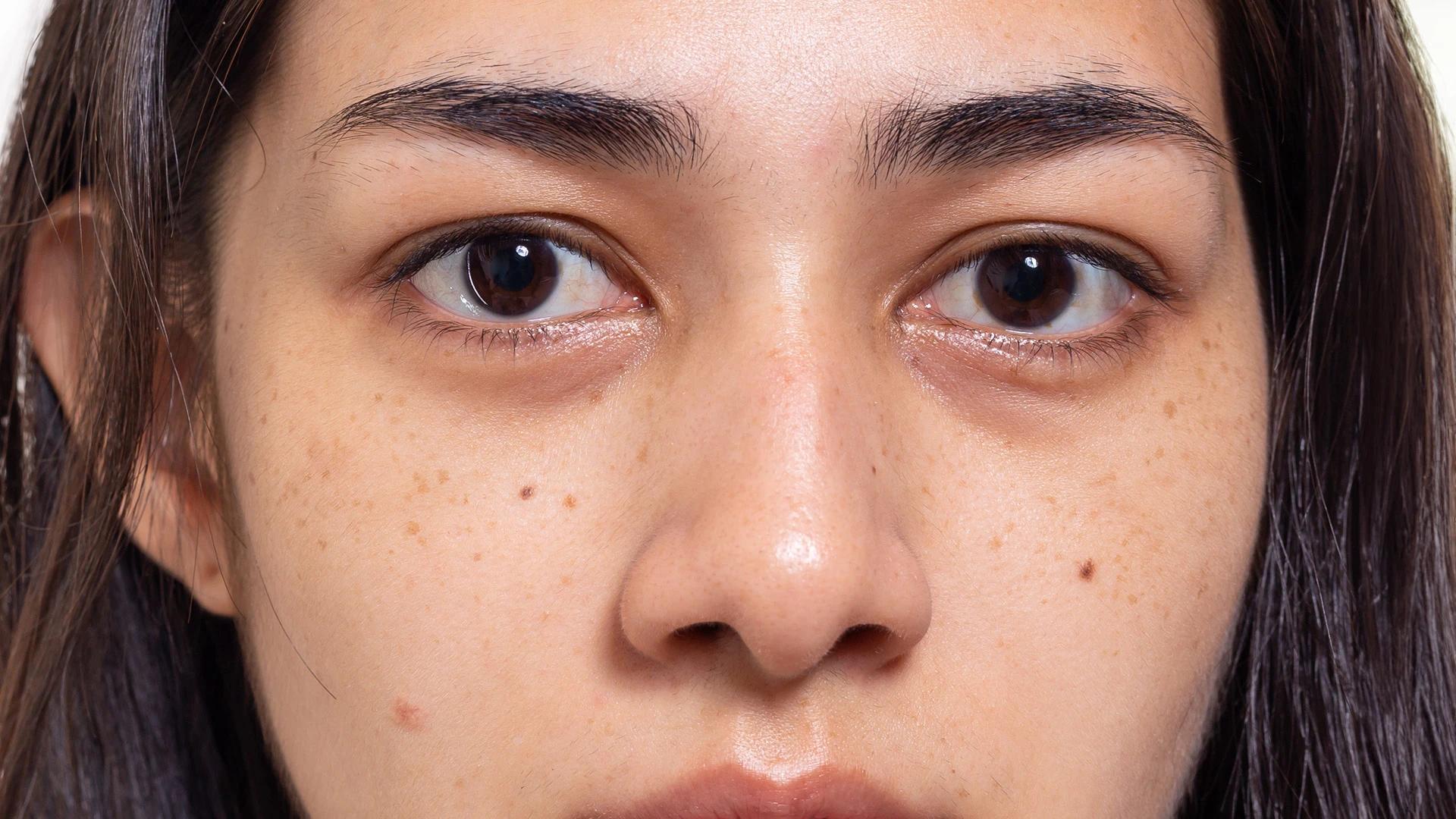
Dealing with dark spots, uneven skin tone, or stubborn pigmentation marks? You're not alone. Facial skin discoloration affects millions of people, whether it's post-acne marks that refuse to fade, melasma patches that appeared during hormonal changes, or sun spots from years of UV exposure. The good news is that effective solutions exist—from gentle home remedies to powerful clinical treatments. Understanding the best remedy for pigmentation on face starts with knowing what's causing your specific concerns and choosing the right approach for your skin type. Whether you're looking for natural pigmentation removal methods or considering professional treatments, this comprehensive guide covers 11 proven remedies that actually work. At Smytten, we've seen countless users discover their perfect pigmentation-fighting products through trial packs, allowing them to test what works before committing to full-size purchases. Let's explore the most effective ways to achieve clearer, more even-toned skin.
TL;DR
Pigmentation comes in various forms—melasma, post-inflammatory hyperpigmentation, and sun spots—each requiring targeted treatment approaches
Natural remedies like aloe vera, turmeric, and vitamin C can effectively lighten dark spots when used consistently over 4-6 weeks
Clinical ingredients such as retinoids, niacinamide, and vitamin C serums offer faster, more dramatic results for stubborn pigmentation
Professional treatments like chemical peels and laser therapy provide the most comprehensive solution for severe or resistant cases
Prevention through daily SPF use and gentle skincare habits is crucial for maintaining results and preventing new pigmentation
Before diving into treatments, it's essential to understand what you're dealing with. Facial skin discoloration isn't just one condition—it's an umbrella term covering various types of hyperpigmentation, each with distinct characteristics and causes.
Hyperpigmentation occurs when your skin produces excess melanin, the pigment responsible for skin colour. This overproduction creates patches or spots that appear darker than your surrounding skin tone. Common areas include the forehead, cheeks, upper lip, and around the eyes—basically anywhere that gets regular sun exposure or experiences frequent breakouts.
Melasma typically appears as symmetrical brown patches on both sides of your face, often triggered by hormonal changes during pregnancy or from birth control pills. Post-inflammatory hyperpigmentation (PIH) develops after acne, cuts, or other skin trauma, leaving behind dark marks that can persist for months. Age spots and sun damage result from cumulative UV exposure over time, appearing as flat, brown spots on sun-exposed areas. Uneven skin tone can be a combination of all these factors, creating an overall patchy appearance.
UV exposure remains the primary culprit behind most pigmentation issues. Even brief daily sun exposure without proper protection can trigger melanin production. Hormonal fluctuations during pregnancy, menstruation, or menopause can activate melanocytes, leading to melasma. Acne and skin trauma create inflammation that stimulates excess pigment production. Genetic predisposition also plays a role—if your parents dealt with pigmentation, you're more likely to experience it too.
Now let's explore the most effective treatments, starting with gentle natural options and progressing to more intensive clinical solutions. Remember, consistency is key with any pigmentation treatment.
Remedy 1: Aloe Vera Gel Treatment
Aloe vera contains aloin, a natural compound that inhibits melanin production whilst soothing inflamed skin. Apply fresh aloe vera gel directly to dark spots twice daily, leaving it on for 20 minutes before rinsing. The anti-inflammatory properties help repair damaged skin whilst gradually lightening pigmentation.
Remedy 2: Turmeric Face Masks
Turmeric's active compound, curcumin, offers powerful antioxidant benefits that can brighten skin over time. Mix one teaspoon of turmeric powder with honey or yoghurt to create a brightening face mask. Apply for 15 minutes, then rinse thoroughly. Use this mask twice weekly for best results.
Remedy 3: Lemon Juice and Vitamin C
Lemon juice contains natural vitamin C and citric acid, both effective for skin lightening. However, use it carefully—always dilute with water (1:1 ratio) and apply only in the evening, followed by thorough cleansing in the morning. Never use lemon juice before sun exposure, as it can increase photosensitivity.
Remedy 4: Potato Juice for Dark Spots
Potatoes contain vitamin C, potassium, and natural enzymes that can help fade dark spots. Grate a potato and extract the juice, then apply directly to pigmented areas using a cotton pad. Leave on for 15-20 minutes before rinsing. This gentle treatment can be used daily.
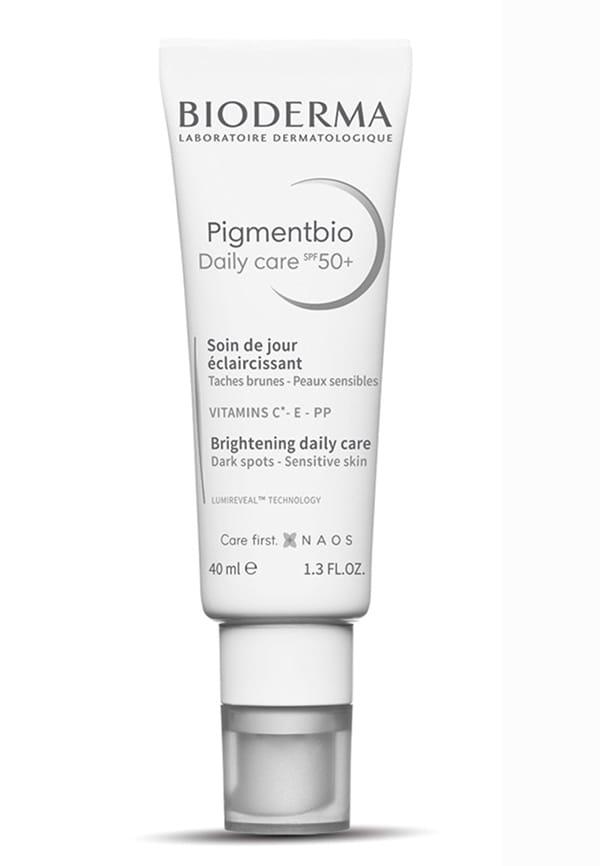
Pigmentbio Daily Care SPF 50+ Brightening Cream for Dark Spots & Senstive Skin
Remedy 5: Green Tea Toner
Green tea's polyphenols provide antioxidant protection whilst helping to reduce melanin production. Brew strong green tea, let it cool completely, then use as a toner twice daily. The catechins in green tea also help protect against further UV damage.
Remedy 6: Rice Water Treatment
This traditional Asian remedy contains kojic acid and ferulic acid, both known for their skin-brightening properties. Soak rice in water for 30 minutes, strain, and use the water as a face rinse. For enhanced benefits, let the rice water ferment for 24 hours before use.
Remedy 7: Retinoid-Based Products
Retinoids accelerate cell turnover, helping to shed pigmented skin cells more quickly. Start with a low concentration (0.25% retinol) and use every other night initially. Gradually increase frequency as your skin builds tolerance. Always use SPF during the day when using retinoids.
Remedy 8: Vitamin C Serums
Professional-grade vitamin C serums offer more potent skin brightening than natural sources. Look for L-ascorbic acid concentrations between 10-20%. Apply in the morning before SPF for maximum antioxidant protection and pigmentation-fighting benefits.
Remedy 9: Niacinamide (Vitamin B3) Treatments
Niacinamide regulates melanin production whilst improving overall skin texture. It's gentle enough for daily use and works well combined with other active ingredients. Look for formulations containing 5-10% niacinamide for optimal results without irritation.
Remedy 10: Chemical Peels
Professional chemical peels use acids like glycolic, lactic, or TCA to remove pigmented skin layers. Superficial peels require minimal downtime and can be repeated monthly, whilst deeper peels offer more dramatic results but need longer recovery periods.
Remedy 11: Laser and Light Therapies
Advanced treatments like IPL (Intense Pulsed Light) and Q-switched lasers target melanin directly. These melasma treatment options offer the most comprehensive results for severe pigmentation but require professional consultation and multiple sessions.
Achieving lasting results requires a strategic approach that combines the right treatments with proper skincare habits. Here's how to maximise your pigmentation-fighting efforts.
Your morning routine should focus on protection: gentle cleanser, vitamin C serum, moisturiser, and broad-spectrum SPF 30 or higher. Evening routines can include active ingredients like retinoids or AHAs, followed by hydrating products to support skin repair overnight.
Many people find success combining gentle natural remedies with proven clinical ingredients. For example, you might use a turmeric mask twice weekly whilst incorporating a niacinamide serum daily. Always patch test new combinations and introduce products gradually to avoid irritation.
Natural remedies typically show initial improvement after 4-6 weeks of consistent use, with significant results appearing after 3-6 months. Clinical ingredients like retinoids and vitamin C can produce visible changes within 6-8 weeks. Professional treatments often show immediate improvement, with full results developing over several months.
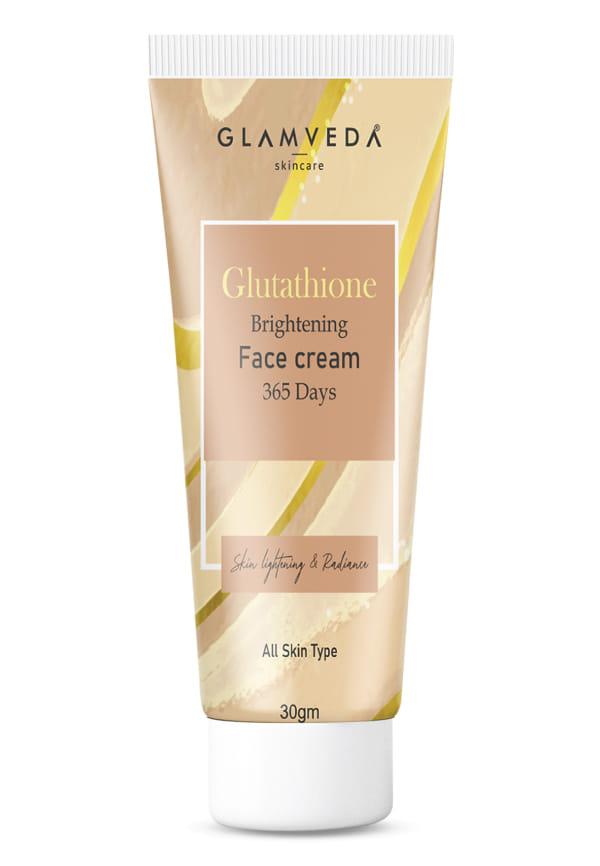
Glutathione Brightening Face Cream Reduce Dark spots & Age spots with Vitamin C
Effective for Brightening & Hydration
4“Lightweight cream brightens skin and hydrates well.See improved radiance and slightly faded dark spots with regular use. Results vary; not dramatic for deep aging lines or spots”
Positive Product Review
4“good product , nice smell, I like it”
Excellent Cream
5“this is the best cream and smell is too good”
Prevention truly is the best medicine when it comes to pigmentation. Once you've achieved clearer skin, maintaining those results requires ongoing commitment to protective habits.
SPF isn't negotiable—use broad-spectrum protection with at least SPF 30 every single day, regardless of weather or season. Reapply every two hours when outdoors, and consider physical sunscreens containing zinc oxide or titanium dioxide for sensitive skin.
Antioxidant-rich foods like berries, leafy greens, and green tea support skin health from within. Managing stress through adequate sleep and relaxation techniques helps regulate hormones that can trigger pigmentation. Stay hydrated and avoid picking at blemishes to prevent post-inflammatory hyperpigmentation.
Harsh scrubbing can worsen pigmentation by creating inflammation. Avoid using multiple active ingredients simultaneously without proper guidance. Never skip moisturiser, even with oily skin—dehydrated skin is more prone to irritation and subsequent pigmentation.
Whilst many pigmentation issues respond well to at-home treatments, certain situations warrant professional intervention for optimal results and safety.
Sudden changes in existing pigmentation, especially irregular borders or varying colours within a spot, need immediate evaluation. If over-the-counter treatments haven't shown improvement after 3-4 months of consistent use, professional assessment can identify more effective options.
Dermatologists can accurately diagnose your specific type of pigmentation and recommend targeted treatments. They have access to prescription-strength ingredients and advanced procedures not available over-the-counter. Professional monitoring ensures treatments are working safely and effectively.
Document your current skincare routine and any treatments you've tried. Note when pigmentation first appeared and any potential triggers. Prepare questions about treatment options, expected timelines, and maintenance requirements.
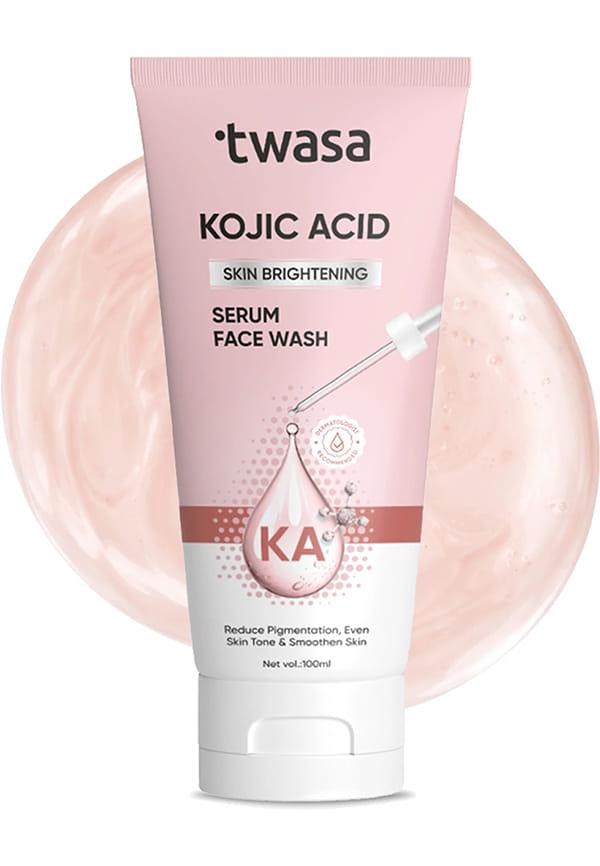
Kojic Acid For Dark Spots, Even Skin Tone & Pigmentation
Focus on proven natural ingredients like aloe vera gel, turmeric masks, and diluted lemon juice, combined with consistent sun protection. Natural remedies work gradually, typically showing results after 4-6 weeks of regular use.
The most effective approach combines retinoids for accelerated cell turnover, vitamin C serums for brightening, and consistent broad-spectrum sunscreen use for prevention. Professional treatments offer the fastest results for severe cases.
Whilst complete removal takes longer, you can see initial improvement using concentrated vitamin C serums, gentle exfoliation with AHAs, and brightening face masks. Realistic expectations are key—significant fading typically takes 6-12 weeks.
Lemon juice (vitamin C), potato juice (natural enzymes), and tomato juice (lycopene) are most effective for natural pigmentation removal. Always dilute acidic juices and use only in evening routines.
Home remedies can significantly improve mild to moderate pigmentation, but severe cases may require professional treatment for permanent results. Consistency and patience are essential with any at-home approach.
Most skincare products available through Smytten's trial packs show initial results within 4-6 weeks of consistent use. The platform's try-before-you-buy approach lets you test different formulations to find what works best for your specific pigmentation concerns.
The best remedy for pigmentation on face depends on your specific type of discoloration, skin sensitivity, and lifestyle factors. Natural remedies offer gentle, gradual improvement and work well for mild pigmentation or as supportive treatments alongside clinical ingredients. Over-the-counter solutions containing retinoids, vitamin C, and niacinamide provide more dramatic results for moderate pigmentation issues. Professional treatments remain the gold standard for severe or resistant cases.
Remember that pigmentation treatment is a marathon, not a sprint. Consistency with your chosen approach, combined with diligent sun protection, will yield the best long-term results. Start with gentler options and gradually progress to stronger treatments if needed. Most importantly, be patient with your skin—lasting change takes time, but the results are worth the commitment.
Finding the right pigmentation treatment often involves trial and error, which is where Smytten's approach truly shines. As India's largest product discovery platform, Smytten connects you with over 2,400 trusted beauty brands, allowing you to explore pigmentation-fighting products through curated trial packs before committing to full-size purchases. Whether you're testing a vitamin C serum from Dot & Key, trying a brightening treatment from WishCare, or exploring natural options from brands like Love, Beauty & Planet, you can get up to 10 trial points for just ₹279. The platform's 100% cashback offer on trial minis makes product discovery both affordable and rewarding, whilst PAN-India delivery ensures access regardless of your location. With over 28 million users and authentic, brand-verified minis, Smytten helps you make confident choices about your skincare journey. After all, why settle for 'maybe' when you can try it all and find your perfect pigmentation solution?
