11 Skin Barrier Humid Tips to Strengthen Your Skin

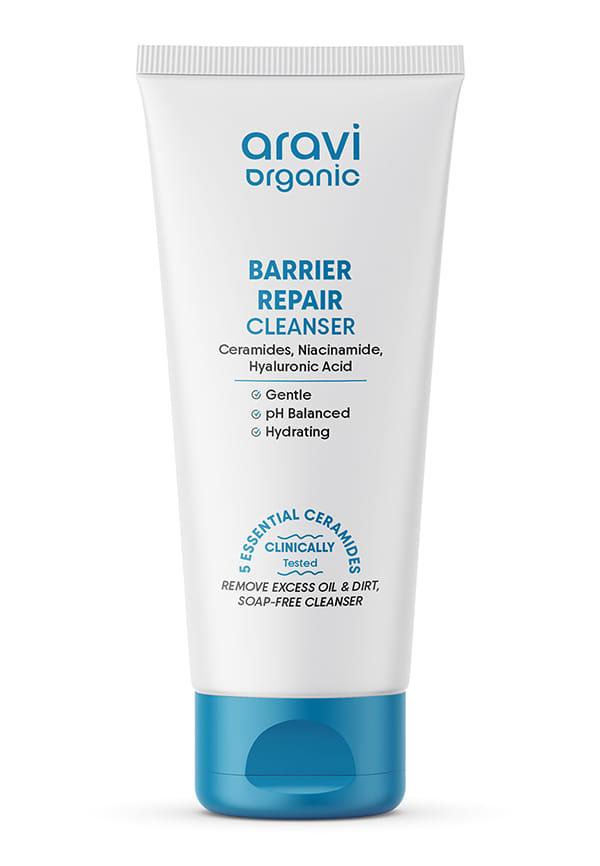
Hydrating Barrier Repair Face Wash - With Ceramide & Niacinamide
Your skin barrier is your body's first line of defense, but humid weather can either be its best friend or worst enemy. Whether you're dealing with sticky summers or living in a naturally humid climate, understanding how to work with moisture in the air rather than against it can transform your skincare routine. The right approach to skin barrier care in humid conditions doesn't just prevent damage—it actually helps your skin thrive. These eleven expert-backed tips will show you exactly how to strengthen your skin barrier while navigating humid environments, so you can enjoy healthy, resilient skin year-round.
Your skin barrier, also known as the stratum corneum, acts like a protective brick wall made of skin cells held together by lipids, ceramides, and natural moisturizing factors. This barrier regulates how much water your skin loses to the environment through a process called transepidermal water loss (TEWL). When humidity levels are optimal, your skin barrier functions more efficiently, but when they're too high or too low, problems can arise.
Think of your skin barrier as a sophisticated security system that decides what gets in and what stays out. This protective layer is made up of dead skin cells called corneocytes, surrounded by a lipid matrix InstaCure Professional Liquid Protein Conditioner containing ceramides, cholesterol, and fatty acids. These components work together to maintain your skin's pH balance, prevent harmful bacteria from entering, and keep essential moisture locked in.
Research shows that the optimal humidity range for skin barrier function falls between 40-60% relative humidity. When humidity drops below 30%, your skin loses moisture rapidly, leading to dryness and irritation. Conversely, when humidity exceeds 70%, your skin may struggle to regulate oil production, potentially causing breakouts and sensitivity.
A damaged skin barrier shows specific warning signs: persistent dryness despite moisturizing, increased sensitivity to products you normally tolerate, frequent breakouts, redness, or a tight feeling after cleansing. If you notice these symptoms worsening in humid weather, your barrier likely needs targeted support.
These proven strategies will help you strengthen skin barrier function regardless of your skin type or the humidity levels in your environment. Each tip addresses specific challenges that humid weather presents to your skin's protective barrier.
Tip 1: Use gentle, pH-balanced cleansers twice daily. Choose cleansers with a pH between 4.5-6.5 to maintain your skin's natural acid mantle. Avoid sulfates and harsh detergents that strip essential oils, especially important in humid weather when your skin may already be working overtime.
Tip 2: Regulate water temperature during cleansing. Lukewarm water is your skin barrier's best friend. Hot water strips natural oils and can trigger inflammation, while cold water doesn't effectively remove impurities. Aim for a comfortable temperature that feels neutral to slightly warm.
Tip 3: Master the pat-dry technique. After cleansing, gently pat your skin dry with a clean towel, leaving it slightly damp. This residual moisture helps your subsequent skincare products absorb better and provides an extra hydration boost.
Tip 4: Layer lightweight, humectant-rich products. In humid conditions, your skin benefits from products containing hyaluronic acid, glycerin, and sodium PCA. These ingredients draw moisture from the humid air to your skin, but choose lightweight formulations to avoid feeling sticky or clogged.
Tip 5: Time your hyaluronic acid application strategically. Apply hyaluronic acid serums to slightly damp skin, then follow with a moisturizer to seal in the hydration. In humid weather, this ingredient works exceptionally well because it can draw moisture from the environment.
Tip 6: Adjust your routine timing with humidity levels. On particularly humid days, allow extra time between product layers to prevent pilling or a heavy feeling. Your skin needs time to absorb each layer properly when there's excess moisture in the air.
Tip 7: Control indoor humidity levels. Use a hygrometer to monitor indoor humidity and aim for the 40-60% sweet spot. Use dehumidifiers when levels exceed 70% or humidifiers when they drop below 40%. This creates an optimal environment for healthy skin barrier function.
Tip 8: Create protective barriers against excessive humidity. When heading into very humid environments, apply a thin layer of occlusive moisturizer or facial oil to create a protective barrier. This prevents your skin from becoming oversaturated with environmental moisture.
Tip 9: Navigate air conditioning wisely. While AC provides relief from humidity, it can rapidly dehydrate your skin. Use a hydrating mist throughout the day and apply a slightly richer moisturizer when spending extended time in air-conditioned spaces.
Tip 10: Apply ceramide-rich products using the sandwich method. Apply a thin layer of skin barrier cream containing ceramides, follow with your regular moisturizer, then seal with another thin layer of the barrier cream. This technique maximizes barrier repair benefits.
Tip 11: Implement overnight barrier repair protocols. Use slightly richer, more occlusive products at night when humidity levels typically rise. This is when your skin does most of its repair work, so support it with ingredients like ceramides, peptides, and niacinamide.
Different skin types respond uniquely to humid conditions, requiring tailored approaches to restore skin barrier function. Understanding your skin type's specific needs helps you choose the most effective strategies.
Oily skin in humid weather can feel like a recipe for disaster, but the right approach actually helps balance oil production. Choose gel-based moisturizers with niacinamide to regulate sebum without clogging pores. Avoid over-cleansing, which can trigger your skin to produce even more oil as compensation.
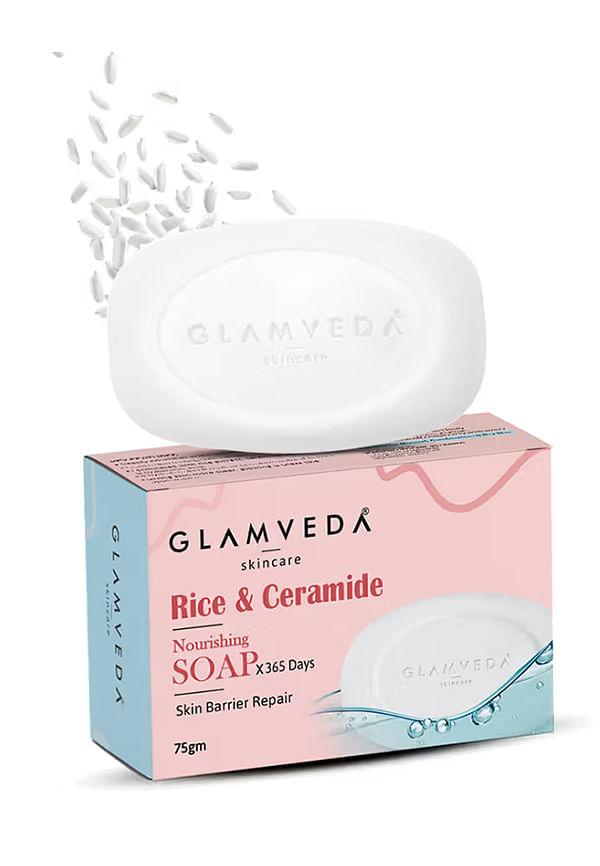
Rice & Ceramide Skin Brightening Soap with Hyaluronic acid
Paradoxically, dry skin can still struggle in humid weather if the barrier is compromised. Focus on intensive hydration with products containing hyaluronic acid, ceramides, and natural moisturizing factors. Layer lightweight hydrating products rather than relying on one heavy cream that might feel uncomfortable in humidity.
A sensitive skin barrier requires extra gentle care in humid conditions. Choose fragrance-free, hypoallergenic products with minimal ingredients. Introduce new products gradually and always patch test, as humidity can increase skin sensitivity and reaction potential.
Certain ingredients excel at providing skin barrier support in humid conditions. Understanding which ingredients work best and how to use them properly can dramatically improve your skin's resilience and health.
Ceramides are the gold standard for barrier repair because they're identical to the lipids naturally found in your skin. Look for products containing ceramide 1, 3, and 6-II for comprehensive barrier support. These work synergistically with cholesterol and fatty acids to rebuild compromised barrier function.
Hyaluronic acid and glycerin are powerhouse humectants that work exceptionally well in humid conditions. They draw moisture from the environment to your skin, but always follow with an occlusive moisturizer to prevent the moisture from evaporating back into the air.
Niacinamide strengthens the barrier while regulating oil production, making it perfect for humid weather. Peptides signal your skin to produce more collagen and repair damage, while maintaining gentle action suitable for compromised barriers.
Many people unknowingly sabotage their skin barrier when trying to adapt to humid conditions. Avoiding these common mistakes can prevent damaged skin barrier repair setbacks and accelerate your progress toward healthier skin.
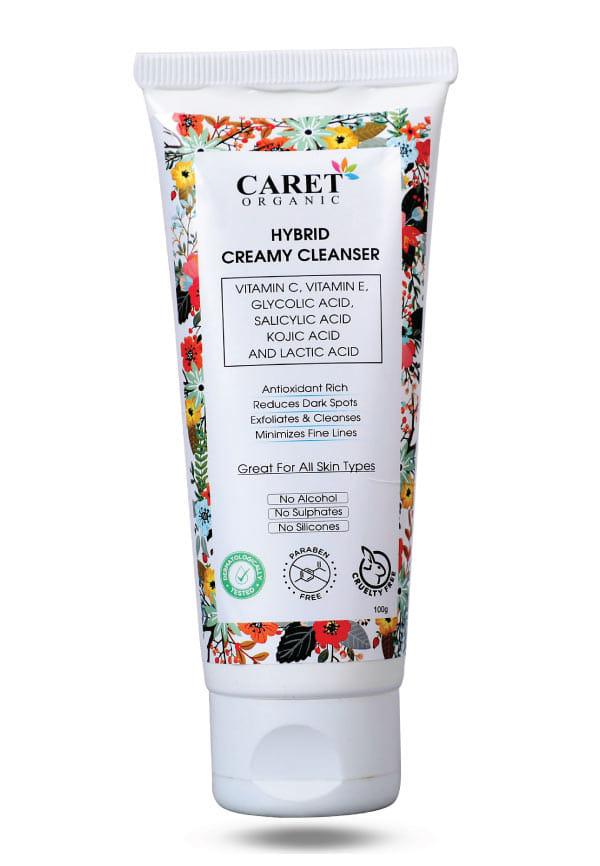
Hybrid Creamy Cleanser Face Wash With Vitamin C, E, Glycolic Acid, Salicylic, Kojic Acid - No Sulphate, Paraben, Alcohol Or Silicone
Good for Sensitive Skin
 5
5“This cleanser is good for sensitive skin”
The sticky feeling of humid weather often leads to over-cleansing, but this strips essential oils and disrupts your skin's natural balance. Stick to twice-daily cleansing with gentle products, and resist the urge to add extra cleansing steps just because your skin feels different in humidity.
Heavy, occlusive products that work well in dry climates can feel suffocating in humidity. Switch to lighter textures like gels, lightweight lotions, or serums that provide the same beneficial ingredients without the heavy feel.
Extreme temperature changes from hot, humid outdoor air to cold air conditioning can shock your skin barrier. Gradual transitions and protective products help your skin adapt without becoming irritated or compromised.
Yes, moderate humidity levels between 40-60% support optimal skin barrier function by reducing transepidermal water loss and providing environmental moisture. However, excessive humidity above 70% can overwhelm your skin and potentially cause issues like increased oil production or sensitivity.
With consistent care using gentle cleansing, ceramide-rich moisturizers, and appropriate humidity management, most people see improvement in 2-4 weeks. Severely damaged barriers may take 6-8 weeks to fully restore, depending on the extent of damage and consistency of care.
Focus on lightweight, layerable products: gentle cleanser, hydrating toner or essence, lightweight serum with humectants, and a gel or light lotion moisturizer. Always finish with broad-spectrum SPF during the day, regardless of humidity levels.
While core barrier-supporting ingredients remain beneficial year-round, you may need to adjust product textures seasonally. Lighter formulations work better during peak humidity, while slightly richer products may be needed during drier months or in air-conditioned environments.
Mastering skin barrier care in humid conditions requires understanding that moisture in the air can be both beneficial and challenging for your skin. The key lies in choosing appropriate product textures, maintaining optimal indoor humidity levels, and supporting your barrier with proven ingredients like ceramides and niacinamide. Remember that consistency trumps complexity—a simple routine with the right products will always outperform an elaborate regimen with unsuitable formulations. By implementing these eleven skin barrier humid tips, you're setting the foundation for resilient, healthy skin that can thrive in any climate. Your skin barrier is remarkably adaptable when given the right support, so be patient with the process and celebrate the small improvements along the way.
