What is the Best Food for a Dog? A Complete Guide


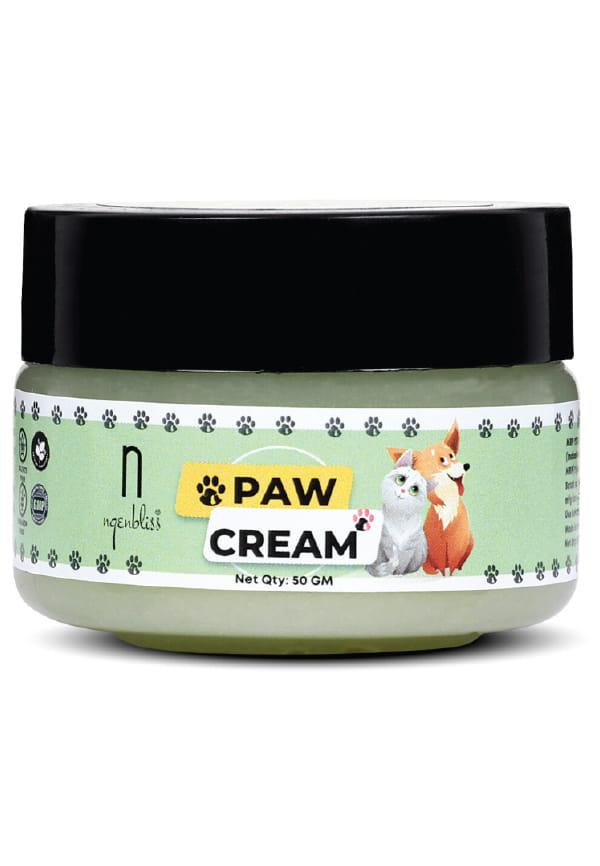
Paw Cream For Dogs And Cats | Suitable For All Dog And Cat Breeds
Choosing what is the best food for a dog feels like navigating a maze of endless options, doesn't it? With shelves packed with different brands, formulations, and feeding philosophies, it's easy to feel overwhelmed. But here's the thing—your furry mate deserves nutrition that keeps their tail wagging and energy levels soaring. Whether you're a first-time dog parent or looking to switch up your pup's diet, understanding the basics of dog nutrition will help you make choices that truly matter. Let's dive into everything you need to know about feeding your four-legged family member the right way.
Just like us, dogs need a balanced mix of nutrients to thrive. But unlike our complex dietary preferences, dog nutrition follows some pretty straightforward principles. Getting these basics right is your first step towards answering what is the best food for a dog.
Protein sits at the top of the list—it's the building block for muscles, organs, and that gorgeous coat. Dogs need high-quality protein sources like chicken, fish, or lamb. Adult dogs require at least 18% protein in their diet, whilst puppies need around 22%.
Healthy fats aren't the enemy here. Omega-3 and omega-6 fatty acids keep your dog's skin healthy and coat shiny. Think fish oil, flaxseed, or chicken fat—these are your dog's best mates for a lustrous coat.
Carbohydrates provide energy, though they're not as crucial as protein and fats. Sweet potatoes, brown rice, and oats are brilliant choices that also add fibre for digestive health.
Vitamins and minerals support everything from bone development to immune function. A balanced commercial dog food typically covers these bases, but it's worth knowing what to look for.
Reading dog food labels might feel like decoding a foreign language, but it's simpler than you think. The ingredient list follows a descending order by weight—so the first ingredient should ideally be a named protein source.
Look for AAFCO (Association of American Feed Control Officials) statements on the packaging. This tells you the food meets nutritional standards for your dog's life stage. Avoid foods with vague terms like "meat by-products" or excessive fillers like corn syrup.
The dog food aisle offers more variety than ever before, each type promising to be the answer to what is the best food for a dog. Let's break down your main options so you can make an informed choice.
Dry dog food remains the most popular choice for good reason. It's convenient, cost-effective, and has a long shelf life. Quality kibble provides balanced nutrition and helps maintain dental health through the chewing action.
The downside? Some cheaper brands pack in fillers and preservatives. Always check the protein content and ingredient quality before making your pick.
Wet food typically contains higher protein levels and more moisture, which is brilliant for dogs who don't drink enough water. It's often more palatable for picky eaters and easier to digest for senior dogs.
Many pet parents combine wet and dry food for the best of both worlds—nutritional balance with added flavour and moisture.
Raw dog food has gained popularity among pet parents seeking a more "natural" approach. Proponents argue it mimics what dogs would eat in the wild, potentially improving coat condition and energy levels.
However, raw feeding requires careful planning to ensure nutritional balance and proper food safety. Always consult your vet before making this switch, especially if you're new to raw feeding.

LetsShave EZ-WIZZY Wash & Wow Pet Shampoo for Dogs & Cats | Shampoo & Conditioner with Oatmeal, Coconut Oil, Amla & Shikakai | Rich Lather, Soft Fur,
Preparing homemade dog food gives you complete control over ingredients, which can be reassuring for dogs with allergies or sensitivities. You'll know exactly what goes into your pup's bowl.
The challenge lies in creating nutritionally complete meals. Dogs need specific ratios of nutrients that aren't always obvious. Working with a veterinary nutritionist ensures your homemade meals tick all the boxes.
Your dog's nutritional needs shift throughout their life, much like ours do. What works for a bouncing puppy won't necessarily suit a dignified senior dog.
Puppies are basically tiny energy machines that need fuel for rapid growth and development. Puppy food contains higher protein (around 22-32%) and fat content to support this intense growth phase.
Feed puppies smaller, more frequent meals—typically 3-4 times daily until they're about six months old. Look for foods specifically formulated for puppies or "all life stages" with AAFCO approval.
Adult dogs need maintenance nutrition that supports their daily activities without promoting excessive weight gain. The protein requirement drops to around 18%, with balanced fat content for sustained energy.
Consider your dog's activity level when choosing food. Working dogs or highly active breeds need more calories than couch potato companions.
As dogs age, their metabolism slows down, and they may develop joint issues or digestive sensitivities. Senior dog food often contains fewer calories, added joint support ingredients like glucosamine, and easily digestible proteins.
Some senior dogs benefit from smaller, more frequent meals to aid digestion and maintain steady energy levels throughout the day.
Not every dog thrives on standard commercial food. Some have specific needs that require special attention when determining what is the best food for a dog.
Grain-free dog food became trendy as pet parents sought more "natural" options. For dogs with genuine grain allergies or sensitivities, these foods can be helpful.
However, recent studies have linked some grain-free diets to heart conditions in dogs. The key is ensuring any grain-free food still provides balanced nutrition with quality ingredients.
Dogs with food allergies or sensitivities often benefit from limited ingredient diets. These foods contain fewer components, making it easier to identify and avoid problem ingredients.
Common allergens include beef, dairy, wheat, and chicken. An elimination diet under veterinary guidance can help identify specific triggers.

LetsShave EZ-WIZZY Pet Trimmer Plus for Dogs & Cats | Quiet Grooming Clippers | Ceramic Blades | 5-Level Adjustable Blade + 4 Combs | Cordless & Cord
Some dogs require prescription diets for medical conditions like kidney disease, diabetes, or digestive disorders. These specially formulated foods support treatment and management of specific health issues.
Always work with your vet when considering therapeutic diets—they're designed for specific conditions and shouldn't be used without professional guidance.
Whilst commercial dog food should form the foundation of your pup's diet, certain human foods can make healthy, occasional treats. Here are safe options that might just become your dog's new favourites.
Cooked chicken (unseasoned and boneless) provides lean protein that most dogs love. Remove all bones and skin before serving.
Cooked turkey offers similar benefits to chicken. Stick to plain, cooked meat without seasoning or bones.
Cooked salmon delivers omega-3 fatty acids for coat health. Ensure it's fully cooked and boneless.
Cooked eggs are protein powerhouses. Scrambled or boiled eggs make excellent occasional treats.
Sweet potatoes provide vitamins and fibre. Cook them plain without added sugars or spices.
Carrots offer beta-carotene and make great crunchy snacks. Raw or cooked both work well.
Blueberries are antioxidant-rich treats that most dogs enjoy. They're perfect training rewards.
Plain rice can soothe upset stomachs and provides easily digestible carbohydrates.
Always introduce new foods gradually and in small amounts. Cook foods plain without oils, seasonings, or spices that could upset your dog's stomach.
Remember, treats should only make up about 10% of your dog's daily calorie intake. The bulk of their nutrition should still come from balanced dog food.
With so many options available, selecting what is the best food for a dog comes down to understanding your specific pup's needs. Every dog is unique, and what works brilliantly for your neighbour's Labrador might not suit your Border Collie.
Start with the basics: your dog's age, size, and breed. Large breed puppies need different nutrition than small breed adults. Active working dogs require more calories than senior lap dogs.
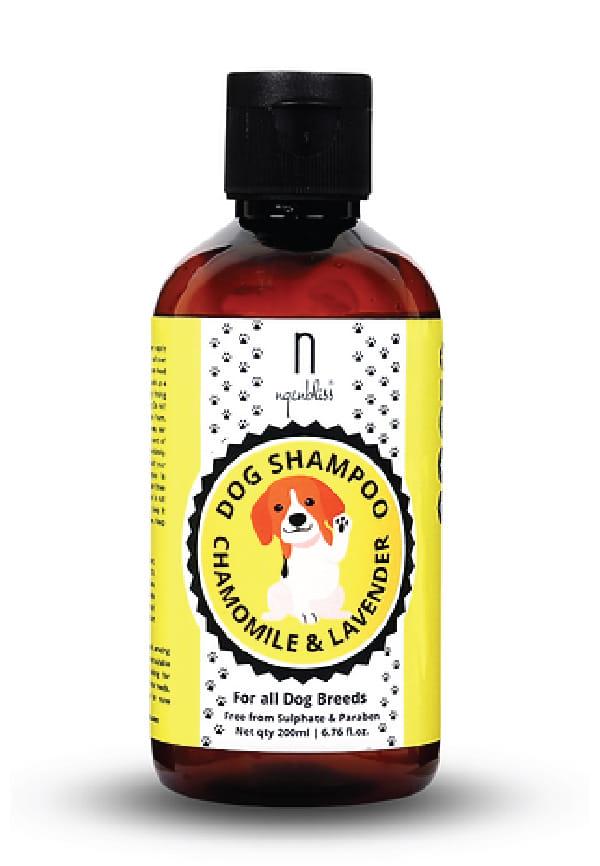
All Natural Dog Shampoo
Consider any health issues or sensitivities. Dogs with allergies, digestive problems, or chronic conditions may need specialised nutrition.
Your budget matters too. The most expensive food isn't always the best, but extremely cheap options often cut corners on ingredient quality.
Never switch your dog's food overnight—this can cause digestive upset. Mix increasing amounts of new food with decreasing amounts of old food over 7-10 days.
Start with 75% old food and 25% new food for the first few days, then gradually shift the ratio until you're feeding 100% new food.
A well-fed dog shows it in multiple ways. Their coat should be shiny and soft, not dull or brittle. Energy levels should be consistent and appropriate for their age and breed.
Good digestion means regular, well-formed stools. Excessive gas, loose stools, or constipation might indicate the current food isn't working well.
Just like how Smytten helps you discover the perfect beauty and wellness products through trial-sized options, finding the right dog food often involves some experimentation. The platform's approach of trying before committing to full sizes mirrors the careful process of finding what works best for your furry friend's unique needs.
The healthiest option is a high-quality commercial dog food that meets AAFCO standards for your dog's life stage. Look for foods with named protein sources as the first ingredient, minimal fillers, and appropriate nutrient levels. Healthy dog food should provide complete and balanced nutrition without requiring supplements.
Feeding amounts depend on your dog's weight, age, activity level, and the specific food's calorie content. Most dog food packages provide feeding guidelines as a starting point. Adult dogs typically eat 1-2 times daily, whilst puppies need 3-4 smaller meals. Monitor your dog's body condition and adjust portions accordingly.
Absolutely! Many pet parents combine wet and dry food to provide variety and additional moisture. This approach can be particularly beneficial for dogs who don't drink enough water or are picky eaters. Just ensure the combined portions don't exceed your dog's daily calorie needs.
Avoid chocolate, grapes, raisins, onions, garlic, xylitol (artificial sweetener), avocado, and cooked bones. These can be toxic or dangerous for dogs. Also steer clear of foods high in fat, salt, or sugar, as these can cause digestive issues or long-term health problems.
Common signs include itchy skin, ear infections, digestive upset, or excessive licking of paws. Food allergies develop over time, so a food your dog has eaten for years could suddenly become problematic. Work with your vet to identify triggers through an elimination diet if you suspect food allergies.
Finding what is the best food for a dog isn't about discovering one perfect option—it's about understanding your individual pup's needs and choosing accordingly. The best dog food brands offer quality ingredients, appropriate nutrition for your dog's life stage, and suit your lifestyle and budget.
Remember, good nutrition is an investment in your dog's long-term health and happiness. Take time to research options, transition foods gradually, and don't hesitate to consult your vet when making significant dietary changes. Your furry friend depends on you to make informed choices about their nutrition, and with the right knowledge, you're well-equipped to keep them thriving for years to come.
