Pet Health Care Tips FAQ: Your Guide to Pet Wellness
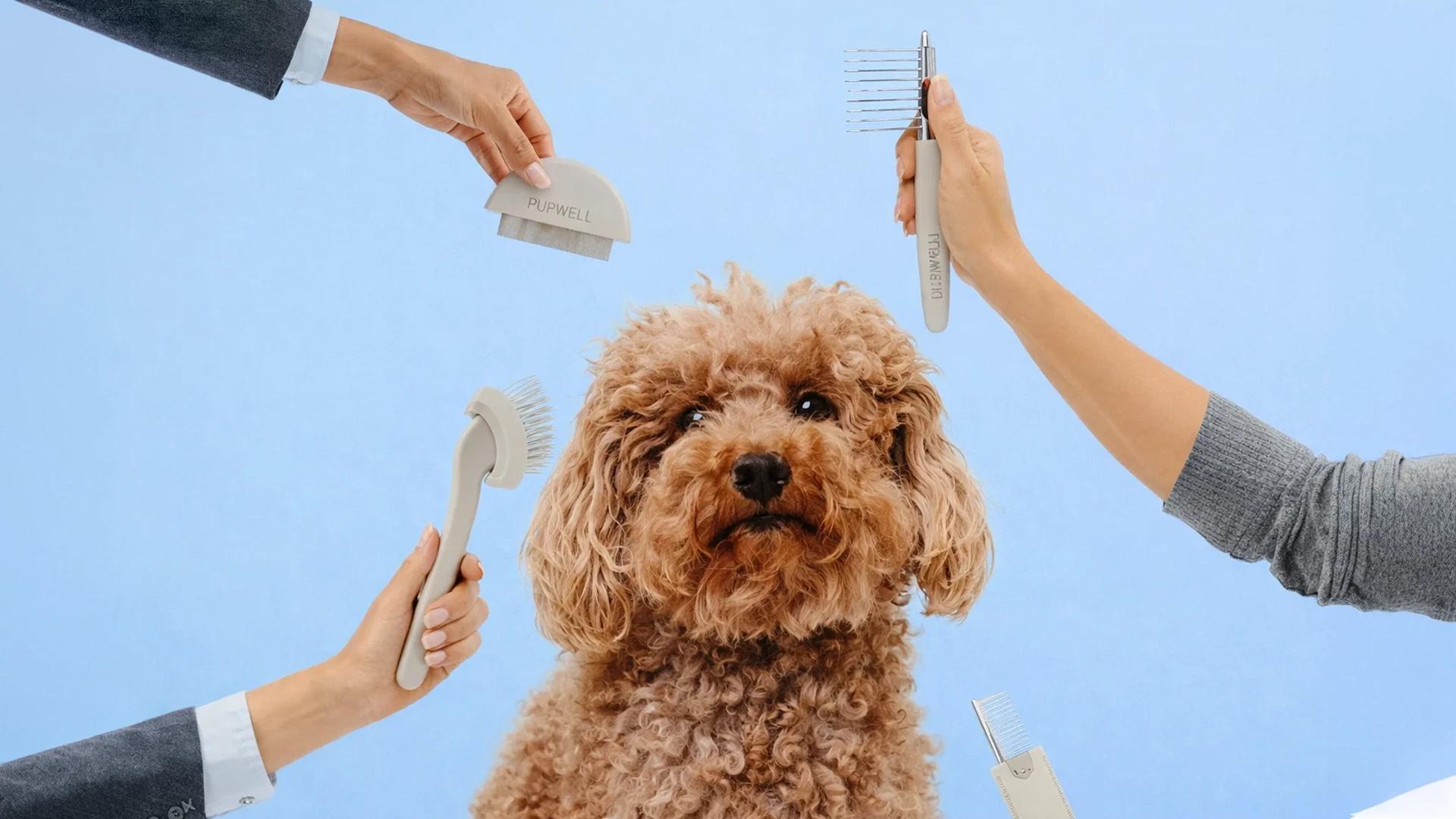


LetsShave EZ-WIZZY Wash & Wow Pet Shampoo for Dogs & Cats | Shampoo & Conditioner with Oatmeal, Coconut Oil, Amla & Shikakai | Rich Lather, Soft Fur,
Your furry friend deserves the best care possible, but navigating the world of pet wellness can feel overwhelming. From understanding basic nutrition needs to recognising early signs of illness, responsible pet ownership involves more than just love and cuddles. Whether you're a first-time pet parent or looking to brush up on your animal health knowledge, having the right information makes all the difference in keeping your companion happy and healthy.
Building a foundation for your pet's wellbeing starts with understanding the basics of responsible pet ownership. Think of it as creating a safety net that catches potential issues before they become serious problems.
Regular veterinary check-ups form the cornerstone of preventative pet care. Annual visits for healthy adult pets, and bi-annual visits for senior animals, help catch issues early when they're most treatable. Your vet becomes your partner in maintaining your pet's health, offering personalised advice based on your animal's specific needs and lifestyle.
Fresh water should be available 24/7 - it's non-negotiable for animal health. Clean the water bowl daily and refill with fresh water to prevent bacterial growth. Proper nutrition timing matters too; most adult pets thrive on two meals daily, whilst puppies and kittens need more frequent feeding.
What goes into your pet's bowl directly impacts their energy levels, coat quality, and overall wellness. Getting nutrition right isn't just about buying expensive food - it's about understanding what your specific pet needs.
Age-appropriate nutrition changes throughout your pet's life. Puppies and kittens need higher protein and calorie content for growth, whilst senior pets often benefit from easily digestible formulas with joint support. Reading pet food labels becomes easier when you know to look for named protein sources as the first ingredient and avoid excessive fillers.
Overfeeding ranks as one of the most common pet health issues. Treats should make up no more than 10% of your pet's daily calories. Human foods like chocolate, grapes, onions, and garlic are toxic to pets and should never be shared, no matter how much those puppy eyes plead.
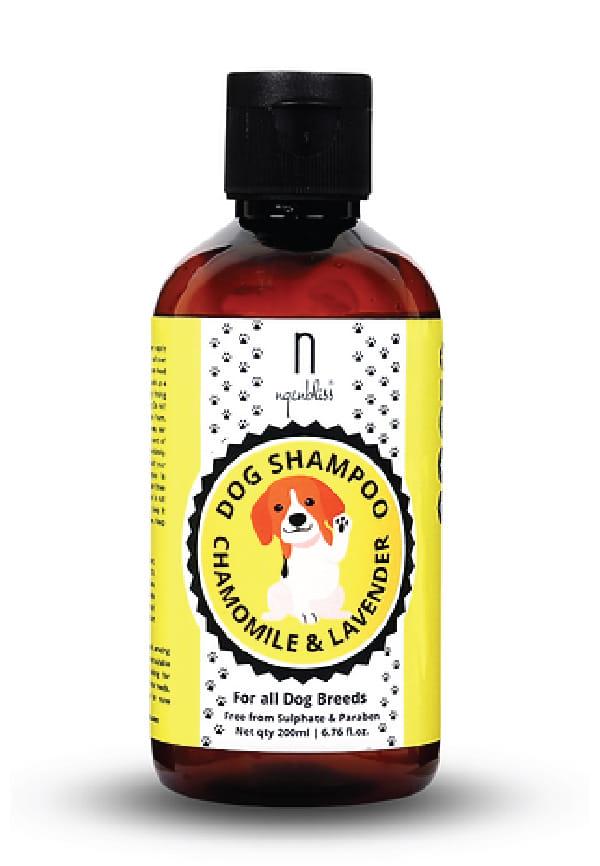
All Natural Dog Shampoo
Dogs and cats have different needs, and understanding these differences helps you provide better care. What works for your neighbour's golden retriever might not suit your indoor tabby cat.
Daily exercise requirements vary dramatically by breed size and energy level. Small dogs might be satisfied with indoor play and short walks, whilst working breeds need substantial physical and mental stimulation. Socialisation remains crucial throughout a dog's life, not just during puppyhood.
Indoor cats live longer, healthier lives on average, but they need environmental enrichment to prevent boredom and behavioural issues. Litter box hygiene directly impacts cat health - scoop daily and completely change litter weekly. Watch for changes in litter box habits, as they often signal health problems.
Prevention truly is better than cure when it comes to pet wellness. Staying ahead of potential health issues saves both heartache and money in the long run.
Core vaccines protect against life-threatening diseases and are essential for all pets. Non-core vaccines depend on your pet's lifestyle and risk factors - discuss these with your vet. Flea, tick, and heartworm prevention should run year-round in most climates, as these parasites can transmit serious diseases.
Weekly health checks at home help you spot changes early. Check ears for odour or discharge, examine teeth and gums for tartar buildup or redness, and feel for unusual lumps or bumps. Keep a simple health diary noting any changes in appetite, energy levels, or bathroom habits.

LetsShave EZ-WIZZY 3-in-1 Pet Grooming Kit | Cat & Dog Nail Clippers with Safety Guard, Nail File & Hair Comb | Professional Pet Care Combo for Safe
Knowing what to watch for and how to respond in emergencies can make the difference between a minor issue and a major health crisis. Every pet owner should understand basic warning signs and first aid principles.
Digestive issues often manifest as changes in appetite, vomiting, or diarrhoea. Skin conditions might start as excessive scratching, red patches, or unusual odours. Respiratory problems show up as coughing, difficulty breathing, or unusual lethargy during normal activities.
A basic pet first aid kit should include gauze, adhesive tape, antiseptic wipes, and your vet's emergency contact information. Learn how to check vital signs like heart rate and breathing. Most importantly, know when to attempt first aid versus rushing straight to emergency veterinary services.
Regular grooming isn't just about keeping your pet looking good - it's a crucial part of maintaining their health. Grooming sessions also provide opportunities to check for health issues you might otherwise miss.
Brushing frequency depends on coat type - long-haired pets need daily brushing whilst short-haired animals might only need weekly sessions. Nail trimming every 2-4 weeks prevents overgrowth and splitting. Dental care through regular teeth brushing helps prevent periodontal disease, which affects most pets by age three.
Professional groomers handle tasks like nail grinding, ear plucking, and breed-specific cuts that require expertise. Seasonal grooming considerations include more frequent brushing during shedding seasons and protecting paws from winter salt or summer hot pavement.
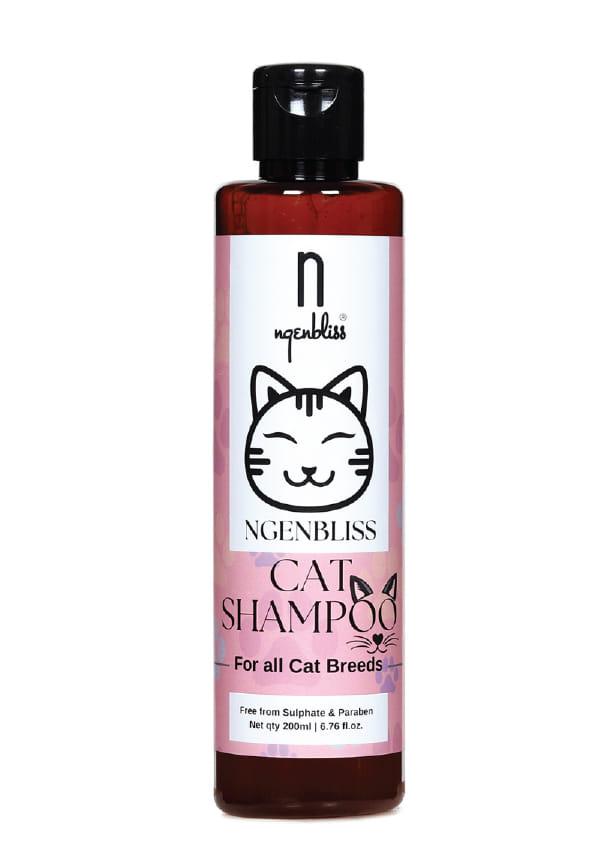
Cat Shampoo - Suitable For All Cat Breeds
The best pet health care tips focus on prevention: regular vet visits, proper nutrition, daily exercise, and maintaining good hygiene. Establishing routines helps pets feel secure whilst making it easier to spot changes in behaviour or health.
Healthy adult pets should visit the vet annually for check-ups and vaccinations. Senior pets (over 7 years for dogs, over 10 for cats) benefit from bi-annual visits. Puppies and kittens need more frequent visits during their first year for vaccinations and development monitoring.
A healthy pet has bright, clear eyes, a shiny coat, good appetite, normal bathroom habits, and appropriate energy levels for their age. Their nose should be moist (though not necessarily cold), and they should be alert and responsive to their environment.
Maintain consistent feeding schedules, provide fresh water daily, ensure regular exercise, keep up with grooming, and monitor for changes in behaviour or appetite. Creating a safe environment free from toxic plants and hazardous items also supports pet wellness.
Essential items include gauze pads, adhesive tape, antiseptic wipes, digital thermometer, emergency vet contact information, and any medications your pet takes regularly. Include a muzzle or towel for restraint if your pet becomes frightened or painful.
You should be able to feel your pet's ribs easily without pressing hard, and see a visible waist when looking from above. If you can't feel ribs or see a waist, your pet might be carrying extra weight. Your vet can provide body condition scoring for accurate assessment.
Caring for your pet's health doesn't have to be complicated, but it does require consistency and attention to detail. The key lies in building good habits around nutrition, exercise, grooming, and preventative care. Remember that every pet is unique - what works for one might not work for another, so stay flexible and work closely with your veterinarian to create the best care plan.
Just as Smytten helps you discover the perfect products for your own wellness journey through trial-sized options, taking a thoughtful approach to your pet's health care means trying different strategies and finding what works best for your furry friend. With over 25 million users trusting Smytten's curated approach to product discovery, the same principle applies to pet care - why settle for guesswork when you can make informed choices? Your pet's health deserves the same careful consideration you give to your own wellness routine.
