How to Reduce Dog Heat: Essential Cooling Methods
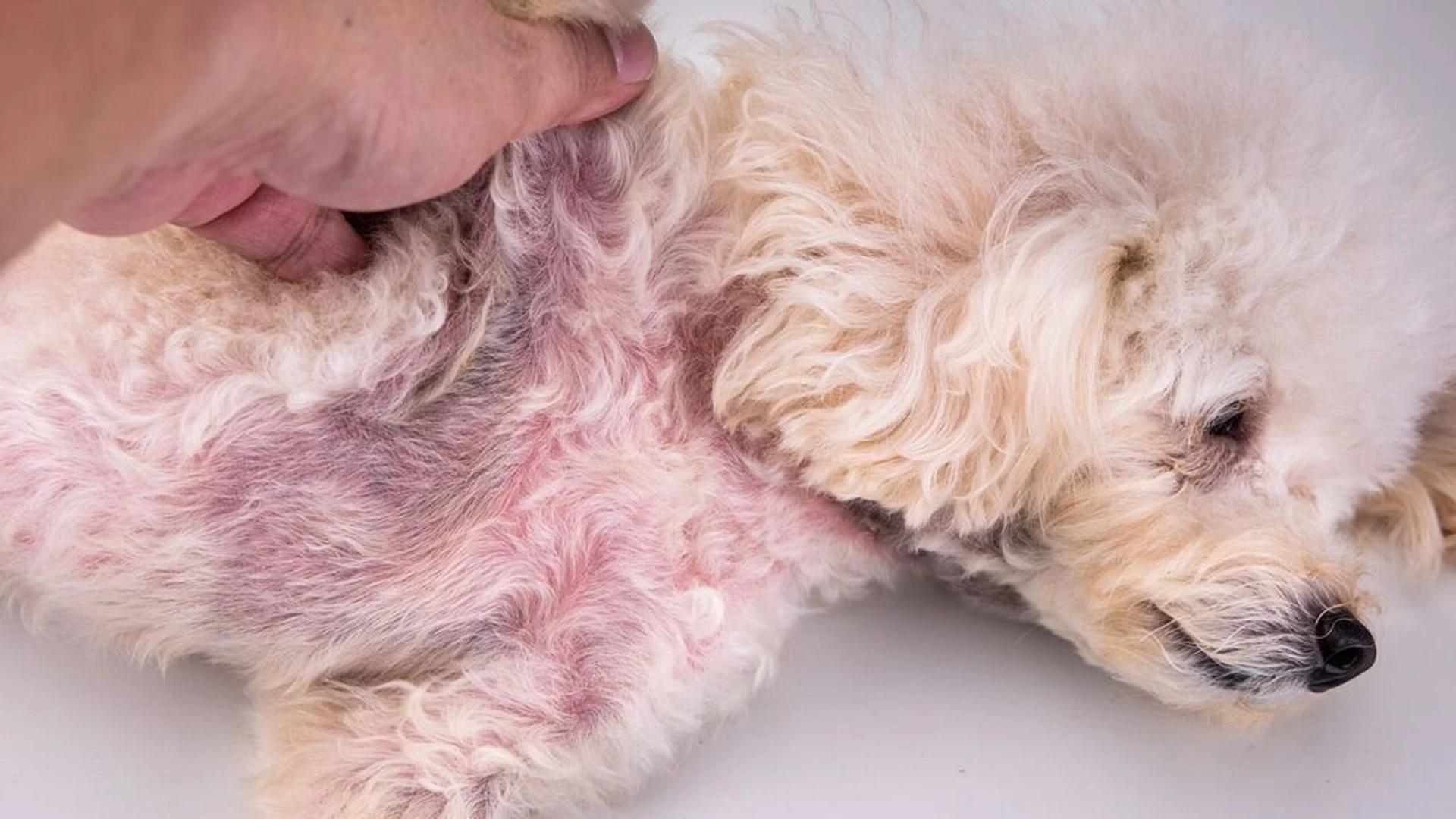

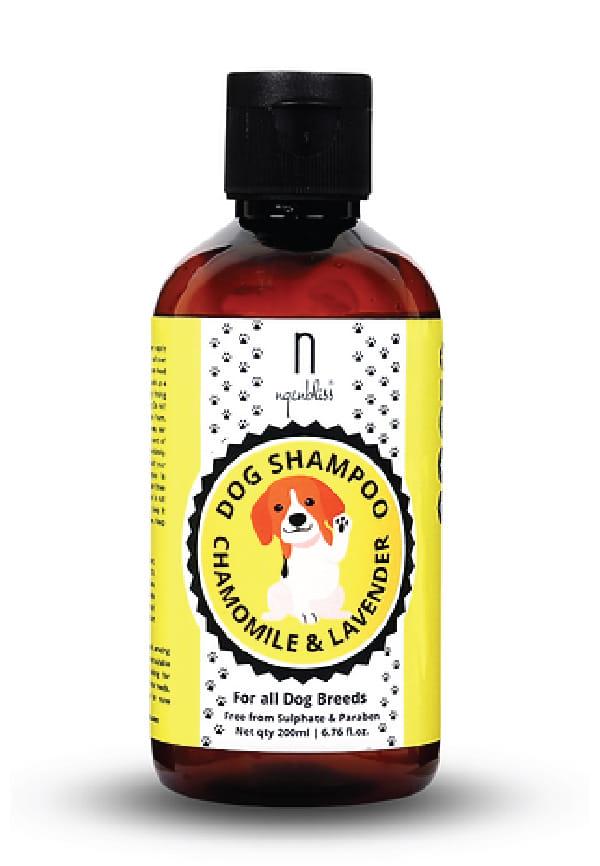
All Natural Dog Shampoo
Summer heat can be brutal for our furry friends, and knowing how to reduce dog heat effectively could literally save your pet's life. Unlike humans, dogs can't sweat through their skin to cool down—they rely mainly on panting and limited sweating through their paw pads. This makes them incredibly vulnerable to overheating, especially during those scorching summer months. Whether you're dealing with a sudden heatwave or planning ahead for warmer weather, understanding proper cooling methods isn't just helpful—it's essential for every dog owner.
Dogs regulate their body temperature very differently from humans, which puts them at a serious disadvantage when temperatures rise. While we can sweat all over our bodies to cool down, dogs primarily rely on panting to release heat through their respiratory system. They also have minimal sweat glands located only in their paw pads, making this cooling method far less effective than human sweating.
Several factors make dogs more susceptible to dog heat exhaustion and overheating. Breeds with flat faces like Bulldogs, Pugs, and Boston Terriers struggle more because their shortened airways make panting less efficient. Older dogs, puppies, and overweight pets also face higher risks. Dogs with thick coats, dark fur, or underlying health conditions need extra attention during hot weather.
The statistics around heat-related pet emergencies are genuinely alarming. Veterinary clinics report a significant spike in heat-related cases during summer months, with many requiring immediate emergency intervention. Signs of overheating in dogs can escalate quickly from mild discomfort to life-threatening situations within minutes, making prevention and early recognition absolutely crucial.
Spotting the early warning signs can make all the difference between a manageable situation and a veterinary emergency. The most common initial symptoms include heavy panting that seems excessive for the activity level, increased drooling, and noticeable lethargy or reluctance to move.
Dog panting heavily is often the first red flag, especially when it continues even after your dog has been resting in a cool area. You'll also notice excessive drooling, often thicker than normal saliva, and your usually energetic pup might seem unusually tired or reluctant to play.
As overheating progresses, you might see glassy or bloodshot eyes, a rapid heartbeat that you can feel when touching their chest, and thick, sticky saliva. These signs indicate that your dog's body is struggling to cope with the heat and needs immediate attention.
If you notice vomiting, collapse, blue or pale gums, or if your dog seems disoriented or unresponsive, this could indicate dog heatstroke—a life-threatening emergency. At this point, you need to start cooling measures immediately while getting to a veterinarian as quickly as possible.
When you suspect your dog is overheating, quick action can prevent the situation from becoming critical. The key is gradual cooling rather than shocking their system with extreme temperature changes. Here's your step-by-step emergency protocol for how to cool down a dog safely and effectively.
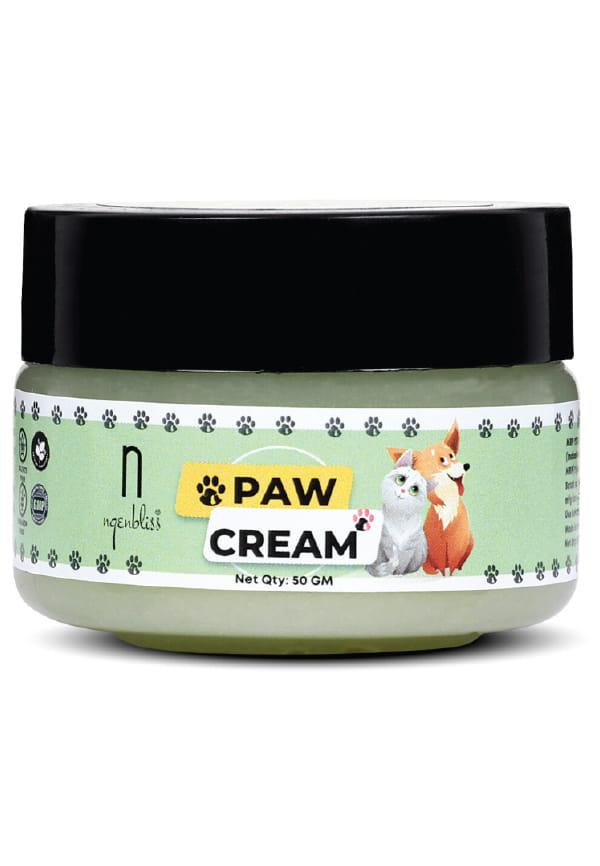
Paw Cream For Dogs And Cats | Suitable For All Dog And Cat Breeds
First, immediately move your dog to a shaded area or indoors with air conditioning. Remove them from any hot surfaces like concrete or asphalt that could continue adding heat to their body.
Apply cool (not ice-cold) water to their paw pads, belly, and inner thighs—these areas have blood vessels close to the surface that help with heat exchange. Offer small amounts of cool water to drink, but don't force it if they're not interested or seem too distressed.
Avoid ice baths or extremely cold water, as this can cause blood vessels to constrict and actually trap heat inside their body. Never force water down their throat if they're unconscious or vomiting, as this could cause choking or aspiration.
Use damp towels on their body, but replace them frequently as they warm up quickly. Position a fan to create airflow around your dog, which helps with evaporative cooling. Emergency dog care heat situations require constant monitoring—check their temperature every few minutes if possible.
Prevention is always better than treatment when it comes to heat-related issues. Smart planning and the right tools can keep your furry friend comfortable and safe throughout the hottest months. Let's explore the most effective dog cooling methods that actually work.
Multiple water bowls around your home and garden ensure your dog always has access to fresh, cool water. Adding ice cubes to their water bowl can make drinking more appealing and provide extra cooling. Some dogs enjoy frozen treats made from low-sodium broth or plain water.
Create shaded areas in your garden using umbrellas, tarps, or shade cloth. Elevated beds allow air circulation underneath your dog, preventing heat absorption from hot ground surfaces. Cooling mats filled with gel or water-activated crystals provide a cool surface for your dog to lie on.
A cooling vest for dogs can be incredibly effective, especially for active dogs or those that need to be outdoors. These vests use evaporative cooling or gel inserts to maintain a lower body temperature. Cooling bandanas work similarly but are less restrictive for smaller dogs or those who dislike wearing vests.
Freeze Kong toys filled with treats or wet food for a cooling snack that keeps them occupied. Damp towels placed in the freezer for a few minutes (not until frozen solid) can provide temporary relief. A shallow paddling pool in the shade gives dogs a chance to cool their paws and belly.

LetsShave EZ-WIZZY 3-in-1 Pet Grooming Kit | Cat & Dog Nail Clippers with Safety Guard, Nail File & Hair Comb | Professional Pet Care Combo for Safe
Adjusting your dog's exercise routine during hot weather isn't just recommended—it's essential for their safety. The timing, intensity, and type of activities all need modification when temperatures soar. Smart scheduling can help prevent dog heat issues while keeping your pup healthy and active.
Early morning walks before 8 AM and evening walks after sunset are your safest bets. The pavement temperature test is crucial—if you can't hold your hand on the pavement for five seconds, it's too hot for your dog's paws.
Reduce the intensity and duration of outdoor activities during peak heat hours. Swimming is an excellent alternative exercise that provides cooling while maintaining fitness. Indoor games like hide-and-seek or puzzle toys can provide mental stimulation without heat exposure.
Never leave your dog in a parked car, even with windows cracked—temperatures can rise to dangerous levels within minutes. If you must travel during hot weather, ensure proper ventilation and frequent water breaks.
Dehydration often goes hand-in-hand with overheating and can be just as dangerous if left untreated. Understanding dog dehydration symptoms helps you catch problems early and take appropriate action. Proper hydration management is a cornerstone of heat prevention strategies.
The skin tent test involves gently pinching the skin on the back of your dog's neck—if it doesn't snap back immediately, dehydration might be developing. Check their gums, which should be moist and pink rather than dry or sticky.
Ensure multiple water sources are available throughout your home and garden. Monitor your dog's water intake, especially on hot days—most dogs need about one ounce of water per pound of body weight daily, more in hot weather.
Gradual rehydration works best—offer small amounts of water frequently rather than allowing them to gulp large quantities. If your dog shows severe dehydration symptoms like lethargy, sunken eyes, or refuses water, veterinary intervention may be necessary.
Firefighter Heat Protection Spray
Prevention involves providing adequate shade, fresh water, and avoiding exercise during peak heat hours. Use cooling products like mats or vests, and always monitor for early signs of overheating.
Heavy panting, excessive drooling, and lethargy are the earliest indicators. Watch for these signs especially after outdoor activities or during hot weather.
Avoid direct ice application as it can cause blood vessels to constrict. Use cool (not cold) water instead, applied to paw pads, belly, and inner thighs.
Recovery time varies depending on severity, but most dogs show improvement within 30-60 minutes of proper cooling. Severe cases may require veterinary treatment and longer recovery periods.
Cooling vests, elevated beds, and gel-filled mats are among the most effective options. The best choice depends on your dog's size, activity level, and tolerance for wearing accessories.
Seek immediate veterinary care if your dog shows signs of heatstroke like vomiting, collapse, blue gums, or doesn't improve with basic cooling measures within 10-15 minutes.
Keeping your dog safe during hot weather requires vigilance, preparation, and quick action when needed. Understanding how to reduce dog heat effectively isn't just about comfort—it's about preventing potentially life-threatening situations. From recognising early warning signs to implementing proven cooling methods, every dog owner should be equipped with these essential skills.
Remember that prevention is always easier than treatment. Simple steps like providing adequate shade, fresh water, and adjusting exercise schedules can make all the difference. When you do need to cool down an overheated dog, gradual cooling methods work best, and knowing when to seek professional help could save your pet's life.
Just as Smytten believes you should never have to settle when it comes to discovering the perfect products for your lifestyle, you should never compromise on your pet's safety and comfort. With over 25 million users trusting Smytten's curated approach to product discovery, the same attention to detail and care should guide your approach to pet heat management—because when it comes to your furry friend's wellbeing, settling for 'maybe' simply isn't an option.
