How to Identify Common Skin Problems in Summer for Pets

Paw Cream For Dogs And Cats | Suitable For All Dog And Cat Breeds
Summer brings longer days, outdoor adventures, and unfortunately, a spike in common skin problems in summer for our furry friends. As temperatures rise and humidity levels soar, pets face unique challenges that can turn their skin into a battleground of irritation, allergies, and infections. Whether you're dealing with your first summer as a pet parent or you're a seasoned pro looking to stay ahead of seasonal issues, knowing how to spot these problems early can save your pet from unnecessary discomfort and potentially serious health complications.
Let's be real—summer is basically a perfect storm for hot weather skin problems pets face every year. The combination of heat, humidity, and increased outdoor activity creates an environment where skin issues can develop rapidly and spread quickly. Unlike human skin, pet skin is more sensitive to environmental changes and lacks the same protective barriers we have.
During summer months, veterinary clinics report a 40% increase in skin-related visits compared to cooler seasons. This spike isn't just coincidence—it's the result of multiple factors working together to create the ideal conditions for skin problems to flourish.
High humidity levels create moisture that gets trapped in your pet's fur, leading to bacterial and fungal growth. Add in increased pollen counts, more time spent outdoors, and exposure to new allergens, and you've got a recipe for skin irritation.
Elevated allergen levels from blooming plants and grasses
Increased parasite activity, especially fleas and ticks
UV exposure causing sunburn and skin damage
Chemical irritants from pool water, fertilisers, and pesticides
Higher bacterial and fungal activity in warm, moist conditions
Recognising summer skin issues dogs and cats face requires understanding what to look for and where these problems typically appear. Each condition has its own signature signs, and catching them early can make treatment much more effective.
From minor irritations to serious infections, summer skin problems can range from mildly annoying to genuinely concerning. Here's what you need to watch for during those warmer months.
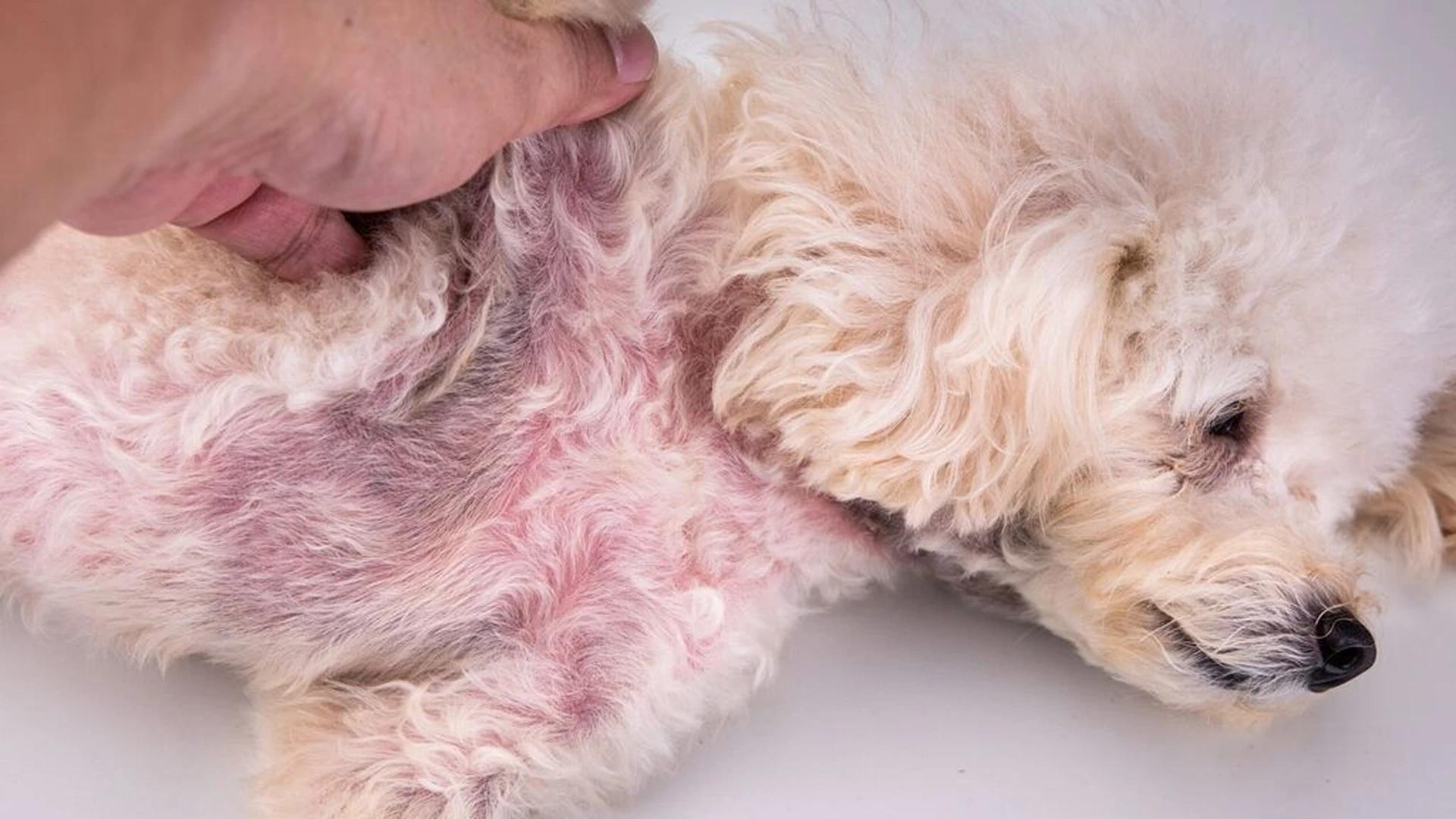
Hot spots are localised areas of inflamed, infected skin that can appear seemingly overnight. These painful sores typically develop in areas where moisture gets trapped—under thick fur, around the neck where collars sit, or in skin folds.
Look for red, moist patches that your pet obsessively licks or scratches. The affected area might feel warm to the touch and could have a foul odour if infection has set in.
Flea allergy dogs experience goes far beyond simple itching. Some pets develop severe allergic reactions to flea saliva, causing intense itching that can lead to secondary skin infections from constant scratching.
Even a single flea bite can trigger an allergic response that lasts for days. You might notice small, raised bumps, excessive scratching, and hair loss in affected areas—particularly around the base of the tail, inner thighs, and lower back.
Pet dermatitis summer cases often stem from contact with irritating plants or chemicals. Poison ivy, oak, and certain grasses can cause allergic reactions, while pool chemicals, fertilisers, and pesticides can irritate sensitive skin.
Symptoms typically appear within 24-48 hours of exposure and include redness, swelling, and sometimes blistering in areas that came into direct contact with the irritant.
Warm, humid conditions create the perfect breeding ground for bacteria and fungi. Dog skin infection cases spike during summer months, particularly in pets who love swimming or spend lots of time outdoors.
Joint & Skin Oil | Natural Hemp Seed Oil for Pets
Watch for areas of skin that appear red, scaly, or have a greasy feel. Fungal infections often have a distinctive musty smell, while bacterial infections might produce pus or have a more unpleasant odour.
Yes, pets can get sunburnt too! Light-coloured animals and those with thin fur are particularly susceptible. Areas like the nose, ear tips, and belly are most vulnerable to UV damage.
Sunburn in pets appears as red, painful skin that might peel or develop sores. Chronic sun exposure can lead to more serious conditions, including skin cancer.
Summer eczema pets develop often results from seasonal allergies that flare up when specific allergens are at their peak. This chronic condition causes intense itching and can lead to thickened, darkened skin over time.
Dog skin rash from eczema typically appears as red, inflamed patches that may ooze or crust over. The constant scratching can cause secondary bacterial infections.
Some pets develop severe reactions to insect bites from mosquitoes, bees, or wasps. While normal reactions cause minor swelling and irritation, hypersensitive pets might experience widespread hives, difficulty breathing, or collapse.
The key to managing pet skin irritation is catching problems before they become serious. Your pet's behaviour often changes before visible symptoms appear, so paying attention to these early signals can save you both a lot of trouble.
Start by watching for changes in your pet's normal routine. Increased scratching, licking, or rubbing against furniture might indicate developing skin problems.
When pets experience dog itchy skin relief needs, they'll often show it through their actions before you see physical symptoms.
Excessive scratching, especially at night
Constant licking or chewing at specific areas
Rubbing against walls, furniture, or carpet
Restlessness or difficulty sleeping
Changes in appetite or energy levels
Avoiding touch in certain areas
Regular skin checks should become part of your routine during summer months. Run your hands through your pet's fur, feeling for bumps, hot spots, or areas of sensitivity.
Check between toes for redness or swelling
Examine ears for discharge or strong odours
Look at the belly and inner thighs for rashes
Feel along the spine and neck for hot spots
Inspect areas where collars or harnesses sit
When your pet is suffering from skin irritation, providing quick relief becomes a top priority. While professional veterinary care might be necessary for serious conditions, there are safe, effective ways to help your furry friend feel more comfortable while you assess the situation.
The goal is to reduce inflammation, prevent further irritation, and keep the affected area clean while you determine whether veterinary intervention is needed.

Letsshave EZ‑WIZZY Pet Trimmer Replacement Blade – Pack of 1 | Sharp & Whisper‑Quiet | Ceramic Blades | Dogs, Cats and All other Furr Animal Grooming
Cool compresses can provide immediate relief for inflamed skin. Use a clean, damp cloth with cool (not cold) water and gently apply to affected areas for 5-10 minutes at a time.
Oatmeal baths can soothe irritated skin naturally
Aloe vera gel (pet-safe formulations only) for minor burns or irritation
Cool, clean water rinses to remove allergens or irritants
Gentle, hypoallergenic shampoos for overall skin health
Environmental modifications can significantly impact your pet's comfort level during skin flare-ups. Keep indoor temperatures cool and humidity levels low to prevent additional irritation.
Provide plenty of fresh water and ensure your pet has access to cool, shaded areas when outdoors. Consider using fans or air conditioning to improve air circulation around your pet's favourite resting spots.
Prevention truly is the best medicine when it comes to common skin problems in summer. Establishing a solid routine that addresses the unique challenges of warmer weather can help your pet avoid many of the issues that plague other animals during this season.
Think of summer skin care as an investment in your pet's overall health and happiness. A little extra attention during the warmer months can prevent weeks of discomfort and expensive veterinary treatments.
Regular brushing removes dead hair, distributes natural oils, and allows you to spot problems early. For long-haired breeds, daily brushing prevents matting that can trap moisture and bacteria against the skin.
Brush thoroughly, paying attention to areas prone to matting
Check for fleas, ticks, or other parasites
Wipe paws after outdoor activities
Keep nails trimmed to reduce scratching damage
Your pet's environment plays a huge role in skin health. Simple changes can make a significant difference in preventing hot weather skin problems pets typically face.
Provide adequate shade and ventilation
Use cooling mats or elevated beds for better air circulation
Maintain clean, dry bedding
Regular cleaning of food and water bowls
Proper ventilation in sleeping areas
While swimming can be great exercise, it also introduces new risks for skin problems. Always rinse your pet with fresh water after swimming to remove chlorine, salt, or bacteria that might irritate the skin.
Don't over-bathe your pet, as this can strip natural oils and actually increase skin sensitivity. Most pets only need baths every 4-6 weeks unless they get particularly dirty or smelly.
Knowing when to seek professional help can be the difference between a minor skin irritation and a serious health problem. While many skin issues can be managed at home initially, certain symptoms require immediate veterinary attention.
Don't wait if you notice signs of systemic illness or if your pet's condition is worsening despite your care efforts. Early intervention often leads to better outcomes and less expensive treatment options.

LetsShave EZ-WIZZY 2 in 1 Pet Shampoo for Dogs (1000ml), Enriched with Pomegranate & Aloe Vera Juice, Puppy Safe Formula, Shampoo & Conditioner for D
Some skin problems can quickly become life-threatening, especially if they're part of a severe allergic reaction or if secondary infections develop.
Difficulty breathing or swelling around the face and throat
Widespread hives or sudden onset of severe symptoms
Open wounds that won't stop bleeding
Signs of systemic illness (fever, lethargy, loss of appetite)
Skin that feels hot to the touch or has red streaking
Veterinarians have access to prescription medications and treatments that can provide relief when over-the-counter options aren't enough. These might include antibiotics for bacterial infections, antifungal medications, or specialised shampoos and topical treatments.
For chronic conditions, your vet might recommend allergy testing to identify specific triggers, allowing for more targeted prevention strategies.
Skin problems can develop within hours to days, depending on the cause. Hot spots can appear overnight, while allergic reactions typically develop within 24-48 hours of exposure. Bacterial infections might take several days to become noticeable.
Yes, breeds with thick coats (like Golden Retrievers), wrinkled skin (Bulldogs, Pugs), or light-coloured fur are more prone to summer skin problems. Breeds with allergic tendencies also face higher risks during allergy season.
Absolutely. Indoor pets can still be affected by allergens brought in on clothing, increased humidity, and air conditioning that might dry out their skin. They're also susceptible to flea infestations if other pets or wildlife introduce parasites.
Allergies typically cause symmetrical patterns of irritation and intense itching without discharge. Infections often produce odour, discharge, and may be localised to specific areas. Allergies tend to be seasonal, while infections can occur anytime.
Daily checks are ideal during peak summer months, especially for outdoor pets. At minimum, examine your pet's skin thoroughly twice a week, paying special attention to areas prone to problems like paws, ears, and skin folds.
Oatmeal baths, cool compresses, and coconut oil (in small amounts) can provide relief for minor irritations. However, always consult your vet before trying home remedies, as some natural products can actually worsen certain conditions.
Seek veterinary care if symptoms persist for more than 2-3 days, worsen despite treatment, or if your pet shows signs of systemic illness. Any open wounds, severe swelling, or breathing difficulties require immediate attention.
Summer skin problems in pets are incredibly common, but they're also largely preventable with the right knowledge and care routine. The key is staying vigilant, acting quickly when problems arise, and knowing when to seek professional help.
Just as we humans need different skincare routines for different seasons, our pets benefit from adjusted care during the warmer months. While you're taking care of your furry friend's skin health, don't forget about your own summer skincare needs. Smytten offers curated trial packs from trusted brands, letting you discover the perfect products for your summer routine without committing to full-size purchases. With over 1,500 brands available and the convenience of trying before you buy, finding your ideal skincare solutions has never been easier. After all, both you and your pet deserve to feel comfortable and healthy all summer long.
