How to Identify Common Cat Skin Conditions and Their Causes


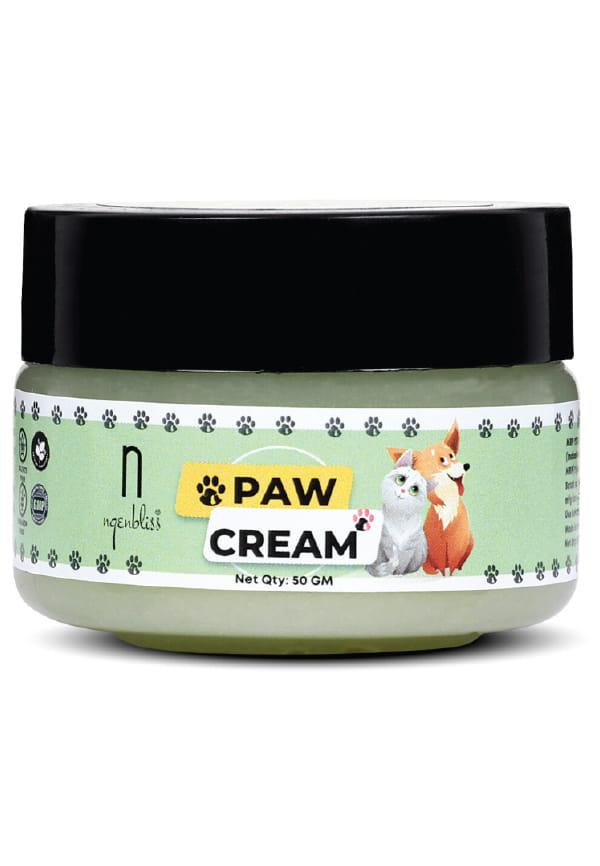
Paw Cream For Dogs And Cats | Suitable For All Dog And Cat Breeds
Your furry friend's been scratching more than usual, and you've spotted some concerning patches on their coat. Sound familiar? Common cat skin conditions affect millions of felines worldwide, and knowing how to spot them early can make all the difference. From flea allergies to mysterious rashes, cat skin problems come in many forms—but the good news is that most are treatable once you know what you're dealing with. Let's dive into the world of feline dermatology and help you become a pro at identifying what's bugging your cat's skin.
Cat skin is surprisingly delicate, despite that protective fur coat. Unlike human skin, feline skin is thinner and more sensitive to environmental changes, making cats prone to various skin issues in cats. The skin serves as the first line of defence against bacteria, allergens, and parasites, but when this barrier is compromised, problems can escalate quickly.
Research shows that skin conditions affect approximately 15-20% of cats at some point in their lives. These issues can range from minor irritations to serious conditions that impact your cat's quality of life. What makes feline skin problems particularly tricky is that cats are masters at hiding discomfort—by the time you notice symptoms, the condition might have been developing for weeks.
The impact goes beyond just physical discomfort. Chronic skin problems can lead to behavioural changes, decreased appetite, and even depression in cats. Some conditions, like certain fungal infections, can also pose risks to human family members, making early identification and treatment crucial for everyone's wellbeing.
Recognising the signs of different skin conditions is your first step towards helping your feline friend. Each type of cat skin disease has its own signature appearance and pattern, making identification easier once you know what to look for.
This tops the list of common cat skin conditions and appears as small, red bumps scattered across your cat's skin. You'll typically spot these irritated areas at the base of the tail, around the neck, and behind the ears—places where fleas love to hang out.
The telltale signs include intense scratching, often to the point where your cat creates open sores. Cat fur loss in these areas is common, and you might notice your cat seems restless or agitated, especially during grooming sessions.
Miliary dermatitis gets its name from the tiny bumps that resemble millet seeds scattered across your cat's skin. These small, crusty bumps can appear anywhere on the body but are often concentrated along the back and neck area.
This condition is usually a symptom of an underlying allergy rather than a disease itself. The bumps feel rough to the touch and may be accompanied by excessive scratching or over-grooming behaviour.
Despite its name, ringworm isn't caused by worms but by a fungus. This cat skin infection creates distinctive circular patches of hair loss with scaly, crusty edges. The affected areas often have a characteristic ring-like appearance with clearer skin in the centre.
What makes ringworm particularly concerning is its contagious nature—it can spread to other pets and humans in the household. Early patches might be small, but they can expand rapidly if left untreated.
Bacterial infections typically develop as secondary complications from scratching or wounds. These infections present as red, inflamed areas with pus-filled bumps, crusts, and sometimes a distinct odour.
Hot spots—localised areas of intense inflammation—are common with bacterial infections. These areas feel warm to the touch and can develop rapidly, sometimes appearing overnight.
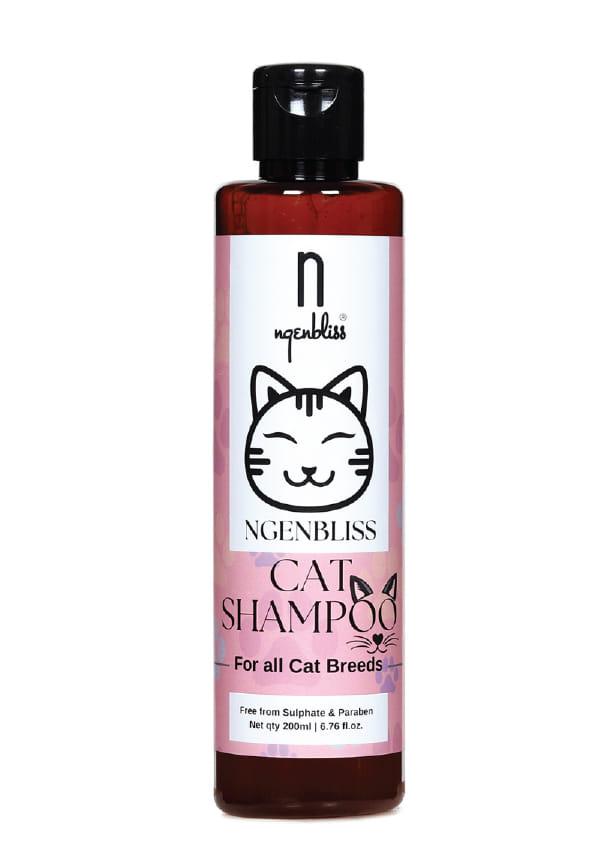
Cat Shampoo - Suitable For All Cat Breeds
Cat allergies skin reactions can manifest in various ways, from generalised redness to specific patterns of irritation. Food allergies often cause symmetrical hair loss and itchy cat skin around the face and neck, while environmental allergies might affect the entire body.
Seasonal patterns can help identify environmental triggers—if symptoms worsen during spring or autumn, pollen or other seasonal allergens might be the culprit.
Understanding what triggers feline dermatitis helps you tackle the problem at its source rather than just treating symptoms. Most skin conditions have multiple contributing factors, making a comprehensive approach essential for long-term success.
Fleas remain the number one cause of skin problems in cats, but they're not the only culprits. Mites, ticks, and lice can all trigger intense skin reactions. Even indoor cats aren't completely safe—parasites can hitchhike on clothing, other pets, or through open doors.
The key is understanding that you don't need to see the parasites to have a problem. Flea allergy dermatitis can persist long after fleas are eliminated, as the allergic reaction continues even with minimal exposure.
Your home environment plays a huge role in your cat's skin health. Dust mites, pollen, mould spores, and even certain fabrics can trigger allergic reactions. Household cleaning products, air fresheners, and laundry detergents are common culprits behind contact dermatitis.
Seasonal changes often reveal environmental triggers. If your cat's skin problems worsen during specific times of the year, environmental allergens are likely involved.
Food allergies develop over time, often to proteins your cat has been eating for months or years. Common problematic ingredients include chicken, beef, fish, and dairy products. Unlike environmental allergies, food allergies typically cause year-round symptoms.
Poor nutrition can also compromise skin health. Cats need specific fatty acids and nutrients to maintain healthy skin barriers, and deficiencies can make them more susceptible to infections and allergic reactions.
Stress manifests in many ways, and excessive grooming leading to cat skin rash is surprisingly common. Changes in routine, new pets, moving house, or even rearranging furniture can trigger stress-related skin problems.
Psychogenic alopecia—hair loss from over-grooming—often creates symmetrical bald patches on easily accessible areas like the belly, inner thighs, and forelegs.
Regular skin checks help you catch problems early when they're easier to treat. The key is developing a systematic approach that becomes routine for both you and your cat.
Start your examination in good lighting, preferably natural daylight. Begin at the head and work systematically towards the tail, parting the fur to examine the skin underneath. Look for redness, scaling, bumps, or any changes in skin colour or texture.

LetsShave EZ-WIZZY 3-in-1 Pet Grooming Kit | Cat & Dog Nail Clippers with Safety Guard, Nail File & Hair Comb | Professional Pet Care Combo for Safe
Pay special attention to areas where problems commonly develop: the base of the tail, behind the ears, under the chin, and around the neck. These spots are flea favourites and often show the first signs of skin issues.
Changes in grooming behaviour often signal skin problems before visible symptoms appear. Increased scratching, especially at specific times of day, or obsessive licking of particular areas are red flags worth investigating.
Monitor your cat's coat quality during regular petting sessions. Healthy cat fur should feel soft and smooth, not greasy, dry, or brittle. Any changes in texture or the appearance of dandruff warrant closer inspection.
Learning to differentiate between various cat skin problems takes practice, but certain patterns can guide your assessment. Symmetrical hair loss often suggests allergies or stress-related over-grooming, while localised infections typically appear as isolated patches.
The distribution of symptoms provides valuable clues—flea allergies concentrate around the tail and neck, while food allergies often affect the face and ears. Taking photos can help track changes over time and provide valuable information for your veterinarian.
While minor skin irritations might resolve on their own, certain situations require professional intervention. Knowing when to seek help can prevent minor issues from becoming major problems.
Some skin conditions require immediate veterinary attention. Rapidly spreading lesions, signs of systemic illness like lethargy or loss of appetite, or any condition affecting your cat's eyes or breathing needs urgent care.
Open wounds, especially those with pus or foul odours, can indicate serious bacterial infections that might spread to other parts of the body if left untreated.
Veterinarians have several tools for diagnosing skin conditions accurately. Skin scrapings can identify mites or fungal infections, while bacterial cultures help determine the most effective antibiotics for infections.
Allergy testing, though more involved, can identify specific triggers for chronic skin problems. This information proves invaluable for long-term management strategies.
Treatment varies significantly depending on the underlying cause. Topical treatments work well for localised infections, while systemic medications might be necessary for widespread conditions or underlying allergies.
Many chronic skin conditions require long-term management rather than one-time treatments. Working with your veterinarian to develop a comprehensive care plan ensures the best outcomes for your cat's skin health.
Prevention remains the best medicine when it comes to cat skin health. A proactive approach can prevent many common conditions from developing in the first place.
Consistent grooming helps maintain healthy skin and allows early detection of problems. Brush your cat regularly to remove dead hair and distribute natural oils throughout the coat. This also provides an opportunity for regular skin inspections.
Bathing frequency depends on your cat's lifestyle and coat type, but most cats benefit from occasional baths with gentle, cat-specific shampoos. Over-bathing can strip natural oils and actually worsen skin problems.
Effective flea prevention forms the cornerstone of skin health maintenance. Modern flea preventatives are highly effective and much easier to use than traditional methods. Treating all pets in the household simultaneously prevents re-infestation.
Reducing environmental allergens through regular cleaning, air purification, and careful product selection can significantly impact cats with sensitive skin. Choose fragrance-free cleaning products and avoid aerosol sprays around your cat.
High-quality nutrition supports healthy skin from the inside out. Look for foods rich in omega-3 and omega-6 fatty acids, which help maintain skin barrier function and reduce inflammation.
For cats with known food allergies, hypoallergenic diets featuring novel proteins or hydrolysed ingredients can prevent allergic reactions while providing complete nutrition.
Flea allergy dermatitis tops the list of common cat skin conditions. Even indoor cats can develop this condition from minimal flea exposure, and the allergic reaction can persist long after fleas are eliminated.
Skin infections typically present with localised areas of pus, crusts, and distinct odours, while allergies usually cause symmetrical patterns of itching and redness. Infections often develop secondary to scratching from allergic reactions.
Absolutely. Stress-induced over-grooming can create bald patches and skin irritation. Changes in environment, routine, or household dynamics can trigger these behavioural responses that manifest as physical skin problems.
Some conditions like ringworm can spread to humans, while others like flea allergies are species-specific. Always practice good hygiene when handling cats with skin conditions and consult your doctor if you develop unusual skin symptoms.
Healing time varies significantly by condition type. Bacterial infections may resolve within 1-2 weeks with proper treatment, while chronic allergies require ongoing management. Fungal infections like ringworm can take 6-12 weeks to completely clear.
Identifying common cat skin conditions early makes treatment more effective and prevents unnecessary suffering for your feline friend. Remember that skin problems often have multiple contributing factors, so successful treatment usually requires addressing underlying causes rather than just surface symptoms.
Just as we humans benefit from trying different skincare products to find what works best for our unique needs, cats sometimes need personalised approaches to maintain healthy skin. While this guide helps you understand and identify various skin conditions, always consult with a veterinarian for proper diagnosis and treatment plans. Your cat's skin health deserves the same careful attention you'd give to your own—after all, healthy skin means a happier, more comfortable cat.
