How to Choose the Best House Pet for Your Home


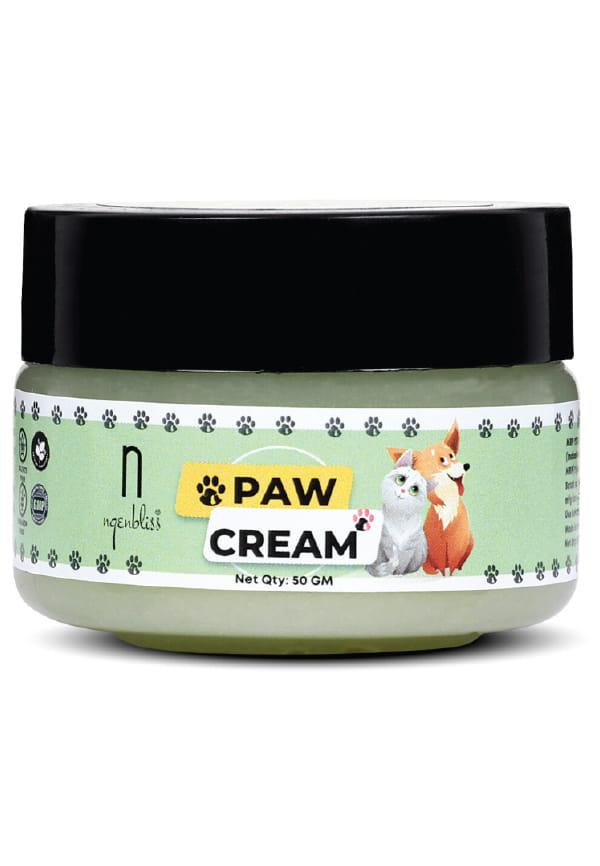
Paw Cream For Dogs And Cats | Suitable For All Dog And Cat Breeds
Choosing which pet is good for home can feel overwhelming when you're staring at endless options. From fluffy companions that follow you around to quiet creatures that mind their own business, the perfect pet for your space is out there. The trick is matching your lifestyle, living situation, and personal preferences with a furry, feathered, or scaled friend that'll actually thrive in your environment. Let's break down everything you need to know to find your ideal companion without the guesswork.
Before falling head over heels for those adorable puppy eyes or mesmerising fish tanks, take a proper look at your actual living situation. Your dream pet might not be the right fit if your lifestyle doesn't align with their needs.
Your home size directly impacts which best house pets will be comfortable and happy. A Great Dane in a studio flat isn't just impractical—it's unfair to the dog.
Apartment dwellers should consider pets for apartments like cats, small dog breeds, or fish. These animals adapt well to limited space and won't drive your neighbours mad with constant noise. If you've got a house with a garden, you've got more flexibility for larger dogs or outdoor-loving rabbits.
Think about noise restrictions too. Some buildings have strict policies about barking, and even the chattiest parrot might not go down well with thin walls.
Real talk—if you're working 12-hour days and travelling every other weekend, a high-maintenance pet isn't going to work. Low maintenance pets like fish or reptiles might be more your speed.
Dogs need walks, feeding schedules, and plenty of attention. Cats are more independent but still require daily interaction and care. Fish and small reptiles, on the other hand, can handle your busy lifestyle without feeling neglected.
Pet ownership costs go way beyond the initial purchase price. Factor in food, veterinary bills, grooming, toys, and emergency medical expenses. A hamster might cost ₹500 initially, but a dog could set you back ₹20,000 or more in the first year alone.
Monthly expenses vary dramatically too. Fish might cost ₹200 monthly for food and tank maintenance, while dogs can easily run ₹3,000-5,000 monthly when you include quality food, treats, and regular vet check-ups.
Different pets suit different lifestyles, and knowing which category fits your situation makes the decision much clearer. Let's explore the most popular options and what makes each special.
If you love the idea of a pet but can't commit to daily walks or constant attention, these easy to care for pets might be perfect.
Betta fish are gorgeous, relatively hardy, and need feeding just once or twice daily. A simple tank setup with a filter and heater keeps them happy, and they're fascinating to watch.
Leopard geckos are brilliant for beginners. They eat every few days, don't need special lighting, and are generally healthy pets that live for years with minimal intervention.
Hamsters are active, entertaining, and require basic daily care. Fresh food, water, and a clean cage keep them content, plus they're small enough for any living space.

Letsshave EZ‑WIZZY Pet Trimmer Replacement Blade – Pack of 1 | Sharp & Whisper‑Quiet | Ceramic Blades | Dogs, Cats and All other Furr Animal Grooming
Limited space doesn't mean limited options. These indoor pets thrive in smaller environments and adapt well to apartment living.
Small dog breeds like Pugs, French Bulldogs, or Chihuahuas can be excellent apartment companions. They need less exercise than larger breeds and are generally content with indoor play and short walks.
Cats are natural apartment dwellers. They're independent, use litter boxes, and provide companionship without needing outdoor access. Plus, they're excellent at entertaining themselves.
Birds like budgies or parakeets bring personality and colour to small spaces. They're social, can learn to talk, and don't require massive cages or outdoor time.
If you've got kids or want a pet that's part of family activities, these family friendly pets are worth considering.
Dogs remain the classic family pet for good reason. Breeds like Labrador Retrievers, Golden Retrievers, and Beagles are patient with children, protective, and love being involved in family life.
Rabbits are gentle, can be litter trained, and enjoy interaction without being overwhelming. They're perfect for families who want something different from the typical cat-or-dog choice.
First-time pet owners often worry about making mistakes or choosing something too complicated. These beginner-friendly options offer the joy of pet ownership without the steep learning curve.
Small pets for beginners are forgiving, affordable, and teach basic pet care skills without overwhelming new owners.
Guinea pigs are social, gentle, and relatively easy to care for. They need fresh vegetables daily, clean bedding, and social interaction, but they're hardy and communicate their needs clearly.
Hermit crabs are fascinating, low-maintenance pets that don't require daily feeding. They're perfect for learning about pet responsibility without major time commitments.
Some animals are naturally suited to indoor living and actually prefer the safety and climate control of home environments.
Reptiles like bearded dragons or ball pythons thrive indoors with proper heating and lighting. They're calm, don't make noise, and have predictable care requirements.
Fish tanks create beautiful focal points while housing low-maintenance companions. From simple goldfish to elaborate tropical setups, aquariums suit any skill level.
Some households have specific needs that standard pet recommendations don't address. Whether you're dealing with allergies or noise restrictions, there are still plenty of options.
Hypoallergenic pets can make pet ownership possible for families with allergies or sensitivities.
Certain dog breeds like Poodles, Bichon Frises, or Portuguese Water Dogs produce fewer allergens. While no dog is 100% hypoallergenic, these breeds are much better for sensitive individuals.
Fish, reptiles, and amphibians produce no airborne allergens, making them perfect for severely allergic households. They still provide the joy of pet ownership without triggering reactions.
Quiet pets are essential for apartment living or households that value peace and tranquillity.
Fish are completely silent companions that provide visual interest and calming effects. Watching fish swim has proven stress-reducing benefits.
Most reptiles and small mammals like hamsters or guinea pigs make minimal noise. Even when they do vocalise, it's usually soft and brief.
Pets offer incredible emotional support and mental health benefits. Choosing the right companion can genuinely improve your daily well-being and provide comfort during tough times.
Different pets offer varying levels of emotional connection and stress relief benefits.
Cats are particularly effective at reducing cortisol levels and increasing serotonin production. Their purring has therapeutic frequencies that promote healing and relaxation.
Dogs provide active companionship and encourage physical activity through walks and play. They're incredibly intuitive about human emotions and offer unconditional love.
Fish create meditative environments that promote mindfulness and calm. Aquarium maintenance can be therapeutic, and watching fish swim reduces anxiety.
Some pets are naturally more interactive and social than others, depending on what kind of relationship you're seeking.
High-interaction pets like dogs, cats, and certain birds actively seek human attention and form strong bonds. They're perfect if you want a pet that's truly part of your daily life.
Moderate-interaction options like rabbits or guinea pigs enjoy human company but are also content entertaining themselves. They offer companionship without being demanding.
Now that you've explored the options, it's time to make a decision that works for everyone involved. Consider these final factors before committing to your new companion.
Think about activity levels, lifespan, and growth potential when making your choice.
High-energy pets like young dogs need active owners who enjoy walks, play sessions, and training. Low-energy options like older cats or fish suit more sedentary lifestyles.
Consider lifespan carefully. Fish might live 2-5 years, while cats and dogs can live 15+ years. Make sure you're prepared for the long-term commitment.
Proper preparation ensures your new pet settles in smoothly and safely.
Create a shopping list of essential supplies: food, bedding, toys, and safety equipment. Pet-proof your home by removing hazards and securing dangerous items.
Research local veterinarians and emergency animal hospitals. Having these contacts ready prevents panic during health emergencies.
Just like discovering the perfect skincare routine through trial and exploration, finding your ideal pet companion takes thoughtful consideration of your unique needs and lifestyle. At Smytten, we understand the importance of making informed choices before committing to something long-term. While we help millions discover their perfect beauty and wellness products through trial-sized options, choosing the right pet requires the same careful approach—understanding what works for your specific situation before making that life-changing decision.
Fish, hamsters, and guinea pigs are excellent starter pets. They're forgiving, have simple care requirements, and teach basic pet responsibility without overwhelming new owners.
Betta fish, hermit crabs, and small reptiles like leopard geckos require minimal daily care and thrive in apartment environments with proper setup.
Guinea pigs, rabbits, and gentle dog breeds like Golden Retrievers are patient with children and provide safe, interactive companionship for growing families.
Fish, reptiles, and amphibians produce no airborne allergens. Some dog breeds like Poodles and Bichon Frises are also better choices for allergy sufferers.
Fish are completely quiet companions, while reptiles and most small mammals make minimal noise that won't disturb neighbours or household peace.
Fish generally have the lowest ongoing costs, requiring only food and occasional tank maintenance. Small reptiles and hermit crabs are also budget-friendly options.
Choosing which pet is good for home comes down to honest self-assessment and realistic expectations. The best house pets are those that match your lifestyle, living space, and commitment level. Whether you're drawn to the interactive companionship of dogs and cats or prefer the peaceful presence of fish and reptiles, there's a perfect pet waiting for your home.
Remember that pet ownership is a long-term commitment that brings both joy and responsibility. Take time to research, prepare properly, and choose based on what you can realistically provide rather than just what appeals to you in the moment. Your future self—and your pet—will thank you for making a thoughtful, informed decision.
