How to Address Hair Loss in Dogs: Causes and Solutions

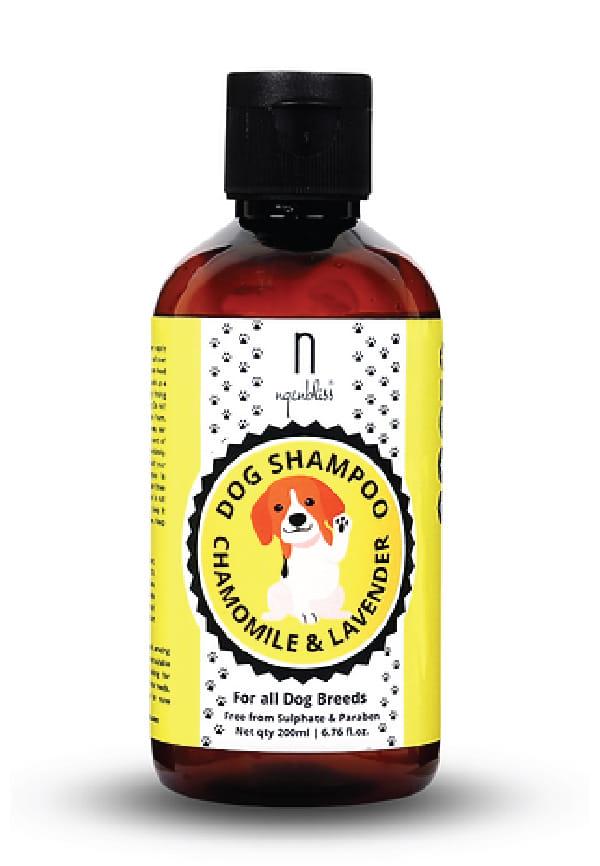
All Natural Dog Shampoo
Watching your furry mate lose hair can be proper worrying, especially when you're not sure if it's normal shedding or something that needs attention. Hair loss in dogs is more common than you might think, but knowing when to be concerned and what steps to take can make all the difference for your pup's health and happiness. From seasonal shedding to more serious conditions like dog alopecia, understanding the causes and solutions will help you keep your four-legged friend looking and feeling their best.
Let's be real—all dogs shed to some degree, but there's a massive difference between your Labrador's seasonal coat blow-out and concerning hair loss that signals health issues. Normal dog shedding happens throughout the year, with heavier periods during spring and autumn when dogs naturally shed their winter or summer coats.
Breeds like Huskies, Golden Retrievers, and German Shepherds are notorious for their dramatic seasonal shedding sessions. You'll find tumbleweeds of fur rolling around your house, but this is completely normal. However, when shedding becomes excessive shedding in dogs or creates noticeable dog bald spots, it's time to pay closer attention.
Warning signs that indicate your dog's hair loss needs veterinary attention include sudden patches of missing fur, red or inflamed skin underneath, strong odours coming from the affected areas, or your pup constantly scratching and licking specific spots. If you notice your dog's coat becoming patchy rather than just thinning evenly, this could signal dog skin conditions that require professional care.
Dog alopecia can stem from various causes, ranging from pesky parasites to complex hormonal imbalances. Understanding these hair loss causes in dogs helps you identify potential issues early and seek appropriate treatment.
Fleas are probably the most common culprits behind dog itchy skin and hair loss. These tiny vampires don't just cause discomfort—they can trigger allergic reactions that lead to excessive scratching and subsequent hair loss. Ticks, whilst less likely to cause widespread hair loss, can create localised irritation and secondary infections.
Mange mites, particularly demodex mites, are microscopic parasites that live in hair follicles and can cause significant dog hair thinning. Sarcoptic mange (scabies) is highly contagious and creates intense itching, leading to severe hair loss from constant scratching.
Ringworm, despite its name, isn't actually a worm but a fungal infection that creates circular patches of hair loss. These areas often appear scaly or crusty and can spread to other pets and even humans.
Environmental allergies to pollen, dust mites, or mould can trigger intense itching that results in self-inflicted hair loss. Your dog might develop hot spots—red, inflamed areas where they've licked or scratched excessively.
Food sensitivities can also manifest as skin problems and hair loss. Common allergens include beef, chicken, dairy, wheat, and soy. Contact allergies from harsh shampoos, cleaning products, or even certain fabrics can cause localised hair loss where the irritant touches your dog's skin.
Hypothyroidism is a common cause of dog hair thinning, particularly in middle-aged dogs. This condition slows down metabolism and often creates symmetrical hair loss patterns, typically starting on the trunk and back legs.
Cushing's disease, caused by excess cortisol production, can create a distinctive pattern of hair loss along with other symptoms like increased thirst and appetite. Other endocrine disorders, including diabetes and reproductive hormone imbalances, can also affect coat quality and growth.
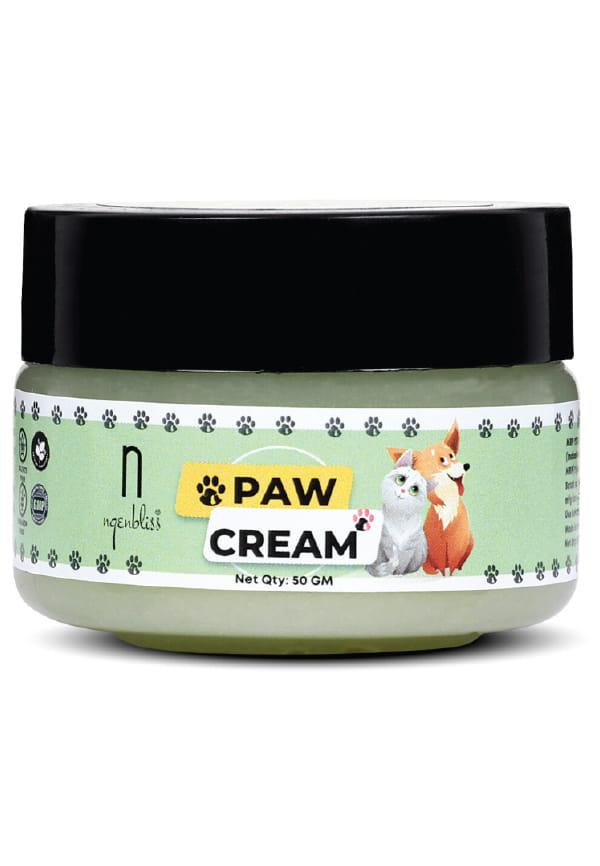
Paw Cream For Dogs And Cats | Suitable For All Dog And Cat Breeds
Various dog skin conditions can lead to progressive hair loss if left untreated. Dermatitis, whether from allergies or irritants, creates inflammation that damages hair follicles and prevents healthy hair growth.
Autoimmune conditions like pemphigus or lupus can cause the immune system to attack hair follicles, resulting in patchy hair loss. These conditions are less common but require immediate veterinary attention and ongoing management.
Sometimes, the simplest causes create the most frustration. Pressure sores from tight collars, harnesses, or constant lying on hard surfaces can create bald patches. Stress-induced overgrooming is another behavioural cause where anxious dogs lick or chew their fur excessively, creating bald spots and irritated skin.
The itch-scratch cycle is a vicious loop where itching leads to scratching, which damages the skin and hair follicles, creating more irritation and subsequent itching. Breaking this cycle is crucial for allowing hair to regrow and skin to heal.
Many pet parents notice their dog itching and losing hair but can't find any obvious fleas or parasites. This scenario often points to allergies, dry skin, or underlying skin conditions that aren't immediately visible. Secondary bacterial infections can develop from constant scratching, creating additional complications that require specific treatment.
When home observation isn't enough, professional dog dermatology expertise becomes essential. Veterinary dermatologists have specialised training to diagnose complex skin and hair conditions that general practitioners might miss.
Sudden or severe hair loss, especially when accompanied by red, inflamed, or scaly skin, warrants immediate veterinary attention. If you notice strong odours, scabs, bleeding, or your dog seems unwell beyond just the skin issues, don't wait to seek professional help.
Systemic symptoms like excessive thirst, appetite changes, lethargy, or weight fluctuations alongside hair loss could indicate serious underlying conditions like hormonal disorders or autoimmune diseases.
Your vet might perform skin scrapes to check for mites or other parasites under a microscope. Hair cultures help identify fungal infections like ringworm, whilst blood tests can reveal hormonal imbalances or other systemic issues.
Allergy testing, either through blood work or intradermal testing, can identify specific environmental or food allergens. In complex cases, skin biopsies might be necessary to diagnose autoimmune conditions or rule out more serious diseases.
Treatment approaches vary dramatically depending on the underlying cause of your dog's hair loss. What works for parasitic infections won't help hormonal imbalances, which is why proper diagnosis is so crucial.
Hormonal disorders typically require ongoing medication management. Hypothyroidism responds well to daily thyroid hormone replacement therapy, whilst Cushing's disease might need medications to control cortisol production.

LetsShave EZ-WIZZY Wash & Wow Pet Shampoo for Dogs & Cats | Shampoo & Conditioner with Oatmeal, Coconut Oil, Amla & Shikakai | Rich Lather, Soft Fur,
Bacterial infections require appropriate antibiotics, either topical or systemic depending on severity. Antifungal treatments for ringworm can include oral medications, medicated shampoos, or topical creams applied to affected areas.
Autoimmune conditions often need immunosuppressive therapy to prevent the immune system from attacking hair follicles and skin cells.
Medicated shampoos containing ingredients like chlorhexidine, ketoconazole, or benzoyl peroxide can address bacterial and fungal infections whilst soothing irritated skin. These specialised products require proper application techniques and frequency to be effective.
Moisturising treatments help restore the skin barrier function, particularly important for dogs with dry skin or allergies. However, proper bathing frequency is crucial—too much washing can strip natural oils and worsen skin conditions.
Whilst professional veterinary care is essential for diagnosing and treating serious conditions, there are safe home management strategies that can support your dog's skin and coat health. However, it's important to understand when home remedies are appropriate versus when professional intervention is necessary.
Just like how Smytten helps people discover the right products for their needs through trial-sized options, finding the right approach for your dog's skin health often involves trying different strategies under veterinary guidance. The platform's philosophy of never settling for 'maybe' applies perfectly to pet care—you shouldn't have to guess what might work for your furry friend's health.
Dietary improvements can significantly impact coat health. High-quality proteins provide the building blocks for healthy hair growth, whilst omega-3 fatty acid supplements can reduce inflammation and improve skin barrier function.
Gentle grooming techniques help distribute natural oils and remove loose hair before it becomes matted or creates skin irritation. Regular brushing also allows you to monitor your dog's skin condition and catch problems early.
Environmental modifications for allergic dogs might include using air purifiers, washing bedding frequently in hypoallergenic detergents, or limiting exposure to known triggers during high pollen seasons.
Essential nutrients for hair growth include high-quality proteins, zinc, vitamin E, and biotin. Many commercial dog foods provide adequate nutrition, but dogs with skin conditions might benefit from specialised diets or supplements.
Identifying nutritional deficiencies requires professional assessment, as over-supplementation can sometimes cause more harm than good. Your vet can recommend appropriate dietary changes or supplements based on your dog's specific needs.
Prevention is always better than treatment when it comes to pet-care hair loss. Regular grooming sessions aren't just about keeping your dog looking smart—they're opportunities to monitor skin health and catch problems before they become serious.
Parasite prevention protocols, including regular flea and tick treatments, can prevent many common causes of hair loss. Year-round prevention is often more effective and cost-efficient than treating infestations after they occur.
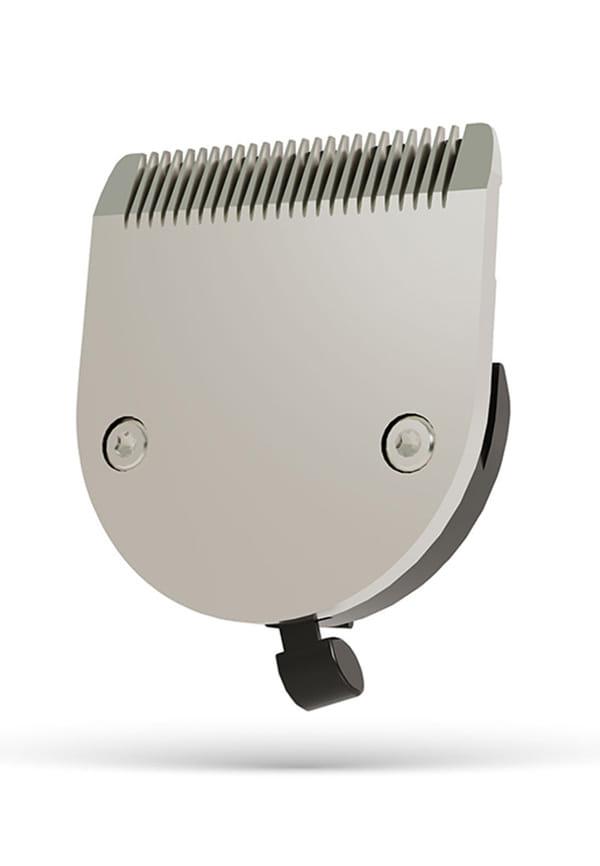
Letsshave EZ‑WIZZY Pet Trimmer Replacement Blade – Pack of 1 | Sharp & Whisper‑Quiet | Ceramic Blades | Dogs, Cats and All other Furr Animal Grooming
Stress reduction techniques can prevent behavioural overgrooming. This might include providing mental stimulation, maintaining consistent routines, or addressing anxiety through training or environmental modifications.
Environmental allergen management involves identifying and minimising exposure to triggers. This could mean changing cleaning products, using hypoallergenic bedding, or timing walks to avoid high pollen periods.
Regular veterinary check-ups allow for early detection of systemic conditions that might affect coat health. Annual blood work can catch hormonal imbalances before they create noticeable symptoms.
Treatment depends entirely on the underlying cause. Veterinary diagnosis through skin scrapes, cultures, and blood tests determines whether you need flea control, medicated shampoos, dietary changes, or medication for hormonal imbalances. Never attempt to diagnose or treat serious hair loss without professional guidance.
Some hair loss is normal seasonal shedding, especially in double-coated breeds like Huskies and Labradors. However, sudden hair loss, bald patches, or hair loss with skin irritation requires veterinary attention to rule out underlying health issues.
Patchy hair loss with scabs typically indicates infections (bacterial, fungal), parasites (mange mites, fleas), or severe allergic reactions that cause excessive scratching and secondary skin damage. This pattern requires immediate veterinary evaluation.
Yes, female dogs may experience hair loss related to hormonal changes during heat cycles, pregnancy, or nursing. Spaying can also affect hormone levels and coat quality. These changes are often temporary but should be monitored.
Hair regrowth typically takes 4-12 weeks depending on the cause and treatment effectiveness. Hormonal-related hair loss may take longer to resolve than infection-related hair loss. Patience is key, as rushing the process can sometimes worsen conditions.
Addressing hair loss in dogs requires a combination of careful observation, professional diagnosis, and appropriate treatment. Whilst normal shedding is part of life with a furry companion, recognising when hair loss signals underlying health issues can make the difference between a simple treatment and a chronic condition.
Remember that every dog is unique, and what works for one might not work for another. Just as Smytten's approach to product discovery recognises that everyone's needs are different, your dog's skin and coat health journey will be individual to them. With over 25 million users trusting Smytten's curated approach to finding the right products, the same principle applies to pet care—thorough exploration and professional guidance lead to the best outcomes.
The key is never to settle for 'maybe' when it comes to your dog's health. If you notice concerning changes in your pet's coat or skin, seek professional advice promptly. Early intervention often leads to better outcomes and can prevent minor issues from becoming major health concerns. Your furry friend deserves the same careful attention to finding the right solutions that you'd want for yourself.
