Dog Teeth Cleaning Frequency FAQ: Your Questions Answered

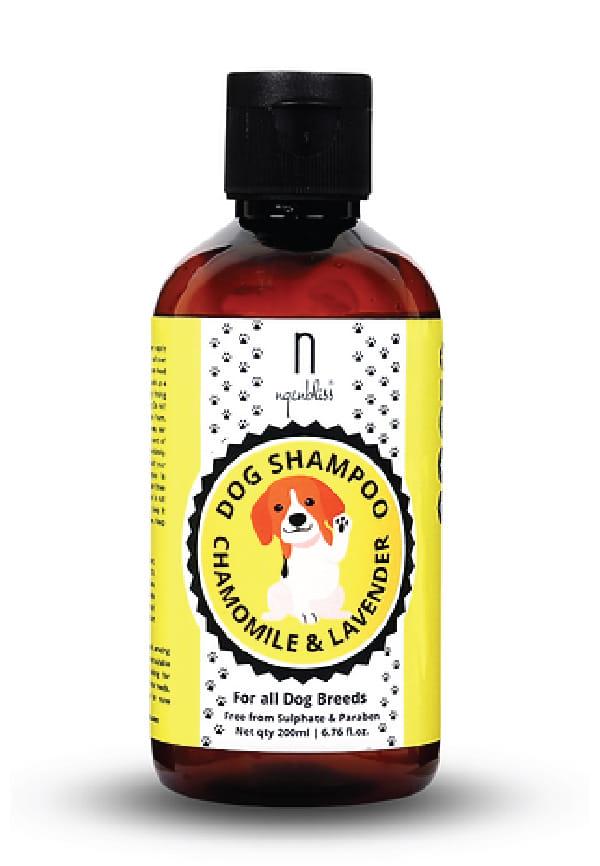
All Natural Dog Shampoo
Your dog's dental health might not be the first thing on your mind during your morning routine, but it should be. Just like us, our furry friends need regular dental care to stay healthy and happy. The question that stumps most pet parents is simple: how often should you clean your dog's teeth? Let's dive into everything you need to know about keeping those canine chompers sparkling clean.
When it comes to dog dental care, there's a big difference between what you can do at home and what needs professional attention. Think of it like your own dental routine—you brush daily, but you still need those professional cleanings every six months.
For daily at-home brushing, the ideal frequency is every single day. Real talk though, if you can manage 2-3 times weekly, you're already doing better than most pet parents. The key is consistency rather than perfection.
Professional veterinary cleanings are a different story altogether. Most dogs benefit from annual professional cleanings, but this varies based on several factors. Small breeds like Chihuahuas and Yorkshire Terriers often need cleanings every 6-9 months because their tiny mouths are prone to faster tartar buildup. Larger breeds can typically go a full year between professional cleanings.
Age plays a massive role too. Puppies rarely need professional cleanings until they're adults, but senior dogs might need more frequent attention as their dental health naturally declines with age.
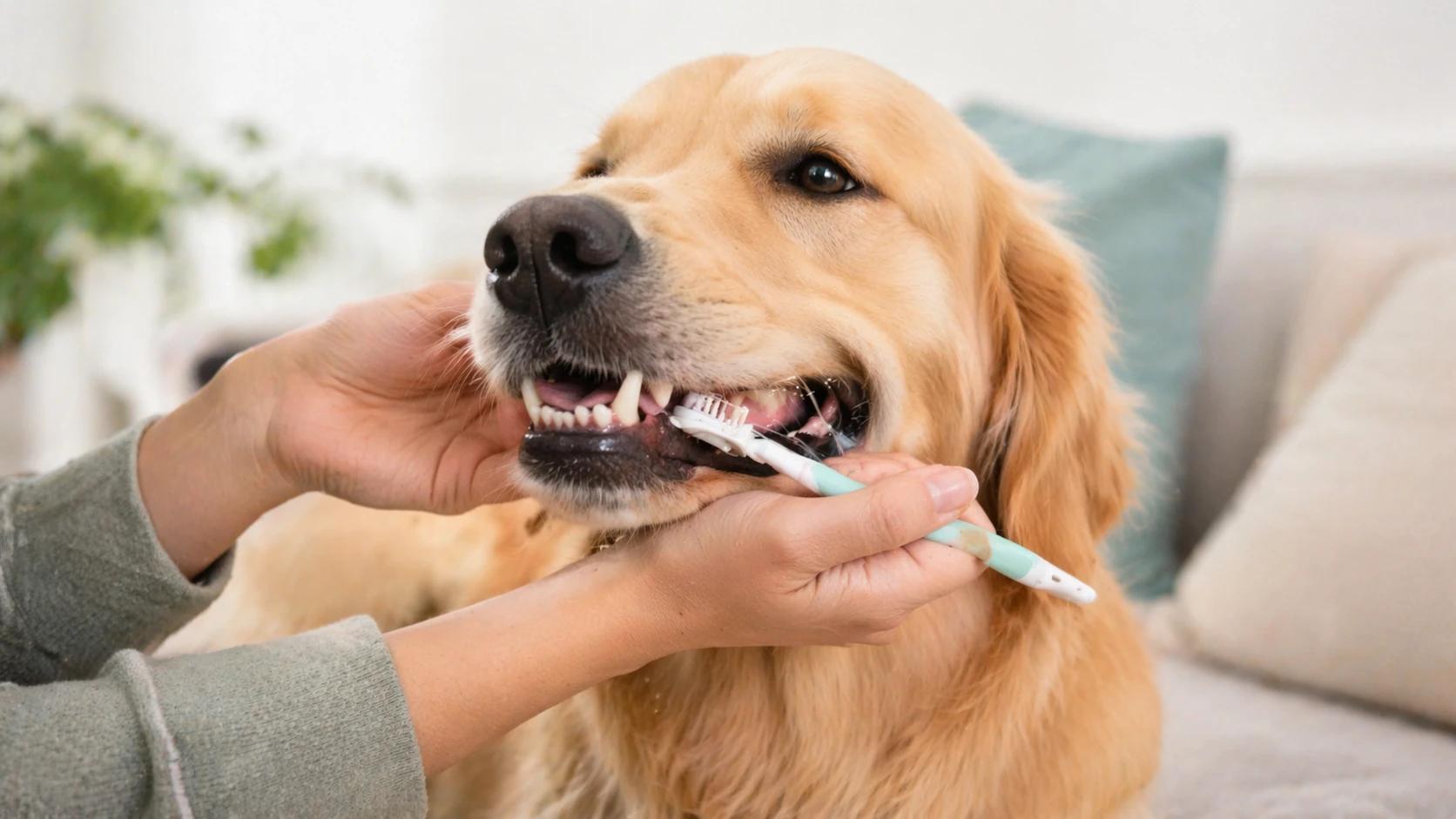
Brushing your dog's teeth at home doesn't have to feel like wrestling a crocodile. The secret is starting slow and making it a positive experience for both of you.
Begin by letting your dog get used to having their mouth touched. Spend a few days just lifting their lips and gently touching their teeth and gums. Reward them with treats and praise to create positive associations.

LetsShave EZ-WIZZY 3-in-1 Pet Grooming Kit | Cat & Dog Nail Clippers with Safety Guard, Nail File & Hair Comb | Professional Pet Care Combo for Safe
You'll need a dog-specific toothbrush (finger brushes work great for beginners) and the best dog toothpaste you can find. Never use human toothpaste—it contains ingredients that are toxic to dogs. Look for enzymatic toothpastes that help break down plaque naturally.
Start with just a few teeth and gradually work up to a full mouth cleaning. Focus on the outer surfaces where tartar builds up most. Gentle circular motions work best, and don't forget those back molars where food loves to hide.
Sometimes your dog's mouth will give you clear signals that something's not right. Knowing what to look for can save you from bigger problems down the road.
Bad dog breath is often the first warning sign. Whilst dogs don't naturally have minty-fresh breath, a strong, foul odour usually indicates dental disease. Yellow or brown tartar buildup along the gum line is another red flag that shouldn't be ignored.
More serious signs of dental disease in dogs include loose teeth, bleeding gums, and difficulty eating. If your dog starts pawing at their face, drops food whilst eating, or suddenly refuses hard treats, it's time for a vet visit. These behavioural changes often indicate pain that needs immediate attention.
Professional cleanings are an investment in your dog's long-term health, but the dog teeth cleaning cost can vary significantly. In India, you can expect to pay anywhere from ₹3,000 to ₹15,000 depending on your location, the complexity of the procedure, and whether extractions are needed.
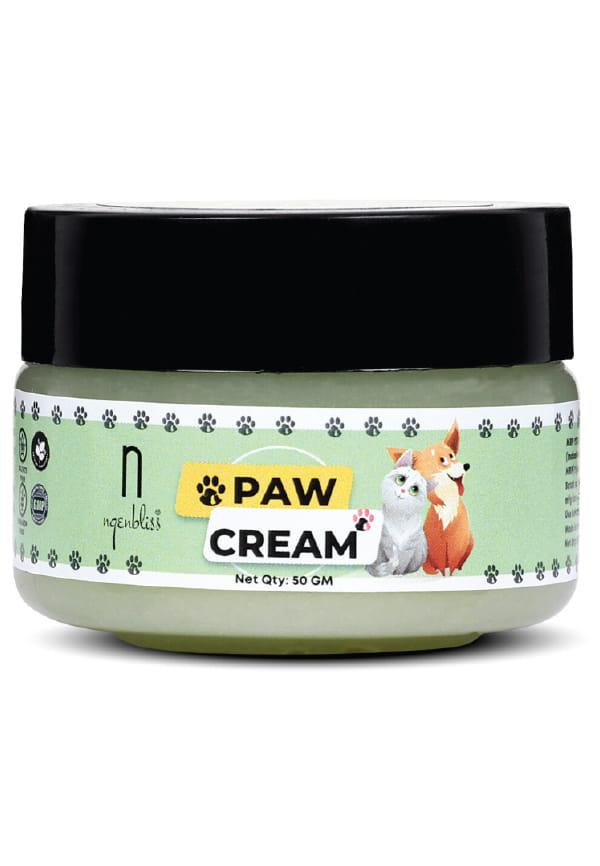
Paw Cream For Dogs And Cats | Suitable For All Dog And Cat Breeds
The frequency of professional cleanings depends on your dog's individual needs. Large breeds like Golden Retrievers typically need annual cleanings, whilst small breeds might need attention every 6-9 months. Senior dogs often require customised schedules based on their overall health and existing dental issues.
Professional cleanings include anaesthesia (for safety and thoroughness), scaling to remove tartar, polishing, and often dental X-rays to check for problems below the gum line. Many pet insurance policies cover routine dental care, which can significantly reduce your out-of-pocket costs.
Not every dog tolerates traditional brushing, and that's okay. There are several alternative methods that can help maintain your dog's dental health between professional cleanings.
Dental chews and toys designed specifically for oral health can be effective supplements to brushing. Look for products approved by veterinary dental organisations. Water additives that help reduce bacteria in your dog's mouth are another option, though they shouldn't replace regular brushing.
Some pet parents swear by natural solutions like coconut oil, which has antimicrobial properties. You can apply small amounts to your dog's gums using your finger or a soft brush. Raw bones can help scrape away tartar, but they come with risks like broken teeth or choking, so always supervise and choose appropriate sizes.
Daily brushing is ideal for optimal dental health, but 2-3 times weekly still provides significant benefits. Consistency matters more than perfection, so find a schedule that works for both you and your dog.

Letsshave EZ‑WIZZY Pet Trimmer Replacement Blade – Pack of 1 | Sharp & Whisper‑Quiet | Ceramic Blades | Dogs, Cats and All other Furr Animal Grooming
Most dogs benefit from annual professional cleanings, with small breeds requiring cleanings every 6-9 months due to faster tartar accumulation. Your vet can provide personalised recommendations based on your dog's specific needs.
Never use human toothpaste on dogs. It contains fluoride and other ingredients that are toxic to pets. Always use toothpaste specifically formulated for dogs, preferably enzymatic formulas that help break down plaque.
Bad dog breath, yellow or brown tartar buildup, red or swollen gums, and difficulty eating are common early warning signs. If you notice any of these symptoms, schedule a veterinary consultation.
Absolutely. Professional cleanings prevent serious dental disease, reduce the risk of heart and kidney problems, and can extend your dog's lifespan. The investment prevents much costlier treatments later on.
Regular brushing, dental chews, appropriate toys, and professional cleanings are the best ways to prevent tartar. Starting good dental habits early in your dog's life makes prevention much easier.
Your dog's dental health is a crucial part of their overall wellbeing that deserves just as much attention as their diet and exercise routine. Whether you're brushing at home daily or scheduling professional cleanings, consistency is key to preventing serious dental problems.
Remember, every dog is different. What works for your neighbour's Labrador might not be perfect for your Pomeranian. Work with your veterinarian to create a personalised dental care plan that fits your dog's specific needs and your lifestyle. Just like discovering the perfect skincare routine through trial and exploration, finding the right dental care approach for your furry friend might take some experimentation—but the results are worth it for their long-term health and happiness.
