Benefits of Wet Cat Food FAQ: Your Questions Answered
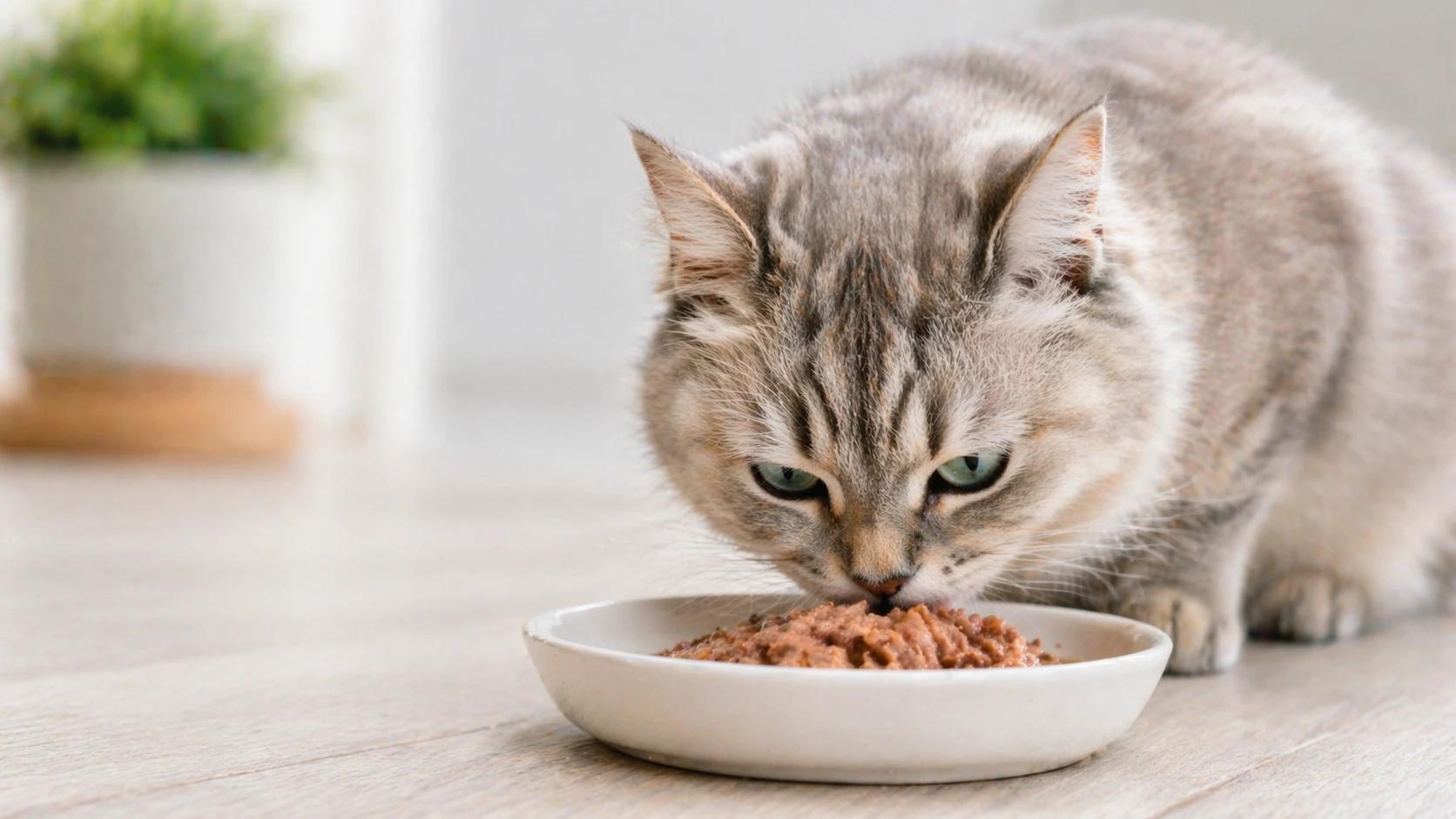

Choosing the right food for your feline friend can feel overwhelming, especially when you're weighing up the benefits of wet cat food versus dry alternatives. Whether you're a new cat parent or considering switching your kitty's diet, understanding how wet cat food supports your pet's health is crucial. From superior hydration to better digestion, wet food offers advantages that might just transform your cat's wellbeing. Let's dive into the most common questions about wet food benefits and help you make informed decisions for your furry companion.
Wet cat food delivers several key advantages that make it worth considering for your pet's daily diet. The most significant benefit lies in its moisture content, which typically ranges from 75-80%, compared to dry food's 10-12%.
Cats naturally have a low thirst drive, making hydrating cat food essential for their health. The high water content in wet food helps maintain proper kidney function and supports overall organ health.
Cat food nutrition experts often highlight that wet foods typically contain higher quality proteins that are easier to digest. This makes nutrients more bioavailable for your cat's body to absorb and utilise effectively.
The texture and moisture in soft cat food helps cats feel fuller with smaller portions, making weight management easier. This satiety factor is particularly beneficial for indoor cats prone to overeating.
The hydration benefits of wet food for cats extend far beyond simple water intake. Proper hydration affects multiple body systems and can prevent several common health issues.
Adequate moisture intake helps flush toxins through the kidneys and reduces the risk of urinary crystals and stones. This is particularly important for cats with a history of urinary tract issues.
Well-hydrated cats maintain better blood circulation, which supports heart health and ensures organs receive proper nutrients and oxygen.
Proper hydration helps cats regulate their body temperature more effectively, especially important during warmer months or for long-haired breeds.
When comparing healthy cat food options, wet food often comes out ahead in several nutritional categories. The processing methods and ingredient compositions differ significantly between wet and dry formulations.
Most wet foods contain fewer carbohydrates than dry alternatives, which aligns better with cats' natural carnivorous diet. This can help maintain stable blood sugar levels.
Wet foods typically undergo less intensive processing, which helps preserve more natural nutrients and flavours that cats instinctively crave.
The soft texture makes wet food easier to digest, particularly beneficial for senior cats or those with dental issues who struggle with harder kibble.
Understanding how benefits of canned cat food extend to weight control can help you make better feeding decisions. The unique properties of wet food support healthy weight maintenance in several ways.
Individual serving sizes in canned food make portion control easier, helping prevent overfeeding. The high moisture content also means fewer calories per volume compared to dry food.
Proper hydration from wet food supports efficient metabolism, helping cats process nutrients more effectively and maintain healthy energy levels throughout the day.
The moisture content aids digestion and can help prevent constipation, a common issue in cats fed primarily dry diets.
Navigating cat food flavours and understanding nutrition labels helps ensure you're choosing the best wet cat food for your pet's specific needs. Reading labels effectively can make a significant difference in your cat's health outcomes.
Look for named protein sources like chicken, salmon, or beef as the first ingredient. Quality wet foods typically feature real meat rather than by-products or meals.
Offering different cat food flavours provides nutritional diversity and prevents food boredom. Rotation between proteins can also help identify any food sensitivities.
Quality wet foods have shorter ingredient lists with recognisable components. Avoid foods with excessive fillers, artificial colours, or preservatives.
Yes, veterinarians generally recommend daily wet food feeding as it aligns better with feline digestive systems and provides essential hydration. Many cats thrive on a diet that includes wet food as a primary component.
The main drawbacks include higher cost per serving, shorter shelf life once opened, and the need for refrigeration. Some cats may also experience softer stools during the transition period.
The high moisture content in wet food supports kidney function by helping flush toxins and reducing the workload on these vital organs. However, always consult your veterinarian for specific medical conditions.
Proper hydration from wet food promotes healthy skin cell turnover and supports a lustrous, healthy coat. The additional moisture helps maintain skin elasticity and reduces dryness.
Many veterinarians recommend a combination approach to maximise benefits while supporting dental health. This strategy provides hydration benefits while maintaining some teeth-cleaning action from dry kibble.
Feeding amounts depend on your cat's age, weight, and activity level. Generally, an average adult cat needs about 200-300 calories daily, which translates to roughly one 5.5-ounce can of wet food per day.
The benefits of wet cat food extend far beyond simple nutrition, supporting everything from hydration to weight management. While the choice between wet and dry food ultimately depends on your cat's individual needs and preferences, incorporating quality wet food into your pet's cat food diet can significantly impact their overall health and happiness.
Just as Smytten helps you discover the perfect products for your lifestyle through trial packs, finding the right wet food for your cat might require some experimentation. With over 25 million users trusting Smytten's platform to make informed choices across lifestyle categories, the same principle applies to pet care decisions. Whether you're exploring new cat food flavours or transitioning to a healthier diet, taking time to understand your options leads to better outcomes for both you and your feline friend.
