How to Properly Wash Baby's Hands: A Parent's Guide
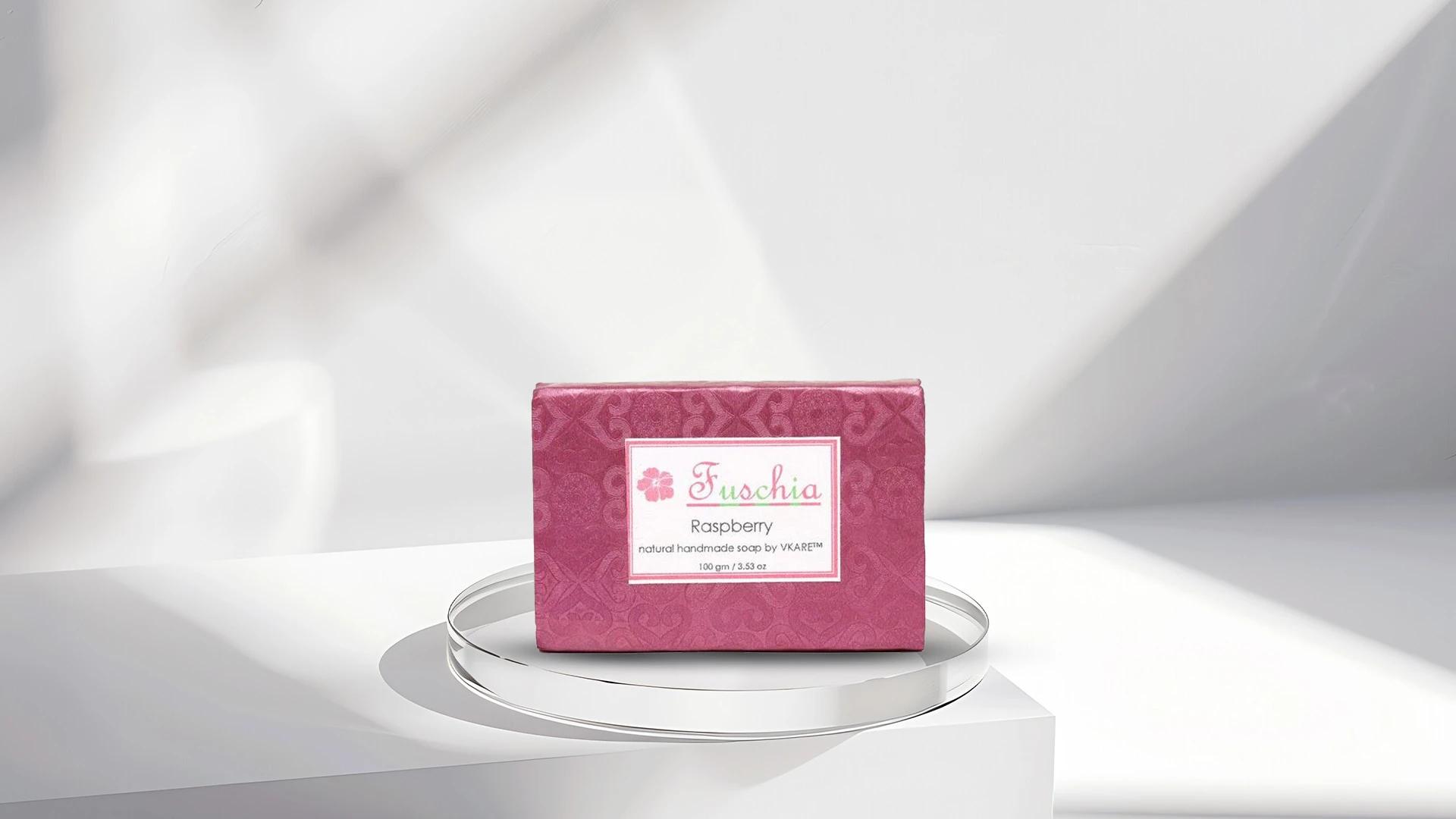

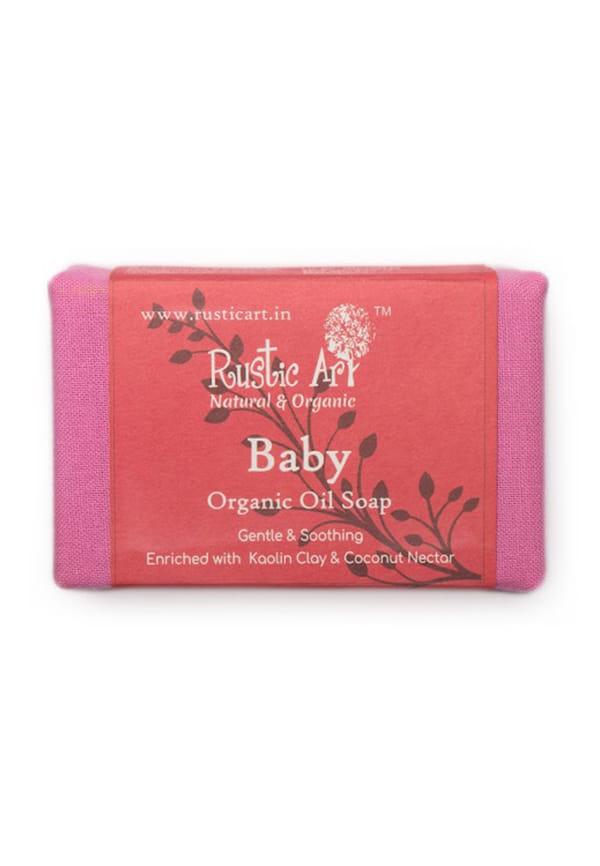
Baby Soap
Keeping your little one's hands clean feels like a never-ending task, doesn't it? Between meal times, nappy changes, and their constant exploration of the world around them, babies' hands seem to attract every bit of dirt and germ within reach. But here's the thing—keeping those tiny hands clean isn't just about tidiness; it's your first line of defence against nasty bugs and illnesses. As parents, we all want to protect our babies whilst teaching them healthy habits that'll stick. Let's chat about everything you need to know about washing your baby's hands safely and effectively, from finding the right products to making the whole experience a bit of fun for your little explorer.
Baby hand hygiene is way more important than you might think. Your little one's immune system is still figuring things out, making them more vulnerable to those pesky bacteria and viruses that adults can easily fight off. Their delicate skin also needs special care—it's thinner and more sensitive than adult skin, which means harsh products can cause irritation or dryness. How often you need to clean those tiny hands depends on your baby's age and what they're up to. Newborns typically need their hands cleaned multiple times throughout the day, whilst older babies who are crawling and exploring need more frequent cleaning. The key is finding the right balance between keeping them clean and not overdoing it, which can lead to skin problems.
Let's be real—these are the times when you absolutely need to wash those tiny hands: • Before meals - This stops germs from hitching a ride on food and into their mouth • After nappy changes - Even with careful handling, germs can spread • After playing outside - Outdoor adventures expose little hands to dirt and bacteria • After contact with pets - Animals carry different bacteria that can affect babies • After coughing or sneezing - Helps prevent spreading illness to others • Before and after visiting public places - Shopping centres and playgrounds are germ hotspots
When we slack on baby hand hygiene, a few health risks pop up. Babies have weaker immune systems, making them more likely to catch tummy bugs, chest infections, and skin issues. Poor hygiene can also lead to the spread of harmful bacteria that cause serious illnesses in infants. Plus, dirty hands can cause skin irritation and rashes when babies touch their faces or suck their fingers, which they do constantly during their development.
Having the right supplies makes all the difference in keeping those little hands clean. You don't need fancy gadgets—just the right products that are safe for your little one's delicate skin. The key is choosing items specifically made for babies, as they're gentler and less likely to cause irritation. Investing in quality supplies now saves you from dealing with skin reactions or ineffective cleaning later. Plus, having everything within easy reach makes the process smoother for both you and your baby.
Finding a gentle soap that works for your little one is crucial for effective yet safe cleaning. Look for products that are fragrance-free, hypoallergenic, and specifically formulated for babies. The best options contain moisturising ingredients like glycerine or natural oils to prevent dryness. Avoid soaps with harsh chemicals, artificial colours, or strong fragrances. These can irritate your baby's sensitive skin and may cause allergic reactions. Natural and organic options often work brilliantly, but always check the ingredient list first.
You've got loads of safe options for cleansing those tiny hands. Liquid soaps are often more hygienic as they don't harbour bacteria like bar soaps can. However, gentle bar soaps specifically made for babies can work well too, especially if you prefer natural ingredients. Foaming hand soaps can be easier for toddlers to use independently, but ensure they're formulated for sensitive skin. Whatever you choose, always read labels carefully and patch test new products on a small area first.
Mastering the right way to wash baby hands takes practice, but it's simpler than you might think. The process needs to be thorough yet gentle, ensuring you clean all areas without causing discomfort. Remember, babies don't understand why this is happening, so your calm, gentle approach makes all the difference. The technique slightly varies depending on your baby's age and mobility. Newborns require full assistance, whilst toddlers can start participating in the process, making it a learning experience as well as a hygiene routine.
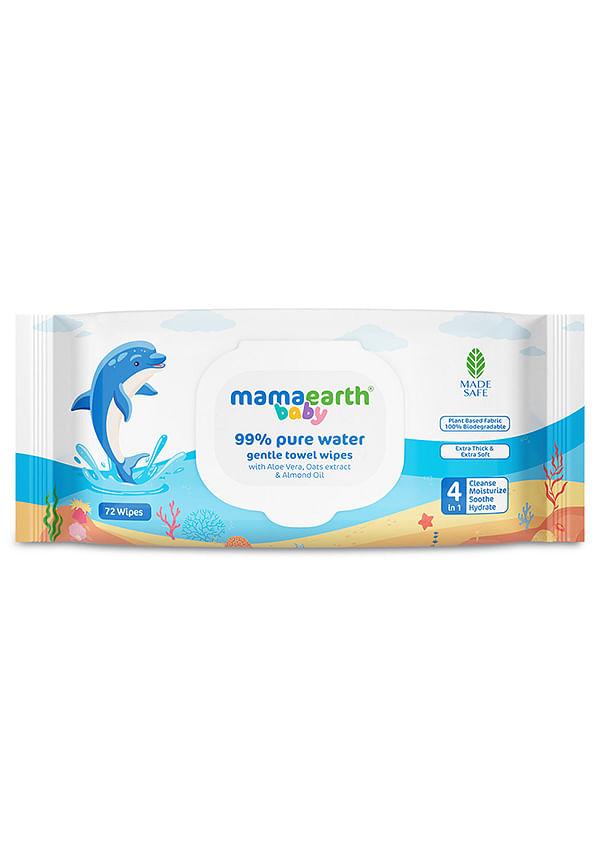
Baby 99% pure water gentle towel wipes
Here's what works brilliantly for washing baby hands effectively: 1. Wet hands with warm water - Test the temperature on your wrist first; it should feel comfortably warm, not hot 2. Apply gentle soap - Use a small amount of baby-safe soap 3. Lather and clean between fingers - Gently rub all surfaces, including between fingers and around nails 4. Rinse thoroughly - Ensure all soap residue is removed 5. Pat dry with a clean towel - Don't rub; gentle patting prevents skin irritation The entire process should take about 20 seconds for effective germ removal.
Let's be real—babies rarely cooperate during hand washing. We know it's tough when your little one won't cooperate. Try singing a short song or making funny faces to keep them distracted. Some parents find that letting babies play with a small toy while washing one hand at a time works wonders. For particularly wiggly babies, having everything prepared beforehand helps. Keep the process quick but thorough, and always maintain a cheerful, calm demeanour to make the experience positive.
Toddler hand cleaning becomes more interactive as your little one grows. This is when you can start involving them in the process, making it educational and fun. The transition period is perfect for establishing good hygiene habits that'll last a lifetime. At this stage, your child's hands are getting dirtier from increased exploration and play. They're also starting to understand simple instructions, which makes teaching proper hand hygiene much easier.
Teaching kids to wash hands properly requires patience and creativity. Start by demonstrating the process whilst they watch. Let them feel the water temperature and help apply the soap. Make it a game by counting to twenty together or singing their favourite song. Use positive reinforcement when they do well. Praise attempts even if they're not perfect—remember, they're learning. Visual aids like colourful charts showing the steps can also help reinforce the routine.
Handwashing songs for kids make the process enjoyable whilst ensuring they wash for the proper duration. Popular choices include singing "Twinkle, Twinkle, Little Star" twice or creating your own silly song about washing hands. The rhythm helps children remember the steps, and the fun factor makes them more likely to cooperate. You can even let them choose their favourite song to make it feel special and personalised.
Sometimes soap and water aren't available, and that's where alternatives come in handy. However, these should supplement, not replace, regular hand washing with soap and water. Understanding when and how to use alternatives ensures your baby's hands stay clean in various situations. These options are particularly useful during travel, outdoor activities, or emergencies when traditional washing isn't possible.
Child-friendly hand sanitizer can be useful when soap and water aren't available. Choose alcohol-based sanitisers with at least 60% alcohol content, but ensure they're specifically formulated for children. Always supervise use and keep sanitisers away from your baby's mouth and eyes. Allow hands to air dry completely before your baby touches their face or food. Remember, sanitiser doesn't remove dirt—it only kills germs.
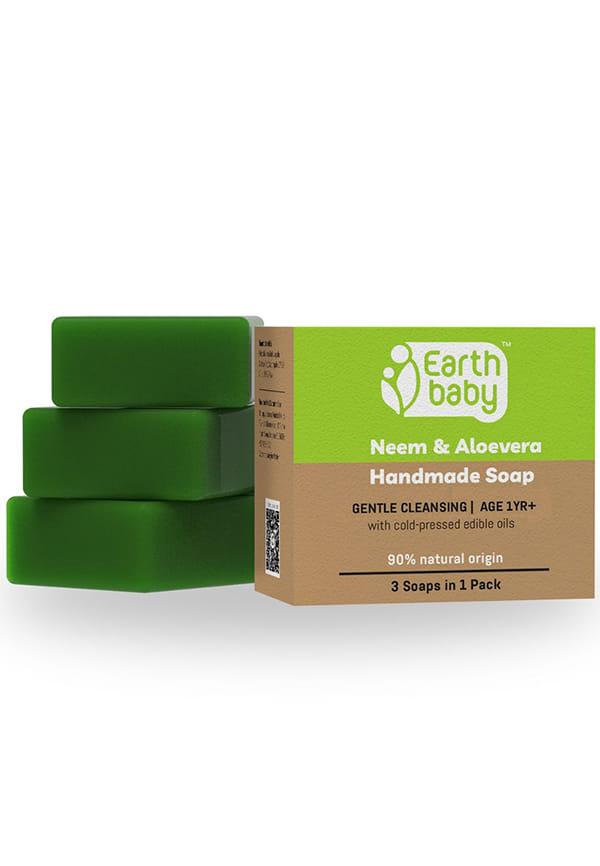
Handmade Neem & Aloe Vera Soap for kids 1 year and above
Wet wipes are convenient for quick clean-ups but have limitations. They're great for removing visible dirt and some germs, but they don't provide the thorough cleaning that soap and water offer. Use wipes as a temporary solution when proper washing isn't possible. Choose fragrance-free, alcohol-free wipes designed for babies to avoid skin irritation.
Keeping the nursery germ-free creates a cleaner environment that supports your hand hygiene efforts. A clean nursery means fewer germs on surfaces that your baby touches, reducing the frequency of hand washing needed. This holistic approach to cleanliness ensures that your baby's environment supports their health and development whilst teaching them the importance of cleanliness.
Identify germ hotspots in your nursery: door handles, light switches, toys, and changing table surfaces. These areas need daily cleaning with baby-safe disinfectants. Pay special attention to toys that go in your baby's mouth. These should be cleaned after each use and thoroughly disinfected regularly. Soft toys need washing according to care instructions.
Adult hand hygiene is equally important. Wash your hands before handling your baby, preparing food, or touching clean surfaces in the nursery. You're setting an example that your child will follow as they grow. Visitors should also follow these guidelines. Don't hesitate to ask people to wash their hands before holding your baby—most people understand and appreciate your caution.
Mom and baby hand care goes beyond just washing—it's about maintaining healthy skin whilst staying clean. Frequent washing can lead to dry, cracked skin for both you and your baby if not managed properly. Balancing cleanliness with skin health ensures that good hygiene habits don't come at the cost of comfort and skin integrity.
Apply a baby-safe hand cream after washing to prevent dryness. Look for products with natural ingredients like shea butter or coconut oil that moisturise without leaving greasy residue. For mums, use a gentle hand cream that's safe if traces remain when touching your baby. Fragrance-free options work best for sensitive skin.
Watch for signs of reaction: redness, rashes, or excessive dryness. If these occur, switch to an even gentler product and reduce washing frequency slightly whilst maintaining essential hygiene. Consult your paediatrician if skin problems persist. Some babies have particularly sensitive skin that requires special products or techniques.
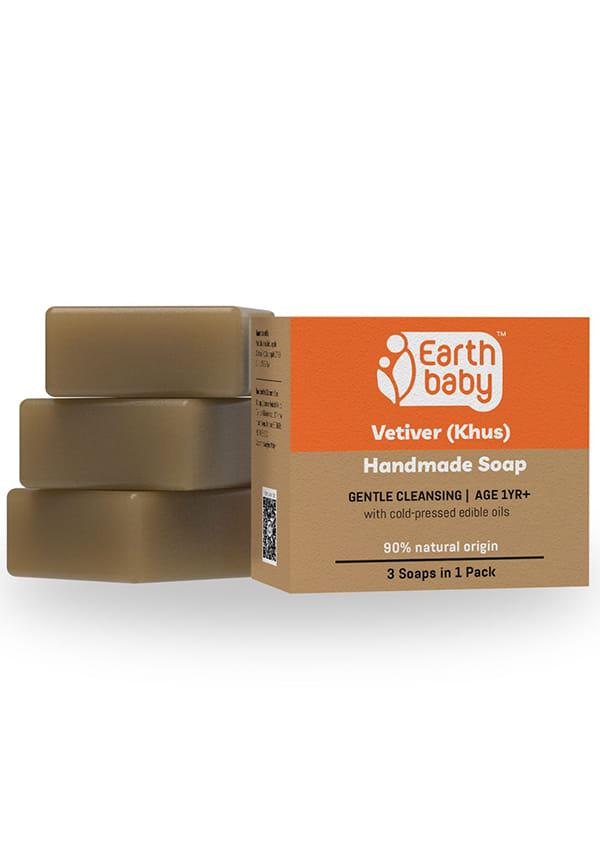
Handmde Vetiver (Khus) Soap for kids 1 year and above
Wash your baby's hands before meals, after nappy changes, after playing outside, and any time they may have come into contact with germs or dirt. Newborns typically need their hands cleaned multiple times throughout the day, whilst older babies may need more frequent cleaning.
It's best to use a gentle, fragrance-free soap specifically formulated for babies to avoid irritating their sensitive skin. Regular soaps often contain harsh chemicals that can cause dryness or allergic reactions in babies.
You can start introducing the concept of hand washing as early as 18 months, but most children can begin learning the proper technique around age 2-3. Start with simple steps and gradually build up to the complete routine.
While soap and water are preferred, alcohol-based hand sanitisers can be used occasionally on older babies when recommended by your paediatrician. Always supervise its use and choose a product specifically formulated for children.
Use songs, colourful soaps, or make it a game. You can also let them choose their own special towel or soap dispenser to make it more engaging. Positive reinforcement and patience work wonders.
Trust us, every parent has been there. Try to make it a positive experience by singing, using warm water, and keeping the process quick. If crying persists, consult your paediatrician for advice.
We know it's tough when your little one won't cooperate. Try washing one hand at a time while letting them hold a toy in the other. You can also try standing them on a step stool to give them a sense of control.
Some dryness can occur with frequent washing. Use a gentle, moisturising soap and apply a baby-safe hand cream after washing. If dryness persists or worsens, consult your paediatrician.
Keeping those little hands clean is essential for your baby's health and development. By choosing the right products, following proper techniques, and making the experience positive, you're setting the foundation for lifelong healthy habits. Remember that consistency matters more than perfection—every clean hand is a step towards better health. The journey from dependent baby to independent toddler includes learning proper hygiene. Your patience and guidance during this process create positive associations with cleanliness that'll benefit your child throughout their life. Keep it simple, keep it fun, and most importantly, keep it consistent for the best results. This approach might just become your go-to routine for keeping those little hands squeaky clean. Worth a try for keeping your baby healthy and happy!
