The Science Behind Foundation for Flaky Skin: Your FAQ Answered

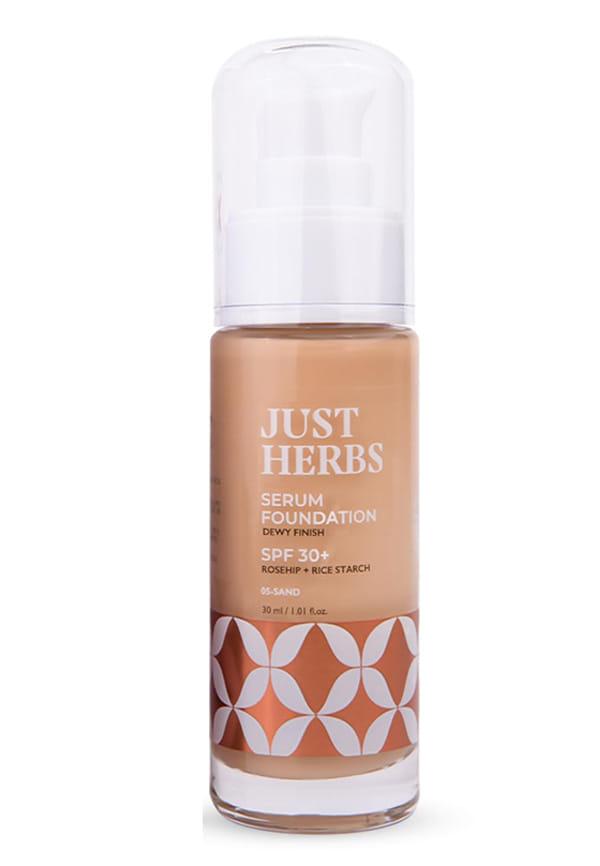
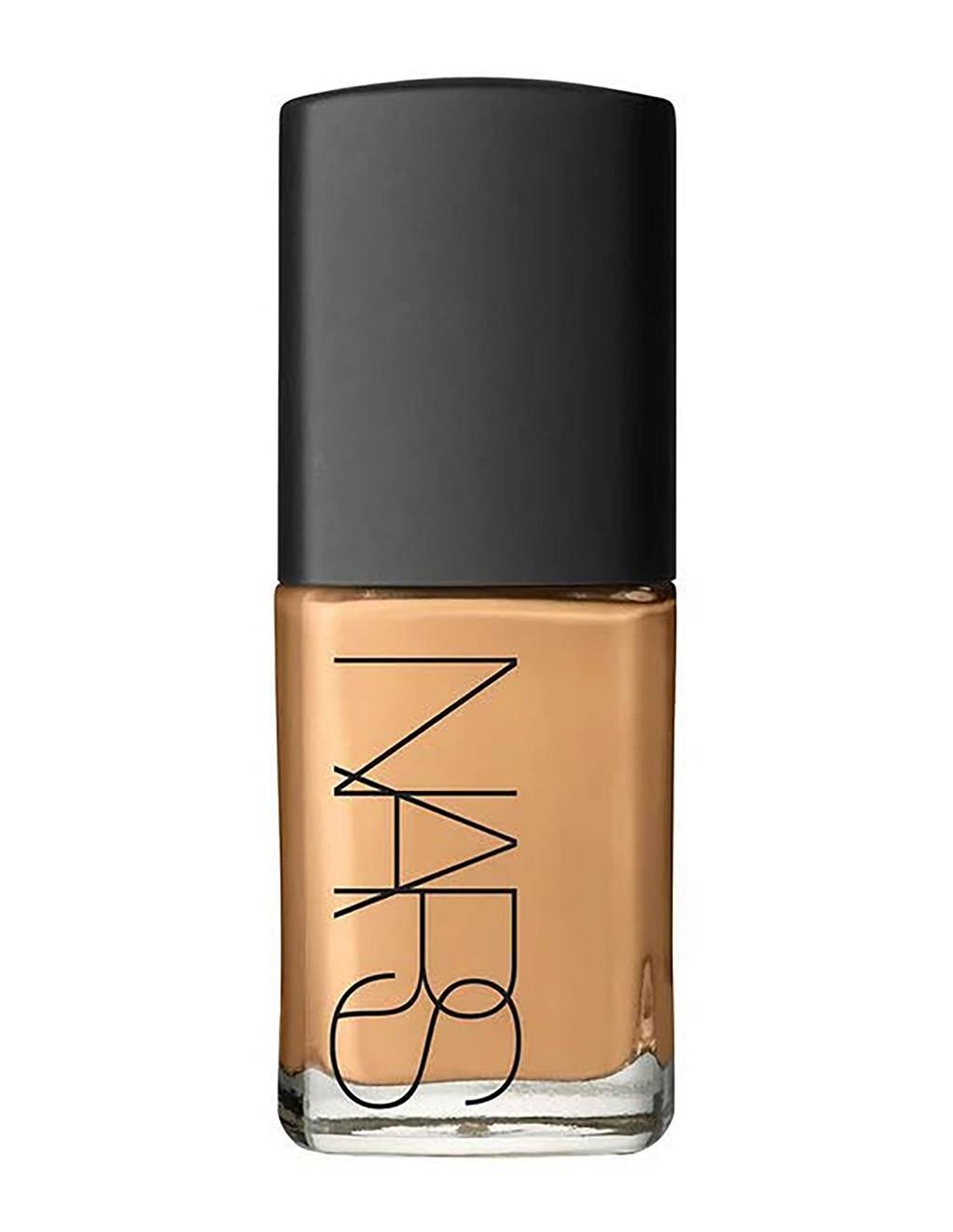
Serum Foundation For Face Makeup With Spf30+
Dealing with flaky skin can make foundation application feel like a proper nightmare. You know the drill—your base sits on top of dry patches like it's highlighting every single flake, or worse, it disappears completely by lunchtime. But here's the thing: the right foundation for flaky skin isn't just about coverage—it's about understanding how your skin behaves and what it actually needs. The science behind foundation for flaky skin reveals why certain formulas work brilliantly while others make things worse. Whether you're battling seasonal dryness or dealing with chronically dehydrated skin, knowing how foundation ingredients interact with your skin barrier can be a total game-changer. Platforms like Smytten make it easier to trial different formulations without committing to full-size products, so you can actually find what works for your specific skin needs.
TL;DR
Flaky skin happens when your skin barrier is compromised, affecting how foundation adheres and performs throughout the day
Hydrating foundation ingredients like hyaluronic acid, glycerin, and ceramides help repair the skin barrier while providing coverage
Proper application techniques and prep work are just as important as choosing the right formula for flaky skin
Skincare-infused foundations offer dual benefits, treating dryness while delivering coverage that lasts
Avoiding certain ingredients like alcohol and mattifying agents can prevent further irritation and flaking
Let's get real about what's actually happening when your skin starts flaking. Your skin barrier—that protective outer layer—is basically your skin's bouncer, keeping moisture in and irritants out. When this barrier gets compromised, you lose water faster than you can replace it, leading to those annoying flakes and patches.
Your skin's natural oil production can slow down due to weather changes, over-cleansing, or using harsh products. Environmental factors like air conditioning, heating, and pollution also strip moisture from your skin. When your skin barrier is weakened, it can't hold onto hydration properly, resulting in that tight, flaky feeling that makes makeup application a challenge.
Here's where it gets interesting—foundation doesn't just sit on top of your skin like paint on a wall. The molecules in your foundation need to work with your skin's natural texture and moisture levels. When your skin is flaky, the uneven surface creates gaps where foundation can settle, making those dry patches even more obvious. The key is finding formulas that smooth over these imperfections rather than emphasising them.
Not all foundation ingredients are created equal, especially when you're dealing with flaky skin. Understanding which ingredients actually help versus which ones make things worse can save you from a lot of trial and error.
Hyaluronic acid is like a moisture magnet—it can hold up to 1,000 times its weight in water. In foundation, it helps keep your skin hydrated throughout the day while providing a smooth base for coverage. Glycerin works as a humectant, drawing moisture from the environment into your skin. Ceramides are the building blocks of your skin barrier, helping repair damage while preventing further moisture loss. Squalane mimics your skin's natural oils, providing lightweight hydration without feeling greasy.
Silicone-based foundations create a smooth, blurred effect that can minimise the appearance of flaky patches. Oil-based formulations provide deeper hydration but work best for very dry skin types. Peptides in foundation help smooth skin texture over time, while light-reflecting particles create an optical illusion that makes skin look more even and healthy.
Alcohol-based formulations are a no-go—they'll strip whatever moisture you have left. Mattifying agents like silica or clay can emphasise dry patches and make flaking more obvious. Fragrances and certain preservatives can also irritate already sensitive, flaky skin, so look for fragrance-free options when possible.
The right foundation does more than just cover up flaky patches—it can actually improve your skin's condition over time. Think of it as makeup that moonlights as skincare.
Foundation creates a protective layer that shields your skin from environmental stressors like pollution and harsh weather. This barrier helps lock in moisture from your skincare routine while preventing further dehydration. Many foundations now include SPF, adding another layer of protection against UV damage that can worsen dryness.
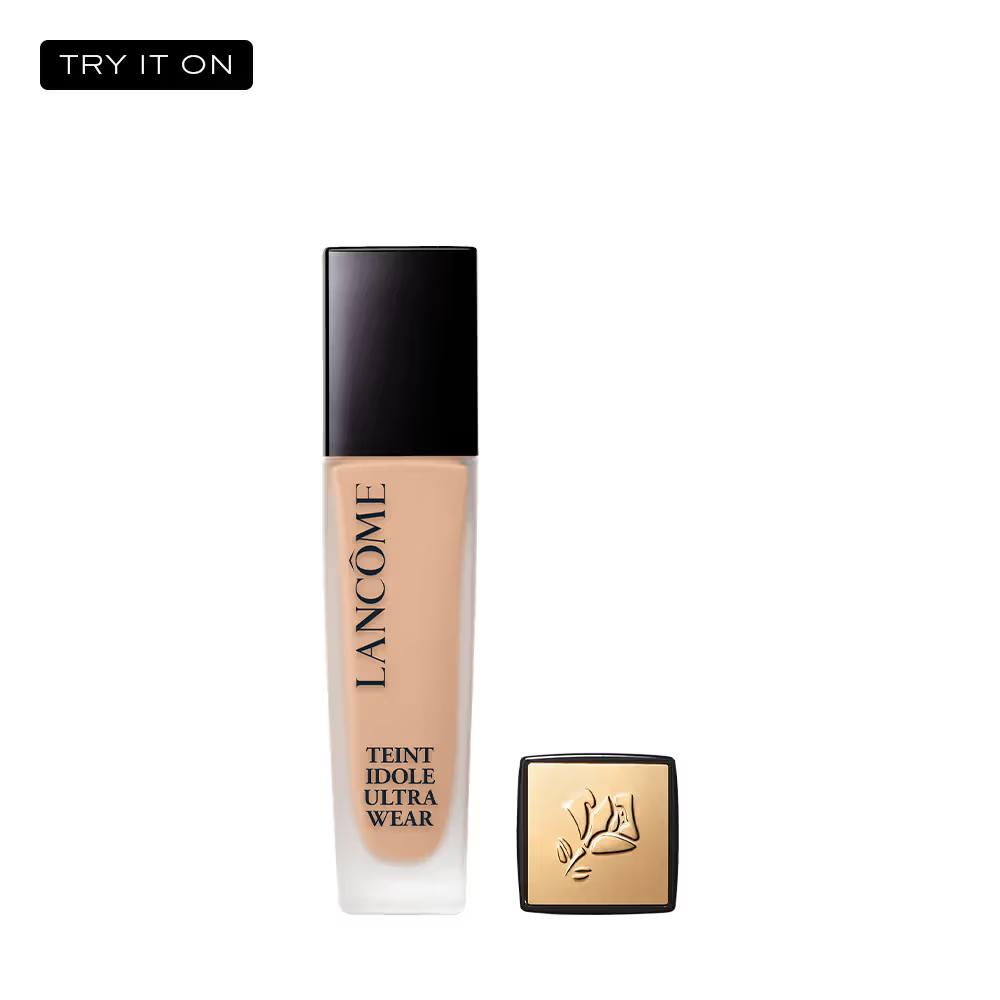
Modern foundations are basically skincare hybrids. Time-release hydration systems deliver moisture throughout the day, while anti-ageing ingredients like retinol and vitamin C work to improve skin texture over time. The Lancôme Teint Idole Ultra Wear Foundation in shade 220C exemplifies this approach with its 81% skincare actives, including Hyaluronic Acid for hydration and Vitamin E for antioxidant protection, making it ideal for those who want reliable coverage that actually cares for flaky skin while providing 24-hour wear.
Choosing the right foundation formula can make or break your makeup look when you're dealing with flaky skin. Different textures work better for different levels of dryness and skin sensitivity.
Liquid foundations with serum-like bases provide the most hydration and blend seamlessly into dry skin. Cream-based liquids offer more coverage but can feel heavier. Tinted moisturisers are perfect for days when your skin is particularly sensitive—they provide light coverage while prioritising hydration. BB and CC creams combine coverage with skincare benefits, making them ideal for daily wear on flaky skin.
Look for dermatologist-tested formulations that have been specifically designed for sensitive skin. Non-comedogenic formulas won't clog pores, which is important when your skin barrier is already compromised. Fragrance-free and hypoallergenic options reduce the risk of irritation that could make flaking worse.
Sometimes less is more when it comes to flaky skin. Light to medium coverage often looks more natural and doesn't emphasise texture. If you need full coverage, build it gradually in thin layers rather than applying one thick coat. You can also mix different foundations to create a custom coverage level that works for your skin.
Even the best foundation for flaky skin won't work if you don't apply it properly. The right technique can make a budget foundation look expensive, while the wrong approach can make even premium products look patchy.
Start with a hydrating moisturiser and let it fully absorb—rushing this step is where most people go wrong. Choose a primer that's specifically designed for dry skin, avoiding mattifying formulas. Gentle exfoliation 2-3 times a week helps remove flaky skin, but don't overdo it as this can worsen the problem.
Damp beauty sponges are your best friend for flaky skin—they help blend foundation seamlessly without disturbing dry patches. Stippling motions work better than rubbing or dragging. For brushes, use synthetic bristles and work in light, circular motions. Your fingers can also work well for cream foundations as the warmth helps the product melt into skin.
Keep a hydrating mist handy for touch-ups—spray it lightly over your face and gently pat with a clean sponge. Avoid powder touch-ups on flaky areas as they'll only emphasise the texture. Instead, use a tiny amount of cream concealer or foundation on a small brush to spot-correct any areas that need it.
Understanding the difference between dry and dehydrated skin can help you choose the right foundation formula. Professional makeup artists have some brilliant tricks for making any foundation work better on flaky skin.
Dry skin lacks oil, while dehydrated skin lacks water—and you can have both at the same time. Dry skin needs oil-based or emollient-rich foundations, while dehydrated skin responds better to water-based formulas with humectants. Seasonal changes often affect hydration levels, so you might need different foundations throughout the year.
Makeup artists often mix a drop of facial oil into foundation for extra hydration. They also use colour-correcting techniques to neutralise any redness from irritated, flaky skin before applying foundation. For special occasions, layering a hydrating serum under foundation can create a more luminous, healthy-looking finish.
Product | Best For Skin Type | Key Ingredients | Price Range | Coverage Level |
|---|---|---|---|---|
Swiss Beauty Matte Maxx Cover Foundation | Oily/Combination with dry patches | Hyaluronic Acid, Vitamin E | Budget-friendly | Medium to Full |
RENEE Tinted Moisturizer | Dry/Normal | Niacinamide, Acai Berry | Mid-range | Light |
Pilgrim Serum Foundation | Oily/Combination with dehydration | Vitamin C, Hyaluronic Acid, Bamboo Water | Mid-range | Medium |
IBA Pure Skin Liquid Foundation | Dry/Normal | Aloe Vera, Vitamin E, SPF 15 | Budget-friendly | Full |
Foxtale Pomegranate Multi-Peptide Foundation SPF 30 | Mature/Dry | Multi-Peptides, Ceramides, SPF 30 | Premium | Medium to Full |
Foundation can emphasise flaky skin when it sits on top of dry patches rather than blending into them. This usually happens when your skin barrier is compromised and can't hold moisture properly. Using the wrong formula (like mattifying foundations on dry skin) or skipping proper prep can make the problem worse.
Look for hydrating foundations with ingredients like hyaluronic acid, glycerin, and ceramides. Serum-based or cream foundations work better than powder formulas. Brands available on Smytten like RENEE's Tinted Moisturizer or Pilgrim's Serum Foundation are worth trying for their hydrating properties.
Start with a hydrating moisturiser and primer designed for dry skin. Use a damp beauty sponge to apply foundation in stippling motions rather than rubbing. Build coverage gradually in thin layers, and avoid setting powder on flaky areas. A hydrating mist can help blend everything seamlessly.
Yes, skincare-infused foundations can help improve skin condition over time. Formulas with hydrating ingredients create a protective barrier that prevents moisture loss while delivering beneficial actives throughout the day. However, foundation shouldn't replace your regular skincare routine.
Absolutely, but choose a hydrating primer rather than a mattifying one. Look for primers with hyaluronic acid or glycerin that will smooth over dry patches and create a better base for foundation application. This extra step can make a huge difference in how your foundation looks and lasts.
Gentle exfoliation 2-3 times a week is usually enough for flaky skin. Over-exfoliating can worsen the problem by damaging your skin barrier further. Use a gentle chemical exfoliant with lactic acid rather than harsh physical scrubs, and always follow up with a hydrating moisturiser.
The science behind foundation for flaky skin comes down to understanding your skin barrier and choosing formulas that work with it, not against it. Hydrating ingredients like hyaluronic acid, glycerin, and ceramides are your best friends, while alcohol-based and mattifying formulas should be avoided. Proper application technique is just as important as the right formula—prep your skin well, use the right tools, and build coverage gradually.
Remember that finding the perfect foundation for flaky skin often takes some trial and error. What works for your friend might not work for you, and your needs might change with the seasons. The key is being patient with your skin and giving new products time to show their benefits.
Finding the right foundation for flaky skin doesn't have to be a guessing game. Smytten is India's largest product discovery and trial platform, connecting you with over 1,500 trusted beauty brands including Cetaphil, Dot & Key, RENEE, and IBA. Through curated trial packs, you can explore different foundation formulations before committing to full-size purchases. Get up to 8 minis for just ₹249 with 100% cashback on trials, making it affordable to discover what actually works for your flaky skin. With authentic brand-verified minis available across 27,000+ pincodes, you can trial before you buy and make smarter, more confident choices. After all, why settle for 'maybe' when you can try it all and find your perfect match?
