Step-by-Step Guide: Flawless Acne Coverage with Concealer


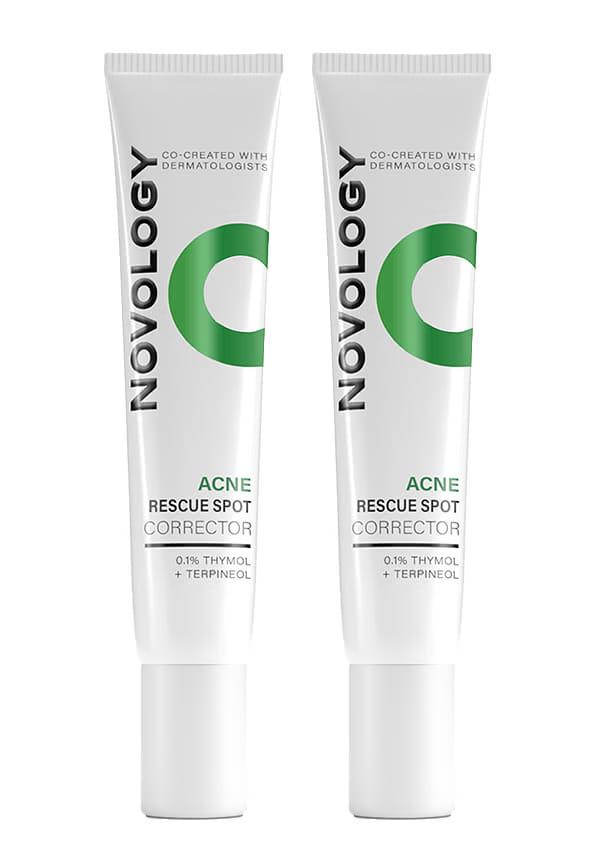
Acne Spot Corrector,For Acne Prone Skin - Pack of 2
Positive for acne
 5
5“very nice product I have acne problesm”
Let's be real—dealing with acne is tough enough without worrying about whether your concealer is making things worse. Finding the right concealer for acne coverage can feel like searching for a needle in a haystack, especially when you're juggling breakouts, redness, and the need to look put-together. The good news? With the right technique and products, you can achieve flawless coverage that actually helps your skin heal rather than hindering it. This guide will walk you through everything you need to know about mastering acne concealer application, from choosing the perfect formula to professional techniques that'll have you feeling confident all day long.
Not all concealers are created equal, especially when it comes to covering acne. Regular concealer might work fine for under-eye circles or minor imperfections, but acne-prone skin needs something entirely different. The texture, ingredients, and coverage level all play crucial roles in whether your makeup will help or hurt your skin.
Traditional concealers often contain comedogenic ingredients that can clog pores and worsen breakouts. They're typically formulated for smooth skin, which means they struggle to provide adequate coverage on textured, inflamed areas.
Coverage limitations become especially apparent when dealing with raised bumps or deep cystic acne. Regular formulas tend to slip off textured skin or settle into uneven areas, creating a patchy, obvious finish. Plus, colour matching becomes tricky when you're dealing with inflamed, red skin that changes throughout the day.
Non comedogenic concealer formulations are absolutely essential—they won't clog your pores or contribute to future breakouts. Look for products specifically labelled as non-comedogenic and oil-free.
Full coverage concealer acne formulas provide the opacity needed to completely mask blemishes without requiring multiple layers. These typically have a thicker consistency and higher pigment concentration. Long lasting concealer acne options often include setting properties or are designed to withstand oil production throughout the day.
Many effective formulas now include beneficial ingredients like salicylic acid for gentle exfoliation or niacinamide to reduce inflammation whilst providing coverage.
Selecting the right best concealer for acne involves more than just finding good coverage. You need to consider your skin's specific needs, sensitivities, and the type of acne you're dealing with. The wrong choice can actually make breakouts worse or cause irritation.
Non-comedogenic formulations should be your starting point. These are specifically tested to ensure they won't clog pores or contribute to blackheads and whiteheads.
Anti-inflammatory ingredients like niacinamide, zinc oxide, and green tea extract can actually help calm irritated skin whilst providing coverage. Oil-free and water-resistant properties ensure your concealer won't slide off or mix with excess sebum throughout the day.
Steer clear of heavy oils and waxes that can trap bacteria against your skin. Common culprits include coconut oil, cocoa butter, and certain petroleum-based ingredients.
Heavy silicones might provide smooth application but can create a barrier that traps bacteria and prevents skin from breathing. Fragrances and artificial colours can irritate already sensitive, inflamed skin, potentially making redness and irritation worse.
Look for products that have undergone clinical testing and carry hypoallergenic certifications. Many dermatologists recommend mineral-based formulas that provide coverage whilst allowing skin to breathe.
Perfection Stick-Dark
Medicated concealer for acne prone skin options often contain small amounts of salicylic acid or benzoyl peroxide, providing treatment benefits alongside coverage. These can be particularly effective for persistent breakouts.
Choosing the right shade for concealer for red acne involves understanding colour theory and how different undertones interact with inflamed skin. Getting this right can mean the difference between natural-looking coverage and obvious patches.
Green colour correcting is your best friend for neutralising red inflammation. Apply a thin layer of green corrector before your regular concealer to cancel out redness effectively.
Yellow undertones work well for general coverage and tend to look natural on most skin tones. For deeper skin tones, peach or orange undertones can be more effective at neutralising the purple or blue undertones that sometimes appear in darker acne marks.
Always test concealer on clean, untreated skin to get an accurate match. Your skin tone can appear different when it's inflamed or irritated, so testing during a calm period gives you the best baseline.
Natural lighting is crucial for accurate shade matching—artificial lighting can make colours appear completely different. If possible, step outside or near a window when testing shades. Remember that you can always build coverage gradually, so starting with a slightly lighter shade is often better than going too dark.
Proper preparation is crucial for successful makeup for acne application. Your skin needs to be clean, balanced, and properly moisturised to provide the best base for concealer application. Skipping this step often leads to patchy coverage and shorter wear time.
Use a pH-balanced cleanser specifically designed for acne-prone skin. Harsh, stripping cleansers can actually trigger more oil production and irritation, making concealer application more difficult.
Avoid physical scrubs or harsh exfoliation before applying makeup. These can create micro-tears in already sensitive skin and make inflammation worse, leading to uneven concealer application.
Mattifying primers help control oil production and create a smooth base for concealer application. Look for silicone-free options if you're sensitive to these ingredients.
Pore-minimising formulas can help create a smoother surface, making concealer application easier and more effective. Don't forget SPF considerations for daytime wear—many primers now include broad-spectrum sun protection.
Even oily, acne-prone skin needs moisture. Choose lightweight, non-comedogenic moisturisers that won't interfere with your concealer's performance.
Allow proper absorption time—rushing this step can cause your concealer to pill or slide around. Wait at least 5-10 minutes after moisturising before applying primer or concealer.
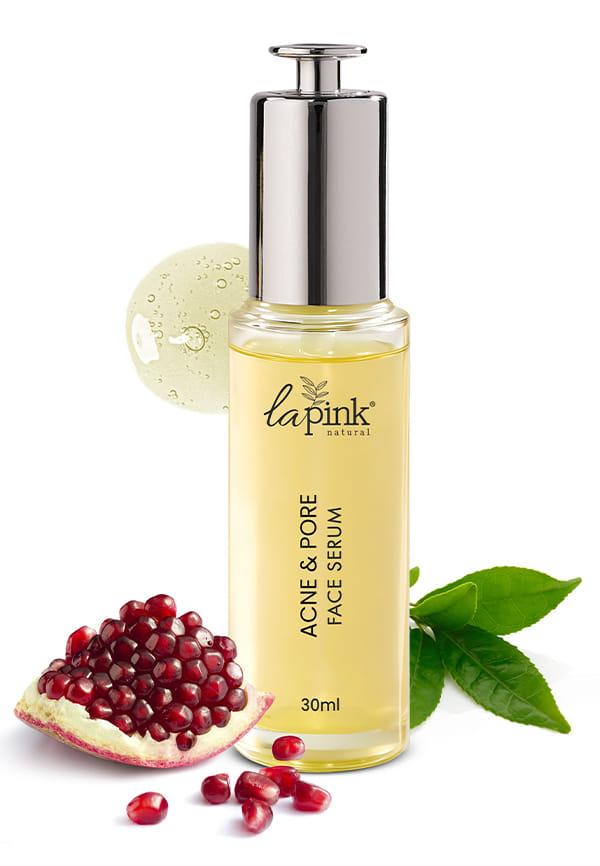
Acne & Pore Perfection Face Serum with White Haldi for Skin Radiance
Mastering how to cover acne with concealer requires the right tools, technique, and patience. This step-by-step approach ensures maximum coverage with a natural finish that lasts all day. The key is building coverage gradually rather than applying one thick layer.
Small, dense brushes are perfect for precise spot concealing. Synthetic bristles work best with cream concealers as they don't absorb product like natural bristles do.
Beauty sponges are excellent for blending harsh edges and creating seamless transitions between concealed and non-concealed areas. Always use clean tools to prevent introducing bacteria to already compromised skin.
Start with colour correcting if needed—apply a thin layer of green corrector to red areas and blend gently. Allow this to set for a minute before proceeding.
Apply concealer in thin layers, building coverage gradually. Pat the product onto the blemish rather than rubbing, which can disturb the underlying corrector and irritate the skin. Set each layer lightly with translucent powder before adding more coverage if needed.
Use stippling motions rather than rubbing to blend edges. This prevents lifting the concealer you've just applied and creates a more natural finish.
Feather the edges of your concealer into the surrounding skin using gentle tapping motions. The goal is to create an invisible transition where the concealed area meets your natural skin tone.
Achieving all-day coverage requires more than just good application technique. These advanced tips help ensure your long lasting concealer acne coverage stays put through heat, humidity, and daily activities. The key is creating multiple thin layers rather than one thick application.
Apply translucent powder with a small, fluffy brush, pressing gently rather than sweeping. This locks in your concealer without disturbing the coverage underneath.
Setting spray can help everything meld together, but use it sparingly on acne-prone areas. Too much can cause products to slide around or become patchy. Keep blotting papers handy for touch-ups throughout the day without disturbing your makeup.
When applying foundation over concealer, use gentle patting motions to avoid lifting your carefully applied coverage. Choose foundations that are compatible with your concealer formula—mixing oil-based and water-based products can cause separation.
Apply bronzer and blush with a light hand over concealed areas, building colour gradually. For facial acne near the eyes, be extra gentle when applying eye makeup to avoid disturbing your base coverage.
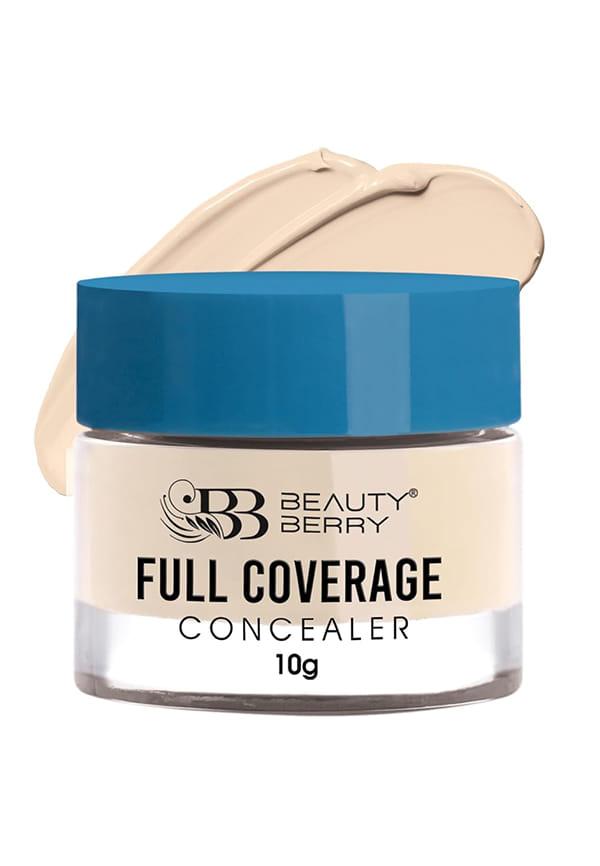
Full Coverage Concealer
Hides under eye dark circles
5“It hide all the dark area of under eye”
Excellent Quality
5“too good quality is also good 🫶🏻❤️”
Nice Product, Smooth Finish
5“nice product smooth finish and touch”
Even with the best intentions, it's easy to make mistakes that can worsen acne or create obvious, unnatural-looking coverage. Understanding these common pitfalls helps you achieve better results and maintain healthier skin. Prevention is always better than correction when it comes to makeup application.
Using too much product is one of the biggest mistakes. Thick layers of concealer can look cakey and actually draw attention to the areas you're trying to hide.
Wrong shade selection can make blemishes more obvious rather than concealing them. A shade that's too light creates a highlighted effect, whilst too dark can make spots look like shadows. Improper blending techniques, like rubbing instead of patting, can create streaky, uneven coverage that looks obviously applied.
Mixing incompatible active ingredients can cause irritation or reduce the effectiveness of your skincare routine. For example, using retinoids and certain acids together can increase sensitivity.
Not allowing skincare products to fully absorb before applying makeup can cause pilling, streaking, or reduced coverage. Over-cleansing after makeup removal can strip your skin's natural barrier, leading to increased oil production and more breakouts.
With platforms like Smytten, you can try different blemish concealer formulas through curated trial packs before committing to full-size purchases. This approach lets you test how different products work with your specific skin type and concerns, ensuring you find the perfect match without wasting money on products that don't work for you.
The best concealer for acne is one that's non-comedogenic, provides full coverage, and contains beneficial ingredients like niacinamide or salicylic acid. Look for formulas specifically designed for acne-prone skin that offer long-lasting wear without clogging pores. Professional makeup artists often recommend mineral-based formulas or medicated options that treat whilst they conceal.
Yes, concealer can be used safely on acne when you choose non-comedogenic formulas and maintain proper hygiene. Use clean tools, remove makeup thoroughly each night, and give your skin regular breaks from heavy coverage. If you notice increased breakouts, reassess your product choices and application techniques.
Hormonal acne often requires extra-gentle formulations with anti-inflammatory ingredients. Look for concealers with zinc oxide, niacinamide, or green tea extract. These ingredients help calm inflammation whilst providing coverage. Avoid heavy, occlusive formulas that might trap bacteria during hormonal fluctuations.
Choose a concealer that matches your skin tone exactly, not the colour of your blemishes. For red acne, use green colour corrector first, then apply your regular concealer shade. Test colours on clean skin in natural light for the most accurate match. When in doubt, slightly lighter shades are easier to work with than darker ones.
Mastering concealer for acne coverage is a game-changer for anyone dealing with breakouts. The key lies in choosing the right products, preparing your skin properly, and applying with patience and technique. Remember that good coverage doesn't mean thick coverage—building thin layers creates the most natural, long-lasting results.
Finding your perfect concealer for acne coverage might take some trial and error, but it's worth the effort. With Smytten's trial packs, you can explore different formulas from trusted brands without the commitment of full-size purchases. This lets you discover what works best for your unique skin needs whilst building confidence in your makeup routine. After all, why settle for maybe when you can try it all and find your perfect match?
